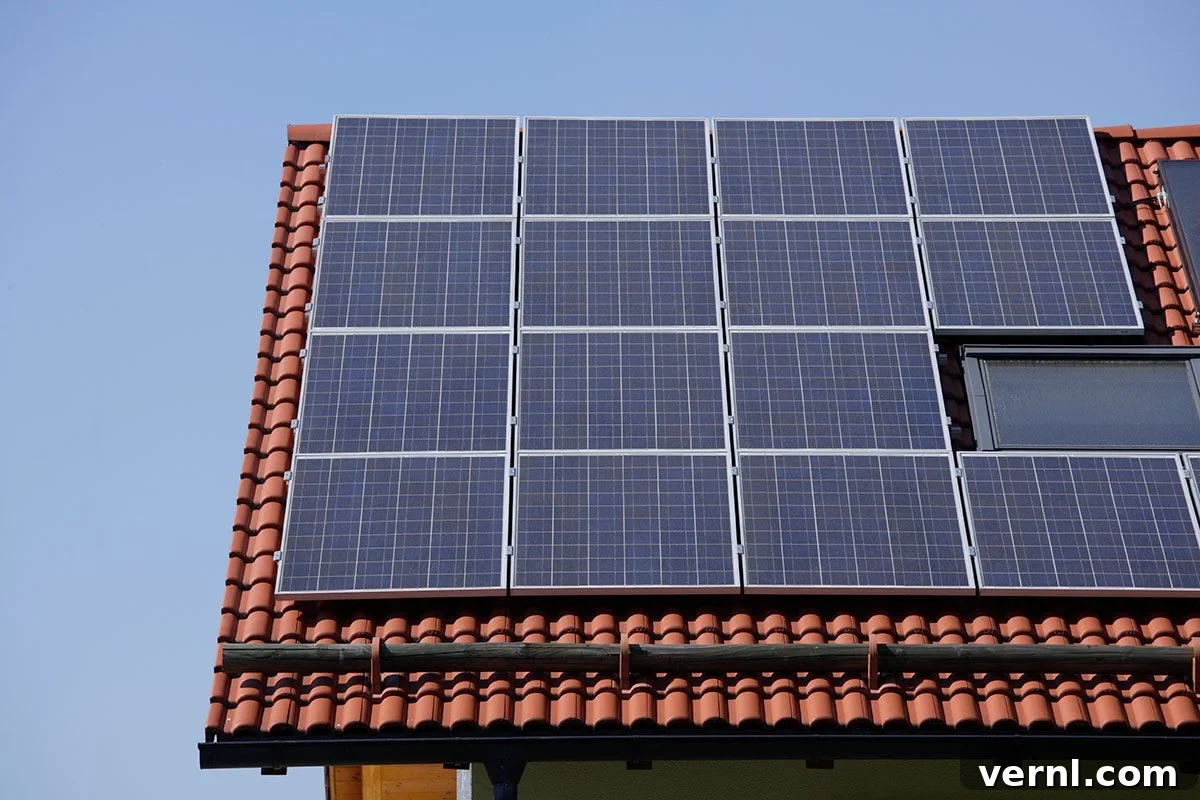
Act Now: Federal Clean Energy Tax Credits Are Ending in 2025!
In an era defined by escalating energy costs and the pressing reality of climate change, making our homes more energy-efficient isn’t just an environmental choice—it’s an economic imperative. Technologies like advanced heat pumps, energy-efficient electric water heaters, upgraded insulation, modern induction cooktops, and robust solar power systems stand at the forefront of this transformation. These innovations not only significantly reduce greenhouse gas emissions but also offer a tangible benefit that homeowners feel directly: lower power bills.
The urgency to adopt such solutions has never been higher. Extreme weather events are becoming increasingly common, serving as stark reminders of our changing climate. Simultaneously, the financial burden on households has grown substantially, with home energy costs having surged by over 20% on average since 2020. Amidst these challenges, federal initiatives have played a crucial role in empowering Americans to invest in a greener, more affordable future.
Indeed, the Inflation Reduction Act’s (IRA) clean energy tax credits and incentives have been a beacon of hope for millions. Since its enactment, more than three million Americans have collectively saved over $8 billion on vital home upgrades, underscoring the profound impact of these federal programs. As Landon Wimmer, CEO of Empower Home Service, aptly states, “The clean energy tax credit has been one of the most important federal incentives for homeowners and businesses to invest in renewable technologies. It covers up to 30% of the cost and has helped accelerate our country’s shift toward cleaner, lower-cost energy.”
Since going into effect in 2023, the IRA has initiated a powerful domino effect across the nation. It has led to noticeable reductions in utility bills, significantly curbed pollution, and fueled a remarkable surge in new job creation within the burgeoning clean energy sector. This positive momentum, however, faces an unexpected and abrupt halt. A critical deadline looms: these essential federal incentives are slated to come to a screeching halt at the end of 2025. While this news may be disheartening, there’s still a window of opportunity. It’s not too late to benefit from these valuable programs. Here’s everything you need to know about the clean energy tax credits and how you can take advantage of them for your home before they are gone forever.
What Exactly Are the Federal Clean Energy Tax Credits?
The clean energy tax credits, officially known as the Energy Efficient Home Improvement Credit (25C) and the Residential Clean Energy Credit (25D), are designed to encourage homeowners to invest in energy-saving and comfort-enhancing technologies. These credits are not merely deductions; they are direct dollar-for-dollar reductions in your tax liability, making them incredibly powerful incentives for significant home improvements.
The Energy Efficient Home Improvement Credit (25C) specifically targets improvements to a home’s building envelope and certain energy-efficient equipment. This includes upgrades like new energy-efficient windows, exterior doors, skylights, and insulation materials. It also covers the installation of high-efficiency heating and cooling equipment such as central air conditioners, furnaces, boilers, and especially heat pumps. Additionally, qualified energy property, like electric panel upgrades or home energy audits, can also fall under this credit. Homeowners can typically claim a credit equal to 30% of the cost of eligible improvements, with annual limits often set at $1,200 for most upgrades and up to $2,000 for heat pumps, heat pump water heaters, and biomass furnaces/boilers.
The Residential Clean Energy Credit (25D) is geared towards larger, renewable energy installations. This credit allows homeowners to claim 30% of the cost of new, qualified clean energy property for their home. The scope here is broader and includes popular technologies such as rooftop solar panel systems, solar water heaters, small wind energy systems, geothermal heat pumps, and fuel cell property. Crucially, residential battery storage technology with a capacity of at least 3 kilowatt hours is also eligible, allowing homeowners to store excess solar energy for later use, further enhancing energy independence and resilience. Unlike 25C, the 25D credit generally has no annual dollar limit, making it incredibly attractive for significant renewable energy investments.
Both credits aim to reduce household energy consumption, lower utility bills, and decrease reliance on fossil fuels, contributing significantly to national energy independence and environmental sustainability. They represent a substantial federal commitment to clean energy adoption at the residential level.
The Unexpected Sunset: Why Are These Clean Energy Tax Credits Ending?
The impending expiration of these highly effective and popular clean energy tax credits comes as a surprise to many, especially given their bipartisan support and demonstrable success. The abrupt phase-out is attributed to a legislative package known as the “One Big Beautiful Bill” (OBBB), which was passed by Congress in the summer of 2025. This bill, despite its name, has far-reaching consequences for the clean energy sector and American households.
According to Alex Amend, Director of Communications at Rewiring America, the decision to target these credits was part of a broader political strategy. “Despite being popular, bipartisan and highly effective, the credits were targeted as part of a broader effort to undermine clean energy development, which had been booming since the passage of the IRA,” says Amend. This legislative move is seen by many advocates as a significant setback for the momentum built since the IRA’s passage, which had successfully stimulated investment and innovation in sustainable technologies.
The consequence for American families is profound. “Unfortunately, for American families, this means fewer resources for households to upgrade their homes in order to reduce their energy costs,” Amend adds. The termination of these credits removes a powerful financial incentive that had made energy-efficient and renewable energy upgrades accessible to a wider demographic of homeowners, potentially slowing down the pace of electrification and decarbonization across the residential sector.
The “One Big Beautiful Bill” has thus become a point of contention, seen by many as prioritizing short-term political objectives over long-term environmental and economic benefits for the nation.
Critical Deadlines: When Do the Clean Energy Tax Credits Officially End?
For homeowners planning to leverage these federal incentives, understanding the exact deadlines is paramount. Both the Energy Efficient Home Improvement Credit (25C) and the Residential Clean Energy Credit (25D) are officially set to expire for residential projects at the end of 2025. This means December 31, 2025, marks the final day for projects to be completed and eligible for these federal tax benefits.
This expiration date is particularly significant as it cuts short the original planned end date by nearly a decade. The initial vision for the Inflation Reduction Act’s credits included a longer runway, allowing for sustained growth and adoption of clean energy technologies. The accelerated termination date underscores the urgency for homeowners to act quickly.
While residential projects face a clear cut-off, commercial clean energy projects have a slightly different timeline. For businesses and larger installations, the deadline to begin construction is July 4, 2026. However, even these projects must be fully completed by December 31, 2027, to qualify for any remaining federal incentives. The distinction between “start construction” and “completion” is critical for commercial entities to note.
Landon Wimmer emphasizes the suddenness of this change: “There’s no soft landing here, no phase-out, no gradual step-down. After that, most of the major clean energy incentives are off the table.” This “cliff” expiration means that any project not completed by the end of 2025 for homeowners will simply miss out on these substantial federal savings, making meticulous planning and swift execution essential.
Seizing the Opportunity: How to Maximize Your Savings Before 2026
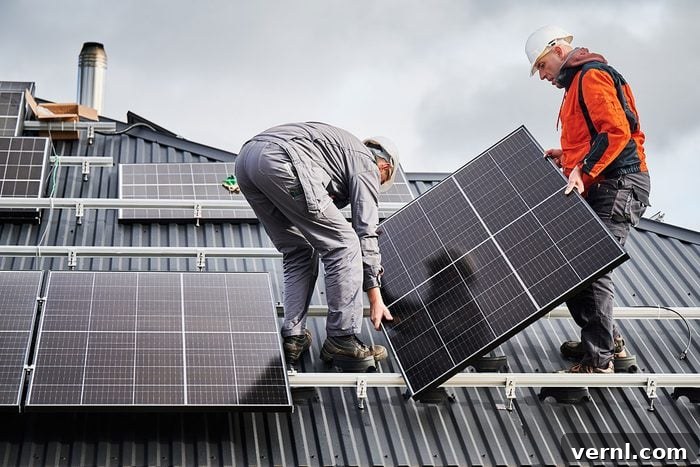
With the federal clean energy tax credits fast approaching their expiration, now is the critical window for homeowners to take action. If you’ve been contemplating upgrading your home’s energy systems—whether it’s modernizing your heating, cooling, or water heating, installing a rooftop solar power system, or adding an EV charger—the time to move forward is unequivocally now. Here’s a comprehensive guide to help you capitalize on these incentives before the December 31, 2025, deadline:
1. Identify Your Eligible Upgrades:
Start by identifying which home improvements qualify. This includes high-efficiency heat pumps, heat pump water heaters, central air conditioners, furnaces, boilers, insulation, energy-efficient windows, skylights, exterior doors, and electric panel upgrades under the 25C credit. For the 25D credit, focus on rooftop solar panels, solar water heaters, small wind energy systems, geothermal heat pumps, and residential battery storage systems. Understanding the specific requirements for each credit is the first step.
2. Get Multiple Quotes and Schedule Immediately:
Do not delay in seeking out qualified professionals. Obtain multiple quotes from reputable, certified contractors for your desired projects. Given the impending deadline, demand for these services is likely to increase significantly, potentially leading to longer wait times. It is absolutely imperative that your project be fully completed and installed by December 31, 2025, to qualify for the credits. Therefore, schedule your installation as early as possible in 2025 to account for any unforeseen delays due to material availability, labor shortages, or weather conditions. Early booking provides a crucial buffer.
3. Understand the “Completion” Requirement:
The IRS states that the credit applies to the tax year in which the property is “placed in service.” For most residential upgrades, this means the installation must be complete and the equipment ready for its intended use by the end of the tax year. Partial installations or projects scheduled for completion in early 2026 will not qualify for the 2025 tax credits.
4. Stack Federal, State, Local, and Utility Incentives:
To maximize your financial benefits, look beyond federal credits. Many states, local governments, and even utility companies offer their own rebates, grants, and tax incentives for energy-efficient home improvements and renewable energy installations. These programs can often be stacked with federal credits, providing even greater savings. Research what’s available in your specific area to create a comprehensive savings strategy.
5. Utilize Expert Resources and Planning Tools:
Organizations like Rewiring America provide invaluable resources for homeowners navigating the clean energy landscape. Make use of their user-friendly tools:
- Tax Credit Cheat Sheet: A quick reference guide to understand which upgrades qualify for which credits and the associated financial benefits.
- Savings Calculator: An interactive tool that helps you estimate your potential savings from various clean energy upgrades based on your location and household income.
- Personal Electrification Planner: A step-by-step guide to help you plan your home’s transition to clean energy, identifying the most impactful upgrades for your specific situation.
6. Consult with a Tax Professional:
Before making significant investments, it is always advisable to consult with a qualified tax advisor. They can provide personalized guidance, ensure you meet all IRS requirements, and help you accurately claim the credits on your tax return. They can also advise on any state or local tax implications.
By acting decisively and following these steps, you can secure substantial savings, enhance your home’s comfort and value, and contribute to a more sustainable future—all before these valuable federal incentives disappear.
Beyond the Credits: The Broader Repercussions of the OBBB
The implications of the “One Big Beautiful Bill” extend far beyond the immediate cessation of residential clean energy tax credits. Clean energy advocates have sounded alarms about the broader negative impacts this legislation is predicted to have, particularly concerning the fight against global warming and the financial well-being of American consumers.
According to analyses, the OBBB is projected to significantly raise U.S. energy costs by over $50 billion annually. This increase will directly translate to higher utility bills for households and businesses across the country, reversing the trend of lower energy costs that the IRA had initiated. Such a significant financial burden comes at a time when many families are already grappling with inflation and economic uncertainty, potentially exacerbating financial stress.
Furthermore, the bill is anticipated to result in a substantial diminishing of clean energy generation over the next decade. Projections indicate a reduction of 820 terawatt-hours, an amount equivalent to today’s combined output of coal and nuclear power. This projected shortfall in clean energy production not only hinders the nation’s progress towards climate goals but also makes the energy grid more reliant on traditional, often more polluting, sources.
Jarell Mason, Strategic Partnerships Manager at Aurora Solar, highlights the gravity of the situation: “With so much at stake, now is the critical moment to ramp up education, remind Americans that solar remains a smart financial choice, and get involved with community and advocacy groups to protect and extend remaining incentives.” He emphasizes that “Protecting these credits isn’t just about solar, but it’s about safeguarding a cleaner, more resilient energy future for all.” The broader consequences underscore the need for continued vigilance and advocacy from both individuals and organizations invested in a sustainable future.
A Glimmer of Hope: The Future of State and Local Clean Energy Incentives
While the federal landscape for clean energy incentives faces an abrupt shift, there remains a significant silver lining: the enduring commitment of many states, utility companies, and local governments to fostering energy efficiency and renewable energy adoption. These entities often offer their own distinct clean energy tax credits, rebates, and incentive programs that may continue or even escalate in response to the federal program’s conclusion.
This localized action is not just a hopeful prediction; it’s already a reality. For instance, in July 2025, California announced its intention to re-introduce the Tech Clean Rebate, demonstrating a proactive approach to filling the void left by federal changes. This type of state-level initiative is crucial, as states often have tailored programs that address the unique energy needs and challenges of their residents.
Paul Lambert, co-founder and CEO of Quilt heat pumps, articulates this sentiment: “[The federal] rollback comes despite continued public interest in home energy upgrades and growing demand for cleaner, smarter home systems… so we expect to see more action at the state and local levels to help fill the gap.” This perspective is reinforced by ongoing activity in the industry: “We also continue to hear from partners that they still remain very busy and that the momentum is still very much alive.” This indicates a resilient market driven by consumer demand and local support, even in the face of federal uncertainty.
The continued public interest in reducing utility bills, coupled with a growing awareness of environmental concerns, ensures that the drive for cleaner, smarter home systems will persist. Homeowners are encouraged to actively research and engage with their state energy offices, local municipalities, and utility providers to discover available programs. These local incentives can still significantly reduce the upfront costs of energy-efficient upgrades, ensuring that the path to a sustainable home remains accessible and financially viable.
Meet the Experts Driving Clean Energy Innovation
The insights shared in this article come from leading voices in the clean energy sector, each contributing significantly to the advancement and advocacy of sustainable home solutions:
- Alex Amend is Director of Communications at Rewiring America. His dedication extends beyond his professional role, as he recently secured grant money to help install a solar and battery backup system at his local fire station in rural New Mexico, where he serves as a volunteer firefighter.
- Landon Wimmer is CEO of the solar and energy-efficient home services company Empower Home Service, which he launched in 2017. Throughout his career, he has focused on leading energy-efficiency initiatives across the Southwest, successfully helping thousands of homeowners reduce their utility bills through innovative solutions.
- Jarell Mason serves as Strategic Partnerships Manager at Aurora Solar. With a robust background spanning engineering, finance, and entrepreneurship, Jarell is instrumental in supporting and driving innovation within the clean energy landscape.
- Paul Lambert is the co-founder and CEO of Quilt, a company at the forefront of heat-pump manufacturing. He is deeply committed to mitigating climate change through his work and is a recognized public speaker, having recently provided insightful commentary on the implications of the clean energy tax credits coming to an end.
The impending expiration of federal clean energy tax credits at the end of 2025 presents both a challenge and an urgent call to action for American homeowners. While the “One Big Beautiful Bill” signals a shift in federal policy, the fundamental benefits of home energy efficiency—reduced costs, enhanced comfort, and a healthier planet—remain undiminished. By acting swiftly to capitalize on the remaining federal incentives, and by leveraging the growing landscape of state, local, and utility programs, homeowners can continue their journey towards a more sustainable and economically sound future. The momentum for clean energy is a powerful force, driven by consumer demand and environmental necessity, and it will undoubtedly continue to reshape our homes for the better.