Understanding and Repairing Foundation Slab Leaks: A Comprehensive Homeowner’s Guide
The joy of a newly renovated home is unparalleled. After an extensive eight-month remodel that transformed our living space, including beautifully tiled bathroom showers, brand new flooring across 1,800 square feet, and a fresh coat of paint throughout, my fiancé and I eagerly anticipated settling into our updated haven. We savored about a month of blissful enjoyment before an unexpected and distressing problem emerged, threatening the very foundation of our home.
Suddenly, the newly installed luxury vinyl flooring planks began to buckle and pop up in several rooms. Our immediate reaction was to contact the installer and manufacturer, who visited our home multiple times. Yet, despite their inspections, neither party claimed responsibility, and the problem intensified with alarming speed. It was a baffling and frustrating situation, leaving us to wonder about the root cause of this mysterious floor damage.
As the flooring issues worsened, we started to notice other subtle but concerning signs around the house. However, it wasn’t until a third-opinion plumber meticulously examined our property that the true culprit was identified: a foundation slab leak. This crucial diagnosis marked the beginning of a challenging period, as we were about to discover the extensive damage caused by a tiny pinhole in our buried hot water line. The repercussions of this single, minuscule leak would far exceed our initial estimations.
This unforeseen crisis forced us to file our first-ever homeowner’s insurance claim. The immediate necessity was to move all our belongings into storage and reside in a hotel while the intricate repair process unfolded. Our home required professional drying services, the complete demolition and replacement of floors, cabinets, and baseboards, and a thorough repainting of the walls. This experience underscored the critical importance of understanding what a slab leak entails and recognizing its early warning signs.
What Is a Foundation Slab Leak?
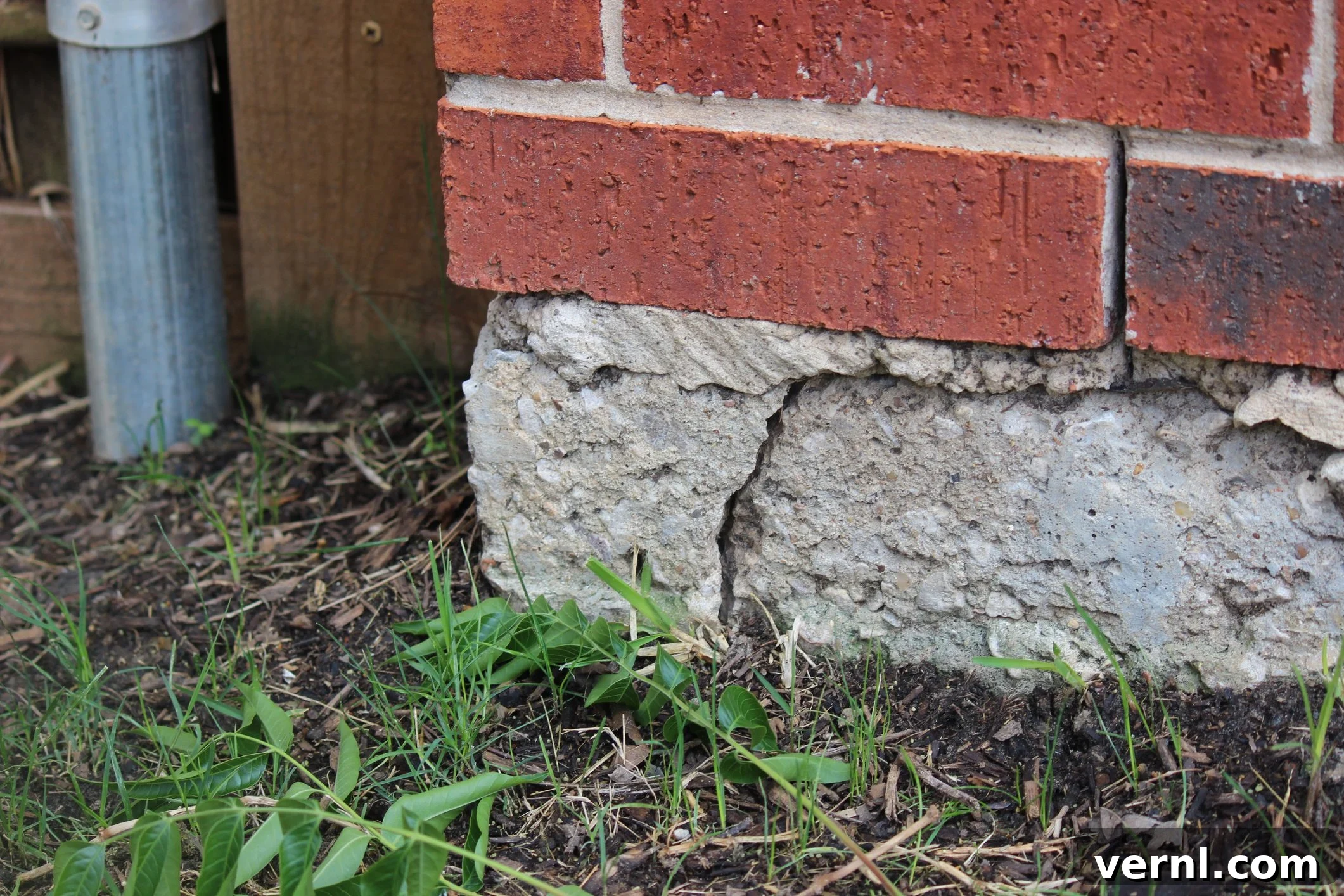
A foundation slab leak specifically affects homes built with a concrete slab foundation, as opposed to a pier-and-beam design. Essentially, it is a plumbing leak that occurs beneath the concrete slab, within the buried network of pipes that supply water to your home. Slab foundations are a prevalent construction method in warmer climates, particularly in the Southern and Western states of the U.S., where concerns about ground freezing and thawing cycles are minimal.
Shane Jaeger, President of Operations at Lawton Group in Texas, explains the gravity of such an issue: “Because the slab is supporting the entire weight of your home, when a plumbing leak occurs, water infiltrates beneath the concrete slab. This continuous saturation can ultimately compromise the structural integrity of the home’s foundation.” The steady flow of water can erode the soil beneath the slab, creating voids and uneven support, which can lead to significant structural problems over time.
The origins of a slab leak can be multifaceted. “There can be many possible causes for a slab leak,” Jaeger elaborates, “including corrosion due to pipes encountering other metals or chemicals in the soil, built-up pressure on the underground pipes from fluctuating water supply or faulty regulators, or even abrasion due to pipes rubbing against another hard surface, such as rebar or rocks, as the ground settles.” In older homes, the natural aging process of pipes, leading to material fatigue and wear, is a frequent culprit. Our 1975-built home, still equipped with its original plumbing, was unfortunately ripe for such an occurrence, making the timing of our pinhole leak an unfortunate coincidence rather than a consequence of our recent renovation.
Why Foundation Leaks Are Costly
The financial impact of a foundation slab leak can be substantial, as we personally experienced. Our insurance claim for the extensive damages amounted to just over $75,000. While our deductible was a manageable $2,500, we opted to spend additional funds on upgraded materials, choosing more durable porcelain tile over luxury vinyl flooring for the replacement. This personal anecdote highlights the potential for significant out-of-pocket expenses, even with insurance.
Generally, the cost associated with repairing a slab leak varies widely, influenced by factors such as the extent of the pipe damage, the accessibility of the leak, and how promptly the problem is identified. Repair expenses can range anywhere from $1,200 for minor, easily accessible leaks to upwards of $10,000 for more complex scenarios requiring extensive excavation or re-piping. These figures typically cover the leak repair itself, but often do not include the additional costs for remediation of water damage, restoration of flooring, cabinets, and walls, or temporary living expenses.
Chris McLaughlin, Division Sales Manager at Groundworks, the largest foundation services company in the U.S., emphasizes the financial prudence of early intervention. “Fixing a leak early is significantly cheaper than repairing a compromised foundation,” he advises. “It’s never cheaper to fix than it is today.” This statement underscores the escalating nature of slab leak damages, where delays invariably lead to more extensive and expensive repairs, not just for the plumbing but for the entire home structure.
Signs You Might Have a Foundation Slab Leak
Timely detection of foundation damage is paramount to minimizing repair costs and preserving your home’s structural integrity. Chris McLaughlin strongly recommends, “If you experience any of the following warning signs, call your plumber immediately.” Prompt action allows professionals to assess the situation accurately and propose effective solutions to mitigate further property damage.
Unexplained Water Bills
Monitoring your monthly water bill is a simple yet effective way to catch potential leaks early. Don’t dismiss even a slight increase that lacks a justifiable explanation. McLaughlin warns, “If you notice you’re suddenly paying more than normal for water without an increase in usage, you might have a leak.” He notes that it’s not uncommon for homeowners to observe a 25-percent or even higher jump in their water bills due to the constant, unnoticed dripping from a slab leak. This persistent water loss, though hidden, translates directly into higher utility costs.
Cracks in Walls and Floors
Visible changes in your home’s structure can be a direct indicator of underlying moisture issues. Jaeger points out, “Wood floors can soak up a lot of water before you notice any dampness, so it’s often the warping of the wood floor that is noticed before actual water.” Beyond flooring, persistent moisture can cause cracks in walls and floors due to the pressure buildup exerted by expanding water and the warping caused by the absorption of moisture. Look for diagonal cracks in drywall, cracks in floor tiles, or grout lines, and unevenness in flooring materials.
Water Pooling Around Your Home
Any signs of water accumulation in unusual places should raise an immediate red flag. McLaughlin firmly states that “pooling water is never a good sign.” Whether it’s standing water in your yard near the foundation, unexplained wet spots on concrete patios, or excessive moisture in crawl spaces, these could all indicate a foundation pipe leak. The water finds the path of least resistance, often emerging where the ground is disturbed or porous.
Mold and Mildew Under Carpets
Mold and mildew thrive in damp, dark environments and can begin to grow within a mere 24 to 48 hours of water exposure. Jaeger explains, “If you notice brown, green, or black stains on your carpets, this could be a clear sign that water is seeping into your home’s flooring level.” Beyond visual cues, a persistent musty or sour odor, especially in carpeted areas, is a strong indicator of hidden moisture and the presence of mold or mildew. This can pose significant health risks in addition to property damage.
Hot Spots on the Floor
An often-overlooked sign, particularly for leaks in hot water lines, is localized warmth on your flooring. If your pets, especially dogs or cats, suddenly begin to favor previously ignored spots on your floor for lounging, they might be enjoying the cozy warmth of hot water seeping through. Physically feeling the floor in various areas can confirm if any sections are unusually warm to the touch. “Slab leaks are often from hot water lines,” Jaeger confirms. “The hot water begins to leak through the slab of your home up to the flooring above, causing the floor to be warm or hot to touch.”
Sound of Running Water
While the sounds of water moving through your home’s plumbing system are normal, Jaeger notes that it becomes concerning “to hear whooshing water when all water appliances and faucets are off.” This unexpected and persistent sound, even when no water is actively being used, could be indicative of a pipe leak somewhere in the home, often emanating from beneath the slab where it cannot be seen.
Fixing Foundation Slab Leaks
Once a slab leak is suspected, the first crucial step is professional leak detection. Specialists utilize advanced equipment, such as acoustic sensors and thermal imaging cameras, to pinpoint the exact location of the leak, which isn’t always directly beneath where water manifests. After precise identification, there are typically four primary options for repairing a foundation slab leak, each with its own advantages, disadvantages, and cost implications.
- Reroute the Pipe: McLaughlin often identifies this as the cheapest and least disruptive fix for the interior of the home. This proved true in our case. The leak was located directly beneath our freshly remodeled guest bathroom shower, an area that would have incurred thousands of dollars in demolition and replacement costs had jackhammering been necessary. Opting to reroute the plumbing above ground was a more sensible and cost-effective solution. A plumber reroutes a pipe by installing a new, accessible pipe that bypasses the faulty, leaking section. The old, damaged pipe remains in place but is decommissioned, with water no longer flowing through it. In our situation, this involved strategic cuts into multiple walls and ceiling areas, but replacing drywall is significantly less expensive and less intrusive than demolishing and re-tiling a shower. Cost: $1,200 to $5,000.
- Repair the Leak Through the Slab: This method directly addresses the leak by breaking through the concrete slab. It involves jackhammering a hole in the floor to gain access to the damaged pipe beneath. Jaeger acknowledges that while this approach can sometimes be cheaper than other methods for direct repair, it is highly disruptive inside your home. Homeowners should anticipate significant noise, dust, and debris, with a temporary hole in their flooring. This option is typically chosen when the leak is easily accessible and the cost of rerouting or tunneling is prohibitive. Cost: $1,500 to $3,500.
- Repair the Leak from Under the Slab (Tunneling): In some regions, especially where soil conditions allow, access to the leak can be achieved by tunneling under the home from the exterior. Jaeger notes that this method is considerably less destructive to the interior of the house and generally more convenient for homeowners, as it avoids interior demolition. However, the cost can be higher, depending on the length and complexity of the tunnel required to reach the leak location. Tunneling is often preferred for leaks situated under critical areas of the home where interior disruption is undesirable. Cost: $2,500 to $10,000.
- Reline the Pipe: This advanced option involves inserting a new, durable liner or coating inside the existing damaged pipe, effectively creating a “pipe within a pipe.” Jaeger praises this method for offering significant peace of mind by making another leak in that section rare. However, it is generally most effective for smaller leaks and specific types of pipe damage. It can be an expensive and still somewhat disruptive process, as it often requires access points to insert the lining material. This non-invasive repair method (relative to breaking the slab) is a good option when replacing the entire pipe isn’t feasible or desired. Cost: $2,000 to $8,000.
Before committing to a particular slab leak repair method, it’s crucial to consult with your plumber about the likelihood of future leaks. “In our experience, most of our customers who have a slab leak only have one,” says Jaeger. “But there are situations where a customer will have multiple leaks, either at the same time or over a period of years. That’s usually when we discuss the whole house reroute or relining options.”
When weighing the decision for a more comprehensive, preventative solution, which can cost $7,000 or more, consider the underlying cause of the initial leak. Was it due to widespread pipe corrosion indicating systemic issues? Or was it an isolated incident, such as a rock rubbing against a single pipe? If the overall condition of your pipes suggests they are deteriorating due to age or material failure, Jaeger strongly advises exploring whole-house solutions to proactively prevent future, costly slab leaks throughout your plumbing system.
Preventing Slab Leaks in the Future
As with many home maintenance issues, preventing a problem is almost always more cost-effective and less labor-intensive than performing extensive repairs. This principle holds particularly true for foundation slab leaks, where proactive measures can save homeowners from significant financial burdens and emotional distress.
Protecting Your Foundation from Water Intrusion
One of the most critical steps in preventing slab leaks and related foundation damage is to ensure proper management of water around your home. Water intrusion into the foundation slab is a common precursor to various issues, including leaks. Key preventive measures include: ensuring proper and adequate drainage around your home, meaning rainwater should flow away from the foundation; regularly cleaning your gutters and downspouts to prevent overflow; and installing extensions or spouts that direct water at least several feet away from the foundation perimeter. For new construction or during a major remodel, consider adding a robust moisture barrier beneath the slab to provide an additional layer of protection against water penetration.
Regular Plumbing Maintenance Tips
Routine plumbing maintenance plays a vital role in preserving the integrity of your foundation slab and the pipes beneath it. Begin with annual inspections by a qualified plumber to assess the overall health of your home’s plumbing system and identify potential vulnerabilities before they escalate. Between professional inspections, homeowners should regularly check for subtle signs of trouble, such as damp or warped spots in the floor, or unexplained hot or cold areas, which could indicate a hidden leak. Installing pressure regulators for your plumbing system helps maintain consistent water pressure, reducing stress on pipes and preventing bursts. Additionally, insulating bare pipes, especially hot water lines, can help prevent thermal expansion and contraction, which over time can cause pipes to rub against the slab or other components, leading to abrasion and potential leaks.
FAQ: Your Questions About Slab Leaks Answered
How long does it take for a slab leak to dry?
The drying time for a slab leak area can vary significantly depending on the size and severity of the leak, as well as environmental conditions. Small, isolated areas in your home might dry out sufficiently within about three days with proper air circulation and dehumidification. However, larger spaces, or areas with extensive saturation, require more intensive effort and time to dry completely. While visible surfaces may appear dry relatively quickly, the entire drying and restoration process, including ensuring sub-slab areas are completely moisture-free to prevent mold, can take anywhere from several weeks to over a month. Timely professional intervention, including water extraction and industrial drying equipment, can significantly speed up the overall restoration process.
Should I turn off my water if I have a slab leak?
Absolutely. If you suspect or confirm a significant slab leak, you must immediately shut off your home’s main water supply. Any substantial and continuous water flow under your slab can rapidly erode the soil supporting your home’s foundation, leading to serious and incredibly costly structural damage. Turning off the water mitigates further erosion, reduces water damage within the home, and prevents additional strain on your water bill until a professional plumber can assess and fix the leak. Consult your plumber on when it is safe to restore water service.
Can I fix a slab leak myself?
Attempting to fix a slab leak yourself is strongly discouraged. Slab leaks are complex issues that require specialized diagnostic equipment to accurately locate and expert plumbing techniques to repair. Incorrect repairs can lead to further damage, more extensive leaks, and higher costs in the long run. Always rely on certified and experienced plumbing professionals for slab leak detection and repair.
What are the typical insurance coverage details for slab leaks?
Homeowner’s insurance policies typically cover the damage caused by a sudden and accidental slab leak, such as the cost of tearing out and replacing parts of the slab or walls to access the leak, as well as the resultant water damage to flooring, drywall, and personal property. However, most policies do not cover the cost of repairing the pipe itself if the damage is due to wear and tear, corrosion, or long-term neglect. It’s crucial to review your specific policy and speak with your insurance provider to understand your coverage limits and exclusions. Some policies may also offer additional coverage endorsements for service line protection, which could help cover pipe repair costs.
About the Experts
- Shane Jaeger is the President of Operations at Lawton Group in Plano, Texas—a firm with extensive experience in plumbing, foundation repair, and contracting services.
- Chris McLaughlin is the Division Sales Leader at Groundworks, the largest company in the US dedicated to providing expert building and curated foundation solutions.
Sources
- EPA – Moisture Control Guidance for Building Design, Construction and Maintenance
- BillyGo – Slab Leaks: Causes, Detection and Repair Options for North Texas Homeowners
- Scott English Plumbing – 7+ Tips for Detecting Slab Leaks
- Direct Waterproofing – How Does Foundation Leak Repair Work?
- This Old House – How Much Does Slab Leak Repair Cost? (2025 Guide)
- Foundation Professionals of Florida – How Water Seepage Can Affect Your Home’s Foundation