
Choosing Siding: A Defining Moment for Your Home’s Exterior
When you choose siding for your second home or any property, this decision extends far beyond mere aesthetics. It’s a significant and lasting investment that impacts your home’s curb appeal, structural integrity, and long-term value. With costs potentially soaring into the tens of thousands of dollars, depending on the material and installation complexity, rushing this choice or assuming a single type is universally superior can lead to regrettable outcomes. The right exterior siding must align perfectly with your specific needs and priorities, encompassing not only visual appeal and initial cost but also critical factors like performance, durability, and ongoing maintenance requirements.
Selecting wisely ensures that your vacation home, or primary residence, will seamlessly blend with its natural surroundings, uphold its intended architectural integrity, and remain robustly protected against the diverse challenges nature might present, from harsh weather conditions to pests and environmental wear. Understanding the unique characteristics of each popular siding material is paramount to making an informed decision that safeguards your investment and enhances your home’s character for years to come.
Vinyl Siding: Affordability Meets Versatility
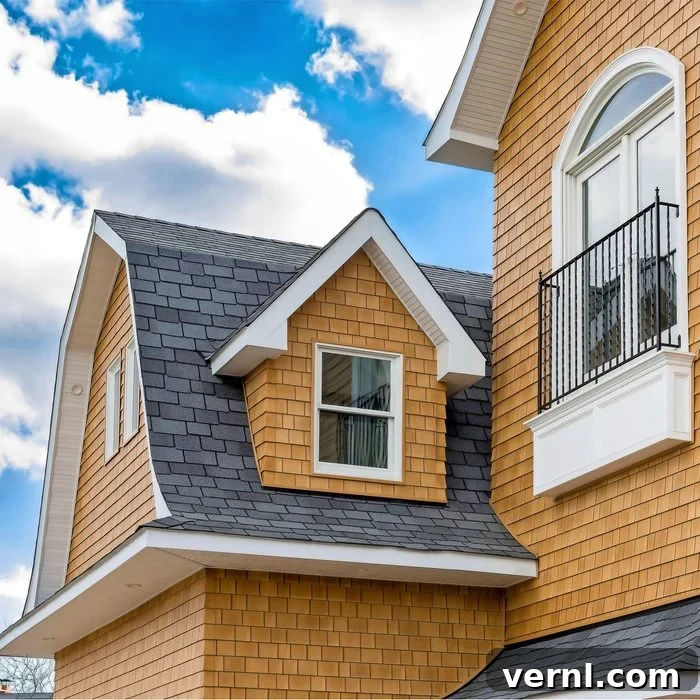
Vinyl siding unequivocally stands as the most popular and budget-friendly exterior cladding option available on the market today. Far from being limited to the bland, flat plank designs that characterize many suburban developments, modern vinyl siding offers an impressive array of attractive options. Homeowners can now find sophisticated textures and profiles that convincingly mimic other materials, such as the charming vinyl beach house shakes depicted in the image above. While these specialized vinyl styles might carry a slightly higher price tag than basic planks, they remain significantly more affordable than their real wood counterparts.
Beyond its initial cost-effectiveness, vinyl siding is celebrated for its exceptionally low maintenance demands. Unlike wood, it never requires painting, scraping, or staining, making upkeep a breeze. A simple wash with soap and water is usually sufficient to restore its pristine look. Installation of vinyl siding is typically straightforward and cost-efficient, further contributing to its overall affordability. When installed correctly by experienced professionals, vinyl provides excellent protection against various weather conditions, including rain, wind, and even light impact. Moreover, properly installed vinyl siding allows the building’s walls to “breathe,” preventing moisture buildup and significantly reducing the risk of mold, mildew, and rot that can compromise a home’s structure.
However, vinyl siding does have its drawbacks. Its inherent nature often necessitates the use of visible installation components like J-channels around windows and doors, exterior trim, and other transition pieces. These elements, while functional, can sometimes detract from a home’s nuanced style and architectural aesthetics, particularly on homes with intricate designs or historical significance. Furthermore, while durable, vinyl can be susceptible to damage from extreme heat (e.g., from grills or reflective window glare) or severe impacts, and cheaper variants may fade over extended periods in direct sunlight.
Wood Siding: Timeless Beauty and Natural Appeal
For many homeowners, the allure of natural wood siding is undeniable. It offers a warmth, authenticity, and classic appeal that synthetic materials struggle to replicate. For those undertaking a true historical restoration or seeking to imbue their home with a distinctive, organic look, wood siding often proves to be the perfect option. Modern advancements in wood finishes and preservation techniques have significantly improved its longevity; today’s stains, paints, and sealers are far superior to those available even a decade ago, enabling wood siding to withstand the elements more effectively and last longer.
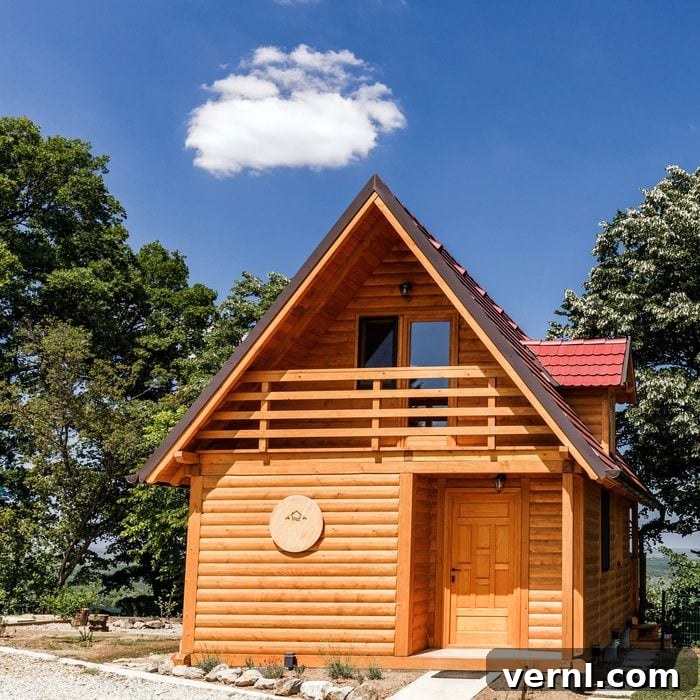
While the romantic notion of wood siding is strong, it’s crucial to acknowledge its higher maintenance requirements compared to manufactured sidings. It demands regular upkeep, including periodic cleaning, painting or staining, and diligent inspections for signs of rot, insect infestation, or moisture damage. However, when installed using the latest techniques and treated with high-performance finishes, the upkeep will be considerably less intensive than the laborious care required for the rustic cabins of yesteryear. The “D” log siding shown in the example provides a fantastic solution for achieving that quintessential log cabin aesthetic without incurring the substantial expense and complex construction of a full log home.
Wood siding comes in a variety of species, such as cedar, redwood, pine, and cypress, each offering unique grain patterns, durability, and resistance to decay. Homeowners should also explore different types of exterior wood siding styles, including clapboard, shingles, shakes, and board-and-batten, to find the perfect fit for their home’s architectural style. Despite the maintenance, wood remains a preferred choice for its natural insulation properties, ease of repair (individual damaged boards can often be replaced), and its sustainable profile when sourced from responsibly managed forests. It’s an investment in character and timeless elegance.
Engineered Wood Siding: The Best of Both Worlds
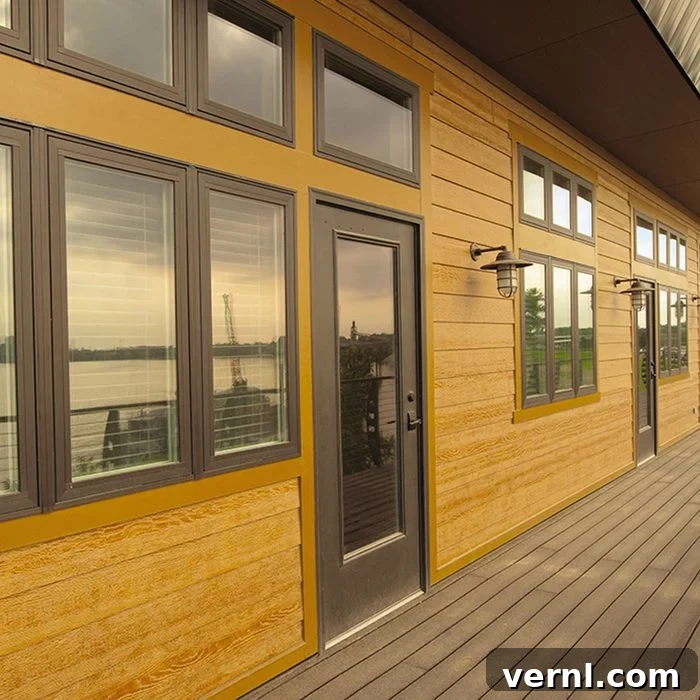
Engineered wood siding represents a smart blend of natural beauty and enhanced durability. Composed of a meticulously crafted combination of wood fibers, waxes, and exterior-grade resins, this innovative material first made its appearance in the 1960s and has since become a go-to choice for countless builders and homeowners. It offers the desirable aesthetic of real wood without many of its traditional drawbacks.
This product category has seen significant advancements in recent years, with manufacturers continually refining their formulations and production processes. The result is a highly durable and versatile siding option that boasts a long list of product varieties. These include expansive panel siding for quicker installation, classic sidewall shakes, traditional lap siding, practical soffit material, and robust exterior trim boards. This wide array ensures that engineered wood can accommodate nearly any architectural style or design vision. Most reputable manufacturers offer high-quality, factory-applied finishes in a vast spectrum of colors, providing consistent quality and reducing on-site painting time and costs. Installation processes are similar to those for natural wood siding, making it a familiar and manageable task for skilled contractors. Crucially, the cost per square foot for engineered wood siding is generally less than that of premium natural wood options, presenting an excellent value proposition.
The primary benefits of engineered wood siding include its impressive resistance to rot, pests, and moisture, thanks to its specialized composition and treatments. It’s also less prone to warping, cracking, and splitting than solid wood. While it still requires some maintenance, it’s significantly less intensive than natural wood, typically involving occasional cleaning and repainting every 10-15 years. For homeowners seeking the rich, authentic look of wood with superior performance and reduced upkeep, engineered wood siding offers a compelling and practical solution.
Fiber-Cement Siding: Unrivaled Durability and Versatility
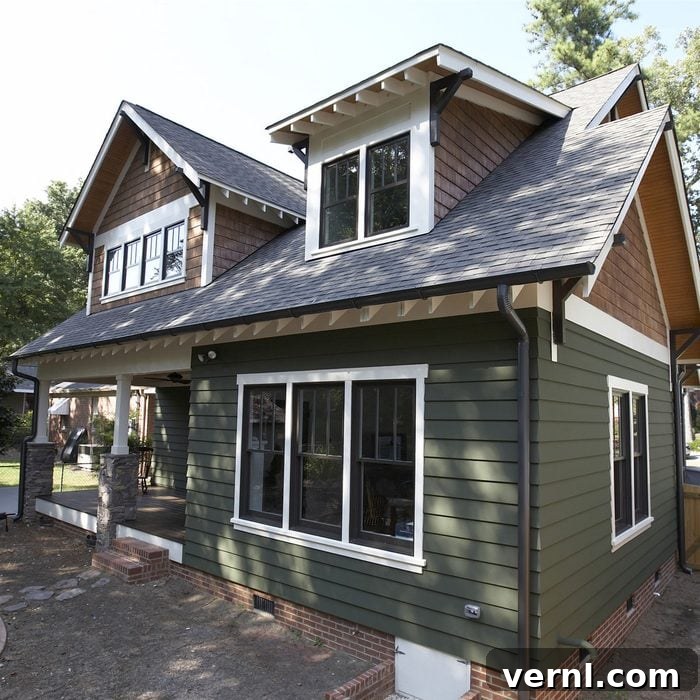
Fiber-cement siding is an extraordinary exterior cladding material crafted from a robust mixture of cement, sand, and cellulose fibers, meticulously cured using pressurized steam. This unique composition makes it an excellent option for those who admire the sophisticated look of wood but prefer to avoid the associated hassles and costs of natural wood maintenance. Its ability to convincingly mimic wood grain, shingles, or even stucco, combined with its inherent strength, has made it an increasingly popular choice.
This innovative material rapidly gained traction in the early 1990s, primarily due to its remarkable affordability and exceptional durability. While initial installation issues led to some legal challenges for large-scale builders during its nascent period, those woes have been largely addressed through improved manufacturing processes, refined installation guidelines, and more stringent quality control. Today, the quality and diversity of fiber-cement products are continuously increasing, offering homeowners an expanding range of styles, textures, and colors.
Installing fiber-cement siding demands more time, precision, and specialized attention than lighter materials like vinyl to ensure it meets warranty specifications and performs optimally. Its weight and brittle nature before installation require careful handling and specific cutting tools, which can translate to slightly higher labor costs. However, this investment in proper installation is undeniably worthwhile because the material itself is virtually impervious to a multitude of common exterior threats. Fiber-cement boasts superior resistance to fire, pests (including termites and carpenter ants), rot, and harsh weather conditions, including hail and strong winds. It holds paint exceptionally well, leading to long intervals between repainting, further reducing long-term maintenance. For homeowners seeking a high-performance, low-maintenance, and fire-resistant siding solution that offers the aesthetic flexibility to suit almost any architectural style, fiber-cement stands out as a top-tier choice.
Metal Siding: Modern Aesthetics and Enduring Strength
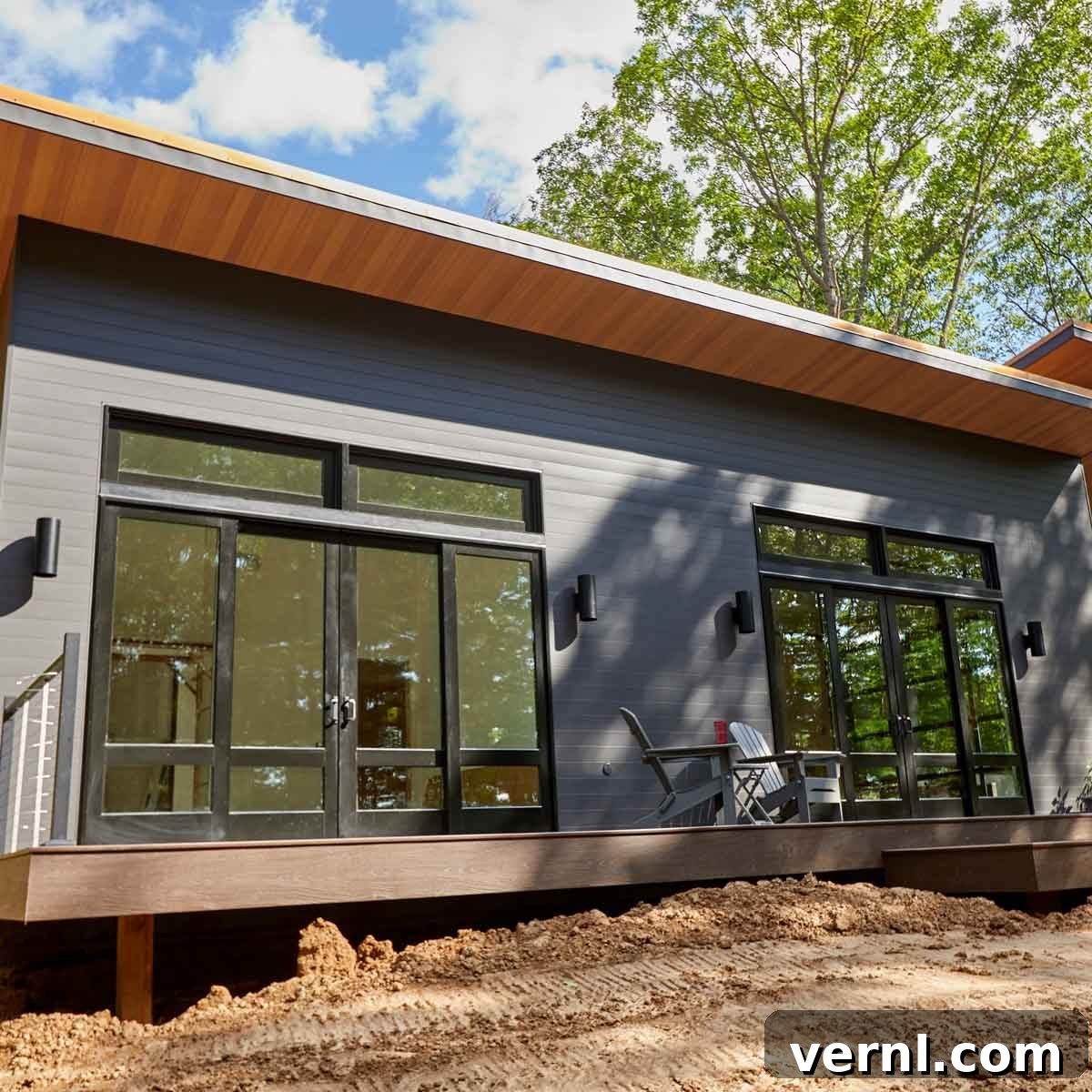
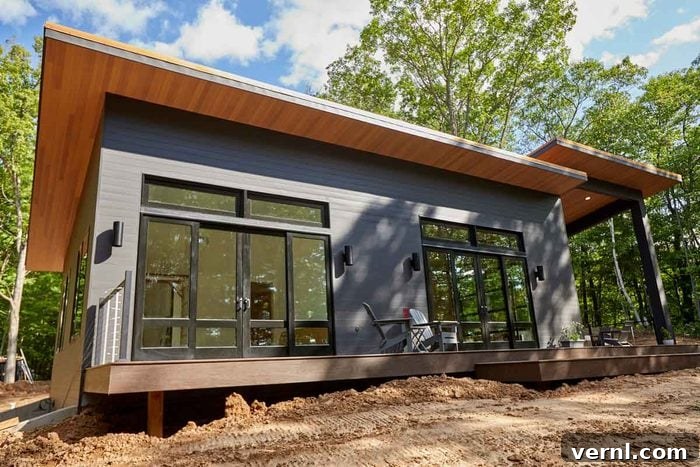
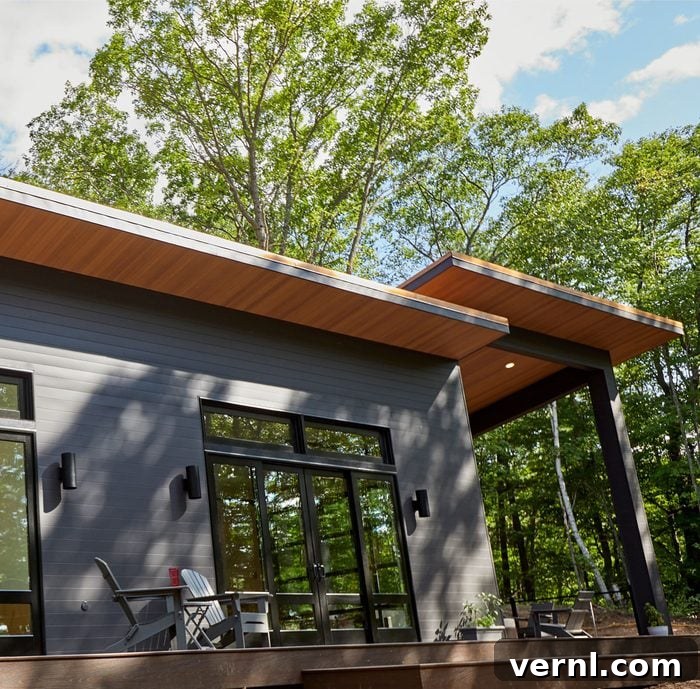
Metal siding, once predominantly found on commercial buildings, is steadily gaining popularity in residential construction, celebrated for its modern aesthetic, exceptional durability, and minimal maintenance requirements. For our recent Getaway project, we strategically opted for a Vesta Steel Plank System manufactured by Quality Edge. While steel siding is commonly seen in vertical corrugated panels, we were particularly drawn to the sophisticated look and design of this specific steel lap-siding product, which offers the versatility of being installed either vertically or horizontally.
This particular system appealed to us because it offers a modern steel adaptation of traditional wood shiplap, delivering a sense of permanence and robust quality that other products simply couldn’t match. The inherent strength of steel provides superior resistance to impact, fire, pests, and severe weather conditions, making it an incredibly resilient choice for any home, especially in challenging environments. While the initial material cost for high-quality metal siding can be higher than some alternatives, the installation process, similar to that of vinyl siding, progressed quickly. This efficiency in installation translated directly into significant savings on labor costs, effectively balancing the overall project budget.
Many of the components within systems like the Vesta Steel Plank feature similar profiles and install in a consistent manner, streamlining the construction process. For the specific wooded setting of our Getaway cabin, this choice of metal siding delivered precisely what we envisioned: a cutting-edge modern style fused with unparalleled durability and virtually no maintenance. Despite its contemporary materials, the finished house achieved an organic, harmonious look that perfectly complemented and integrated with the surrounding natural woods. Metal siding offers a striking balance of industrial strength and aesthetic flexibility, making it an ideal choice for homeowners seeking longevity, resilience, and a distinctly modern architectural statement.