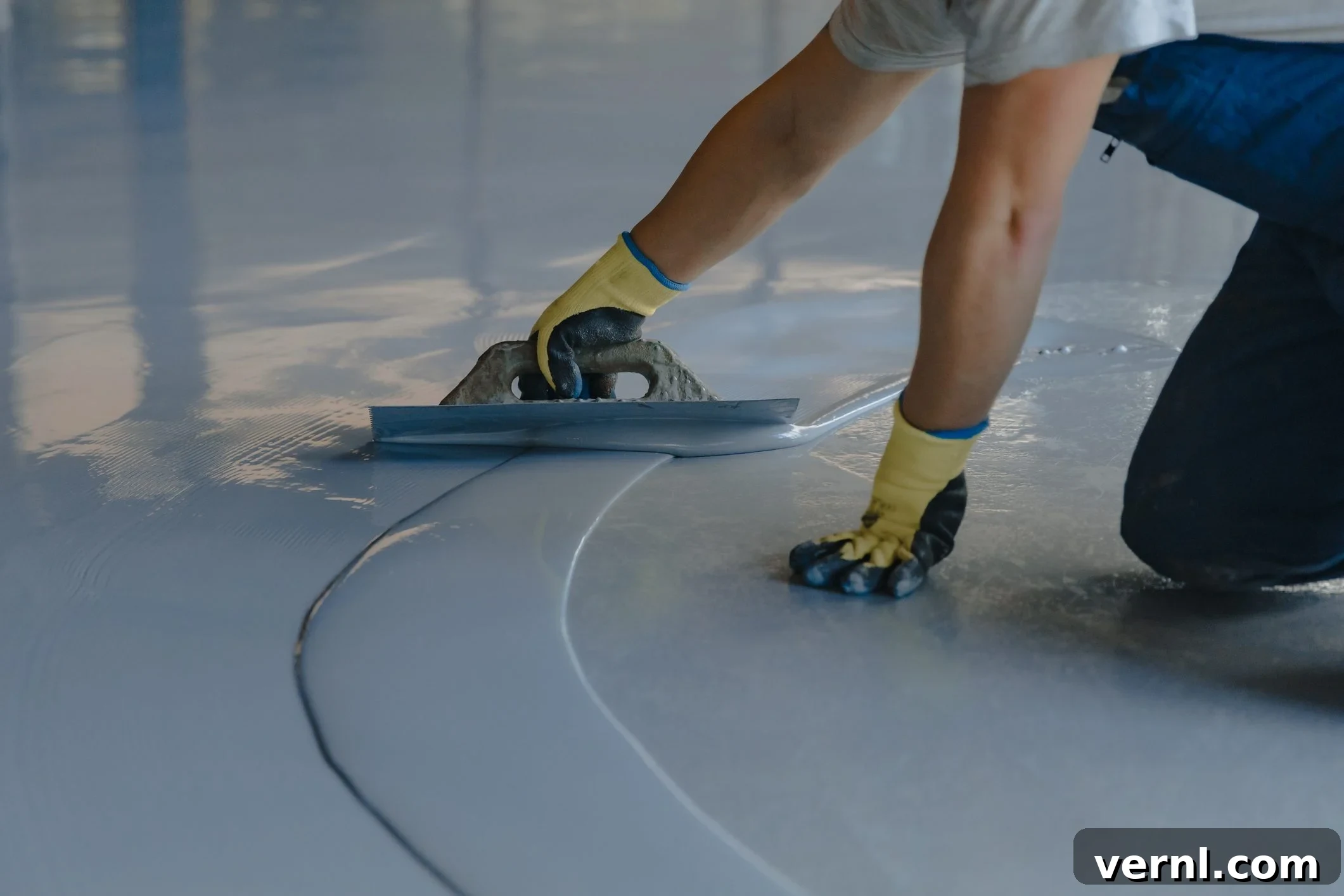
Imagine stepping into your garage and instead of a dull, stained concrete slab, you’re greeted by a gleaming, resilient surface that not only looks fantastic but also withstands the toughest demands. This isn’t just a dream; it’s the reality for countless homeowners who have embraced the transformative power of epoxy garage flooring. Having witnessed this incredible transformation firsthand at a friend’s house, I can attest to its appeal, moving replacing my old floor with an epoxy one right to the top of my home improvement list, especially since half my garage serves as a dedicated craft space and workshop. The desire for a heavy-duty, aesthetically pleasing floor in such a functional area is undeniable.
Epoxy garage flooring has rapidly soared in popularity, not just for its significant curb appeal but for its unparalleled combination of durability and low maintenance. But as with any premium home upgrade, a fundamental question emerges: how much does this highly sought-after solution actually cost? The answer, as you might expect, isn’t a simple fixed figure. It’s a nuanced calculation influenced by factors such as your geographical location, whether you opt for a professional installation or a DIY approach, the specific type of epoxy system chosen, and the size of your garage. Generally, for a standard single-car garage floor professionally installed, homeowners can expect to invest anywhere between $1,594 and $3,330, a range that offers a significant return in both functionality and property value.
What Exactly Is Epoxy Flooring?
Epoxy isn’t merely a paint; it’s a high-performance thermosetting polymer resin system. When expertly mixed with a hardener, a chemical reaction occurs, creating a rigid plastic material that is exceptionally robust and bonds tenaciously to the underlying concrete substrate. This creates a thick, protective coating – typically around two millimeters thick – far superior in strength and durability to standard concrete paints. Unlike paint, which simply dries, epoxy cures, forming a dense, cross-linked polymer structure that provides outstanding resistance to chemicals, abrasions, and impacts.
The installation of a proper epoxy floor system is a multi-step process that demands meticulous attention to detail to ensure optimal adhesion and longevity. It usually begins with thorough surface preparation, which might include cleaning, degreasing, repairing cracks, and critically, etching or diamond grinding the concrete to create a profile that allows the epoxy to bond mechanically. This is followed by the application of a primer, which further enhances adhesion and seals the concrete. Next comes the base coat of colored epoxy. Depending on the desired aesthetic and level of durability, decorative elements like colored flakes can be broadcast into this wet layer. Finally, one or more clear topcoats are applied. These topcoats not only seal in the flakes but also add an extra layer of protection against UV degradation, abrasion, and chemicals, often featuring anti-slip additives for enhanced safety.
Beyond its functional prowess, epoxy flooring offers immense versatility in design. Homeowners can choose from a vast array of solid colors, or opt for more intricate designs such as terrazzo epoxy, metallic finishes that mimic flowing liquids, or various mixtures with decorative flakes (vinyl chips) that create a textured, granite-like appearance. For areas where slip resistance is paramount, certain epoxy types incorporate aggregates like gravel or quartz sand, providing a textured surface that significantly reduces the risk of slips and falls, even when wet.
Unveiling the Pros and Cons of an Epoxy Floor
While the allure of an epoxy garage floor is undeniable, offering a significant upgrade to any home, it’s crucial for homeowners to weigh both its numerous advantages and potential drawbacks before making an investment. Understanding these facets ensures a decision that aligns with your expectations and practical needs.
Pros of Epoxy Garage Flooring:
- Exceptional Durability and Longevity: Epoxy creates an incredibly hard, impact-resistant surface that can withstand heavy traffic, dropped tools, and the weight of vehicles without chipping, cracking, or peeling. It’s also highly resistant to stains from oil, grease, gasoline, brake fluid, and other common garage chemicals, ensuring a long-lasting, pristine finish that often outlives the concrete itself.
- Low Maintenance and Easy Cleaning: The seamless, non-porous nature of an epoxy floor means it’s incredibly easy to clean. Spills can be wiped away effortlessly, and dirt, dust, and debris are easily swept or mopped, preventing them from penetrating the concrete below. This drastically reduces the time and effort typically associated with maintaining a garage floor.
- Enhanced Aesthetic Appeal and Customization: Epoxy flooring transforms a drab, utilitarian space into an extension of your home’s living area. With a vast palette of colors, metallic effects, decorative flakes, and even custom designs, you can personalize your garage to match your style or brand. This aesthetic upgrade significantly boosts curb appeal and overall property value.
- Superior Protection for Concrete: By creating an impenetrable barrier, epoxy shields the underlying concrete from moisture penetration, chemicals, road salts, and abrasions. This protection prevents the concrete from degrading, spalling, or cracking, thereby extending the life of your garage slab.
- Improved Safety and Visibility: The reflective properties of epoxy coatings significantly brighten the garage space, improving visibility and making it a safer environment for work or recreation. Furthermore, specific anti-slip additives, such as silica sand or aluminum oxide, can be incorporated into the topcoat to provide excellent traction, especially in wet conditions, thereby mitigating the risk of slips and falls.
- Affordability Compared to Alternatives: While initial costs can vary, epoxy flooring offers an excellent balance of affordability and performance when compared to other high-performance, durable garage flooring options like tiling or polished concrete over the long term, especially considering its impressive lifespan and low maintenance.
- Increased Property Value: As Mike Sublett, a respected garage floor coating specialist, aptly states, “A garage floor coating will add twice its cost to the value of the home.” This highlights epoxy flooring as a smart investment that not only enhances your daily living but also significantly boosts your property’s market value.
Cons of Epoxy Garage Flooring:
- Slippery When Wet (Without Additives): A plain, smooth epoxy finish can become quite slick when wet, posing a safety hazard. This necessitates the inclusion of specialized anti-slip aggregates in the topcoat, which is a crucial consideration during planning.
- Complex and Meticulous Application Process: While DIY kits exist, achieving a professional, long-lasting finish requires precise surface preparation, accurate mixing ratios, specific temperature and humidity conditions, and swift application. Any misstep can lead to adhesion issues, bubbles, or an uneven finish, requiring costly re-application.
- Strong Odors During Application and Curing: The chemicals used in epoxy formulations can emit strong fumes during the mixing and curing process. Proper ventilation is absolutely essential, and some individuals may find the odor unpleasant or irritating, necessitating temporary evacuation of the space.
- Potential for Moisture-Related Issues: Epoxy is a non-breathable coating. If the concrete slab has significant moisture vapor transmission from beneath (common in slabs without a proper vapor barrier), the epoxy can delaminate, bubble, or peel over time. A professional moisture test of the concrete is indispensable before application to avoid these costly problems, and specialized vapor barrier primers may be required.
- Sensitivity to UV Light: Some types of epoxy, particularly standard aromatic epoxies, can yellow or chalk over time when exposed to direct sunlight. For garages with significant sun exposure, it’s crucial to specify a UV-resistant aliphatic urethane topcoat to maintain color stability and aesthetic appeal.
- Repair Challenges: While extremely durable, if an epoxy floor does get severely damaged (e.g., from a heavy impact or chemical spill), repairing a small section seamlessly can be challenging. Often, repairs might be visible or require re-coating a larger area to maintain a uniform appearance.
How Much Does It Cost To Epoxy a Garage Floor?
The cost of installing an epoxy garage floor is one of the most significant factors homeowners consider, and it’s influenced by a confluence of variables. These include the size of your garage, the current condition of the concrete slab, the type of epoxy system you select (e.g., 100% solids, water-based, flake system, metallic), the complexity of the desired finish, and, crucially, whether you undertake the project yourself or hire a seasoned professional. Understanding these cost drivers will help you budget effectively for this valuable home improvement.
DIY Epoxy Floor Installation Costs
For individuals with a penchant for hands-on projects and a meticulous approach, installing an epoxy floor yourself can be a rewarding endeavor that significantly reduces overall expenditure by eliminating labor costs. However, it’s important to recognize that “DIY” doesn’t necessarily mean “cheap” or “easy”; it still requires a considerable investment in time, effort, and materials.
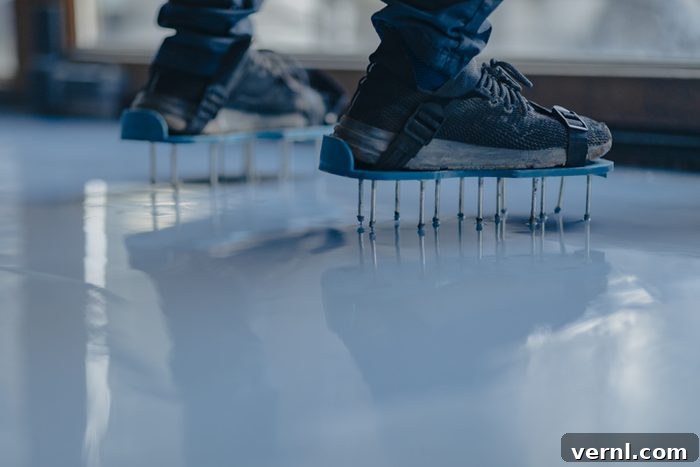
The materials alone for a DIY epoxy floor installation typically range from $2 to $5 per square foot. This cost encompasses essential items such as concrete cleaners, degreasers, etching solutions, crack fillers, a primer coat, the epoxy base coat, decorative flakes (if desired), and a protective topcoat. Beyond the epoxy kits themselves, you’ll also need to factor in the cost of application tools like rollers, brushes, squeegees, mixing buckets, safety gear (gloves, respirators), and potentially specialized items like spiked shoes for walking on wet epoxy. Mike Sublett emphasizes that while water-based or solvent-based epoxy kits are often marketed towards DIYers, achieving a long-lasting, professional-grade finish demands a high degree of precision and patience. Any shortcuts in surface preparation or application can lead to premature failure and additional costs down the line.
Here’s a typical price range for epoxy coating materials by garage size, *excluding* labor costs, assuming standard square footage for each:
- One-car garage (approx. 240-280 sq ft): $480 to $1,400
- Two-car garage (approx. 400-500 sq ft): $800 to $2,500
- Three-car garage (approx. 600-750 sq ft): $1,200 to $3,750
- Four-car garage (approx. 800-1000 sq ft): $1,600 to $5,000
It’s vital to remember that these figures represent material costs only. The value of your time, the learning curve, and the potential for errors should also be factored into your DIY cost analysis.
Professional Garage Floor Epoxy Cost
For many homeowners, the investment in a professional epoxy garage floor installation is well worth the peace of mind, superior quality, and guaranteed longevity. Professional services typically include high-quality, commercial-grade epoxy products that are often not available to the general public, along with expert surface preparation using industrial diamond grinders, and skilled application techniques that ensure a flawless, durable finish.
Generally, professional epoxy floor installation costs range between $3 and $12 per square foot, and this price typically includes all materials, labor, and often a warranty. The final price within this range can fluctuate significantly based on several key factors:
- Garage Size and Layout: Larger garages or those with irregular shapes might incur slightly higher per-square-foot costs due to increased material usage and more complex application.
- Local Labor Rates: Labor costs vary significantly by region and the demand for skilled installers.
- Type of Epoxy System: Basic water-based epoxy systems are generally less expensive, while 100% solids epoxy, metallic epoxies, or full-flake systems (which involve broadcasting decorative chips over the entire surface) will command higher prices due to material cost and increased labor complexity.
- Extent of Surface Preparation: If your existing concrete floor requires extensive repairs, grinding to remove old coatings, or significant crack patching, these additional preparation steps will add to the overall labor and material cost.
- Number of Coats and Topcoats: A standard system usually involves a primer, base coat, and clear topcoat. More elaborate systems might include multiple base coats or specialized UV-resistant topcoats, increasing both material and labor.
Here’s a typical price range for a professional epoxy floor coating by garage size, *including* all materials and labor:
- One-car garage (approx. 240-280 sq ft): $720 to $3,360
- Two-car garage (approx. 400-500 sq ft): $1,200 to $6,000
- Three-car garage (approx. 600-750 sq ft): $1,800 to $9,000
- Four-car garage (approx. 800-1000 sq ft): $2,400 to $12,000
It’s important to request detailed quotes from several reputable contractors to get an accurate estimate for your specific project, ensuring transparency regarding what is included in the price.
Epoxy Garage Floor Cost: DIY vs. Hiring a Professional
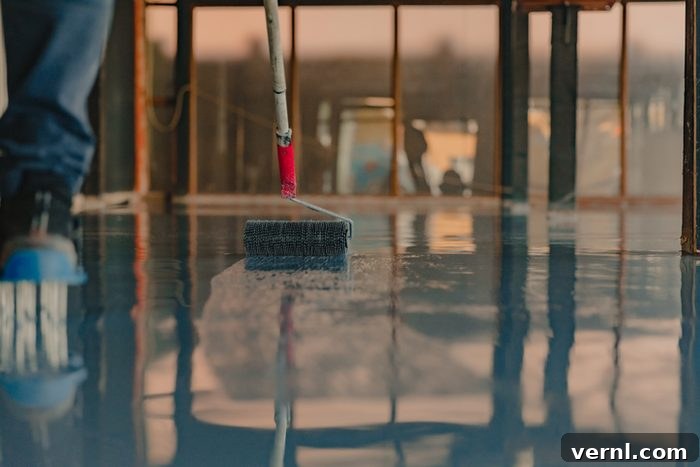
The decision between a DIY epoxy floor installation and hiring a professional often boils down to balancing cost savings against quality, longevity, and convenience. While consumer-grade DIY kits are readily available, typically ranging from $50 to $600 depending on the garage size and kit quality, the process is far from a simple paint job. It demands meticulous attention to detail, significant physical effort, and a solid understanding of concrete preparation and epoxy application techniques.
When you choose the DIY route, you’re not just purchasing an epoxy kit; you’re also investing your own time, effort, and potentially purchasing or renting tools such as concrete grinders, patching compounds, industrial cleaners, degreasers, and specialized application equipment. While this approach can save on labor costs, it comes with a steep learning curve and the risk of common pitfalls like poor adhesion, bubbling, uneven coats, or inconsistent finishes if proper procedures are not followed. A failed DIY project can often cost more in the long run to fix than the initial professional installation would have.
In contrast, hiring a professional epoxy flooring contractor offers several distinct advantages. Professionals bring a wealth of experience, specialized equipment (like diamond grinders for optimal surface profiling), and access to high-quality, 100% solids epoxy systems that are more durable and resistant than most consumer-grade products. They are adept at handling intricate surface preparation, assessing moisture issues, repairing cracks, and applying the epoxy with precision to ensure a uniform, long-lasting, and aesthetically pleasing finish. Furthermore, professional installations often come with warranties, providing peace of mind and protection against future issues. If you lack the necessary tools, equipment, skills, or simply prefer to ensure a flawless and durable outcome without the personal investment of time and effort, the professional route is almost always the superior choice, delivering exceptional value for your investment.
How to Save Money on Your Epoxy Garage Floor Cost
While an epoxy garage floor is an investment, there are several strategic ways to manage and potentially reduce your overall costs without compromising too much on quality or durability. By being proactive and informed, you can achieve a stunning epoxy floor that fits within your budget.
- Obtain Multiple, Detailed Estimates: This is perhaps the most crucial step. Don’t settle for the first quote you receive. Contact at least three reputable epoxy flooring companies in your area and request comprehensive, itemized estimates. Different contractors may use varying product lines, have different overheads, or offer distinct service packages. By comparing multiple bids, you can gain leverage for negotiation and ensure you’re getting a fair market price for the scope of work.
- Time Your Project Strategically: Consider scheduling your epoxy installation during the off-peak season for contractors. Depending on your region, this might be during the colder months when outdoor construction projects are limited, or specific times of the year when demand for garage flooring is lower. Contractors might be more willing to offer discounts or more flexible pricing to keep their crews busy during these slower periods.
- Negotiate for a Better Deal: Once you have multiple quotes, don’t hesitate to negotiate. If you have a preferred contractor whose bid is slightly higher, present them with a competitive offer from another company. Some companies have flexibility in their pricing, especially if it means securing a project. You might be able to negotiate on the overall price, payment terms, or even ask for minor upgrades to be included at no additional cost. Discounts of up to 10-20% are sometimes achievable.
- Handle Some Preparation Tasks Yourself (If Capable): While extensive surface preparation like diamond grinding is best left to professionals, you might be able to save on labor costs by performing some of the preliminary tasks. This could include thoroughly clearing out and cleaning the garage, degreasing minor oil spots, or even undertaking minor crack repairs if you are confident in your DIY skills and have researched the correct methods. Always discuss with your contractor first to ensure your prep work meets their standards and doesn’t jeopardize the warranty.
- Bundle Services or Projects: If you’re undertaking a larger home renovation or considering other garage improvements, such as installing new cabinets, insulation, or building a garage addition, inquire about package deals. Contractors or general renovators might offer a discount on the epoxy flooring if it’s part of a larger project, allowing them to optimize their crew’s time and resources.
- Opt for Simpler Designs and Systems: While metallic epoxies and full-flake systems are stunning, they often come with a higher price tag due to more expensive materials and complex application. If budget is a primary concern, consider a solid color epoxy or a more subtle flake system. These options still provide exceptional durability and aesthetic appeal at a lower cost.
- Prioritize Long-Term Value: Sometimes, the cheapest option upfront isn’t the most cost-effective in the long run. Investing in a higher quality, professionally installed epoxy system that comes with a warranty can prevent costly repairs or re-applications later, ultimately saving you money over the lifespan of your floor.
By thoughtfully applying these cost-saving strategies, you can enjoy the myriad benefits of a beautiful, durable epoxy garage floor without breaking your budget, transforming your garage into a truly functional and appealing space.