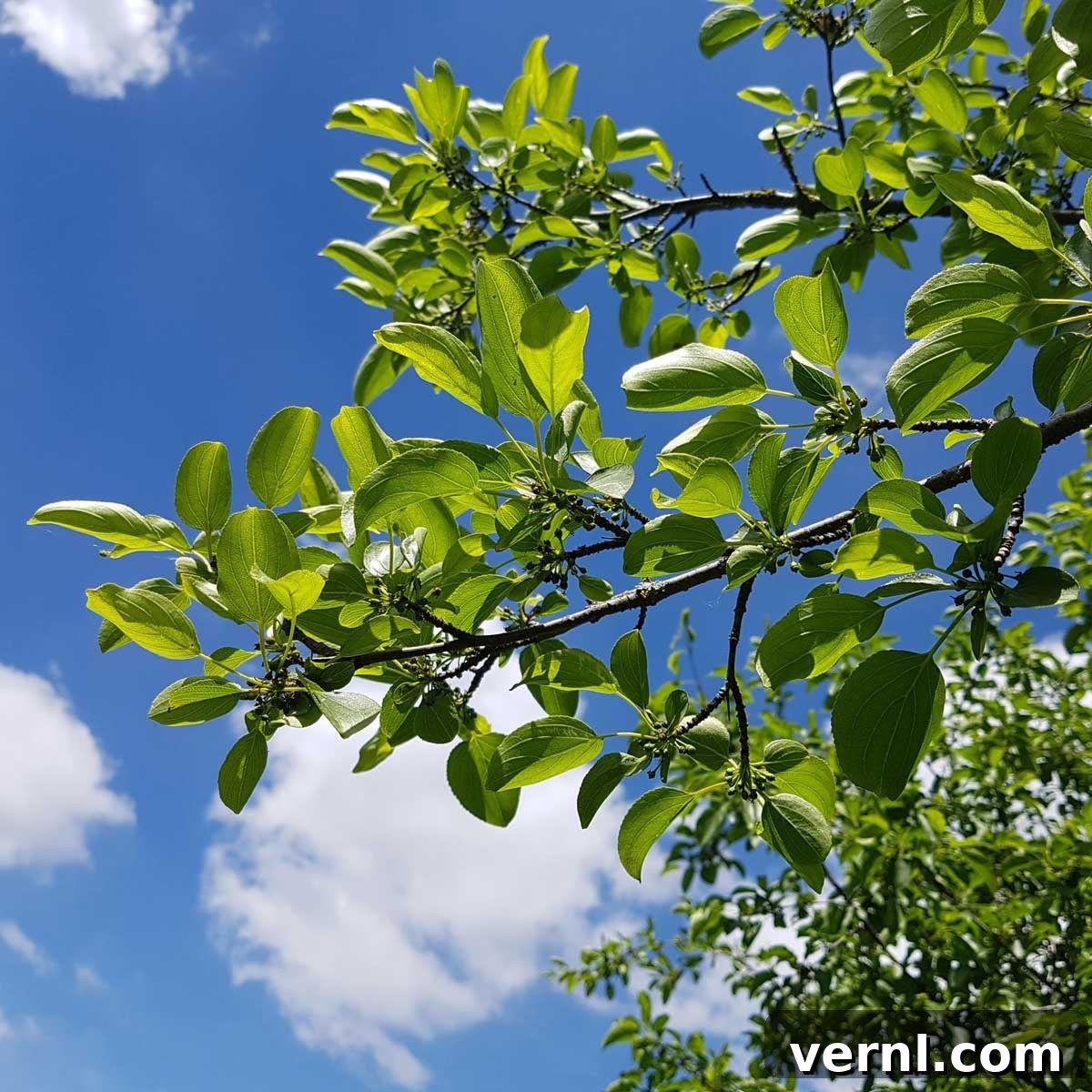
Eliminating Buckthorn: Your Ultimate Guide to Removal and Control
Tackling buckthorn is a persistent challenge, but winning the battle is achievable with the right knowledge and methods. This aggressive invader threatens the delicate balance of ecosystems across the U.S. and Canada, particularly impacting wetlands and upland areas. This comprehensive guide will equip you with the information and strategies necessary to identify, control, and ultimately eliminate buckthorn from your property. This requires patience and a strategic approach, but the rewards—a healthier, more vibrant landscape—are well worth the effort.
Understanding Buckthorn: Identification is Key
The first step in controlling buckthorn is accurate identification. Recognizing this invasive plant early is crucial for effective management. Knowing what buckthorn looks like will help you identify it quickly and act accordingly.
The most common variety, often referred to as common buckthorn, displays several distinctive characteristics:
- Leaves: Glossy green leaves with prominent veins are a key identifier.
- Trunk: Young buckthorn has a smooth, gray bark.
- Branches: Look for a small thorn at the end of the branches.
- Flowering and Berries: Buckthorn flowers in the spring and produces berries that ripen in late summer to early fall. The berries are a significant source of the plant’s spread.
A helpful tip: Buckthorn often leafs out earlier than other plants in the spring and retains its leaves longer into the fall, making it easier to spot during these seasons.
Why Buckthorn is So Difficult to Eradicate
Buckthorn’s tenacious nature stems from several factors that contribute to its widespread proliferation and make it challenging to eliminate. Understanding these challenges is essential for developing effective control strategies.
- Prolific Seed Production: Buckthorn berries are readily dispersed by birds, who consume the berries and spread the seeds far and wide, often miles away from the parent plant. When the berries drop to the ground, the seeds they contain can sprout, leading to dense thickets.
- Seed Dormancy: Buckthorn seeds can survive in the soil for years, meaning that even after removing existing plants, you may face new growth from dormant seeds.
- Dense Root System: Buckthorn’s root system is often extensive and can be difficult to remove completely, especially in established plants. Any remaining root fragments can resprout, making complete eradication challenging.
Can You Pull Buckthorn Out? Methods for Manual Removal
Manual removal, or pulling buckthorn, can be a viable control method, particularly for smaller plants. The effectiveness of pulling depends on the size of the buckthorn and the moisture of the soil.
The Minnesota Department of Natural Resources offers the following guidelines:
- Plants up to 3/8-inch diameter: These can typically be pulled by hand with relative ease. Make sure the soil is moist to facilitate easier removal.
- Plants greater than 3/8-inch diameter: For larger plants, a specialized tool is recommended. Tools like the Root Talon can be highly effective at removing both the plant and its root system.
When pulling, be mindful of disturbing the soil as little as possible to minimize the chance of triggering the germination of any dormant buckthorn seeds. Regular monitoring and removing any new plants promptly will help maintain control.
Using Herbicides to Control Buckthorn
Herbicide application can be an effective way to control buckthorn, especially for larger or well-established plants. However, it’s essential to use herbicides responsibly and in accordance with all safety guidelines.
- Young Plants (Spring Application): For young buckthorn plants, spray the leaves with a herbicide containing at least 20 percent glyphosate. Follow the manufacturer’s instructions carefully.
- Established Plants (Fall Application): For more established buckthorn, cut the plant at the stump. Immediately treat the stump with a herbicide containing at least 20 percent glyphosate to prevent regrowth.
Always use herbicides with extreme caution. Glyphosate is a broad-spectrum herbicide and can kill any plant it comes into contact with. Always follow the product label instructions precisely and wear appropriate protective gear, including gloves, eye protection, and any other recommended equipment.
Non-Chemical Alternatives: Removing Buckthorn Without Herbicides
If you prefer to avoid using chemicals, there are alternative methods for buckthorn removal. One innovative and chemical-free method involves depriving the stump of sunlight.
The “Buckthorn Baggie” Method: Cut the buckthorn down to a stump six inches or shorter. Then, cover the stump with an opaque covering, such as a tin can or a black plastic bag, to block sunlight. This method can take a year or two for the stump to die, but it avoids the use of herbicides. The Buckthorn Baggie method was created by a concerned Minnesotan looking for an alternative to chemical control.
Disposing of Removed Buckthorn: Preventing Spread
Proper disposal of removed buckthorn is crucial to prevent its further spread. Buckthorn is classified as a noxious weed, so handling the removed plants requires care.
Best Practices:
- On-Site Decomposition: Ideally, allow the buckthorn to decompose naturally on your property.
- Avoid Transport: Transporting buckthorn can inadvertently spread seeds.
- Check Local Regulations: Check with your local municipality to see if they accept noxious weeds for composting.
By following these guidelines for disposal, you can effectively manage the removed buckthorn and prevent it from becoming a source of new infestations.