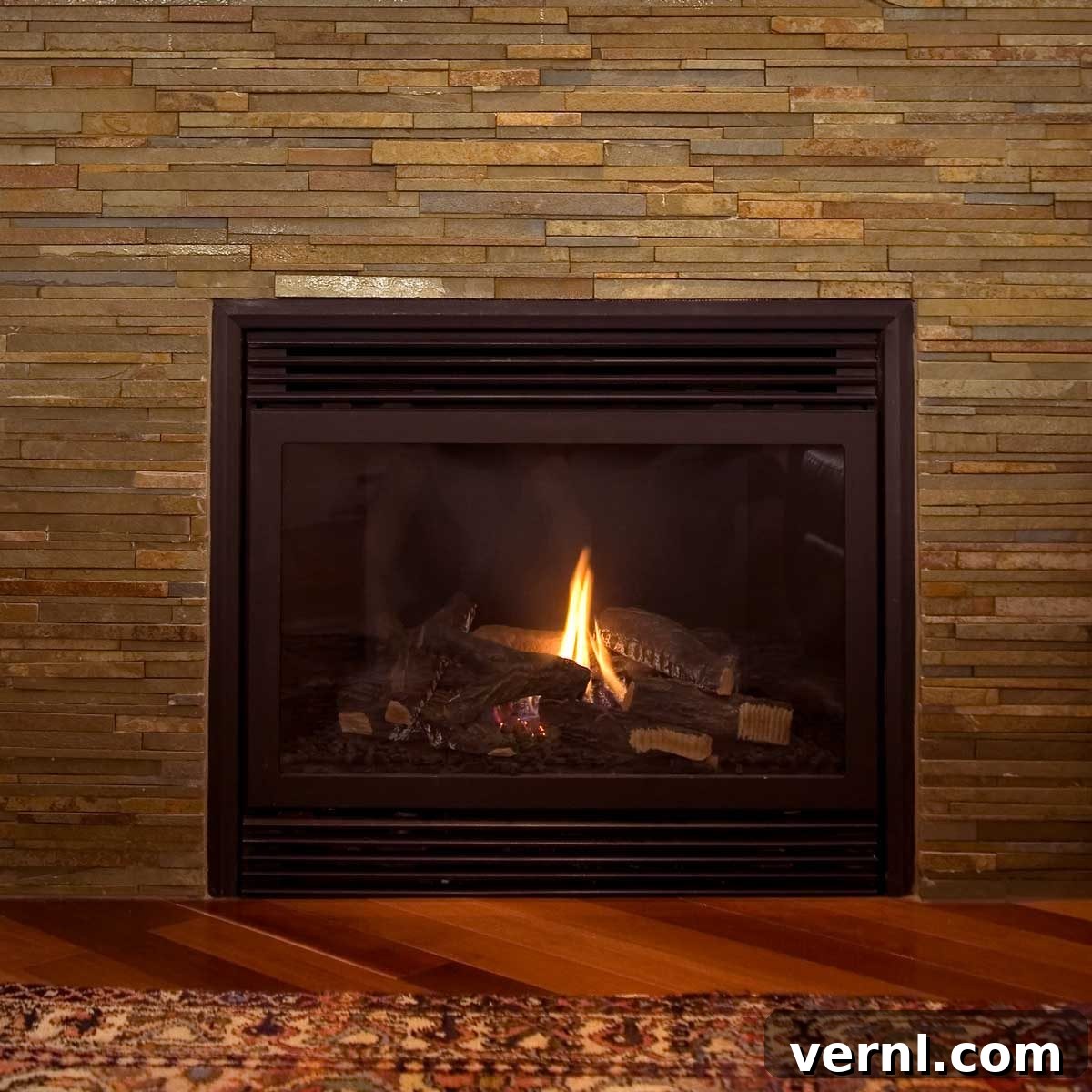
Gas fireplaces have revolutionized the way homeowners experience the cozy warmth and inviting glow of a fire, offering all the aesthetic appeal of natural flames without the common hassles associated with traditional wood-burning units. Gone are the days of laboriously storing wood, dealing with messy splinters, or the constant chore of cleaning out ashes. The surging popularity of gas fireplaces in recent years is a testament to a growing desire for unparalleled convenience, superior cleanliness, and enhanced energy efficiency in modern homes. This shift is further encouraged by various programs designed to promote the exchange of older, less efficient wood-burning stoves for advanced, eco-friendly gas models. For instance, organizations like HPBA.org actively support initiatives such as Woodstove Changeout programs, highlighting the significant benefits of upgrading to cleaner, more sustainable heating solutions.
The fundamental characteristics that define gas fireplaces lie in two primary areas: their method of venting combustion gases and their distinct physical structure. Understanding the venting mechanism is often the first and most critical step in selecting the right gas fireplace, as this choice is frequently dictated by your home’s unique architectural layout, the presence of existing chimney infrastructure, or strict local building regulations and codes. Each venting type offers specific advantages and limitations, influencing where and how a gas fireplace can be installed and operated efficiently.
Choosing Your Ideal Gas Fireplace: A Comprehensive Guide to Types and Styles
Selecting the perfect gas fireplace for your home involves considering various factors, from how it handles combustion gases to its aesthetic contribution to your living space. This guide delves into the main types of gas fireplaces, offering insights into their functionality, installation requirements, and design versatility.
Natural Vent (B-Vent) Gas Fireplaces: The Traditional Aesthetic
Natural-vent gas fireplaces, commonly referred to as B-vent fireplaces, are designed to emulate the classic operation of traditional wood-burning units. These fireplaces draw essential combustion air directly from the interior of your home to fuel their flames, then safely expel the combustion gases upwards through a dedicated chimney system. This operational similarity makes them an excellent and often straightforward choice for homeowners looking to convert an existing, unused wood-burning fireplace into a more convenient gas-powered feature. The design compatibility means they can often utilize the pre-existing chimney flue, minimizing extensive renovation work.
Beyond conversions, natural-vent models are also a popular option for standalone wood-stove-style units, where a metal chimney can be integrated to maintain a charmingly rustic aesthetic. These fireplaces connect to a B-vent flue, which is typically a double-wall metal pipe designed specifically for natural gas or propane combustion by-products. While they do rely on your home’s indoor air for combustion, newer models often feature improved designs to minimize heat loss compared to older wood-burning fireplaces. They offer a warm, radiant heat and the captivating flicker of open flames, providing a cozy atmosphere. From an aesthetic perspective, natural-vent fireplaces are incredibly versatile. They can seamlessly embody classical elegance, such as the sophisticated Keystone Deluxe model from Empire, which brings a timeless charm to any room. Alternatively, they can be customized to achieve a sleek, more modern look, exemplified by the adaptable B46 Ascent model from Napoleon, allowing them to complement a wide range of interior designs.
Direct Vent Gas Fireplaces: Modern Efficiency and Flexible Placement
Direct-vent gas fireplaces represent a leap forward in gas fireplace technology, offering enhanced efficiency and unparalleled flexibility in installation. Unlike natural-vent fireplaces, direct-vent units operate as a sealed combustion system. This means they utilize a unique coaxial (pipe-within-a-pipe) or dual-pipe venting system that draws all necessary combustion air from outside the home and simultaneously expels all combustion gases directly back outside through the same single exterior opening. This innovative design ensures that no indoor air is consumed for the fire, making them incredibly efficient and safe.
The distinct advantage of direct-vent technology is its venting versatility. These fireplaces can be vented horizontally through an exterior wall or vertically through the roof, providing significantly more placement options compared to natural-vent models that require an existing chimney. This flexibility makes them an ideal choice for new construction projects, room additions, or any living space that currently lacks an existing fireplace opening or chimney. Because the combustion chamber is completely sealed off from the room, direct-vent fireplaces typically feature a robust, sealed glass front. While this sealed barrier efficiently prevents heat transfer through convection, many direct-vent models are equipped with an integrated blower. This blower actively circulates hot air generated by the fireplace into the room, maximizing heat distribution and ensuring your living space remains comfortably warm. The aesthetic appeal of direct-vent fireplaces is also noteworthy; their clean lines and contemporary designs often make the glass front appear as a deliberate design feature rather than a functional limitation. For instance, the Tahoe model from Empire Direct beautifully illustrates how a sealed glass front can enhance a modern interior.
Ventless Gas Fireplaces: The Easiest Installation (with Crucial Considerations)
All flames, regardless of fuel source, produce by-products, including various gases. Ventless gas fireplaces are engineered to burn natural gas or propane with extraordinary cleanliness, reducing any potentially dangerous remnants to such remarkably low levels that an external vent or chimney is deemed unnecessary. This cutting-edge combustion technology makes them by far the simplest type of gas fireplace to install, eliminating the need for complex venting systems and significantly reducing installation costs and labor. Another key benefit of ventless units is their exceptional energy efficiency. Because no air is drawn from or expelled outside the home, all the heat generated by the fireplace remains within your living space, meaning you aren’t paying to heat air that is then released to the outdoors. This makes them a highly efficient supplementary heating source.
However, the convenience and efficiency of ventless fireplaces come with critical safety and regulatory considerations that prospective buyers absolutely must address. Before even considering the purchase of a ventless fireplace, it is imperative to thoroughly research and confirm your local building regulations and codes. This step cannot be overstated and should never be skipped. Ventless fireplaces are not permitted in all areas, states, or municipalities due to concerns about indoor air quality and potential oxygen depletion. Furthermore, even in areas where they are allowed, there may be strict regulations regarding the minimum size of the room in which they can be installed. These restrictions are in place to ensure that any minimal combustion gases or moisture released can dissipate harmlessly within a sufficiently large, open space, preventing the buildup of carbon monoxide or the reduction of oxygen levels to an unsafe degree. Most modern ventless units are equipped with an Oxygen Depletion Sensor (ODS) that automatically shuts off the unit if oxygen levels drop below a safe threshold, but local codes remain paramount.
Ventless standalone units are particularly popular among renters and individuals seeking portable heating solutions, as they favor easily-moved propane burners. A prime example is the convenient stand-alone model from Pleasant Hearth, which offers flexibility without permanent installation. These units provide warmth and ambiance without the need for structural modifications, making them a versatile choice for various living situations.
Once you’ve determined the appropriate and permissible type of venting system for your home and lifestyle, the next exciting step is to decide on the specific look and style you envision for your new gas fireplace. The form factor of your gas fireplace plays a significant role in defining the aesthetic and functional heart of your room.
Gas Fireplace Inserts: Revitalizing Existing Spaces
Gas fireplace inserts offer an elegant and practical solution for homeowners who possess an existing wood-burning fireplace opening but no longer wish to endure the mess and effort of burning wood. These self-contained units are meticulously designed to slide directly into a pre-existing masonry or wood-framed fireplace opening, effectively transforming an outdated or unused firebox into a highly efficient and convenient gas fireplace. Available in an extensive range of styles, finishes, and price points, inserts cater to diverse aesthetic preferences and budget considerations. They are an ideal choice for homeowners looking to upgrade their home’s heating efficiency and aesthetic appeal without sacrificing valuable floor space. Inserts provide the warm glow of a fire with the simple flip of a switch or the touch of a remote control, making them a popular modern upgrade.
The versatility of gas fireplace inserts is impressive, with options ranging from high-end, feature-rich models that incorporate advanced controls and sophisticated designs, potentially costing several thousands of dollars, to more budget-friendly units that still deliver excellent performance and a beautiful flame display. A great entry-level option, for example, is this efficient 36-inch model from Pleasant Hearth, which offers substantial heat output and an attractive appearance at an accessible price point. Installation typically involves connecting the insert to a gas line and, for vented models, ensuring proper liner installation within the existing chimney flue. This seamless integration allows inserts to provide the best of both worlds: modern convenience within a classic fireplace framework.
Standalone Gas Fireplaces: Focal Points of Design
In contrast to inserts, standalone gas fireplaces are not designed to be recessed or inserted into a wall. Instead, they are conceived as self-contained units that stand proudly on their own feet or a decorative platform. Their design emphasizes an all-encompassing decorative surround, intended to be admired and enjoyed from multiple angles within a room. These units serve as prominent focal points, drawing attention with their distinctive designs and inviting flames. Standalone fireplaces offer significant design flexibility, allowing them to complement traditional, rustic, or ultra-modern interiors.
Standalone units can be either vented (natural or direct) or ventless, each choice impacting placement. A vented standalone unit, naturally, will require careful placement against an exterior wall or beneath a soffit to facilitate access for its venting system. This ensures safe operation and proper expulsion of combustion gases. Ventless standalone models, however, offer greater freedom in placement since they do not require any external venting, although they are still subject to the aforementioned room size and local regulatory requirements. Standalone fireplaces come in an array of captivating styles, from those masterfully mimicking the classic charm of a wood-burning stove, complete with intricate detailing and robust construction, to elegant mantel-wrapped units that resemble built-in fireplaces without the extensive installation. A compelling example of the latter is the sophisticated ventless model from Duluth Forge, which offers both aesthetic beauty and powerful heating capabilities.
See-Through Gas Fireplaces: Dramatic Architectural Statements
A see-through gas fireplace, often referred to as a “two-sided” or “double-sided” fireplace, is a truly striking architectural feature designed to create a visual connection between two distinct living spaces. This innovative design allows the captivating flame to be visible from more than one side, making it a dramatic centerpiece when installed within a partition wall or as a room divider. Effectively, it functions much like an insert, but with the added feature of a glass front and a glass rear, allowing you to gaze directly through the dancing flames into the adjacent room. This creates an open, expansive feel and enhances the ambiance across multiple areas simultaneously.
Given the complexities of running a vent line through an interior wall, most see-through fireplaces are designed as ventless units, simplifying installation and maximizing design freedom. However, for those seeking the specific benefits of vented combustion, direct-vent see-through models are indeed available, though often at a higher price point and with more involved installation. The Montigo 38-inch see-through unit is an example of a direct-vent model, which means prospective buyers will need to factor in the additional cost and complexity of vent installation on top of the purchase price of the unit itself. A fascinating variation on the see-through gas fireplace is the “peninsula” unit. These models are typically installed at the end of a wall or a partial room divider and feature glass facing on three sides, offering an even more expansive and immersive view of the fire. Peninsula units make an incredibly dramatic statement, becoming an instant focal point. However, their unique and complex design often makes them a better choice for new construction projects, where their integration can be planned from the ground up, as retrofitting them into existing structures can prove challenging and may necessitate extensive renovation work.
Fireplace Log Sets: Authentic Flames, Effortless Charm
For those who cherish the quintessential charm and authentic appearance of a traditional wood-burning fireplace but desire the unmatched convenience of gas, artificial fireplace log sets offer the perfect solution. These carefully crafted log sets are designed to be nestled within an existing masonry firebox, transforming it into a clean-burning, gas-powered hearth. With a steady supply of natural gas or propane, realistic flames dance gracefully along and around the artificial logs, mimicking the mesmerizing flicker and warm glow of a real wood fire without any of the associated mess or effort. The level of realism in modern log sets is truly remarkable, with many featuring hand-painted details and intricate textures that replicate various wood species.
Most log sets are also adjustable, allowing homeowners to customize the layout and arrangement of the logs to achieve a personalized and natural look. This adjustability also facilitates relatively easy cleaning, ensuring that any minimal soot buildup can be addressed with ease. Primarily intended for installation inside existing fireplaces, log sets almost universally operate as natural vent systems, utilizing the home’s pre-existing chimney to safely expel combustion gases. Before installation, it is crucial to ensure that your existing fireplace and chimney are clean, structurally sound, and fully functional. Once the gas line is properly hooked up by a qualified professional, you’ll be able to enjoy the beautiful ambiance of your fire in virtually no time, experiencing instant warmth and charm. An additional, significant benefit of gas log sets is their affordability. Since you’re not investing in the elaborate body of a standalone unit or the intricate surround of an insert, the purchase price is often considerably lower, making them an excellent entry point into the world of gas fireplaces. A great example of an accessible yet high-quality option is this reliable log set from Pleasant Hearth, offering substantial heat output and realistic aesthetics.
Outdoor Fireplaces: Extending Comfort to Your Exterior Spaces
No comprehensive discussion of gas fireplaces would be complete without acknowledging the ever-growing popularity and versatility of outdoor gas fireplaces. These captivating additions have become a favored choice for homeowners seeking to extend their living and entertaining spaces outdoors, particularly for gathering with friends and family on crisp evenings. An outdoor gas fireplace or a stylish backyard fire pit instantly elevates any exterior setting, bringing not only abundant light and comforting heat but also an undeniable focal point to evening celebrations, backyard barbecues, or quiet stargazing sessions. They create an inviting atmosphere that encourages relaxation and conviviality under the open sky.
The design of outdoor gas fireplaces is remarkably diverse. Many models incorporate cleverly designed artificial wood logs to meticulously mimic the rustic and natural appearance of traditional wood-burning fire pits, providing all the visual appeal without the smoke, ash, or effort. Other outdoor units embrace their modern nature, featuring elegant flames that dance gracefully over contemporary media such as polished glass beads, smooth river rocks, or sophisticated marble, offering a sleek and refined aesthetic. While some robust outdoor fireplaces are designed to be connected to a natural gas line, providing an endless fuel supply, the most popular and versatile units tend to use propane. Propane-powered fire pits offer portability and ease of use, making them highly desirable for various outdoor settings. You’ll frequently notice that many of these designs are perfectly sized and cleverly constructed to discreetly hide a standard propane container within their base, maintaining a clean and uncluttered appearance. A prime example of such a functional and stylish outdoor heating solution is the impressive 60,000 BTU 42-inch fire pit table from Bali, which combines robust heat output with a practical tabletop surface.
Everything You Need to Know About Gas Fireplaces
Beyond choosing the right type, understanding the practical aspects of gas fireplace ownership is key to maximizing enjoyment and ensuring longevity. Explore these essential resources covering everything from safe operation to proper maintenance and installation techniques:
- Indoor Gas Fireplace Safety for Beginners
- What to Know About Gas Fireplace Servicing and Maintenance
- How to Install a Gas Fireplace
- How to Light a Gas Fireplace
- How to Clean a Gas Fireplace
- Guide to Gas Fireplace Inserts
- Best Gas Fireplace Inserts for Homeowners
- Noisy Gas Fireplace Blower? Here’s How to Replace It