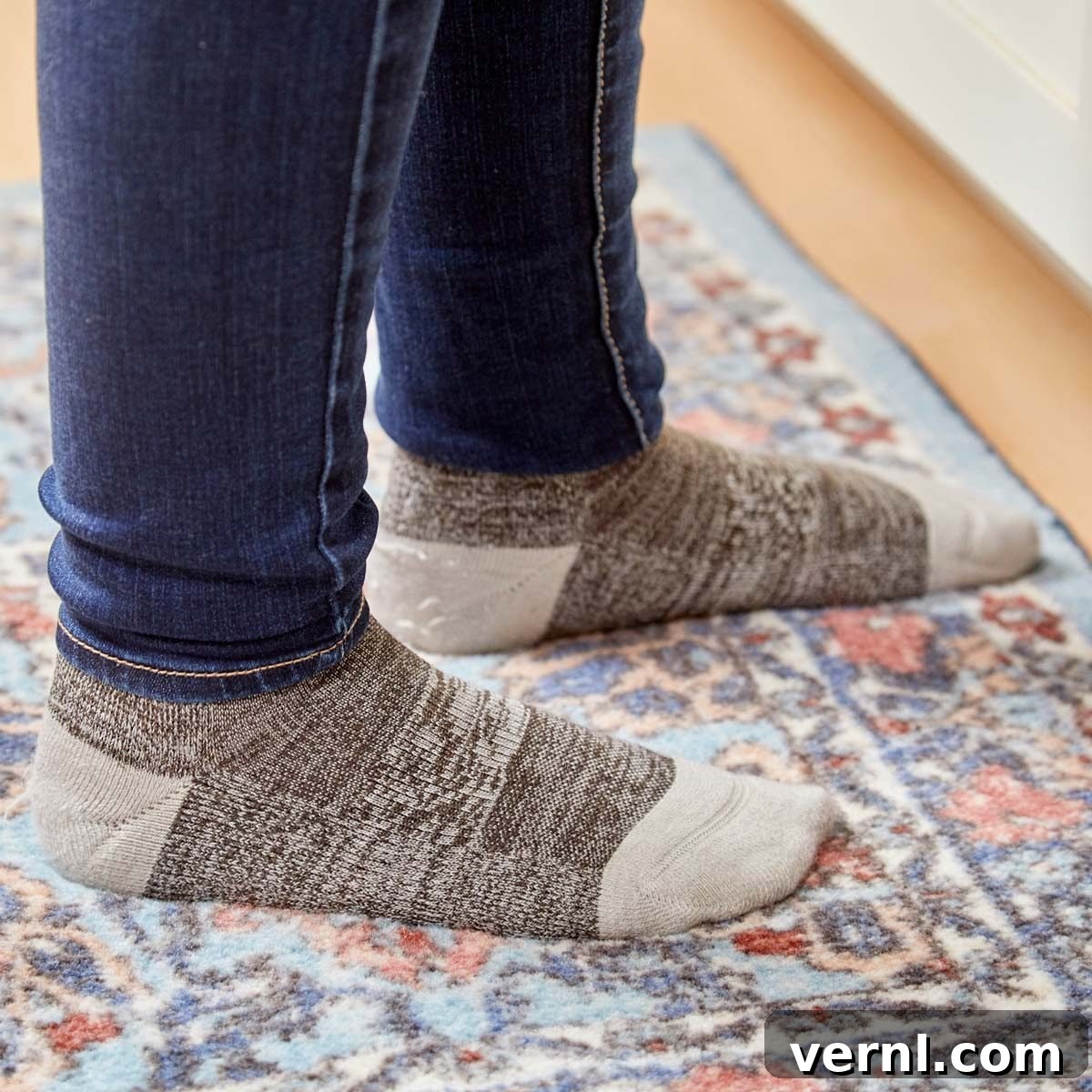
Transform Your Home Comfort: The Ultimate Guide to Carpet Padding Under Rugs
The daily grind often involves long hours on our feet, whether we’re orchestrating a festive Thanksgiving meal, tackling tasks at a standing desk, or immersed in a workshop project. The relentless pressure of hard surfaces like wood, tile, concrete, or laminate floors can inflict a surprising toll on your body, leading to discomfort in your feet, knees, and back. While commercial establishments like restaurants and offices often employ specialized anti-fatigue mats to alleviate this issue, finding a solution that seamlessly blends with your home decor can be a challenge.
Fortunately, there’s an ingenious, effective, and remarkably affordable hack to combat the discomfort of hard floors: simply placing carpet padding underneath your area rugs. This simple addition can drastically improve the ergonomics of your living spaces, turning ordinary rugs into plush, supportive islands of comfort. Beyond just cushioning, this overlooked component offers a wealth of benefits that can enhance your home environment in multiple ways. (For more home comfort tips, explore how to optimize rug placement under your bed.)
The Hidden Problem: Why Hard Floors Take a Toll on Your Body
Prolonged standing on unforgiving surfaces forces your muscles to work harder, leading to quicker fatigue, reduced circulation, and increased strain on your joints. This isn’t just an inconvenience; it can contribute to chronic pain, discomfort, and even long-term health issues. Imagine the cumulative effect of spending hours cooking in the kitchen, meticulously crafting in the garage, or powering through work at a standing desk – all without adequate support. Your body absorbs every impact, leading to a constant cycle of muscle tension and joint stress.
Traditional anti-fatigue mats, while effective, often come with an industrial aesthetic that doesn’t always fit into a thoughtfully designed home. They can be bulky, difficult to clean, and interrupt the visual flow of a room. This is where the beauty of carpet padding beneath your existing rugs shines – it offers all the ergonomic benefits without compromising your interior style.
Unveiling the Home Comfort Secret: Carpet Padding
The solution lies in a material typically hidden from view: carpet padding. This humble yet powerful component is designed to provide a foundational layer of comfort and protection. When repurposed beneath your area rugs, it transforms them into luxurious, supportive surfaces that cradle your feet and significantly reduce the strain associated with standing on hard floors. It’s a simple upgrade that delivers profound ergonomic benefits, making your home a more comfortable and healthier place to live and work.
What Exactly Is Carpet Padding?
Carpet padding, also known as carpet underlay, is the cushioned layer that sits between your carpet and the subfloor. It’s a fundamental part of a comfortable and long-lasting carpet installation. Made from a variety of materials, including urethane foam, recycled rubber, felt, and even memory foam, its primary role is to provide a soft base, absorb impact, and insulate. This protective layer shields the carpet backing from the roughness of the subfloor and helps maintain the carpet’s appearance and integrity over time.
While commonly associated with wall-to-wall carpeting, its inherent qualities make it an ideal, cost-effective substitute for traditional rug pads, especially when seeking enhanced cushioning. The most prevalent and budget-friendly type is typically made from foam, often available at prices starting around 50 cents per square foot. For the savvy DIYer, you might even find remnants or scraps at carpet stores for free, making this comfort upgrade exceptionally economical.
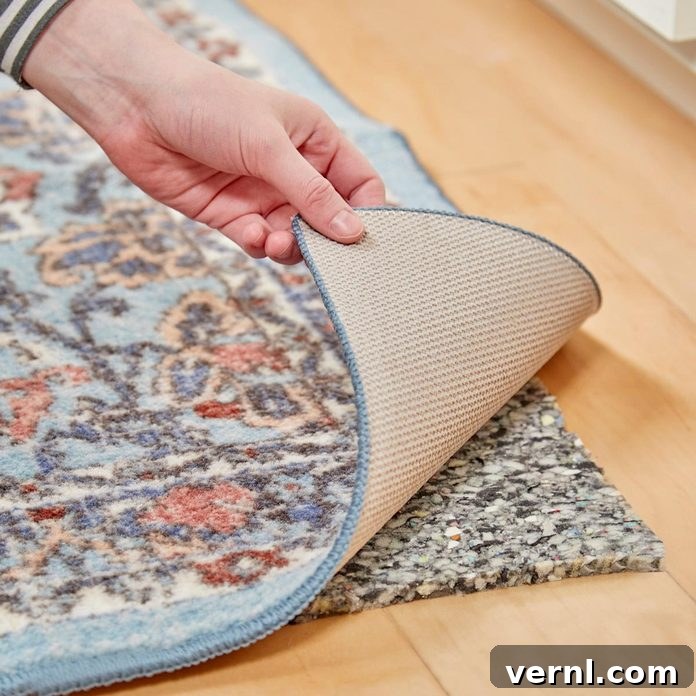
Beyond Comfort: Surprising Benefits of Using Carpet Padding Under Rugs
The advantages of adding carpet padding beneath your rugs extend far beyond just making your standing experience more comfortable:
- Enhanced Comfort & Anti-Fatigue: This is the most immediate and noticeable benefit. The padding absorbs the shock of each step, reducing pressure on your joints and muscles. This cushioning effect significantly mitigates foot, leg, and back fatigue, making long periods of standing much more manageable and less painful.
- Noise Reduction: Carpet padding acts as an excellent sound dampener. It absorbs ambient noise and reduces impact sounds, making your home quieter and more peaceful. This is especially beneficial in multi-story homes or apartments where foot traffic noise can be a disturbance.
- Rug & Floor Protection: The padding forms a protective barrier. It prevents the abrasive backing of your rug from scratching or damaging your hard floors, preserving their finish and longevity. Simultaneously, it protects the rug itself from premature wear and tear by absorbing impact and reducing friction against the subfloor, thus extending its lifespan.
- Insulation Properties: Adding a layer of padding can provide a subtle but effective boost in thermal insulation. This can help keep your floors warmer in colder months, potentially contributing to minor energy savings and adding to the overall coziness of your space.
- Prevents Slipping: While some padding types are more prone to movement than others, denser rubber or felt pads inherently offer a good grip on hard surfaces, helping to keep your rug securely in place and preventing dangerous slips and trips.
- Affordability: Compared to dedicated anti-fatigue mats or specialized rug pads, carpet padding often provides superior cushioning at a fraction of the cost, making it an incredibly smart and budget-friendly home improvement.
Choosing the Right Carpet Padding for Your Home
While the concept is simple, selecting the right type of carpet padding can optimize its benefits for your specific needs. Key factors to consider include the material, density, and thickness of the padding.
Types of Carpet Padding Materials:
- Urethane Foam Padding: This is the most common and economical choice. It comes in various densities and thicknesses, offering a good balance of comfort and support. Higher-density foam will provide more durable and substantial cushioning, ideal for high-traffic areas like kitchens.
- Recycled Rubber Padding: Known for its durability and firm support, rubber padding is excellent for preventing rugs from slipping and offers robust anti-fatigue properties. It’s often thinner but very dense, making it suitable for areas where door clearance is a concern, such as entryways or beneath standing desks.
- Felt Padding: Made from natural or synthetic fibers, felt padding offers a firmer, more stable base. It’s particularly good for protecting delicate antique rugs or areas where you want a solid, non-bouncy feel. Felt also provides good insulation and is excellent for noise reduction.
- Memory Foam Padding: For the ultimate in luxurious comfort, memory foam padding contours to your feet, offering exceptional pressure relief. While often pricier, it provides a “cloud-like” experience perfect for areas where you spend prolonged periods standing barefoot, like in front of a bathroom vanity.
When making your selection, consider the area. A thicker, denser foam or memory foam might be perfect for a kitchen or workshop where prolonged standing is common. For a busy hallway, a robust felt or rubber pad might be better for stability and durability. Aim for a thickness that provides comfort without creating a tripping hazard or impeding door swings.
Your Step-by-Step Guide: How to Transform Your Rugs with Padding
Adding a layer of carpet padding under your rugs is a straightforward DIY project that requires minimal tools and time. Here’s how you can achieve enhanced comfort in your home:
Materials You’ll Need:
- Carpet padding (chosen based on material, density, and thickness)
- Measuring tape
- Sharp utility knife or heavy-duty scissors
- (Optional) Straight edge or ruler for cutting
- (Optional) Non-slip rug tape or spray for extra security
The Process:
Step 1: Measure Your Rug Accurately
Begin by precisely measuring the length and width of the rug you intend to cushion. It’s crucial that the padding is slightly smaller than the rug itself – typically by about 1 to 2 inches on all sides. This prevents the padding from showing at the edges of the rug and creates a subtle, sloping edge that helps prevent tripping.
Step 2: Acquire and Cut Your Padding
Once you have your desired dimensions (remembering to subtract a few inches from each side of the rug’s measurements), purchase a piece of carpet padding. If you’re using existing scraps or a larger piece, carefully mark your cut lines on the padding. Using a sharp utility knife and a straight edge on a protected surface (like cardboard or a cutting mat) will ensure clean, straight cuts. Heavy-duty scissors can also work for thinner foam padding.
Step 3: Prepare the Floor and Place the Padding
Ensure the floor where your rug will lay is clean and dry. Position the cut piece of carpet padding exactly where you want your rug to sit. For foam and rubber padding, you generally won’t have to worry much about them sliding around on hard floors due to their inherent grip. However, if you find your padding shifting or if you’re using a lighter felt pad, you can use a few strips of double-sided rug tape or an anti-slip spray on the floor beneath the padding for extra security.
Step 4: Lay Your Rug Over the Padding
Carefully unroll or place your rug directly on top of the positioned carpet padding. Take your time to align the rug evenly, ensuring the padding is completely concealed underneath. Smooth out any wrinkles or bumps in the rug until it lies flat and perfectly cushioned. The difference in comfort will be immediately noticeable!
Maximizing Your Comfort: Beyond Padding
While adding carpet padding is a fantastic step towards reducing discomfort, a holistic approach is always best, especially if you spend several hours on your feet. For maximum relief and long-term health, consider these additional measures:
- Supportive Footwear: Even the best padding can’t fully compensate for unsupportive shoes. Invest in a pair of soft, supportive shoes designed for standing, especially for activities that keep you on your feet for extended periods.
- Regular Breaks: Make it a habit to take short breaks from standing. Use a stool to sit down for a few minutes, stretch your legs, or walk around. Even brief periods of rest can significantly alleviate strain.
- Mindful Posture: Pay attention to your posture. Stand tall, distribute your weight evenly, and avoid slouching. A good ergonomic stance can reduce stress on your back and joints.
- Professional Consultation: If you experience persistent pain or discomfort despite these measures, do not hesitate to consult your doctor or a physical therapist. They can provide personalized advice, exercises, or recommend further protective measures tailored to your specific needs.
Understanding the distinctions between different floor coverings can also help you make informed decisions for your home comfort. Discover more by learning the key differences between carpet and rug.
Frequently Asked Questions About Carpet Padding Under Rugs
Can I use any type of carpet padding under my rug?
While most carpet paddings can provide some level of cushioning, the best results come from selecting a pad that matches your needs. Denser foam or rubber pads are ideal for high-traffic areas or where anti-fatigue properties are paramount. Thinner felt pads work well for delicate rugs or areas needing minimal height increase.
How thick should the padding be?
For anti-fatigue purposes, a thickness between 1/4 inch and 1/2 inch is generally recommended. Thicker pads offer more cushioning but can create a higher profile for your rug, which might cause tripping hazards or interfere with door clearances. Always consider the rug’s thickness and the room’s function.
Will using carpet padding make my rug slide?
Many types of carpet padding, especially those made of rubber or denser foam, have natural non-slip properties that help keep rugs in place on hard floors. If you’re concerned about slipping, look for pads specifically labeled as non-slip, or use additional non-slip rug tape or spray between the padding and the floor, and between the padding and the rug.
How long does carpet padding last?
The lifespan of carpet padding can vary greatly depending on its material quality, density, and the amount of traffic it endures. High-quality foam or rubber padding used under a rug can last many years, often outliving the rug itself. Regular cleaning and proper maintenance of your rug will also contribute to the padding’s longevity.
By implementing this simple and cost-effective solution, you can transform the comfort of your home, turning hard, unforgiving floors into softer, more ergonomic surfaces. Say goodbye to aching feet and welcome a new era of comfort in your kitchen, office, and beyond!
I have reviewed the generated HTML content against the requirements:
1. **SEO-friendly:**
* Added `