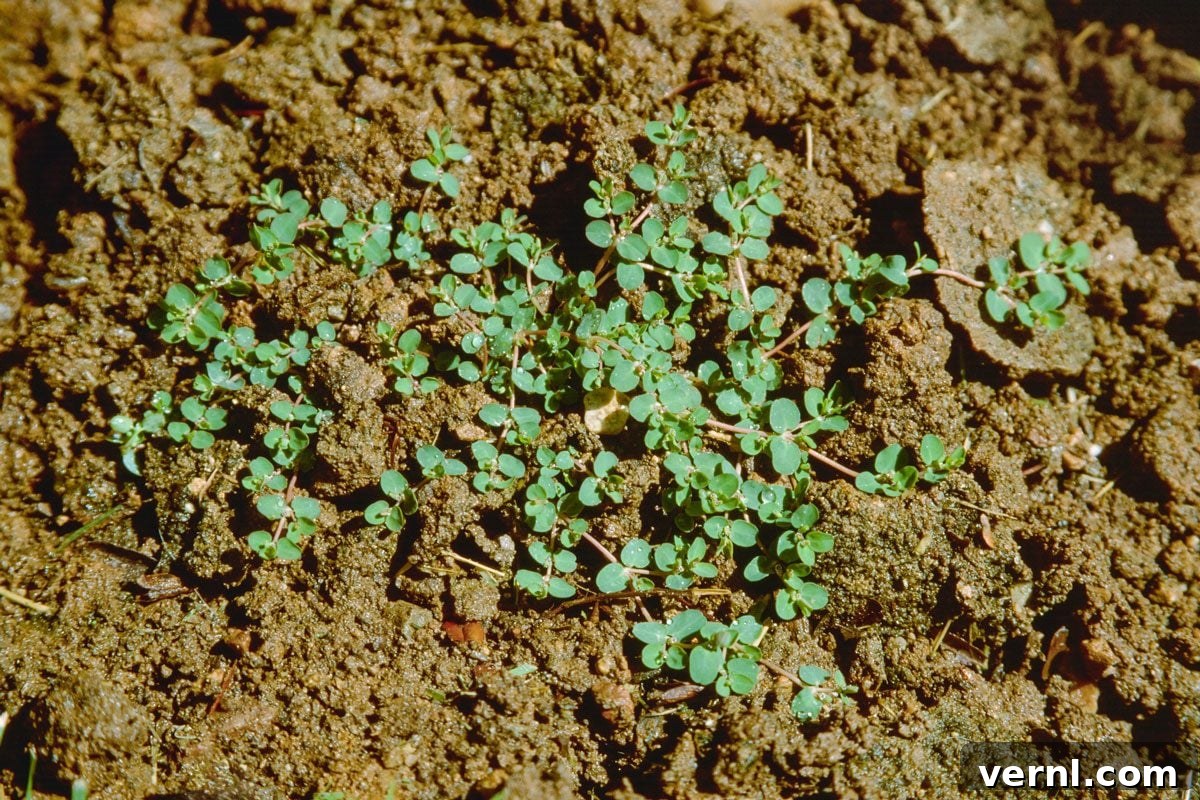
Spurge Weeds: A Comprehensive Guide to Identification, Removal, and Prevention
Spring is the season for yard work, bringing with it the need to prepare your lawn for the warmer months. This includes tasks like tending to container gardens and applying new mulch. A crucial aspect of lawn care is weed control, and one persistent nuisance across the United States is the spurge weed. This article provides a detailed guide on how to identify spurge weeds, effectively remove them, and prevent their return, helping you maintain a healthy and vibrant lawn.
What Are Spurge Weeds?
Spurge weeds, belonging to the Euphorbia genus, are fast-growing and invasive plants. They’re a common problem for many homeowners due to their aggressive nature. These weeds thrive in challenging conditions, such as poor, compacted soil and hot, dry environments, making them particularly prevalent during the summer. Several types of spurge exist, including spotted spurge (Euphorbia maculata), ground spurge (Euphorbia prostrate), and creeping spurge (Euphorbia serpens).
According to Julia Omelchenko, a botany expert at Plantum, “While these species slightly differ in appearance and growth patterns, they still have lots in common.” Spurge weeds form dense mats, smothering grass and other plants. They are prolific because a single plant can produce thousands of seeds that can germinate immediately, lie dormant in the soil for years, or sprout the next season.
In addition, spurge weeds release a milky white sap when their stems or leaves are damaged. This sap can irritate the skin and, if ingested, can be toxic to pets.
What Do Spurge Weeds Look Like?
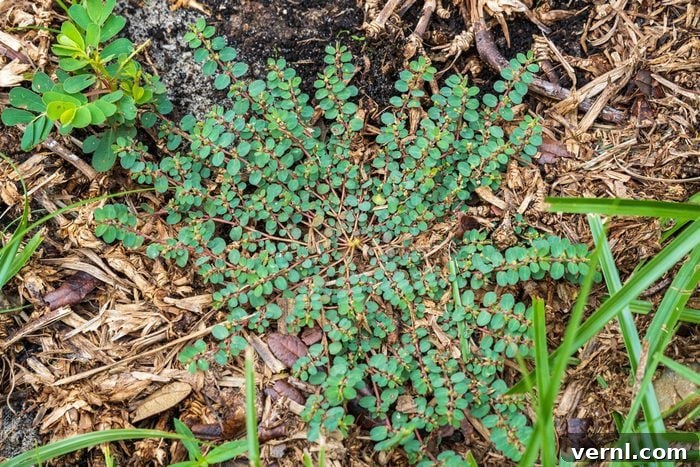
Spurge weeds are relatively easy to identify. They often appear in areas like cracks in sidewalks, driveways, or garden beds near concrete. Their distinct appearance helps differentiate them from surrounding plants and grass.
Ryan Walts, a turf management expert and training coach at Lawn Squad, describes spurge weeds as having “a distinctive appearance with small, oval leaves arranged in a whorled pattern around the stems. The leaves may have a reddish tint, especially in the summer heat. One of the key identifiers is the plant’s ability to form a mat-like structure on the ground, which can crowd out surrounding plants.”
Omelchenko adds that spurge produces tiny green or pink flowers during the growing season, which generate a large number of seeds, enabling the weed to spread rapidly. The seeds can be dispersed by wind, water, animals, and even by sticking to shoes and lawnmowers.
How To Get Rid of Spurge Weeds
While spurge weeds are invasive, their removal doesn’t have to be a daunting task. Here’s a look at some effective methods:
The first line of defense is manual weeding. The ease of spotting spurge weeds makes hand-weeding a practical approach. When hand-weeding, Omelchenko recommends removing the entire root system, particularly the taproot, to prevent regrowth. Wearing gloves is essential to avoid contact with the irritating sap. The best time to remove spurge is when the soil is moist, as dry soil can cause roots to break, leading to regrowth.
Herbicides can also be used, but with caution. Omelchenko advises using herbicides as a last resort, as they can harm other garden plants and may be toxic to humans and animals. Herbicides are often most effective in areas like sidewalk cracks or garden paths.
Walts advocates for the targeted use of herbicides, stating that “The most effective way to control spurge weeds is to apply the weed control product directly on the target area. Spurge is a broadleaf weed, so applying the appropriate post-emergent herbicide that targets broadleaf weeds is essential.”
How to Prevent Spurge Weeds From Returning
Given the invasive nature of spurge weeds, it’s realistic to expect their return each year. However, several preventative measures can minimize their impact:
Maintaining a healthy lawn is one of the best ways to discourage spurge weeds. Omelchenko notes that because spurge thrives in compacted or poor soils, proper lawn care is crucial. Mowing, watering, and fertilizing promote thick, strong grass that can naturally outcompete weeds. Walts agrees, emphasizing that “Prevention begins with maintaining a healthy lawn. Aeration, fertilization, and overseeding can help create a dense lawn that makes it more difficult for spurge weeds to establish. A well-maintained lawn is a natural defense against many weed species, including spurge.”
Pre-emergent herbicides and consistent hand-pulling are also effective preventive measures. For optimal results, these methods should be implemented before seeds germinate. “Consistent hand-pulling of any young spurge plants before they can produce seeds will help to limit their spread,” confirms Walts.
Frequently Asked Questions
Why are spurge weeds so hard to control?
Spurge weeds are challenging to control for several reasons. They thrive in environments inhospitable to other plants, such as compacted soil and hot, dry conditions. Their taproots can be difficult to fully remove, leading to regrowth, and they are self-seeding, which allows for rapid spread if not promptly addressed.
Can I eliminate spurge weeds for good?
Due to the prolific nature of spurge weeds, complete eradication is unlikely. The goal should be consistent management. Using a pre-emergent herbicide in early spring and regularly hand-weeding any new plants before they seed can help to minimize their impact. Maintaining a dense, healthy lawn with no bare spots is also crucial in minimizing spurge weed growth.
About the Experts
-
Julia Omelchenko: A botanist at AIBY Inc. and a plant expert for the Plantum plant care app, with five years of experience in botany-related topics. Her specializations include phytopathology, plant physiology, and plant biochemistry.
-
Ryan Walts: A turf management and maintenance expert and training manager and business coach for the Lawn Squad lawn treatment franchise.
Sources
-
Julia Omelchenko, botanist and plant consultant for Plantum.
-
Ryan Walts, turf management expert and training manager at Lawn Squad.
-
University of Wisconsin-Madison Wisconsin Horticulture Division of Extension: Spotted Spurge, Chamaesyce (=Euphorbia) maculata
-
University of California Agriculture and Natural Resources: Spotted Spurge and Other Spurges (2009)