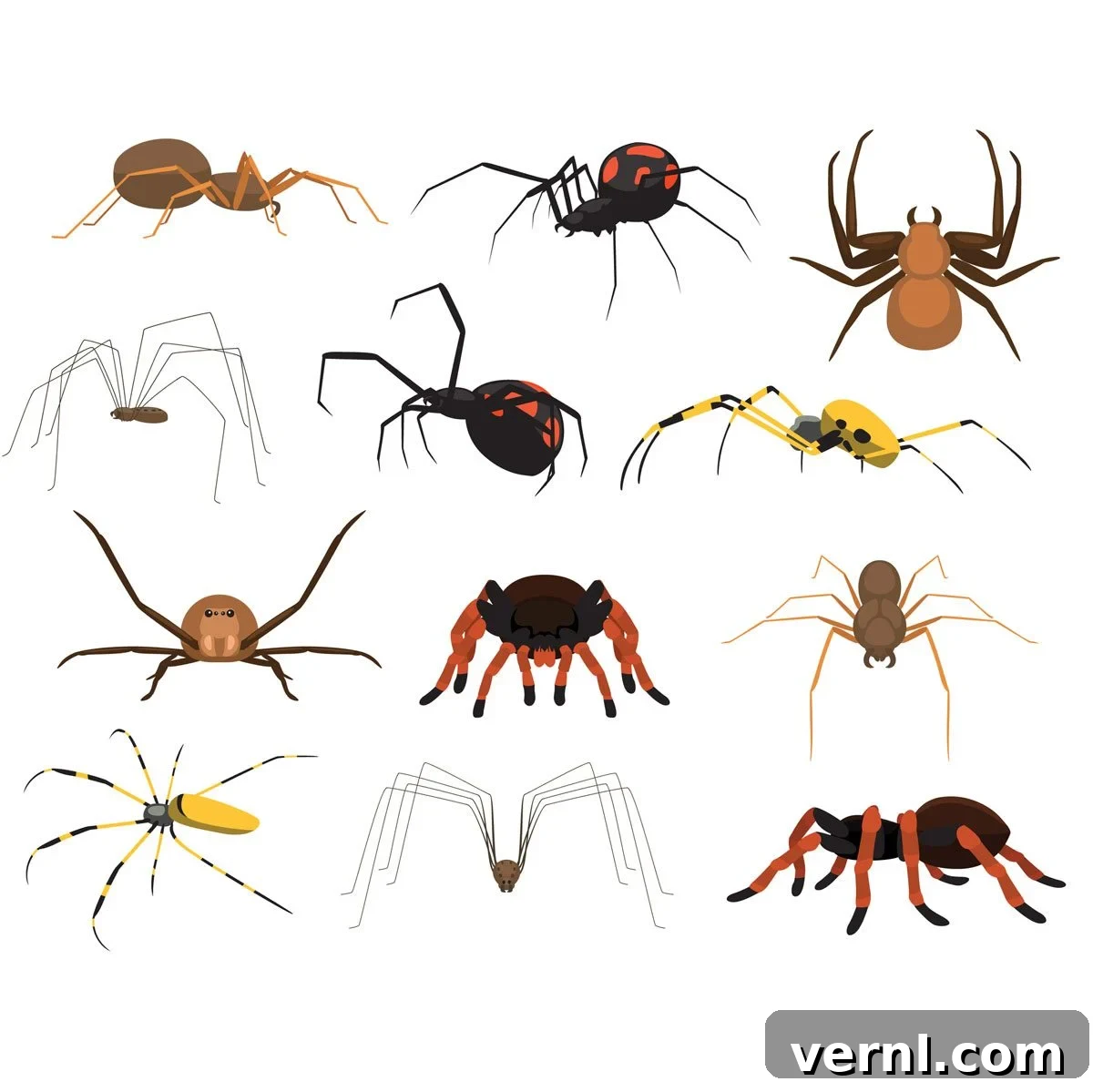
Understanding Spiders: Risks, Benefits, and Effective Control
Spiders are one of the most common inhabitants of our planet, often eliciting strong reactions ranging from fascination to profound fear. With approximately 45,000 named species across the globe, these eight-legged arachnids are virtually ubiquitous. While almost all spiders possess some form of venom, it’s a significant misconception that most pose a serious threat to humans. In reality, only a tiny fraction of these species will ever bite a person, and an even smaller number possess venom potent enough to cause significant health issues or be life-threatening.
For the vast majority of common garden and household spiders, bites are exceptional occurrences, typically happening only when the spider feels trapped or directly threatened. These defensive nips generally result in mild, localized reactions, which are uncomfortable but rarely dangerous. Understanding the difference between a harmless bite and one that requires medical attention is crucial for peace of mind and proper care.
Recognizing Common Spider Bite Symptoms
When a typical, non-venomous spider bites, the reaction is often localized and mild, similar to a bee sting or mosquito bite. These symptoms are usually temporary and resolve on their own with basic first aid.
- Itching, often accompanied by a localized rash or redness around the bite site;
- Mild pain or discomfort radiating from the site of the bite;
- A reddish to purplish discoloration, or the formation of a small blister at the center of the bite.
While most spider bites fall into this category, it’s important to be vigilant for more severe reactions, which could indicate an allergic response or a bite from a more dangerous species. These more serious symptoms warrant immediate medical evaluation.
- Excessive sweating or chills;
- Difficulty breathing or shortness of breath;
- Headache, accompanied by nausea and vomiting;
- Fever, often combined with body aches;
- Increased anxiety or general restlessness;
- Elevated blood pressure or a rapid heart rate.
Note: If you or someone you know experiences any of the severe symptoms listed above following a suspected spider bite, it is imperative to seek emergency medical care without delay. Prompt treatment can prevent serious complications.
Are Spiders Dangerous To People? Dispelling Myths and Understanding Real Risks
The question of whether spiders are dangerous to people is a common one, often fueled by sensationalized stories and pervasive arachnophobia. The straightforward answer is: they can be, but severe danger is remarkably rare. A spider’s venom is primarily designed to immobilize or kill insects and other small invertebrates, which are their natural prey. Humans are, of course, significantly larger than a spider’s typical target, meaning the amount of venom injected and its potency are usually insufficient to cause widespread systemic damage, even if the venom successfully penetrates the skin.
Furthermore, spiders are not known vectors for diseases. A comprehensive study conducted by the University of California, Riverside, definitively ruled out spiders as a cause of bacterial infections in humans. Any infection developing from a spider bite is almost always a secondary bacterial infection introduced by scratching the wound or improper wound care, rather than a direct result of the spider’s venom or the spider itself carrying pathogens.
Despite these reassurances, it’s true that people do, on rare occasions, die from spider bites. However, such instances are extremely uncommon, often involving vulnerable individuals such as children, the elderly, or those with compromised immune systems or severe allergies. The vast majority of spider encounters result in no bite at all, or only a minor, localized reaction.
Identifying North America’s Most Dangerous Spiders
According to the Centers for Disease Control and Prevention (CDC), only two types of spiders found in North America are generally considered medically significant and dangerous to humans: the black widow and the brown recluse (also known as the violin spider). A bite from either of these dangerous bugs can be quite painful and potentially lethal, particularly for individuals who are allergic to their venom or are otherwise vulnerable. Immediate medical attention is strongly recommended if you suspect a bite from either of these species.
The Black Widow Spider (Latrodectus mactans)
Black widows are easily recognizable by their glossy black body and the distinctive red hourglass marking on the underside of their abdomen. They are typically found in dark, secluded areas such as woodpiles, sheds, garages, and undisturbed corners of basements. Their venom is a neurotoxin, meaning it affects the nervous system. Symptoms of a black widow bite can include severe muscle cramps, abdominal pain, nausea, sweating, tremors, and in some cases, difficulty breathing. While rarely fatal for healthy adults, the pain and systemic effects can be intense and require medical intervention.
The Brown Recluse Spider (Loxosceles reclusa)
The brown recluse spider is identified by a violin-shaped mark on its back, with the neck of the violin pointing towards its abdomen. These spiders are, as their name suggests, reclusive, preferring dark, dry, and undisturbed areas like attics, closets, and storage boxes. Their venom is cytotoxic, meaning it destroys tissues. A brown recluse bite can initially be painless, but over several hours, it can develop into a blister that eventually ruptures, leaving an open, ulcerated sore that can take weeks or even months to heal. In some cases, surgical intervention may be required to remove necrotic tissue, though such severe outcomes are less common than often believed.
Are Spiders Dangerous To Pets?
The risk spiders pose to household pets is largely similar to the risk they pose to humans, though with a critical difference: size. Since dogs, cats, and other domestic animals typically weigh significantly less than humans, the venom from a dangerous spider, like a black widow or brown recluse, can have a more concentrated and profound effect on them. A bite that might cause moderate symptoms in an adult human could be 10 to 15 times more powerful for a pet, leading to more severe and rapidly progressing symptoms.
If your pet is bitten by a dangerous spider, watch for specific symptoms that indicate a serious reaction. These can include muscle paralysis, severe vomiting, persistent diarrhea, and uncontrolled tremors or muscle spasms. If any of these signs appear, it is imperative to get your pet to a veterinarian immediately. Early diagnosis and treatment can significantly improve their chances of recovery.
Pro Tip: Many pet owners worry if their pet consumes a spider. Fortunately, if your pet eats a poisonous spider, the strong stomach acids of most animals will likely neutralize the toxins, rendering them harmless. However, it’s always wise to keep a close eye on your pet for a day or two after such an incident. If your pet shows any signs of illness, such as lethargy, vomiting, or changes in behavior, contact your vet for advice. Beyond spiders, it’s also valuable to educate yourself about other common pests that are dangerous to your pets.
Do Spiders Damage Homes and Yards? The Unsung Benefits of Spiders
Beyond the occasional unsettling cobweb draped across a dusty corner of your basement or attic, spiders are not known to cause any structural damage to homes or property. Unlike termites that chew through wood or rodents that gnaw on wires, spiders are benign residents in terms of property integrity.
In fact, far from being pests, spiders are invaluable allies in both your home and garden ecosystem. They are nature’s most effective pest control agents, voraciously preying on a wide array of insects that are actual threats to your plants, food stores, and even health. In the garden, spiders feast on aphids, caterpillars, grasshoppers, and other bugs that would otherwise decimate your foliage and harvests. This is one of the compelling reasons why you should never kill a spider you encounter, unless it’s one of the few dangerous species posing a direct threat.
Spiders occupy a crucial niche as the leading predators of insects, providing an essential service to our ecosystem that often goes unappreciated. Their presence helps maintain the delicate balance of nature, preventing insect populations from exploding out of control. Ron Crawford, a resident spider expert at the renowned Burke Museum in Seattle, succinctly articulates their importance: “If someone who was an arachnophobe could wave their magic wand and make all spiders disappear, it wouldn’t be long before all human agriculture would be impossible, and our species and most other non-insect invertebrates might very well go instinct.” This powerful statement underscores just how vital spiders are to the survival of terrestrial life, including our own.
Effective Strategies for Spider Control and Prevention
While many spiders are harmless and beneficial, it’s understandable to not want them sharing your living space, especially if you have arachnophobia or are concerned about potentially dangerous species. Unlike social insects like ants or bees, which form colonies and coordinate efforts to infiltrate your home, spiders are typically solitary hunters. They prefer to work alone, seeking out quiet, undisturbed areas to spin their webs and catch prey.
One of the most effective long-term strategies for preventing spiders from establishing themselves in your home is proactive removal and exclusion. It might sound like a constant battle, but regularly removing spiders as you see them is a key step. The most crucial part of this preemptive strike, as detailed in guides on how to get rid of spiders, is to eliminate them before they have a chance to lay eggs. A single female spider can lay hundreds of eggs, which hatch into a “clutter” of tiny spiders, quickly escalating a minor annoyance into a significant infestation.
Comprehensive Tips for Spider Prevention and Removal:
To discourage spiders from encroaching on your home and property, implement a multi-faceted approach:
- Regular Cleaning: Consistently clean away cobwebs as soon as they appear. This not only removes existing spiders and egg sacs but also signals to new spiders that the area is not a safe, undisturbed place for them to settle.
- Thorough Vacuuming: Vacuum your carpets frequently, paying special attention to corners, cracks, and along baseboards where spiders often hide. Use attachments to reach under furniture and in ceiling corners.
- Seal Entry Points: Spiders often enter homes through small gaps and cracks. Inspect your home’s exterior and interior for any openings around windows, doors, foundation, and utility pipes. Use caulk to seal these cracks and install weatherstripping around doors and windows to create a tight barrier.
- Natural Repellents: Many natural essential oils are known to repel spiders due to their strong scents. A mixture of water and essential oils like peppermint, eucalyptus, tea tree, or lavender can be sprayed in areas where spiders are common. Peppermint, in particular, has been proven effective in deterring spiders.
- Reduce Clutter: Spiders thrive in cluttered environments that provide numerous hiding spots. Reduce clutter in basements, attics, garages, and storage areas. Keep firewood, leaf piles, and other debris away from your home’s foundation.
- Exterior Lighting Adjustments: Exterior lights can attract insects, which in turn attract spiders. Consider using yellow “bug lights” that are less attractive to insects, or turn off exterior lights when not needed.
- Commercial Solutions: For more persistent problems, commercial repellents, sticky traps, or targeted pesticides can be effective. Always follow product instructions carefully and consider these as a last resort due to potential environmental impacts and risks to pets and children.
- Professional Pest Control: If you’re dealing with a severe spider infestation, especially of dangerous species, it’s best to consult a professional pest control service. They can identify the species, locate nesting sites, and apply appropriate treatments safely and effectively.
By understanding spiders better—recognizing their true risks, appreciating their ecological benefits, and implementing smart prevention strategies—you can coexist peacefully with these fascinating creatures and manage their presence in your home effectively.