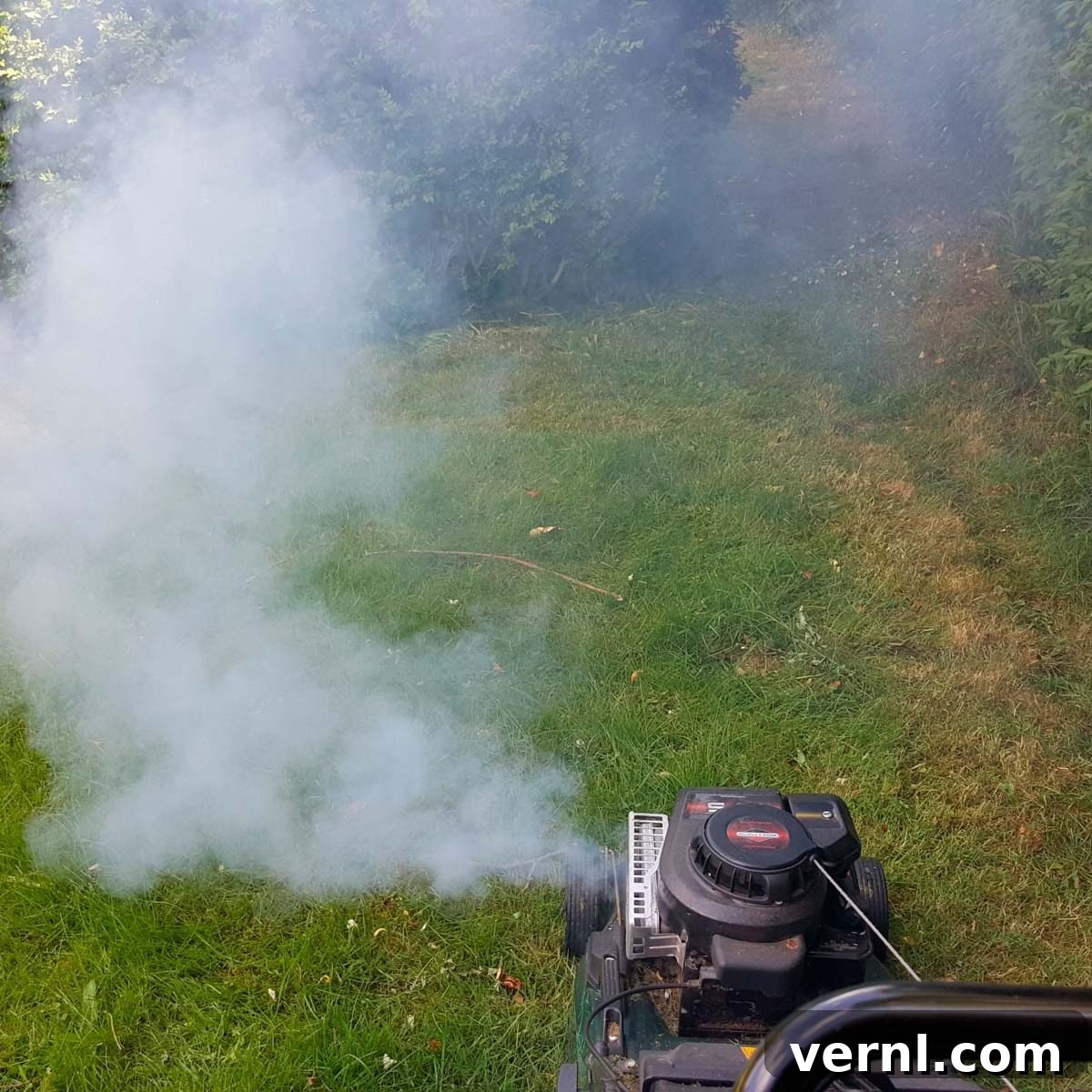
Lawn Mower Smoking? Diagnose and Fix the Problem Like a Pro
Few things are as satisfying as a freshly mowed lawn, but that satisfaction can quickly turn to concern when your lawn mower starts puffing out smoke. Whether it’s a small wisp or a thick cloud, smoke from your lawn mower signals an underlying issue that needs immediate attention. Ignoring it can lead to costly repairs or even premature engine failure. This comprehensive guide will help you understand the common reasons why your lawn mower might be smoking, provide step-by-step troubleshooting solutions, and equip you with essential maintenance tips to prevent future occurrences. From quick fixes to understanding when to call a professional, we’ve got you covered.
Why Is My Lawn Mower Smoking? Understanding the Causes by Smoke Color
The color of the smoke billowing from your lawn mower is the most crucial clue in diagnosing the problem. Each color points to a different type of issue, usually related to how the engine is burning oil or fuel.
Blue Smoke: Often a Sign of Burning Oil
Blue smoke is almost always an indicator that your engine is burning oil. This can be caused by several factors, ranging from simple user error to more serious internal engine wear.
- Overfilled Oil Reservoir: This is perhaps the most common and easiest fix. If you’ve recently added oil, you might have overfilled the crankcase. Excess oil can get into the combustion chamber and burn, producing blue smoke. Always check your dipstick carefully and adhere to the manufacturer’s recommended oil level.
- Improperly Tipped Mower: When cleaning the underside of your mower deck or performing maintenance, it’s vital to tip the mower correctly. If you tip it on the wrong side (carburetor side down), oil can leak past the piston rings or into the muffler, resulting in blue smoke when you restart the engine. Always tip the mower with the air filter and carburetor facing upward.
- Worn Piston Rings or Cylinder: In older or heavily used engines, the piston rings, cylinder walls, or valve seals can wear down. This wear creates gaps that allow oil to seep into the combustion chamber, where it burns along with the fuel. This is a more serious mechanical issue that typically requires professional repair or engine rebuild.
- Clogged Breather Valve: The crankcase breather valve is designed to vent pressure from the engine’s crankcase. If this valve becomes clogged, pressure can build up, forcing oil past seals and into the combustion chamber, leading to blue smoke.
White or Gray Smoke: Usually Related to Fuel or Condensation
White or gray smoke often indicates that fuel is not burning cleanly, or there might be an issue with water or condensation in the system. This type of smoke can sometimes be thick and resemble steam.
- Flooded Engine: If you’ve tried to start your mower multiple times, especially with the choke on, you might have flooded the engine. Too much fuel in the combustion chamber can result in a rich mixture that doesn’t burn completely, producing white or gray smoke as it burns off. Wait a few minutes before trying to start it again with the choke off.
- Clogged Air Filter: A dirty or clogged air filter restricts airflow to the engine. This leads to a fuel-rich mixture, as there isn’t enough air to properly burn the fuel. The unburnt fuel can then produce white or gray smoke. Regularly cleaning or replacing the air filter is a simple and effective preventative measure.
- Stale or Contaminated Fuel: Using old gasoline or fuel contaminated with water can cause incomplete combustion. Gasoline can degrade over time, losing its volatility and burning inefficiently. Water in the fuel tank, often from condensation, will also burn as steam, appearing as white smoke. Always use fresh, clean fuel and consider a fuel stabilizer for long-term storage.
- Carburetor Issues: A malfunctioning carburetor, such as a stuck float or incorrect settings, can lead to an overly rich fuel mixture. If the carburetor is delivering too much fuel, it won’t burn completely, resulting in white or gray smoke. This may require carburetor adjustment, cleaning, or rebuilding.
- Engine Overheating: While less common for just white smoke, an engine that is severely overheating can sometimes produce a light white/gray smoke that might be confused with steam. Overheating can be caused by low oil, clogged cooling fins, or operating in extremely hot conditions with heavy loads.
Black Smoke: A Clear Sign of Too Much Fuel
Black smoke from your lawn mower is a definite sign that the engine is getting too much fuel and not enough air – essentially running too rich. The black color comes from unburnt carbon particles.
- Severely Clogged Air Filter: As mentioned before, a dirty air filter severely restricts airflow, leading to an extremely rich fuel-to-air mixture. If the restriction is significant, the smoke will appear black due to the excess unburnt carbon.
- Dirty or Fouled Spark Plug: A spark plug that is dirty, worn, or incorrectly gapped might not ignite the fuel-air mixture efficiently. Incomplete combustion can leave behind carbon deposits, contributing to black smoke. Regularly inspect and clean or replace your spark plug.
- Stuck Choke or Rich Carburetor Settings: If the choke is stuck in the “on” position or if the carburetor is improperly adjusted to deliver too much fuel, the engine will consistently run rich, producing black smoke. Check that your choke lever moves freely and returns to the “off” position.
- Incorrect Fuel-to-Oil Mixture (Two-Stroke Engines): For two-stroke engines that require a specific oil-fuel mix, using too much oil in the mixture will cause black smoke. Always follow the manufacturer’s recommendations for the correct ratio.
Step-by-Step Troubleshooting When Your Lawn Mower Smokes
Once you’ve identified the smoke color, you can begin a systematic approach to pinpoint and resolve the issue. Always ensure your mower is turned off, the spark plug wire is disconnected, and the engine is cool before attempting any repairs or inspections.
- Observe and Identify Smoke Color: This is your first and most important diagnostic step. Is it blue, white/gray, or black? This will guide your subsequent troubleshooting.
- Check Oil Level and Quality (For Blue Smoke):
- Turn off the mower and disconnect the spark plug.
- Check the oil dipstick. If the oil is over the “full” mark, drain some out until it’s within the recommended range.
- Ensure the oil is clean and of the correct type. If it’s very dark or has a burnt smell, change it.
- If you recently tipped the mower, ensure it was done correctly (carburetor side up). If not, let it sit for a while for the oil to settle before restarting.
- Inspect and Clean/Replace Air Filter (For White/Black Smoke):
- Locate the air filter housing, usually a plastic or metal box on the side of the engine.
- Remove the cover and inspect the filter. If it’s dirty, clogged with debris, or soaked in oil, clean it (if washable) or replace it with a new one.
- Ensure the air filter housing is clean and free of obstructions.
- Examine the Spark Plug (For Black or White Smoke):
- Remove the spark plug wire and use a spark plug wrench to remove the plug.
- Inspect the electrode for fouling, carbon buildup (black and sooty), or oil residue (wet and dark).
- Clean the plug with a wire brush or replace it if it’s heavily fouled or worn. Ensure the gap is set correctly according to your mower’s manual.
- Check Fuel System (For White/Gray or Black Smoke):
- Verify you are using fresh, clean gasoline. If the fuel is old (more than 30 days) or looks murky, drain the tank and refill with fresh fuel.
- Inspect the fuel filter (if present). If it’s clogged, replace it.
- For two-stroke engines, confirm you have the correct oil-to-fuel mixture.
- Look for any signs of water in the fuel tank, which may appear as separate droplets or a cloudy appearance.
- Assess the Carburetor and Choke (For Black or White Smoke):
- Ensure the choke mechanism is moving freely and fully disengages when the lever is in the “run” position.
- If the problem persists, the carburetor might need cleaning or adjustment. This can be a more advanced task, often involving disassembling and cleaning jets and passages. If uncomfortable, consider professional help.
- Check for Engine Overheating (Less Common, but Important):
- Ensure the cooling fins around the engine cylinder are clean and free of grass clippings and debris. Blocked fins prevent proper heat dissipation.
- Verify the oil level is correct. Low oil contributes to overheating.
- Consider Internal Engine Wear (For Persistent Blue Smoke):
- If you’ve ruled out overfilling and improper tipping, and blue smoke persists, it’s likely due to worn piston rings, cylinder walls, or valve seals. This requires significant engine repair or replacement and is typically a job for a qualified mechanic.
Preventative Maintenance: Keeping Your Lawnmower Smoke-Free
The best way to deal with a smoking lawn mower is to prevent it from happening in the first place. Regular maintenance is key to a long-lasting, reliable, and smoke-free machine.
- Regular Oil Changes: Follow your mower’s manual for recommended oil change intervals, usually annually or after every 25-50 hours of operation. Use the specified oil type.
- Maintain Proper Oil Levels: Check your oil before each use and never overfill or underfill.
- Clean or Replace Air Filter Regularly: Inspect the air filter frequently, especially in dusty conditions. Clean foam filters and replace paper filters as needed. A clean filter ensures optimal air-fuel mixture.
- Use Fresh, High-Quality Fuel: Always use fresh gasoline, preferably ethanol-free if available, or use a fuel stabilizer if storing fuel for more than a month. Drain the fuel tank for long-term storage (over winter).
- Replace Spark Plug Annually: A fresh spark plug ensures efficient ignition and combustion.
- Clean Cooling Fins: Regularly remove grass clippings and debris from the engine’s cooling fins to prevent overheating.
- Store Mower Correctly: When tipping the mower for maintenance or cleaning, always do so with the carburetor and air filter facing upwards to prevent oil from migrating.
- Keep the Deck Clean: A clean deck reduces load on the engine and prevents grass buildup that can obscure vents or cause issues.
- Follow Manufacturer’s Guidelines: Always refer to your lawn mower’s owner’s manual for specific maintenance schedules and recommendations.
When to Call a Professional
While many smoking issues can be resolved with DIY troubleshooting and maintenance, some problems are best left to the experts. Consider contacting a professional lawn mower repair service if:
- You’ve gone through all the troubleshooting steps and the problem persists.
- The smoke is accompanied by unusual noises (knocking, grinding, sputtering).
- You suspect internal engine damage (worn piston rings, valves, etc.).
- You’re uncomfortable performing complex carburetor adjustments or engine disassembly.
- Your mower is under warranty, and you want to ensure repairs are done by an authorized service center.
Conclusion
A smoking lawn mower doesn’t have to be a major headache. By understanding the different types of smoke and their causes, and by following a systematic troubleshooting process, you can often diagnose and fix the problem yourself. Prioritizing regular maintenance — including proper oil levels, clean filters, and fresh fuel — will significantly extend the life of your machine and keep your lawn looking pristine without a cloud of smoke in sight. Don’t let a puff of smoke derail your lawn care routine; arm yourself with this knowledge and keep your mower running smoothly for seasons to come.
Learn more at: Why Is My Lawnmower Smoking?