For modern builders and homeowners, the quest for the ideal insulation solution offers a diverse array of choices. While traditional options like fiberglass, mineral wool batts, blown-in cellulose, rigid polystyrene foam boards, and polyurethane spray foam have long dominated the market, a revolutionary, eco-friendly alternative is steadily gaining traction: sheep wool insulation.
The idea of insulating a home with sheep wool might initially evoke thoughts of sacrificing valuable material that could be transformed into cozy apparel. However, this innovative insulation primarily utilizes low-quality, B-grade wool—material that is unsuitable for spinning into yarn for textiles. Considering the vast quantities produced globally—each sheep yielding between two and 30 pounds annually, and millions of sheep worldwide—there’s an abundant supply of this lesser-grade wool seeking purpose. Channeling it into home insulation proves to be as noble and practical as using it for stuffing toys or enriching garden mulch, contributing significantly to sustainable building practices.
Anyone who has installed fiberglass insulation is familiar with the uncomfortable skin irritation, allergic reactions, and the necessity of cumbersome protective gear like paper suits, masks, and goggles. Sheep wool, by stark contrast, is a natural, non-irritant material. This allows for a significantly more pleasant and safer installation experience, often eliminating the need for special protective clothing. Beyond comfort, sheep wool stands out as a rapidly renewable resource, akin to cork and bamboo, regenerating quickly and thereby reducing your environmental footprint. While its myriad benefits are compelling, it’s essential to consider all aspects, including the initial investment, to determine if it’s the right choice for your project.
What Exactly Is Sheep Wool Insulation?
Sheep wool insulation is precisely what its name suggests—insulation crafted from the natural fibers of sheep’s wool. The process begins after the shearing season, where expert shearers collect the wool. Subsequently, the harvested wool undergoes careful sorting. High-grade fibers destined for textiles are separated from the lower-quality wool, typically sourced from the sheep’s underbelly, around the eyes, ears, and legs. It is this abundant supply of lower-grade material that forms the foundation for insulation batts.
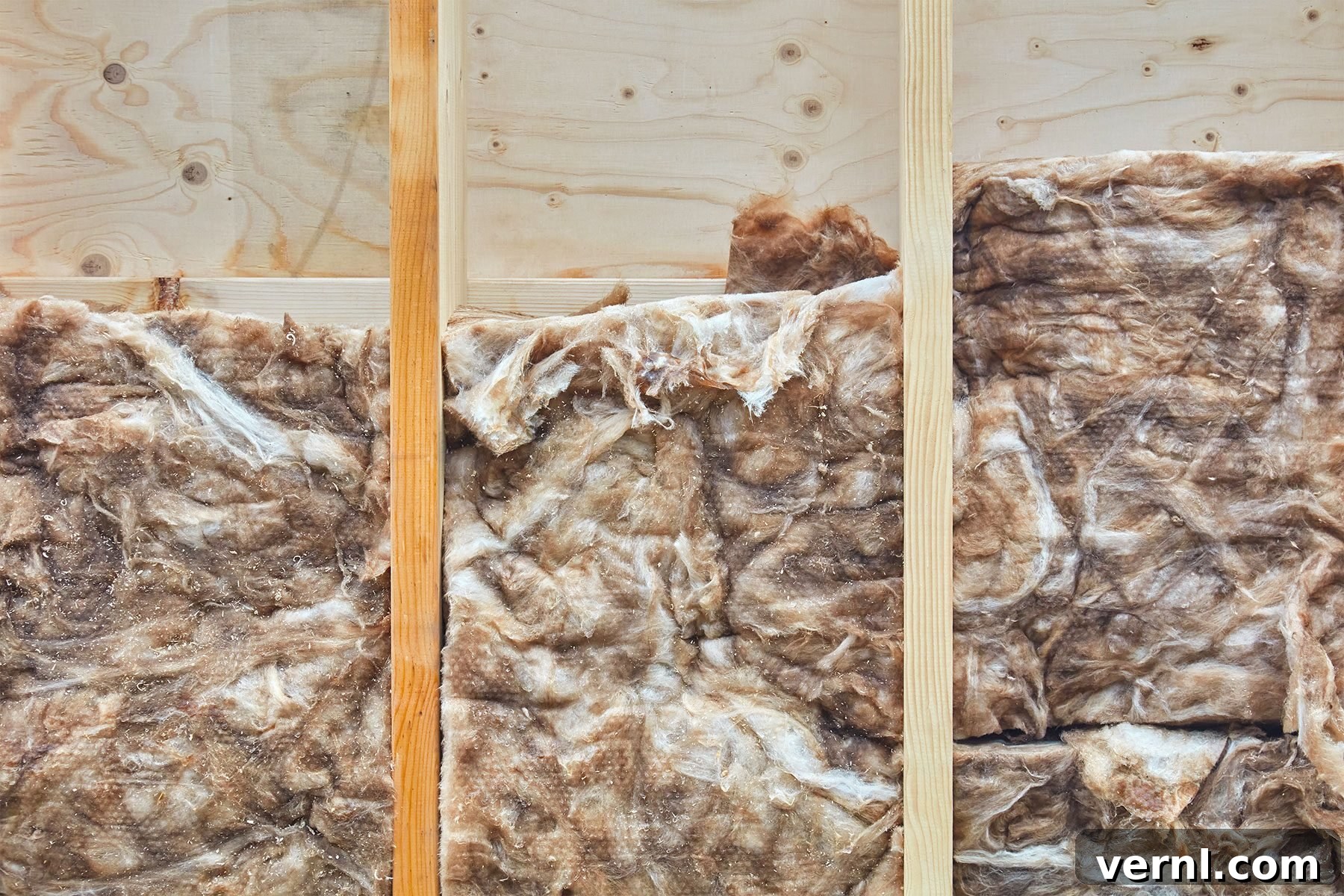
During manufacturing, this raw, lower-quality wool is meticulously cleaned and processed. In some formulations, polyester fibers are incorporated as a filler to enhance durability and structural integrity, resulting in a blended batt. These batts are specifically engineered to integrate seamlessly into standard stud framing, commonly available in widths of 16 or 24 inches. They are then cut to standard lengths, often ranging from 12 to 16 feet, and conveniently packaged as rolls for ease of transport and installation.
Installation is straightforward. Batts containing a polyester blend are typically light enough to be held in place by friction alone within the wall cavity. However, pure wool batts, which can be slightly heavier, might require some stapling along the edges to securely fasten them to the studs. Unlike some traditional insulation types, sheep wool batts generally do not come with a paper or foil backing, making them ideal for friction-fit applications where the natural fibers conform to the space.
The Science Behind Sheep Wool Insulation: How It Works
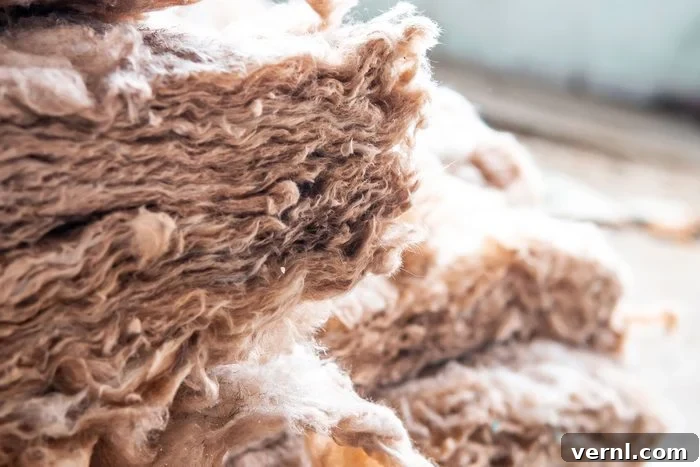
At its core, the effectiveness of sheep wool insulation, much like other fibrous insulation materials, stems from its intricate structure filled with countless tiny air pockets. It is primarily this trapped air that acts as a powerful barrier against heat transfer, preventing warm air from escaping in winter and cool air from entering in summer. However, sheep wool possesses several extraordinary qualities that set it apart from conventional materials like fiberglass and mineral wool, making it a uniquely intelligent insulator.
One of wool’s most remarkable attributes is its hygroscopic nature – its inherent ability to absorb and release moisture vapor without feeling damp to the touch. This means that while the interior of the wool fiber can retain up to 35% of its weight in moisture, its surface remains dry. This unique thermoregulatory property is precisely how sheep stay comfortable and dry in harsh, rainy climates. When integrated into a building envelope, this characteristic translates into an invaluable benefit: it helps manage indoor humidity levels, absorbing excess moisture when the air is humid and releasing it when the air is dry. This active moisture buffering not only contributes to a more stable and comfortable indoor environment but also plays a crucial role in preventing condensation within wall cavities, which is a common precursor to mold and mildew growth.
Paradoxically, while moisture-laden insulation often signals a future mold problem, sheep wool’s mechanism is different. Because its surface remains consistently dry, mold and fungus spores are deprived of the moist, hospitable environment they need to germinate and proliferate. While wool naturally resists mold, it can still attract insects seeking shelter. To mitigate this, reputable manufacturers treat their wool batts with non-toxic insecticides, typically derived from natural sources, ensuring long-term protection against pests before the products are shipped.
Another fascinating and vital quality of wool is its natural flame resistance. Wool fibers boast a naturally high nitrogen and water content, which makes them inherently self-extinguishing. Unlike many synthetic materials that melt or drip when exposed to flame, wool chars and forms a protective barrier. It requires a significant amount of oxygen to sustain a flame, and when tucked into the oxygen-restricted confines of a wall cavity, it simply swells up and forms an insulating char layer, effectively preventing the spread of fire. This intrinsic property allows sheep wool insulation to meet stringent fire resistance standards, comparable to, and often exceeding, those of fiberglass, mineral wool, and cellulose, providing an added layer of safety for your home.
Understanding the R-Value for Sheep Wool Insulation
R-value is a critical metric in the world of insulation. It quantifies a material’s resistance to heat transfer – the higher the R-value, the greater its insulating power and its ability to prevent heat flow. For homeowners, a higher R-value means better energy efficiency, reduced heating and cooling costs, and enhanced indoor comfort. Understanding R-value is paramount when making insulation choices, as it directly impacts your home’s thermal performance.
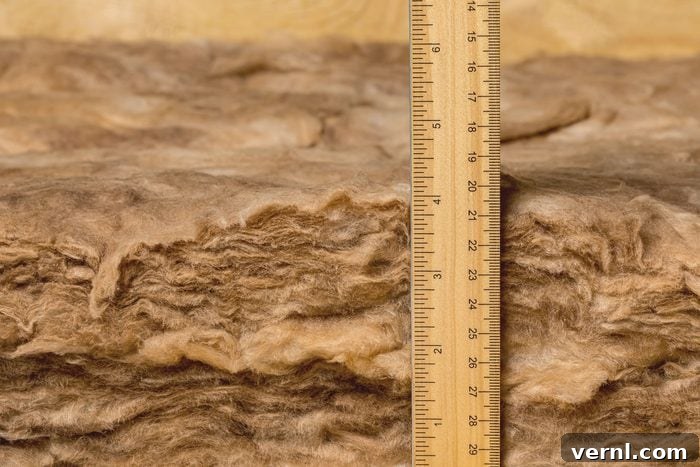
Sheep wool insulation typically offers an R-value ranging from 3.5 to 3.8 per inch of thickness. This performance metric places it slightly ahead of many conventional insulation materials such as standard fiberglass, mineral wool, and cellulose. While it doesn’t quite reach the exceptionally high R-values of closed-cell polyurethane spray foam, its performance is robust and highly effective for most residential applications. If you’re also considering mineral wool insulation, it’s worth noting that sheep wool offers comparable or slightly superior thermal resistance.
Common offerings for sheep wool insulation often come in standardized R-values to simplify selection. You’ll frequently find R13 and slightly thicker R19 batts, designed for typical wall and ceiling applications. In regions with more extreme climates, particularly colder zones where superior thermal performance is a necessity, homeowners may need to consider strategies to boost the total R-value. This can involve increasing the thickness of wall cavities to accommodate thicker batts or installing multiple layers of batts to achieve a cumulative R-value that meets or exceeds local building codes and energy efficiency recommendations. Proper sizing and installation are key to maximizing the inherent R-value of sheep wool and ensuring optimal thermal performance for your home.
Comprehensive Look: Pros and Cons of Sheep Wool Insulation
While the concept of using sheep wool for insulation has likely existed in various forms for centuries, the mass production of standardized sheep wool batt insulation is a relatively recent advancement in modern construction. Its growing popularity stems from its unique blend of performance and sustainability. However, like any building material, it comes with its own set of advantages and disadvantages that prospective users should thoroughly understand. While its availability might still be more niche compared to mainstream options—you might not find it readily at every local big-box building center, and online suppliers can experience intermittent stock shortages—the benefits it offers are often compelling enough to warrant seeking it out.
Pros: The Advantages of Choosing Sheep Wool
- Exceptional Thermal Performance & Moisture Regulation: Beyond its impressive R-value, wool’s crimped fibers create millions of tiny air pockets that trap heat effectively. Its unique ability to absorb moisture from humid air (up to 35% of its weight) and then release it into dry air actively helps regulate indoor humidity. Manufacturers even suggest this process can subtly raise the ambient temperature as latent heat is released. In summer, wool’s capacity to absorb heat from its surroundings contributes to keeping your house cooler and more comfortable by buffering temperature swings. This natural moisture management also prevents condensation within wall cavities, significantly reducing the risk of mold and mildew growth.
- Natural Fire Safety: As previously mentioned, sheep wool is naturally flame-resistant due to its high nitrogen and water content. It doesn’t melt or drip, instead charring and forming a self-extinguishing barrier when exposed to flame. This inherent fire safety feature makes it a safer choice compared to many synthetic alternatives and offers peace of mind without the need for additional chemical flame retardants.
- Effortless and Safe Installation: One of the most significant practical advantages is the ease and safety of installation. Unlike fiberglass, which requires extensive personal protective equipment to prevent skin irritation and respiratory issues, wool insulation can be handled safely without gloves, masks, or special clothing. This makes the installation process much more comfortable for professionals and even safe for enthusiastic children who might want to “help” with a home project.
- Superior Acoustic Properties: Sheep wool’s natural density and complex fiber structure make it an excellent material for sound absorption. It effectively dampens airborne sound transmission, contributing to quieter indoor environments. This makes it an ideal choice for insulating interior walls, reducing noise between rooms, or for exterior walls where street noise is a concern, enhancing the overall tranquility and comfort of your home. It’s far more effective than many lighter insulation types in absorbing sound.
- Improved Indoor Air Quality: Sheep wool possesses a remarkable capacity to absorb and permanently lock away common indoor air pollutants, such as formaldehyde, nitrogen dioxide, and sulfur dioxide. Its complex protein structure chemically binds these harmful volatile organic compounds (VOCs), effectively purifying the air within your home. This natural air-scrubbing ability contributes significantly to a healthier living environment.
- Long-lasting Durability and Resilience: Wool fibers are incredibly resilient and naturally resistant to compression, maintaining their loft and R-value over decades. Unlike some conventional insulations that can sag or settle over time, wool retains its shape and insulating properties, ensuring consistent performance throughout the lifespan of your building. It is also naturally resistant to degradation from moisture and biological factors.
If you’re considering sheep wool insulation for your home, it’s equally important to be aware of the potential drawbacks:
Cons: Considerations and Challenges
- Initial Cost: Perhaps the most significant deterrent for many is the higher upfront cost. While prices can vary based on supplier, region, and blend, pure wool insulation can be significantly more expensive than traditional alternatives. For example, an online supplier (which might currently be out of stock) might charge around $50 for a 16-inch-wide, 16-foot-long roll of R13 pure wool insulation. This translates to approximately $2.40 per square foot, roughly twice the price of fiberglass and one-and-a-half times that of mineral wool. While insulation with a wool/polyester blend is generally cheaper, the initial investment for pure wool is substantial. However, it’s crucial to weigh this against the long-term benefits of durability, energy savings, and improved indoor air quality.
- Insect Treatment: Although wool is naturally resistant to mold, it can be susceptible to insect infestations, particularly from wool moths and carpet beetles. Before purchasing sheep wool insulation, it is imperative to verify the type of chemical treatment it has received. Some older or less reputable manufacturers have commonly used boric acid to control insects, a chemical whose toxicity has led to its banning in certain regions. For health and environmental safety, actively seek out products treated with non-toxic, eco-friendly insecticides. Eulan SPA, a safe and effective insecticide derived from chrysanthemums, is an excellent example of a modern, non-toxic treatment to look for.
- Potential for Subtle Odors: Depending on the thoroughness of the washing and processing stages, a faint, lingering odor from natural waxes (lanolin) may occasionally remain in the material. While these odors are typically very slight—far less noticeable than that of a sheep wool rug—and are usually imperceptible once the wool is enclosed within wall cavities, individuals with heightened sensitivities may occasionally detect them. For most, this is not a concern, but it’s a factor to consider for those with extreme sensitivities.
A Commitment to Sustainability: Natural Fiber vs. Synthetic Insulation
In an era increasingly focused on environmental responsibility and sustainable building, the choice of insulation material holds significant weight. Sheep wool insulation stands as a beacon of eco-conscious construction, offering a stark contrast to synthetic alternatives in terms of its environmental footprint throughout its entire lifecycle.
One of the most compelling arguments for sheep wool’s sustainability is its incredibly low embodied energy. According to the energy advice portal TheGreenAge, the production of sheep wool insulation consumes less than 15% of the energy required to produce an equivalent amount of fiberglass insulation. This dramatic reduction in energy consumption during manufacturing translates directly to a smaller carbon footprint, making sheep wool a far more environmentally friendly choice from the outset.
Beyond its low embodied energy, sheep wool is a truly renewable resource. Sheep naturally regrow their fleece annually, ensuring a continuous supply without depleting finite natural resources. Furthermore, wool is completely biodegradable at the end of its long service life. Unlike synthetic foams and fiberglass that contribute to landfill waste for centuries, wool insulation can decompose naturally, returning its nutrients to the earth. This aligns perfectly with the principles of a circular economy, minimizing waste and maximizing resource efficiency.
Moreover, sheep wool acts as a natural carbon sink. During its growth, sheep consume carbon dioxide, effectively sequestering carbon within their fleece. When this wool is used for insulation, it locks away that carbon for the lifespan of the building, contributing to climate change mitigation. Choosing sheep wool insulation supports sustainable agricultural practices and promotes the health and welfare of sheep, creating a symbiotic relationship between livestock farming and eco-friendly construction. Its natural origins and benign composition also mean it doesn’t off-gas harmful chemicals into your home’s air, contributing to superior indoor air quality—a factor often overlooked but critical for occupant health.
Key Considerations for Installing Sheep Wool Insulation
Installing sheep wool insulation, while generally straightforward and safe, benefits from a few practical considerations to ensure optimal performance and longevity. The process is significantly more user-friendly than installing traditional itchy insulation materials, making it appealing for both professional installers and diligent DIYers.
First, accurate measurement is crucial. Just like other batt insulations, sheep wool batts are designed to fit snugly within standard stud framing (16 or 24 inches on center). Precisely measuring the cavities ensures a friction fit, which is vital for preventing gaps where heat can escape or enter. When cutting the batts to length or to fit around obstacles like electrical boxes or plumbing, a sharp utility knife or a specialized insulation knife works best. Unlike fiberglass, wool fibers are easy to cut cleanly without dulling blades excessively or creating irritating dust.
For most applications, particularly with wool-polyester blends, the batts can be simply pushed into place within the wall or ceiling cavities, where friction will hold them securely. For pure wool batts, or in situations where extra security is desired (such as overhead applications), you may need to staple the edges of the batt to the studs. Ensure staples are securely fastened without compressing the insulation, as compression can reduce its R-value. Always ensure the wool fills the cavity completely without being overly compressed, allowing the fibers to maintain their loft and trapped air pockets for maximum thermal efficiency.
Finally, proper ventilation within the building envelope is still paramount, regardless of the insulation type. While sheep wool excels at managing moisture, it’s not a substitute for effective attic and crawl space ventilation systems. Combining sheep wool insulation with good building practices ensures a healthy, energy-efficient, and comfortable home for years to come.
Embracing the Future: Why Sheep Wool Insulation is a Smart Choice
As the building industry continues its pivot towards more sustainable, healthier, and energy-efficient practices, sheep wool insulation emerges as a compelling and increasingly viable alternative to conventional materials. Its unique combination of high thermal performance, active moisture regulation, natural fire resistance, and superior acoustic properties positions it as a premium choice for the modern homeowner and builder alike.
While the initial cost may be higher than some synthetic counterparts, the long-term benefits often outweigh this investment. These include reduced energy bills, enhanced indoor air quality, a significantly more comfortable and stable living environment, and the peace of mind that comes from using a truly renewable and biodegradable material. Choosing sheep wool is not just an insulation decision; it’s an investment in the health of your home, your family, and the planet.
Embracing sheep wool insulation means making a conscious choice to support sustainable agriculture, reduce carbon footprints, and contribute to a healthier indoor environment. Its natural intelligence in managing temperature and moisture, coupled with its ease of installation and eco-credentials, makes it far more than just another insulation option—it’s a step towards a greener, more comfortable, and more sustainable future for residential construction.