
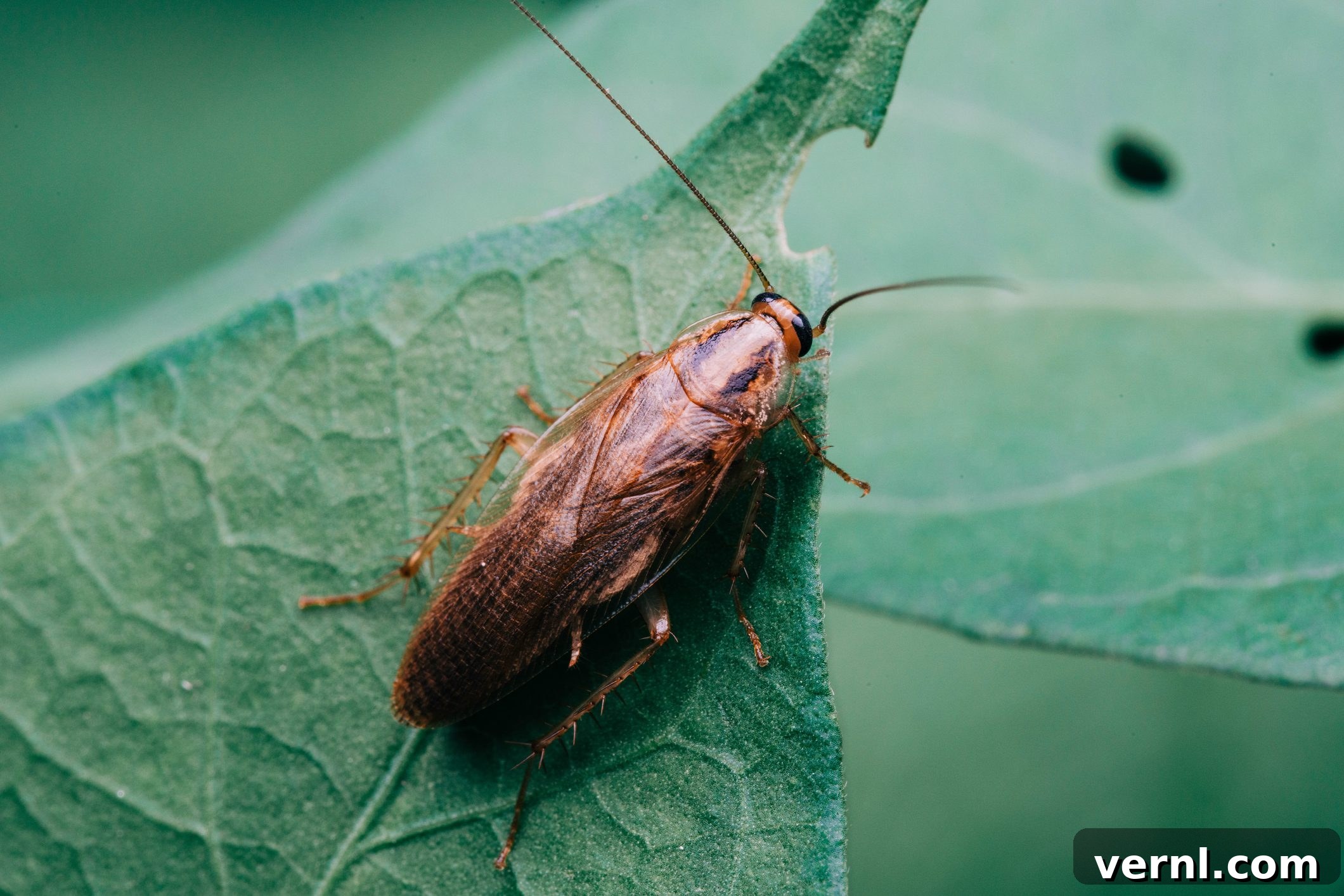
The thought of a pest infestation is unsettling, and perhaps even more so is the idea of those pests making noise. Unfortunately, many species of cockroaches are indeed capable of producing audible sounds. If these resilient creatures have taken up residence in your home for an extended period, there’s a good chance you might eventually begin to hear them as they navigate your space, forage for food, and interact with each other. Being alert and vigilant is paramount. It’s crucial not to wait until an infestation has escalated to the point where you regularly hear their distinctive sounds. In most cases, you’ll likely notice other telltale signs of their presence long before you start hearing their calls. Recognizing these early indicators can empower you to address the issue promptly, preventing it from spiraling into a severe problem that impacts your peace of mind and the sanctity of your home.
Unveiling the Nocturnal Chorus: What Sounds Do Cockroaches Make?
While the mere presence of roaches is a cause for concern, understanding the specific sounds they make can offer a deeper insight into their activities and the potential scale of an infestation. Many people are familiar with the Madagascar Hissing Cockroach, a particularly famous species renowned for its distinctive and unmistakable hissing sound. This unique vocalization is produced by expelling air through modified breathing holes on their bodies, a process known as spiracles, often used as a defensive mechanism or during mating rituals.
However, the auditory repertoire of cockroaches extends far beyond just hissing. Several other common species emit a variety of sounds, which, while often subtler, are still indicative of their presence. Other frequently reported noises include clicking and chirping. These sounds can vary in intensity and frequency depending on the species, their activity, and the size of the population. Chirping sounds, for instance, are often associated with communication, particularly between males and females during courtship. Clicking noises might be a result of their movement, interaction with surfaces, or a more subtle form of communication. Distinguishing between these sounds and merely the rustling of their movement can be challenging, but any consistent, unexplained noise originating from dark corners or quiet areas of your home should raise a red flag.
The Language of the Unwanted Guest: Why Do Cockroaches Make Noise?
Like most animal species, cockroaches engage in sound production primarily for communication. Their chirps, clicks, and hisses serve various essential functions within their social structures and survival strategies. Understanding the purpose behind these noises can provide clues about the dynamics of an infestation. One of the primary reasons roaches make sounds is for mating calls. Males often produce specific chirps or clicks to attract potential mates, signaling their availability and reproductive fitness. These auditory signals are crucial for species recognition and successful reproduction, perpetuating the colony.
Beyond attracting mates, cockroach sounds also play a role in territorial disputes and warnings. In a crowded environment, roaches may use sounds to communicate dominance or to warn rivals to stay away from a particular food source or harborage. This can manifest as more aggressive clicking or even short bursts of hissing in certain species. Furthermore, some sounds serve as alarm signals, warning other members of the colony about an impending threat, such as a predator or a sudden disturbance. While the sounds they make are often subtle to the human ear, they are sophisticated enough to convey vital information within the cockroach community. If an infestation is significant enough, you may very well begin to hear them communicating with each other, asserting dominance, or even sizing up rivals, signaling a bustling and established colony.
The Night Shift: Can You Hear Cockroaches When Your Home Goes Quiet?
The likelihood of hearing cockroaches significantly increases during the nighttime hours, and there’s a very clear biological reason for this: Roaches are primarily nocturnal creatures. This means their peak activity periods occur after dark, when humans are typically asleep and ambient noise levels in a home are at their lowest. When the lights go out and silence descends, these pests emerge from their hiding spots to forage for food, search for water, and engage in mating rituals.
If your problem has become severe enough, this is precisely when you are most likely to hear them. The sounds might manifest as subtle rustling or scuttling as they move across floors, walls, or within voids. You might also hear the distinct clicks or chirps as they run into each other, establish new foraging paths, or communicate across short distances looking for food or mates. The quiet environment of nighttime makes these sounds, which might otherwise be masked by daytime activities, much more perceptible. Hearing cockroach sounds consistently at night is a strong indicator that you are not dealing with a single stray pest, but rather a well-established and active infestation that requires immediate attention. It signifies a mature colony whose daily routines are synchronized with your household’s sleeping patterns.
A Symphony of Species: Do All Cockroaches Sound the Same?
The answer to whether all cockroach species make the same noise is a definitive no. While some general patterns exist, there is considerable variation in the types and intensity of sounds produced by different species. As mentioned, the Madagascar Hissing Cockroach is an anomaly, famous for its dramatic hissing. Most other common domestic roach species, such as the German cockroach, American cockroach, and Oriental cockroach, primarily produce sounds that fall into the categories of chirps and clicks.
However, even within these categories, the specific frequency, duration, and context of these sounds can differ. For instance, the chirps of a male German cockroach during courtship might be subtly different from those of an American cockroach. Trying to precisely identify your specific cockroach species based solely on the sounds you hear will likely be an exercise in futility. The sounds are often too subtle, too similar across non-hissing species, and too dependent on environmental factors to serve as a reliable identification tool. It is much more practical and effective to rely on visual identification, such as observing their size, color, and markings, or consulting with a pest control professional. Nevertheless, it is safe to assume that if you are hearing any consistent, unexplained chirping, clicking, or rustling sounds that you suspect are coming from roaches, it is a clear and undeniable sign that you have an infestation and it’s time to take some drastic and decisive action to address the problem.
Beyond the Buzz: Other Signs of a Cockroach Infestation
While hearing cockroaches is a strong indicator of an issue, it often signifies an advanced stage of infestation. Fortunately, there are many other signs that can alert you to a cockroach problem long before you start hearing their nocturnal symphony. Being aware of these visual and olfactory clues can help you intervene much earlier.
- Cockroach Feces: One of the most common and earliest signs is the presence of their droppings. These can resemble coffee grounds or black pepper specks, particularly with smaller species like the German cockroach. For larger species, droppings might appear as cylindrical pellets. You’ll often find these along baseboards, on countertops, inside cupboards, or anywhere roaches frequent.
- Musty Odor: A strong, oily, or musty smell is a telltale sign of a significant cockroach infestation. This odor is produced by their pheromones, excrement, and dead bodies. The smell becomes more pronounced as the population grows, permeating the air in affected areas, especially in enclosed spaces like pantries or cabinets.
- Shed Skins (Exuviae): As cockroaches grow, they molt, shedding their exoskeletons multiple times throughout their nymphal stages. Finding these translucent, shell-like casings, often resembling the cockroach itself but hollow, is a clear indicator of a growing population. They are frequently found in secluded areas where nymphs are developing.
- Egg Casings (Oothecae): Female cockroaches produce egg cases called oothecae, which are small, dark, oblong capsules containing multiple eggs. The appearance of these capsules varies by species, but finding them attached to surfaces or discarded in cracks and crevices confirms an active breeding population.
- Damage to Property: Cockroaches are opportunistic eaters and will chew on various items. You might notice gnaw marks on food packaging, books, leather, fabrics, or even electrical wiring. Unexplained damage to non-food items can point to a roach problem.
- Live Sightings: The most undeniable sign, of course, is seeing live cockroaches. While they are nocturnal, seeing one during the daytime typically indicates a large infestation where competition for food and space forces them out into the open. Seeing several means the population is substantial.
Paying close attention to these varied signs provides a comprehensive approach to identifying a cockroach problem early, allowing for more effective and less invasive intervention.
Taking Action: What to Do If You Hear or Suspect Cockroaches
If you’ve heard the distinctive sounds of cockroaches, or noticed any of the other common signs of their presence, it’s a strong indication that you have an infestation, and swift action is crucial. Ignoring these early warnings will only allow the problem to escalate, making eradication more challenging and costly.
Immediate Steps for Early Intervention:
- Confirm the Infestation: Make note of when the sounds began, where you hear them most frequently, and any other areas where you’ve observed signs like droppings, egg casings, or shed skins. This information will be vital for targeted treatment.
- Intensify Sanitation Efforts: Cockroaches thrive on readily available food and water. Implement a rigorous cleaning regimen:
- Thoroughly clean all kitchen surfaces, floors, and appliances, ensuring no food crumbs or grease residue are left behind.
- Store all food, including pet food, in airtight containers.
- Address any leaky faucets or pipes to eliminate water sources.
- Empty trash cans regularly, keeping them covered.
- Seal Entry Points: Cockroaches can squeeze through incredibly small cracks and crevices. Inspect your home meticulously and seal any gaps in walls, around pipes, electrical outlets, and baseboards using caulk. Repair any holes in screens or damaged weather stripping around doors and windows.
- Deploy Traps and Baits: Start setting traps designed for cockroaches. Sticky traps can help monitor activity and capture individual roaches. Gel baits, placed in areas where roaches are active (away from pets and children), are highly effective as roaches consume the bait and carry it back to their nests, spreading the insecticide throughout the colony.
- Consider Diatomaceous Earth: Food-grade diatomaceous earth is a natural powder that can be dusted in inconspicuous areas where roaches travel. It’s abrasive to their exoskeletons, leading to dehydration and death. Ensure it’s applied thinly to be most effective.
When to Call a Professional Exterminator:
While DIY methods can be effective for very small or early-stage infestations, there are clear indicators when it’s time to bring in the experts. If the problem seems to be growing despite your best efforts, or if the infestation feels too large and overwhelming to tackle on your own, it’s time to call an exterminator.
- Persistent Sounds or Sightings: If you continue to hear or see cockroaches regularly after implementing initial treatments, it suggests a deeply entrenched and extensive population that requires professional intervention.
- Widespread Infestation: If cockroaches are present in multiple rooms, across different levels of your home, or are visible during the day, this signifies a severe and well-established infestation that is beyond typical DIY solutions.
- Difficulty Identifying Species: A professional pest control technician can accurately identify the species of cockroach, which is crucial for determining the most effective treatment strategy, as different species respond to different methods.
- Health Concerns: Cockroaches can carry bacteria, viruses, and allergens, posing health risks. If you are particularly concerned about health implications, or if anyone in your household has allergies or asthma exacerbated by pests, professional eradication is the safest approach.
- Access to Professional Tools and Expertise: Exterminators have access to more potent, restricted-use pesticides, specialized equipment, and extensive knowledge of cockroach biology and behavior. They can effectively locate harborage areas, apply targeted treatments, and implement long-term prevention strategies that are often unavailable to homeowners.
Addressing a cockroach infestation proactively is key to protecting your home and family. Whether through diligent DIY efforts or by enlisting the help of professionals, taking swift and decisive action upon the first signs or sounds of these resilient pests is the most effective way to restore peace and hygiene to your living space.