
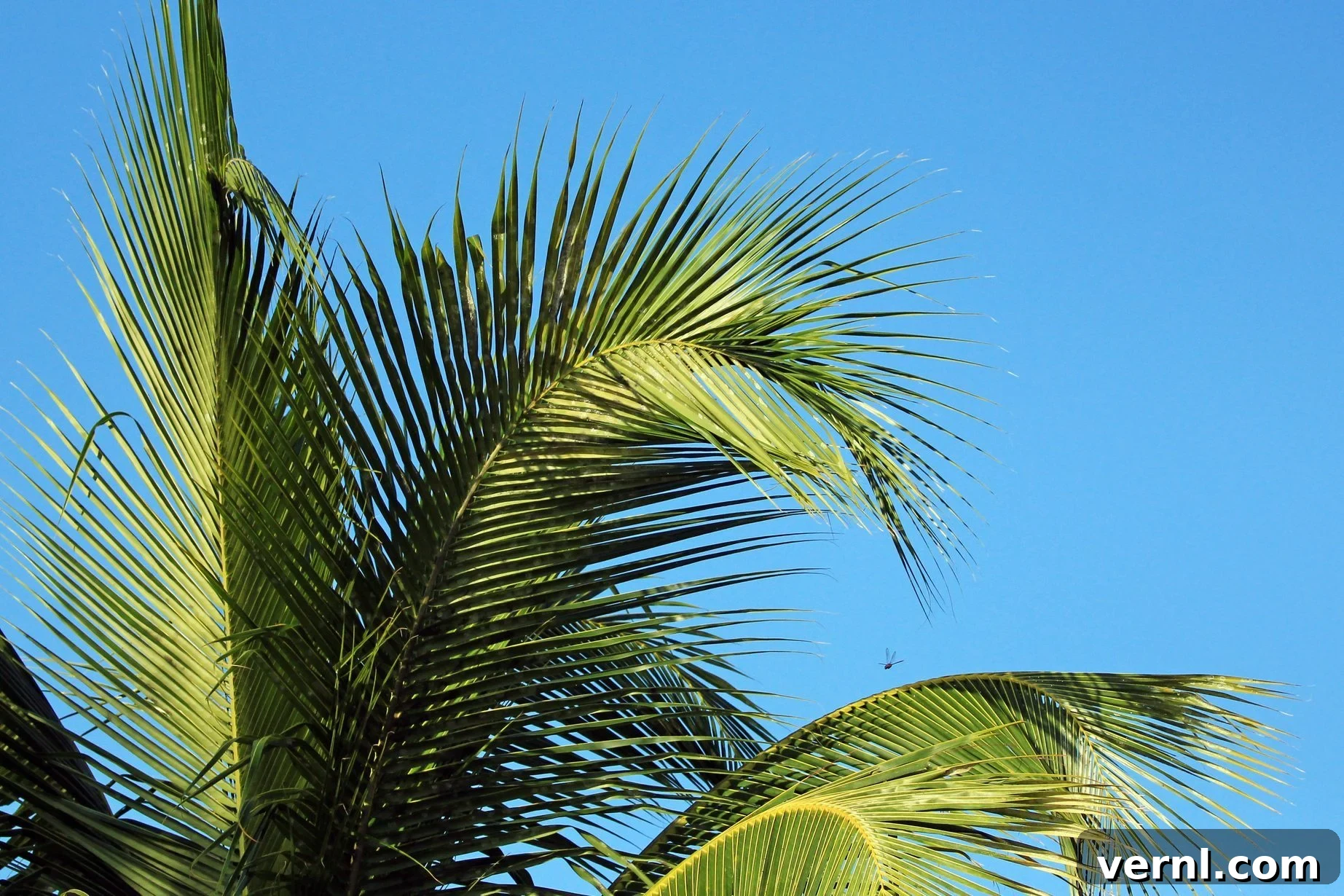
The majestic palm tree stands as an iconic symbol of tropical paradise, instantly transforming any landscape into an exotic retreat. From coastal havens to suburban backyards, these towering beauties evoke a sense of vacation and tranquility, offering a unique aesthetic that sets them apart from typical temperate foliage. My niece recently experienced this fascinating transition firsthand, moving from the treeless plains of the Midwest to the lush, palm-studded South. As she and her husband settled into their new home, they became proud, first-time palm tree owners. Their magnificent palm, a natural centerpiece in their backyard oasis, had already proven its remarkable resilience, weathering several powerful hurricanes. Now, her primary goal is to master the art of palm tree care, ensuring their beloved tree thrives for many years to come.
A crucial aspect of this journey, and one of her most pressing questions, involves understanding the unique needs and proper maintenance of each individual palm frond. After all, the Midwest simply doesn’t produce leaves of such impressive scale and distinctive character! Standing beneath these towering palms, it’s impossible not to marvel at how their fronds rustle overhead, creating that distinctive tropical whisper that somehow sounds like a permanent vacation. This guide aims to demystify palm frond care, providing homeowners with the knowledge to nurture their palms effectively and sustainably.
What Are Palm Fronds? Understanding the Unique Leaves of a Palm Tree
At its core, a palm frond is essentially the leaf of a palm tree, though it possesses distinctive characteristics that set it apart from the foliage of deciduous trees. Unlike the leaves of temperate deciduous trees that burst forth in spring and gracefully fall in autumn, palm fronds are evergreen, maintaining their vibrant green hue throughout the year and enduring for several years on the tree. These vital structures are the tree’s powerhouses, diligently performing photosynthesis to convert sunlight into energy, providing the essential food and nutrients the palm needs to grow and thrive. This remarkable longevity means that some robust palm fronds can remain active and healthy for five years or even longer, showcasing their enduring contribution to the tree’s vitality.
Beyond their crucial biological function, palm fronds are also celebrated for their incredible diversity in size, shape, and texture. They can range from delicate, slender forms to truly enormous structures, often categorized by their distinctive patterns. Some fronds gracefully unfurl like a giant feather, creating an elegant, airy canopy, while others spread out like an expansive, rigid fan, offering dense shade. When sunlight filters through a canopy of these diverse fronds, it creates an enchanting dance of light and shadow on the ground below—a natural stained-glass effect that effortlessly elevates ordinary backyards into picturesque tropical havens. Understanding these fundamental aspects of palm fronds, from their biological role to their aesthetic variety, is the first step toward effective and appreciative palm tree care and maintenance.
Exploring the Diverse World of Palm Frond Types
For those new to the enchanting world of palm trees, recognizing the distinct types of fronds is key to identifying the species and understanding its specific needs. Palm fronds broadly fall into two primary categories, each with its own unique aesthetic, structural characteristics, and implications for landscaping and care:
Pinnate (Feather-Like) Palm Fronds
Pinnate fronds are perhaps the most classic and widely recognized type, characterized by individual leaflets that extend gracefully from each side of a central stem, much like the barbs of a large feather. This arrangement gives the frond a soft, flowing, and often elegant appearance. The individual leaflets, or pinnae, are typically linear or lance-shaped, creating a textured yet delicate profile. When you run your fingers along these feathery fronds, you can feel dozens of glossy, firm ribbons, each surprisingly sturdy yet flexible enough to ripple and dance with the slightest breeze, creating that iconic tropical whisper overhead.
Examples of palm trees boasting these beautiful, feather-shaped fronds include the majestic Queen Palms (Syagrus romanzoffiana), the economically significant Coconut Palms (Cocos nucifera), and the graceful Date Palms (Phoenix dactylifera). These frond types typically offer a more delicate aesthetic in landscaping, allowing dappled light to filter through, making them ideal for creating serene, partially shaded areas. Their airy structure also tends to be more wind-resistant in strong gusts, as air can pass through them more easily.
Palmate (Fan-Like) Palm Fronds
In contrast, palmate fronds are instantly recognizable by their leaflets radiating outward from a single point at the end of the stem, forming a shape reminiscent of an open hand or a traditional fan. These fronds often have a more robust, rigid, and sometimes leathery appearance compared to their pinnate counterparts. The individual segments are typically broader and may be deeply or shallowly split, giving each frond a distinct, architectural quality.
You’ll commonly observe these striking fan-shaped fronds on trees like the towering Washingtonia Palms, also known as Mexican Fan Palms (Washingtonia robusta), the hardy European Fan Palms (Chamaerops humilis), and various Livistona species. Fan-shaped fronds generally provide denser shade due to their broad, overlapping structure, making them excellent choices for landscapes where substantial shade is desired. Their sturdy form can also offer a more dramatic architectural statement in a beautiful garden design, providing strong lines and a bold presence. While visually stunning, their broad surface area can make them more prone to wind damage in hurricane-force winds if not properly managed.
Knowing the specific frond type of your palm tree is invaluable. It not only assists in accurate species identification but also guides you in understanding its unique requirements for sunlight, water, and pruning. The choice between feather and fan fronds can significantly influence the overall aesthetic and functional qualities of your landscape, whether you’re aiming for a delicate, airy feel or a bold, sheltering presence.
Essential Strategies for Maintaining Healthy Palm Fronds
While palm fronds are remarkably resilient, ensuring their long-term health requires a nuanced understanding of their needs and proper maintenance practices. Unlike many other tree leaves, a healthy palm frond doesn’t typically demand intricate daily special care. Its life cycle naturally includes aging and eventually turning brown, which is a normal part of the tree’s process. However, improper care, particularly in pruning, can severely impact a palm’s vitality and longevity.
A fundamental principle in palm care is knowing when not to prune. “Unlike trees which are classified as dicots, palms are monocots, just like grasses and need every frond for best nutritional uptake,” explains Teresa Watkins, host of the Better Lawns and Gardens Radio Show based in Orlando, Florida. She emphasizes, “Only cut palm fronds off when they are diseased or completely brown.” This expert advice underscores a critical biological fact: green or even yellowing fronds, though appearing aged, are often still actively engaged in photosynthesis and are vital for the tree’s nutrient recycling process. Premature removal of these fronds deprives the tree of essential nutrients it’s actively reabsorbing, leading to what’s often termed “nutrient cannibalization.” This process is critical for the palm’s overall vigor, stress tolerance, and resistance to pests and diseases. Over-pruning, often referred to as “hurricane cutting” or “lion-tailing,” severely weakens the tree, making it more susceptible to nutritional deficiencies, pest infestations, and environmental stressors.
If you observe signs of disease, unusual spots, or abnormal growth on your palm tree’s fronds, it is crucial to consult an arborist specializing in palm trees. These experts can accurately diagnose the issue and advise on the best course of action for palm tree maintenance and potential pruning. They possess the knowledge to determine whether a frond is truly diseased or merely showing signs of nutrient deficiency, which might require specific fertilization rather than removal. Additionally, the University of Florida/IFAS Extension Service strongly advises against removing palm fronds before hurricane season. While it might seem counterintuitive to “trim for the storm,” all types of palm trees are naturally engineered to withstand strong winds. A full, healthy crown of fronds provides a crucial buffer, allowing wind to flow through rather than against a trimmed, vulnerable trunk. Palms that are over-pruned before a storm can actually sustain more severe damage, including trunk breakage, due to the increased wind resistance on the exposed stem.
Addressing Brown Palm Fronds: What You Need to Know
It’s an inevitable part of a palm tree’s life cycle: older fronds will eventually age, lose their vibrancy, and turn brown. This natural process doesn’t always signal a problem; often, it simply indicates the frond has completed its productive lifespan. What you do next depends largely on the specific species of palm tree you own, as well as safety considerations and aesthetic preferences.
Self-Cleaning vs. Manual Removal
Some species of palm trees are wonderfully low-maintenance when it comes to frond senescence, as they are considered “self-cleaning.” For these palms, once an older frond turns completely brown and dies, it will naturally detach and fall off the tree on its own. This saves homeowners the effort and risk of manual removal and reduces maintenance costs. Examples of self-cleaning palms include Royal Palms (Roystonea regia), Foxtail Palms (Wodyetia bifurcata), and some Areca Palms (Dypsis lutescens). However, many other common palm species require manual intervention to remove their brown, dead fronds. These fronds may remain attached to the trunk for extended periods, creating a “skirt” or “beard” of dead foliage. While this can offer some protection to the trunk in certain climates, it can also become a fire hazard, harbor pests (like rodents or insects), or simply detract from the tree’s aesthetic appeal.
Safe Manual Frond Removal Techniques
When manual removal is necessary, safety and proper technique are paramount. Always use a clean, sharp knife, a specialized palm pruning saw, or a pair of high-quality pruning shears designed for tough foliage. Ensure your tools are sterilized with rubbing alcohol or a bleach solution between trees to prevent the spread of potential diseases. For fronds that are within safe reach, carefully cut them as close to the trunk as possible without damaging the trunk itself. The goal is a clean cut that doesn’t leave a stub or wound the live trunk tissue. Never tear, pull, or use excessive force to remove fronds, as this can create open wounds that leave the tree vulnerable to pests and diseases, and can even cause permanent scarring or deformities to the trunk. If your palm tree has grown too tall for you to safely reach the brown fronds from the ground or a stable ladder, it is always best to consider hiring a professional tree service. Arborists have the specialized equipment, training, and insurance to perform such tasks safely and effectively, especially for tall or difficult-to-access palms.
Regarding timing and technique, Teresa Watkins offers a helpful visual guide to responsible pruning. Imagine your palm tree as the face of a clock. “No matter what species of palm, fronds should be left in the hands at nine o’clock and three o’clock position,” Watkins advises. This means preserving all fronds that extend horizontally or upwards from the trunk. “Never prune in hands at 10 to two o’clock,” she adds, referring to any fronds that are still pointing upwards or are actively contributing to the canopy’s photosynthetic capacity. Essentially, only remove fronds that have fallen significantly below the horizontal plane and are completely brown and dry. Generally, spring is considered the optimal season for trimming brown fronds and performing overall palm tree maintenance, as the tree is actively growing and can recover more easily from any necessary pruning.
Responsible Disposal of Fallen Palm Fronds
Once a palm frond has been removed or has fallen naturally, proper disposal becomes the next consideration. These fronds can be remarkably large, often several feet long and surprisingly heavy, posing a significant challenge for homeowners. More importantly, they are notoriously slow to decompose, making simple composting a complex endeavor.
The Composting Conundrum
According to the University of Florida/IFAS Extension Service, all types of palm fronds fall into the “maybe” category for composting. While not impossible, it’s far from straightforward. They strongly recommend knowing how to prune palm fronds, allowing them to dry thoroughly, and then running them through a heavy-duty chipper before attempting to add them to a compost bin. Even after chipping, the highly fibrous and woody nature of palm fronds means they will still take a considerable amount of time—often many months, if not years—to break down fully. This slow decomposition can tie up a compost pile for an extended period, making it impractical for most home gardeners who prefer a faster turnover of organic matter.
Alternative Disposal Methods
Given that most homeowners don’t own chippers capable of processing such tough material, alternative disposal methods are often more practical and efficient. Teresa Watkins suggests placing brown fronds “in lawn/debris bags or tied in bundles to be hauled away by your local utility.” It is highly advisable to contact your local garbage or waste management service to inquire about their specific guidelines for yard waste pickup. Many municipalities have designated days or seasons for collecting large yard debris, and there may be specific bundling requirements, weight limits, or even a charge for this service. Proper disposal not only keeps your yard tidy and aesthetically pleasing but also prevents potential fire hazards and unsightly accumulations of slow-to-decompose material, contributing to a cleaner and safer community.
Creative and Practical Uses for Dead Palm Fronds
Before you rush to discard those brown, fallen, or trimmed palm fronds, consider their potential! Far from being mere waste, dead palm fronds offer a surprising array of creative and practical uses for your yard, garden, and even your home. Repurposing these abundant natural materials is an excellent way to reduce waste, embrace sustainability, and add unique character to your surroundings without incurring extra costs.
Garden Mulch and Soil Enrichment
If you happen to own or have access to a heavy-duty chipper, transforming those dense fronds into mulch is an excellent option. While they break down slowly, this characteristic makes them fantastic for long-lasting ground cover in your garden beds. Palm frond mulch helps retain soil moisture, suppress stubborn weeds, regulate soil temperature, and slowly enrich the soil with organic matter as it decomposes. Remember, chipping them significantly accelerates the decomposition process compared to leaving them whole, making their nutrients more readily available to your plants over time and improving overall soil health.
Natural Crafts and Home Decor
For the crafty homeowner, dried palm fronds are a treasure trove of natural materials. Their fibrous structure makes them ideal for weaving projects such as sturdy baskets, durable mats, unique wall hangings, and even hand-woven hats. The broad, more durable surfaces of fan palm fronds (palmate) tend to work best for these types of projects, offering flexibility combined with strength. You can also use individual frond pieces to create interesting decorative elements, adding a touch of rustic, tropical flair to your indoor or outdoor living spaces. Imagine crafting a unique lampshade, a decorative wreath, or intricate seasonal decorations from repurposed palm fronds!
Rustic Landscaping and Edging
Looking for a simple yet impactful landscaping idea? Utilize whole or partial palm fronds to create attractive, rustic borders around your garden beds, pathways, or tree rings. Their natural texture and earthy color complement tropical plants beautifully and can help define different areas of your yard, offering an organic, low-cost alternative to traditional edging materials. They provide a charming, natural barrier that also helps keep mulch or soil contained, slowly blending into the landscape as they age.
Creating Wildlife Habitats and Erosion Control
If you have a larger yard and are keen on supporting local ecosystems, consider designating an unobtrusive corner for wildlife. A carefully stacked pile of palm fronds can provide invaluable shelter and nesting sites for small creatures such as beneficial insects (like ground beetles), lizards, and even small ground-dwelling birds. This simple act is an easy and effective way to support local wildlife and enhance biodiversity in your garden, all while finding a productive use for those otherwise discarded fronds. Just ensure the pile is placed away from structures and regularly monitored to prevent unwanted pests.
Additionally, in certain landscape designs, particularly on gentle slopes or high-traffic informal pathways, whole palm fronds can be laid down to help with light erosion control, especially in temporary situations. Their broad surface can help stabilize loose soil and reduce runoff, offering a rustic, temporary pathway surface in less formal areas of a large garden, adding a natural aesthetic while protecting the soil underneath. While not a permanent solution, it’s another creative way to utilize their sturdy structure for practical environmental benefits.
Frequently Asked Questions About Palm Fronds
What’s the primary purpose of palm fronds on a tree?
Palm fronds are essentially the specialized leaves of a palm tree. Their most critical role is photosynthesis, the process by which they convert sunlight into energy and nutrients, essentially feeding the tree. They are vital for the palm’s growth, health, and overall survival. Beyond their biological function, these magnificent fronds also define the tree’s iconic tropical aesthetic, providing shade, contributing to the distinctive rustling sounds associated with palm-lined landscapes, and even offering protection to the growing bud in the crown.
How do I know the right time to trim palm fronds?
The golden rule for trimming palm fronds is patience. Wait until the fronds are completely brown, dead, dry, and brittle. If they are still green, or even just yellowing, they are likely still providing essential nutrients to the tree and should be left alone. Prematurely removing green fronds can stress the palm, weaken its structure, and lead to nutrient deficiencies. The ideal time for trimming these fully brown, dead fronds is typically in the spring, when the tree is actively growing and can recover most efficiently from any necessary pruning. Always prioritize the tree’s health over aesthetic preference.
Can palm fronds be recycled or composted effectively?
Most municipal recycling programs do not accept palm fronds due to their fibrous and bulky nature. While technically compostable, palm fronds are extremely slow to break down. They require significant effort, preferably by running them through a heavy-duty chipper first, to accelerate decomposition. Without chipping, they can take years to fully compost, making them impractical for most home compost bins. For the majority of homeowners who don’t own chippers, the easiest and most practical option is to bag them up or bundle them for your local garbage or yard waste service to haul away. It’s always a good idea to call ahead to your local waste management facility, as there might be specific pickup schedules, size limitations, or fees associated with large yard debris.
What are some common craft uses for dried palm fronds?
Dried palm fronds, particularly the more durable fan palm varieties, are excellent natural materials for various craft projects. Their strong, fibrous nature makes them perfect for weaving sturdy items like baskets, decorative mats, and even unique hats or sun shades. Beyond weaving, individual frond pieces can be used to create distinctive decorative accents, wall art, or even rustic home decor items that bring a touch of tropical or natural charm into your living space. Their natural texture and earthy tones lend themselves well to organic and rustic aesthetic designs, making them a sustainable choice for creative endeavors.
Are all brown palm fronds dead?
While fronds that are completely brown, dry, and brittle are certainly dead and have completed their lifecycle, it’s important to understand the nuance. A frond turning completely brown usually indicates it has served its purpose and is ready to be removed (or will fall off naturally in self-cleaning species). However, fronds that are only partially brown, or yellowing, might be suffering from nutrient deficiencies, disease, pest infestation, or environmental stress, but could still be partially alive and contributing to the tree’s health. In such cases, removing them prematurely can do more harm than good by exacerbating the underlying problem. If you’re unsure about the health or vitality of a partially discolored frond, it’s always best to consult with a professional arborist to diagnose the underlying issue before taking any action.
How often do new palm fronds grow?
The rate at which new palm fronds grow varies significantly depending on the palm species, its age, overall health, and environmental conditions (such as climate, water availability, and nutrient levels). Generally, healthy palms will continuously produce new fronds from their central growing point, known as the “bud” or “heart.” This continuous growth ensures the tree always has a supply of fresh, photosynthesizing leaves to maintain its health and energy production. However, the older fronds at the base of the crown will eventually die and be replaced in a natural cycle. In optimal conditions, some fast-growing species might produce several new fronds each month, while slower-growing varieties might only produce a few new fronds per year. Providing adequate water and nutrients is key to encouraging vigorous frond growth.
About the Expert
Teresa Watkins brings a wealth of knowledge and practical experience to the world of horticulture. She hosts the weekly “Better Lawns and Gardens” radio show, offering valuable insights to a wide audience. Beyond her broadcasting role, Teresa is an accomplished author, a skilled landscape designer, and a seasoned horticulturist. She is also the force behind “Art in Bloom Garden Tours” and actively contributes to the National Association of Professional Women in Landscapes. Through her diverse endeavors, Teresa is dedicated to sharing practical and sustainable gardening solutions with both homeowners and industry professionals, inspiring healthier landscapes across communities.
Sources
- University of Florida/IFAS Extension Service: “Pruning Palms”
- University of Florida/IFAS Extension Service: “Can I Compost It”
- Naples Botanical Garden: “Identifying Common Palms”
- University of California Agriculture and Natural Resources: “General Care and Maintenance of Palms”
- Atlanta Palms: “Palm Fronds: Care and Uses”