Can You Paint Kitchen Countertops? A Comprehensive Guide to DIY Countertop Transformation
The idea of painting kitchen countertops can be incredibly appealing. It offers a seemingly quick, cost-effective, and transformative solution to update a dated kitchen without the significant expense and disruption of a full renovation. Imagine giving your kitchen an entirely new look over a weekend, just with a few cans of paint. Indeed, many types of kitchen countertop materials can be painted, providing a fresh aesthetic.
However, before you grab your paintbrushes, it’s crucial to understand a key caveat: while painting countertops is certainly possible, it’s not always the ideal long-term solution. Even the highest-quality paints and sealers typically won’t match the inherent durability and wear resistance of professionally installed countertop materials like stone, quartz, or even standard laminates. This is especially true in high-traffic, heavy-use areas where food preparation, spills, and frequent cleaning are commonplace.
For these reasons, painting kitchen countertops is often best reserved for specific scenarios. It’s an excellent choice for short-term fixes, such as refreshing a kitchen before selling a home, experimenting with a bold new color scheme before committing to a more expensive surface, or simply covering up an intolerable color until a more extensive remodel becomes feasible. If you’re looking for a permanent, highly durable surface that will withstand years of rigorous kitchen activity, painting might fall short of expectations.
According to Briana Gershenzon, Chief of Design at Renovation Sells, sometimes a complete countertop overhaul isn’t even necessary. “In kitchens, for instance, a dated-looking but still practical granite countertop can be elevated by painting the surrounding cabinets in a warm tone and updating the cabinet hardware and plumbing fixtures to a polished nickel finish.” Often, a change in the surrounding elements can dramatically improve the perception of your existing countertops.
If you’re still contemplating whether painting your kitchen countertops is the right move for you, or if you simply can (or should) paint your specific material, let’s break it down by common countertop types.
Painting Laminate Countertops: A Budget-Friendly Refresh
Yes, you can paint laminate countertops, and it’s one of the most common materials homeowners choose to refresh with paint. It’s an inexpensive way to upgrade your kitchen’s appearance, making it a popular DIY project for those on a tight budget. However, as Jay Sanders, owner of Castle Dream Construction, cautions, “Most often, painted surfaces will be less durable, and more prone to scratches and chips, so it will need to be retouched over time.” This means managing expectations about its longevity and preparing for potential touch-ups.
How to Paint Laminate Countertops for Best Results
Achieving a smooth, durable finish on laminate requires meticulous preparation and the right materials. To maximize durability and minimize the absorption of kitchen stains, choose a high-gloss, epoxy-based paint specifically designed for high-wear surfaces. Here’s a detailed guide:
- Thoroughly Clean the Surface: Begin by removing all grease, grime, and food particles. Use a strong degreaser and scrub the entire surface meticulously. Rinse thoroughly with clean water and allow it to dry completely. Any residual contaminants will prevent proper adhesion.
- Etch and Prep the Surface: Laminate is non-porous, so you need to create a profile for the primer to grip. Lightly scuff the entire surface using fine-grit sandpaper (180-220 grit) or a heavy-duty scrubbing pad like a Brillo pad. This step doesn’t require deep sanding, just enough to dull the glossy finish and create microscopic scratches.
- Clean Again: After sanding, thoroughly wipe down the countertop with a tack cloth or a damp cloth to remove all sanding dust. Let it dry completely.
- Apply High-Quality Bonding Primer: This is a critical step for laminate. Use an oil-based or epoxy-based bonding primer specifically formulated for glossy, non-porous surfaces. Apply one to two thin, even coats, allowing ample drying time between each coat as per manufacturer instructions. This primer creates a strong adhesive layer for your paint.
- Apply Multiple Thin Coats of Paint: Once the primer is fully dry, apply several thin coats of your chosen paint. Epoxy-based or enamel paints are generally recommended for their durability. Avoid thick coats, as they are more prone to chipping and uneven drying. Allow each coat to dry completely before applying the next, which can take several hours depending on humidity and paint type. Patience here is key for a smooth, lasting finish.
- Finish with a Clear, Food-Safe Epoxy Topcoat: This final layer is essential for durability, stain resistance, and a professional look. Apply two to three coats of a high-quality, clear, food-safe epoxy or polyurethane topcoat. Ensure the area is well-ventilated during application and allow the topcoat to cure fully – this can take several days or even weeks – before heavy use. Premature use can lead to impressions and damage.
Alternatives to Painting Laminate Countertops
If the idea of frequent touch-ups doesn’t appeal to you, there are other excellent options for revitalizing laminate. Jay Sanders suggests considering a countertop refinishing kit. “In fact, they can make your countertop look nice for as long as five years.” These kits often involve an epoxy-based coating that provides a much thicker, more durable surface than standard paint, mimicking the look of stone or solid surface materials. Another popular alternative for a temporary, non-permanent change is applying peel-and-stick countertop films, which come in a vast array of patterns and textures.
Can You Paint Formica Countertops?
Yes, Formica countertops can be painted using the exact same methods and with the same considerations as laminate countertops, given that Formica is a brand of laminate. “This can be a great way to introduce some new life without committing to a new look,” notes Brandon Walker, owner of ASAP Restoration. However, he also emphasizes the temporary nature of this fix: “That said, this is really just a Band-Aid fix because if the Formica surface is that far gone, it will likely need to be replaced in short order anyway.”
If you do opt to paint Formica, Walker stresses the importance of allowing the paint to fully cure before placing items on the surface. “Items left on top will leave impressions” if the paint hasn’t had adequate time to harden completely. Sanders also offers two valuable tips: first, use a deglosser before priming to significantly improve paint adhesion, especially on older, slick Formica surfaces. Second, consider using a paint sprayer instead of a roller or brush for a much smoother, more professional-looking finish, free from brush strokes or roller marks.
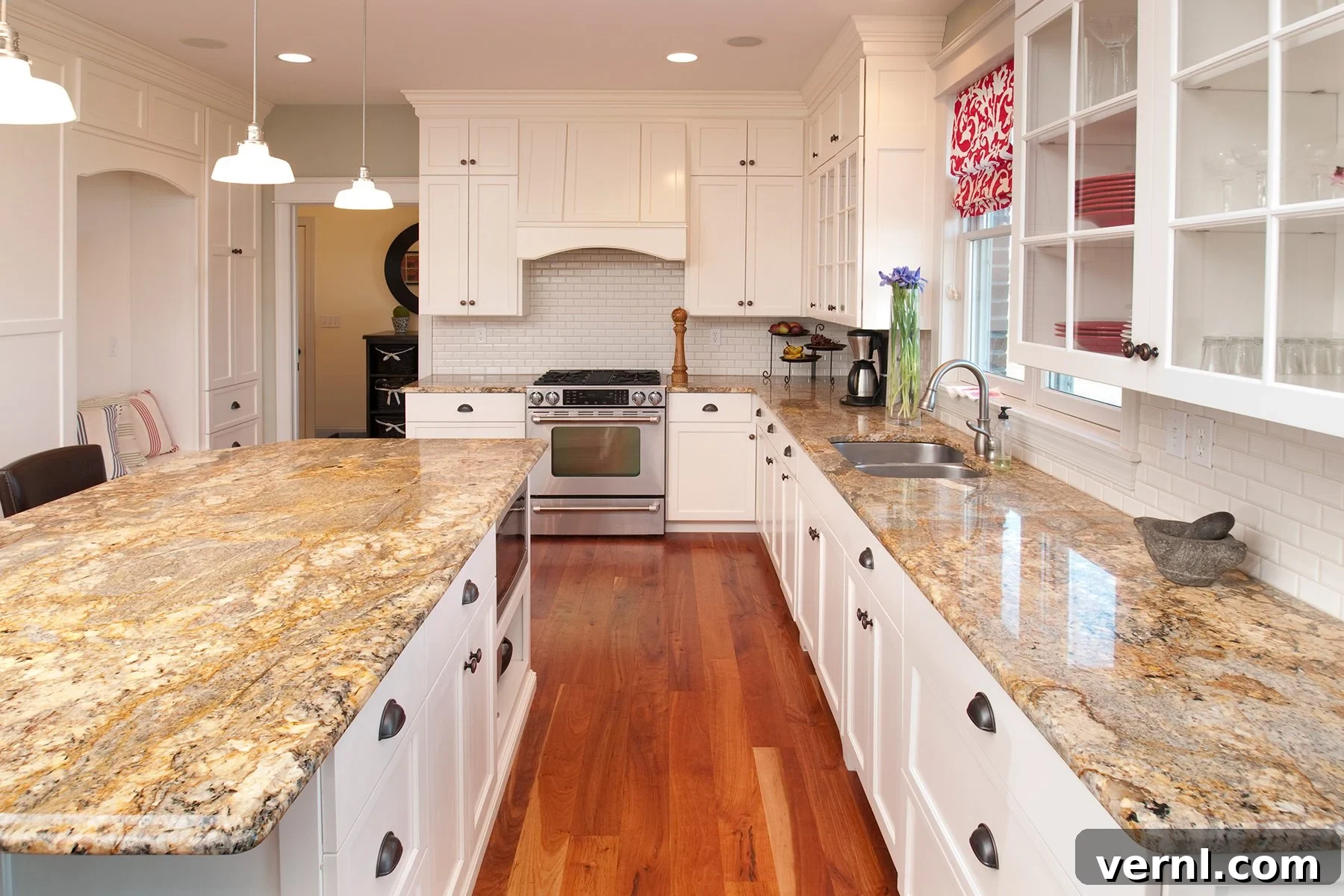
Can You Paint Granite Countertops?
Technically, yes, it is possible to paint granite countertops, but it is overwhelmingly advised against by professionals. “It requires an obscene amount of work, and it doesn’t ever look right anyway,” states Brandon Walker bluntly. He further adds, “Plus, everyone you bring into your kitchen will wonder why you ruined perfectly good stone in such a comically grotesque way.” Granite’s natural beauty, depth, and unique veining are its defining characteristics, which are completely obscured and often cheapened by paint.
Painting granite involves a complex process of cleaning, etching, priming with specialized products, applying multiple layers of paint (often designed to mimic stone), and then sealing with a durable topcoat. The results rarely replicate the luxurious feel or appearance of natural stone and can easily chip or scratch, revealing the original granite beneath. The effort and cost involved often outweigh the aesthetic outcome, especially given granite’s inherent durability.
Alternatives to Painting Granite Countertops
If you’re unhappy with the color of your granite, painting is not the best path. Instead, Jay Sanders suggests exploring permeating tinting products specifically designed for natural stone. These products can subtly alter the stone’s hue without covering its natural pattern. Always test a small amount in an inconspicuous location first to ensure you like the result. Another excellent alternative is to professionally reseal and refinish the granite. Over time, granite can lose its luster and become stained; resealing and polishing can bring back its original shine and enhance its natural beauty, making it look brand new again. This can be a DIY project with specialized kits or performed by a stone restoration professional.
Can You Paint Butcher Block Countertops?
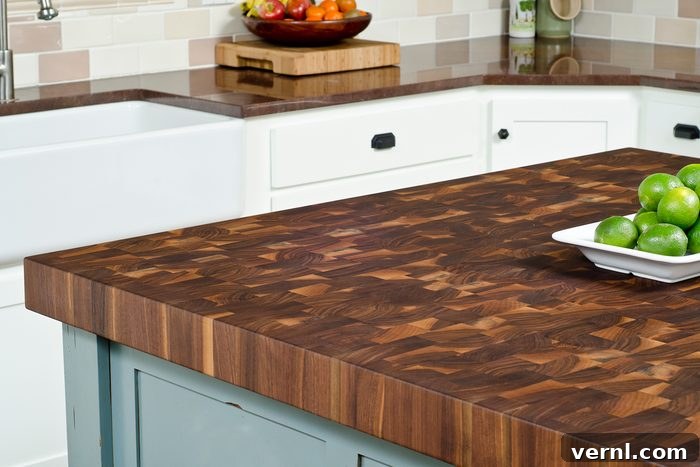
Yes, butcher block countertops, being made of solid wood, are relatively simple to paint. Wood is a porous material that readily accepts paint, and the process is similar to painting any other wooden surface. However, the more pressing question is: why would you want to? As Brandon Walker points out, “Their appeal is their bowling alley look and the damage resistance that the surface provides.” Painting butcher block countertops would negate both of these significant benefits, covering the natural wood grain and potentially compromising its food-safe characteristics if not done correctly.
Considerations if You Choose to Paint Butcher Block
Should you decide to paint your butcher block, it’s crucial to take specific precautions, especially if any part of it will be used for food preparation:
- Use Food-Safe Paint: If the painted area will come into contact with food, ensure you use a paint explicitly labeled as food-safe or non-toxic. Standard paints can leach chemicals.
- Seal with Food-Grade Polyurethane: After painting, apply several coats of a food-grade polyurethane or a similar durable, food-safe sealer to protect the paint and provide a resilient surface.
- Consider Partial Painting: Handyman Shlomo Cherniak suggests a clever compromise: “Consider painting just part of the countertop and leaving the rest natural for food prep.” This allows for a pop of color or design while preserving the functionality and natural beauty of the wood in primary food preparation zones.
Alternatives to Painting Butcher Block Countertops
Instead of painting, the best way to refresh butcher block countertops is to embrace their natural characteristics. “Simply give them new life by sanding them down, then re-staining, re-oiling, or resealing them,” advises Walker. This process removes surface scratches, stains, and minor damage, revealing fresh wood beneath. Regular oiling (with food-grade mineral oil or butcher block oil) keeps the wood conditioned and hydrated, enhancing its resistance to moisture and maintaining its beautiful, warm glow. This approach “will keep them looking brand new and capable of handling the worst that kitchen life can throw their way,” ensuring they remain a durable and attractive feature in your kitchen.
Can You Paint Tile Countertops?
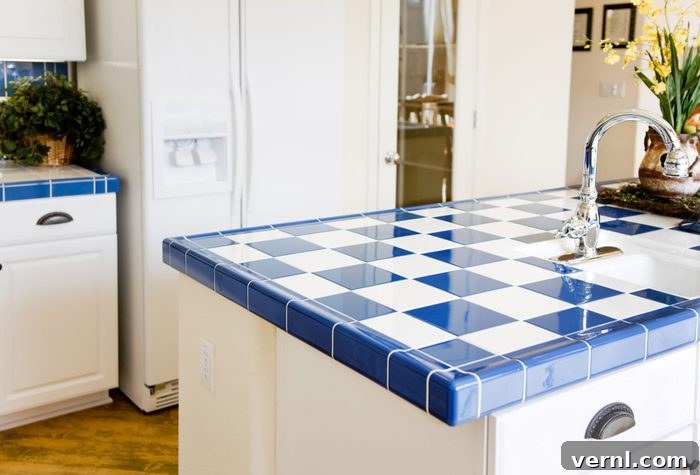
Technically, painting tile countertops is possible, but it’s generally not a recommended option. “It will look very strange since tile has grout lines, so there will be a textural difference without a visual cue for one,” explains Brandon Walker. Painting over tile and grout creates a uniform color but retains the underlying texture of the tiles and the recessed grout lines, often resulting in an unnatural and somewhat odd appearance. Furthermore, Cherniak warns that the paint will likely chip and peel over time due to the frequent use and cleaning kitchen countertops endure, especially along the grout lines and tile edges.
If You Choose to Paint Tile Countertops
If you’re committed to painting your tile countertops despite the drawbacks, here are Cherniak’s recommendations to maximize success and durability:
- Use a High-Adhesion Primer and High-Quality Epoxy Paint: Tile surfaces are typically glossy and non-porous. A specialized high-adhesion primer designed for slick surfaces is essential for the paint to bond effectively. Follow this with a durable, epoxy-based paint, which offers superior hardness and water resistance compared to standard paints.
- Consider Adding Texture: To mitigate the “strange” look of painted grout lines, Cherniak suggests adding texture to the paint. This can be achieved with specific texture additives or by using paints designed to mimic natural stone, which can help mask the underlying tile pattern and create a more cohesive appearance.
- Pay Extra Attention to Grout Lines: Grout lines are particularly vulnerable to moisture penetration and chipping. Ensure they are thoroughly cleaned, primed, and coated, and consider using a brush to work the paint well into these recessed areas. A high-quality topcoat is crucial to seal them effectively against moisture.
Alternatives to Painting Tile Countertops
For tile countertops with an undesirable pattern or color, painting is a short-term compromise. The much better and more durable solution is to re-tile the surface with a style you genuinely prefer. “Tiles tend to be very affordable, and while it may seem complicated, a tile countertop is a very DIY-friendly weekend task that most homeowners can tackle on their own,” says Brandon Walker. Modern tile adhesives and grouts make the process quite accessible for the average DIYer, resulting in a fresh, durable, and genuinely updated look that will last for many years.
Can You Paint Linoleum Countertops?
Yes, linoleum countertops can be painted, but much like Formica and other laminate materials, they will be prone to the same pitfalls regarding durability and wear. Linoleum, while durable in its original state, is a softer material compared to stone or even modern laminates, making painted finishes particularly susceptible to scratches, dents, and chips.
“If it is the only option you can afford, then go for it,” acknowledges Brandon Walker, recognizing that sometimes budget constraints dictate decisions. However, he strongly advises considering replacement if possible: “On the other hand, linoleum is one of the most affordable materials for counters, so replacing this material is a much more long term, and beautiful solution to painting.” Given linoleum’s relatively low cost, replacing it with new linoleum or a similarly affordable material often provides a superior, longer-lasting result than a painted finish.
Alternatives to Painting Linoleum Countertops
For linoleum countertops, especially those showing significant wear or an undesirable pattern, there are highly effective and less permanent alternatives that offer a fresh look without the durability issues of paint. “Simply cover it with contact paper or peel-and-stick tiles so that you have a new look without issues of durability,” suggests Shlomo Cherniak. These self-adhesive coverings are available in an extensive range of designs, including faux wood, marble, and abstract patterns. They are relatively inexpensive, easy to apply and remove, and provide an instant, temporary update that can be changed whenever you desire, often outperforming painted linoleum in terms of both appearance and temporary durability.
General Tips for Painting Any Countertop Material
Regardless of the countertop material you choose to paint, a few universal principles will enhance your project’s success and safety:
- Ventilation is Key: Paints, primers, and sealers often contain volatile organic compounds (VOCs). Ensure excellent ventilation by opening windows and using fans. Consider wearing a respirator for extended periods.
- Test in an Inconspicuous Area: If possible, test your chosen paint and topcoat system on a hidden section of the countertop or a spare piece of the same material to ensure compatibility and desired appearance.
- Understand Dry vs. Cure Times: “Dry to touch” does not mean “ready for use.” Paint needs to cure, a chemical process where it hardens to its maximum durability. This can take days or even weeks. Follow manufacturer instructions meticulously for cure times before subjecting your countertops to heavy use.
- Surface Preparation is Paramount: No matter the material, thorough cleaning, degreasing, and proper surface etching/sanding are the most critical steps. A paint job is only as good as the preparation underneath it.
Conclusion: Weighing Your Options for Countertop Transformation
Painting kitchen countertops can be a viable and satisfying DIY project, particularly when seeking a temporary refresh or a budget-conscious update. It offers an accessible path to changing the aesthetic of your kitchen without the investment of a full replacement. However, it’s essential to approach this project with realistic expectations regarding durability and longevity, especially in the high-demand environment of a kitchen.
For most materials, painted countertops will require more care and may show wear sooner than their original surfaces. Alternatives like refinishing kits, re-oiling, or even covering with peel-and-stick products often provide a more durable or equally convenient solution. By understanding the specific challenges and benefits associated with each countertop material, and by carefully considering the effort involved versus the desired outcome, you can make an informed decision that best suits your home and lifestyle.
About the Experts
- Brandon Walker is Superintendent at ASAP Restoration in Tempe, Arizona. He has more than 20 years of experience in the industry, doing everything from running his own company and ASAP teams to all of the odd-jobs in between.
- Jay Sanders is a licensed contractor based in Baltimore. He owns Maryland Contractor and Castle Dream Construction, and has been working in construction for more than a decade.
- Shlomo Cherniak is owner of Cherniak Home Services, which offers handyman services to the Baltimore area.
- Briana Gershenzon is Chief of Design at Renovation Sells, a national company that simplifies home renovations for buyers and sellers. She has more than 10 years of experience in residential design, project management, furnishings and renovations.