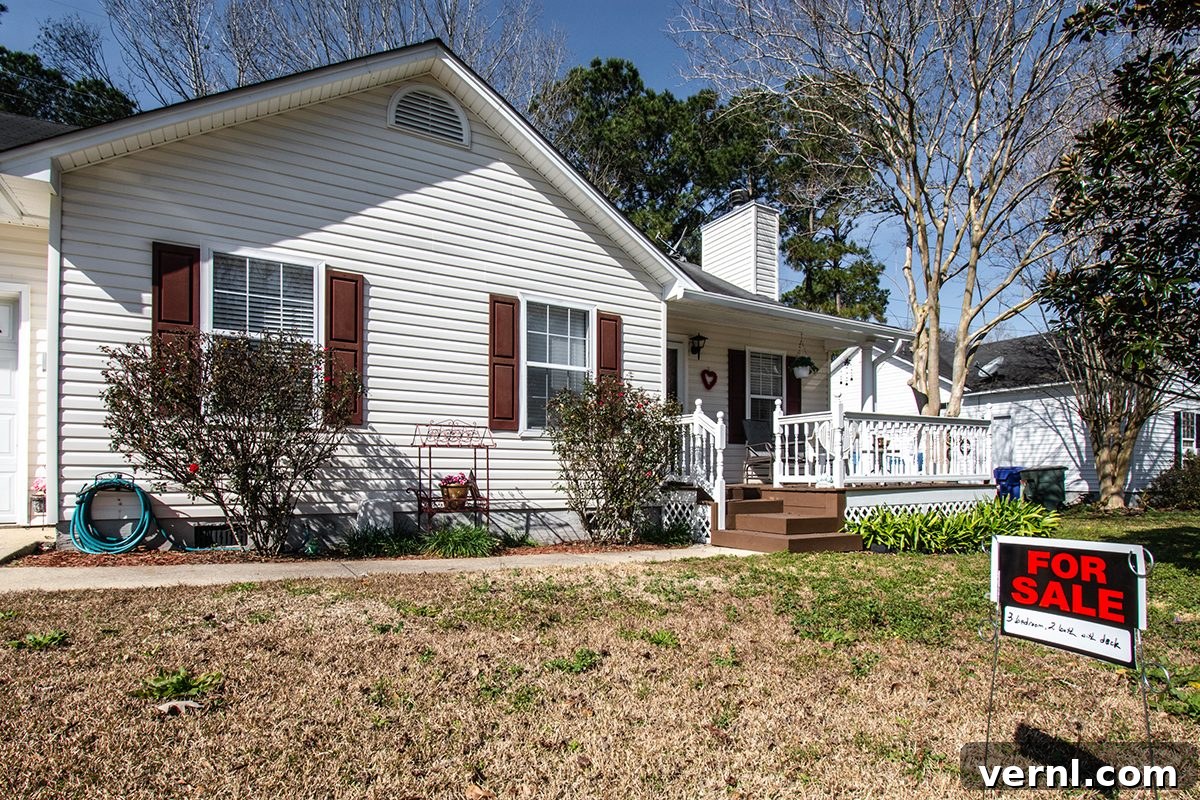
Navigating the housing market in 2025 presents a significant challenge for many Americans, with the question of “how much are people spending on mortgages?” yielding a complex and often daunting answer: substantially more than in previous years. Persistent higher interest rates, coupled with stubbornly elevated home prices, continue to exert considerable pressure on the budgets of homeowners and prospective buyers across the United States. This intricate financial landscape makes understanding the current state of mortgage payments, debt, and regional differences more crucial than ever.
Understanding Mortgage Rates in 2025: What Borrowers Need to Know
While the peak of recent interest rate hikes may have passed, mortgage rates in 2025 remain a central factor dictating housing affordability. We’ve seen a modest but welcome dip from their highest points, offering a sliver of relief for those looking to enter or refinance in the market. Currently, the average rate for a 30-year fixed mortgage hovers around 6.79%, a slight improvement from the 7.09% observed at the beginning of the year. Similarly, 15-year fixed rates have also seen a minor adjustment, now averaging just under 6% at approximately 5.96%.
Although any decrease is a positive sign, it’s imperative to place these figures in historical context. These rates are still notably elevated compared to the sub-4% era experienced consistently between 2013 and 2019. The stark difference means that today’s homebuyers are committing to significantly higher interest costs over the life of their loan compared to those who purchased just a few years prior. This shift represents a fundamental change in the cost of homeownership.
The practical implications for monthly payments are substantial. Consider a $400,000 mortgage taken out at the current 6.79% rate. The monthly principal and interest payment alone would be approximately $2,648, according to Investopedia. This figure does not even account for other essential housing expenses like property taxes and homeowner’s insurance, which can add hundreds, if not thousands, to the total monthly outlay. To illustrate the dramatic change, that same $400,000 loan would have commanded a payment closer to $2,000 just a few years ago when rates were considerably lower. This increase of over $600 per month significantly impacts household budgets, making it harder for many to save or meet other financial objectives.
The trajectory of mortgage rates is often tied to broader economic indicators, including inflation and the Federal Reserve’s monetary policy. While inflation has shown signs of cooling, geopolitical events and supply chain disruptions can still exert upward pressure on prices, influencing future rate decisions. Borrowers should remain vigilant about economic forecasts and consider the potential for either further slight declines or renewed increases, which could impact their borrowing power and long-term financial planning. Understanding these dynamics is crucial for making informed decisions in a volatile market.
America’s Mortgage Landscape: Trillions in Debt and Growing Pressures
The scale of mortgage debt in the United States is staggering, reflecting both the aspiration of homeownership and the significant financial commitment it entails. Americans collectively owe an estimated $12.59 trillion across nearly 85 million active mortgages. This translates to an average balance of approximately $148,222 per loan, according to data from Lending Tree. This immense figure underscores the profound role mortgage debt plays in the nation’s economy, representing a dominant 70.2% of all consumer debt in the U.S.
Financial prudence dictates that housing costs should remain manageable within a household budget. Experts typically recommend allocating no more than 28% of your gross monthly income towards housing expenses. This critical guideline encompasses not only your mortgage principal and interest but also essential costs such as property taxes and homeowners insurance. However, the current economic climate, characterized by escalating home prices and elevated mortgage rates, has pushed a growing number of homeowners well beyond this recommended threshold.
Exceeding the 28% rule carries significant financial implications. Households dedicating a disproportionately large share of their income to housing often find themselves “house poor,” with limited disposable income remaining for other crucial financial goals. This can severely hinder efforts to build emergency savings, contribute adequately to retirement funds, pay down high-interest consumer debt, or invest in education and personal development. The ripple effect of such financial strain can permeate all aspects of life, reducing overall financial security and flexibility.
Moreover, the average mortgage balance figure can be misleading. While $148,222 represents a national average, it’s heavily skewed by older, paid-down mortgages and properties in less expensive markets. In reality, new mortgages in high-cost-of-living areas, particularly for first-time buyers, often exceed several hundred thousand dollars, pushing individual monthly payments far above the national average and exacerbating the affordability crisis for many.
The Geography of Affordability: How Location Shapes Your Mortgage Payments
The concept of a “national average” mortgage payment often masks the vast disparities in housing costs that exist across different regions of the United States. Where you choose to live dramatically influences the financial burden of homeownership. Unsurprisingly, regions with robust economies, high demand, and limited housing supply consistently report the highest average monthly mortgage payments. For instance, homeowners residing in the Pacific region face the highest average monthly payments, estimated at around $2,307.
This regional variation isn’t just a matter of higher home prices; it also reflects differences in property tax rates, insurance costs, and local economic conditions. While the Pacific states lead in high payments, other metropolitan areas on the East Coast, particularly in the Northeast corridor, and certain booming Southern cities also experience significantly above-average housing costs. Conversely, states in the Midwest or parts of the South, with lower median home values and property taxes, typically offer more affordable mortgage payments, drawing in residents seeking a lower cost of living.
In this challenging market, the attractiveness of renting has grown considerably for many. A recent Investopedia report revealed a striking trend: renting is currently a more economically viable option than buying in 48 out of the 50 largest U.S. metropolitan areas. With the national median rent sitting at approximately $1,703, renting offers a more manageable monthly expense for a significant portion of the population. This figure, while still considerable, is often significantly less than a hefty mortgage payment, especially when factoring in the additional costs of homeownership like property taxes, insurance, and maintenance.
The decision to rent versus buy extends beyond just monthly payments. Renting typically requires less upfront capital (no large down payment), offers greater flexibility for relocation, and shifts the burden of maintenance and repairs to the landlord. For many individuals and families struggling to save for a down payment or hesitant about committing to a long-term, high-interest mortgage, renting provides a practical and less financially demanding alternative. However, it’s also important to acknowledge that renting doesn’t build equity and is subject to potential rent increases, which can also impact long-term financial planning. The ongoing debate between renting and buying is now more nuanced than ever, heavily influenced by the prevailing affordability crisis in the homeownership market.
Navigating the Market: Persistent Challenges for Homebuyers and Current Owners
The dream of homeownership, once a cornerstone of the American ideal, has become increasingly elusive for a growing segment of the population. If you’re actively searching for a home in 2025, the stark reality of affordability issues is likely at the forefront of your experience. The market is characterized by a challenging trifecta: persistently high home prices, a tight inventory of available properties, and elevated mortgage rates that amplify the cost of borrowing. This combination creates an uphill battle for prospective buyers and puts a strain on existing homeowners.
The shortage of homes for sale is partly due to the “lock-in effect,” where many existing homeowners are reluctant to sell their properties. Having secured historically low mortgage rates in previous years, they are hesitant to trade up or downsize, as doing so would mean taking on a new mortgage at significantly higher current rates. This phenomenon reduces market liquidity and limits options for new buyers, especially those looking for entry-level homes.
The struggle isn’t confined to particular demographics or income brackets. Even in affluent areas, the challenge of upgrading to a larger home is palpable. For instance, families earning a substantial $270,000 per year in Northern California are finding it difficult to move into more spacious residences, according to an Associated Press report. This illustrates that the affordability crisis extends beyond just low-income individuals; it impacts a broad spectrum of the population in high-cost regions. Across the country, first-time buyers face even more formidable obstacles, often competing with cash buyers or investors, grappling with the need for substantial down payments, and managing existing student loan debt.
Many potential buyers are now forced to consider a range of strategic adjustments: looking for smaller homes, exploring less desirable neighborhoods, or extending their commute. Others are choosing to delay their homeownership plans altogether, opting to save more aggressively or wait for more favorable market conditions, though predictions for a significant market cool-down remain uncertain. The psychological impact of feeling “priced out” of the market can be profound, leading to frustration and a sense of stagnation among those aspiring to achieve the stability and wealth-building potential that homeownership traditionally offers.
In conclusion, the landscape of mortgage payments in 2025 undeniably presents a challenging picture. Despite a slight softening of mortgage rates compared to their recent peaks, the combination of stubbornly high home prices and significant monthly payment obligations is making homeownership a formidable hurdle, particularly for first-time buyers. Americans are shelling out more than ever for their mortgages, with total debt reaching trillions and a growing number of households stretching their budgets beyond recommended limits just to afford a place to call home. This reality is prompting many to reconsider their housing strategies, with renting becoming an increasingly attractive and financially viable option in many major U.S. cities. The current market demands careful financial planning, adaptability, and a realistic understanding of regional economic disparities as individuals navigate the complex path to securing their housing future.