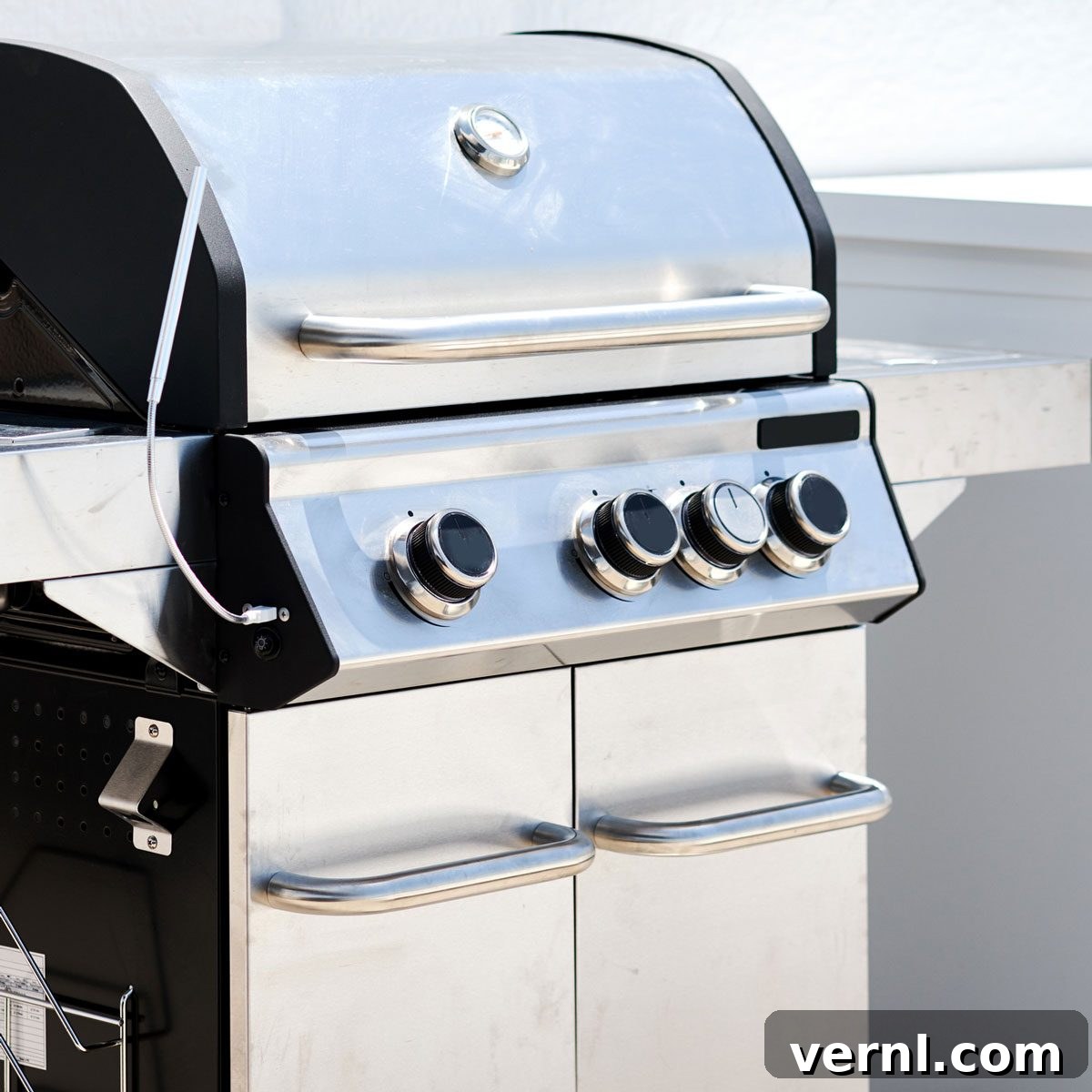
There’s nothing quite like the experience of outdoor cooking, and at the heart of many memorable backyard gatherings is the reliable gas grill. Imagine the enticing aroma of sizzling meats and vegetables wafting through the air, drawing friends and family closer, fostering camaraderie and shared joy. A gas grill isn’t just a cooking appliance; it’s a centerpiece for creating lasting memories and delicious meals.
But what precisely defines a gas grill? It’s a remarkably convenient and versatile device designed to operate on either propane or natural gas. Unlike charcoal grills, which demand constant attention to maintain a consistent temperature, gas grills offer precise temperature control throughout your cooking process, allowing you to focus more on your food and guests.
While gas grills are engineered for durability and performance, like all mechanical devices, their components will eventually show signs of wear and tear. When this happens, a fundamental understanding of your grill’s anatomy – how its parts function and how to replace them – becomes invaluable. Quality gas grills from reputable manufacturers typically offer a wide range of readily available replacement parts, ensuring that you can perform routine maintenance and component swaps to keep your beloved grill operating efficiently for many seasons to come. Investing in a grill whose parts are replaceable is a smart choice that extends its lifespan and protects your investment.
This comprehensive guide will walk you through the essential components of a gas grill, detailing their functions, common issues, and how to maintain or replace them. By familiarizing yourself with these critical elements, you’ll be well-equipped to troubleshoot problems, make necessary repairs, and ensure your grilling adventures are always a success.
Gas Grill Anatomy: Key Components and Their Vital Functions
To truly master your gas grill, it’s essential to delve into its core components. Understanding each part’s purpose and how it contributes to the overall grilling experience is the first step toward effective maintenance and troubleshooting.
Igniters: Sparking the Flame of Culinary Delight
Igniters are crucial for the modern gas grill, providing the convenience of push-button or rotary knob ignition. Positioned strategically near the burner tubes, these clever devices utilize electricity to generate a spark. This spark then ignites the steady flow of propane or natural gas emanating from the burner tubes, bringing your grill to life with ease. Gone are the days of fumbling with lighter wands or long matches; with a functional igniter, turning on your grill is as simple as opening the fuel valve and pressing a button.
Igniters are often among the first components to show signs of failure, commonly due to corrosion affecting wire connections or a depleted battery. When an igniter fails, repair typically involves replacing the igniter module or the electrode units. It’s worth noting that igniter parts are usually specific to a particular grill brand and model, so always verify compatibility before purchasing replacements.
Burner Tubes: The Heart of Your Grill’s Heat Production
Burner tubes are elongated metal cylinders, meticulously perforated with rows of small holes along their length. When your gas grill is operating, gas flows through these tubes and exits via these perforations, where it combusts to create the intense heat necessary for cooking. Most gas grills are equipped with two to six burners, designed to produce consistent and even heat across the cooking surfaces, leading to perfectly cooked food every time.
The most prevalent cause of burner tube failure is corrosion. The thin metal walls are susceptible to rust over time. If not replaced promptly, these tubes can develop large rust holes, leading to uneven gas distribution – too much in some areas, not enough in others – resulting in inconsistent heat. Replacing corroded burner tubes involves carefully removing the old ones and sliding new ones into place, ensuring they are securely connected to the gas supply manifold. While some burner tubes are specific to certain grills, many are designed to fit a wide range of models, making replacements relatively accessible.
Manifolds: Orchestrating the Gas Flow
Understanding the manifold’s role is critical when delving into gas grill anatomy. Manifolds are intricate metal pipe assemblies that serve as the central distribution hub, connecting the primary gas supply to each individual burner tube. Typically situated on the front of a gas grill, beneath the burner control knobs and protected by a cover, manifolds are fundamental to regulating gas flow. Like other metal components of your grill, manifolds are vulnerable to corrosion over time. When compromised, they can impede proper gas transport to the burner tubes and, more critically, pose significant safety risks due to potential gas leaks.
Replacing a manifold requires a methodical approach: first, remove the control knobs and their protective cover. Then, carefully disconnect the old manifold from both the burner tubes and the main gas line. The new manifold can then be slid into position, connections re-established, and all components reassembled, restoring your grill’s gas distribution system to optimal, safe operation.
Regulators: The Guardians of Gas Pressure and Safety
Gas regulators are indispensable safety devices that connect your propane tank to the grill. Their primary function is to reduce the high pressure of the gas within the tank to a safe and manageable level before it reaches the burner tubes. This controlled pressure ensures both efficient combustion and user safety. Over time, like any other grill part, regulators can fail. A malfunctioning regulator might either allow gas to leak into the air before reaching the grill – a dangerous situation requiring immediate attention – or it might completely obstruct gas flow, preventing the grill from lighting.
In either scenario, a replacement regulator is necessary. The process involves disconnecting the old regulator from both the propane tank and your grill’s gas line. Once the new regulator is securely threaded on, it’s imperative to test for leaks. A simple yet effective method is to spray a mixture of water and dish soap onto all connections. If a leak is present, the soapy solution will continuously bubble, indicating the need for further tightening or re-evaluation of the connection before operating the grill.
Cooking Grates: The Direct Interface with Your Food
Cooking grates are positioned directly above the heat source and are the surface where your food makes contact. Commonly made from durable materials like cast iron or stainless steel, they are crucial for searing, cooking, and achieving those coveted grill marks. Cast iron grates are known for their excellent heat retention and ability to create a superior sear, while stainless steel grates offer easier cleaning and resistance to rust. Proper grill maintenance places a strong emphasis on regularly cleaning grates with a grill scraper to eliminate excess grease and food particles. Neglecting this step can lead to a significant buildup of soot, which not only affects food flavor but also greatly increases the risk of dangerous flare-ups during grilling, making regular cleaning a vital safety measure.
Heat Shields (Flavorizer Bars or Flame Tamers): Distributing Heat and Enhancing Flavor
Heat shields, often referred to as flavorizer bars or flame tamers, form critical parts of the overall gas grill anatomy. These barriers are strategically placed above the burners but beneath the cooking grates. Their dual purpose is to protect the gas grill burner components from dripping food and to evenly dispense heat across the entire cooking surface, preventing hot and cold spots.
Beyond heat distribution, heat shields play a significant role in minimizing flare-ups. When food drippings fall onto these hot shields, they vaporize, creating flavorful smoke that infuses back into your food, enhancing its taste. This process also keeps the drippings from accumulating directly on the burner surface, significantly improving the durability and longevity of your grill by keeping the burners cleaner.
Temperature Gauge: Your Window to Internal Grill Conditions
A temperature gauge, typically mounted on the grill lid, provides a vital measurement of the internal temperature of your grill. An accurate gauge is indispensable for precision cooking, allowing you to monitor and adjust the heat to achieve perfect results for various recipes, from slow-cooked ribs to perfectly seared steaks. While most grills come with a built-in gauge, external probe thermometers can offer even greater accuracy and direct food temperature readings.
Grease Trays (Drip Pans): Essential for Cleanliness and Safety
Grease trays, often accompanied by disposable drip pans, are critical components of grills designed to collect excess food particles and grease that fall through the grates and off the heat shields. These trays prevent grease from accumulating in the bottom of the grill, which is essential for both hygiene and safety. Periodic cleaning of the grease tray is paramount to prevent corrosion, inhibit bacterial growth that could contaminate food, and most importantly, mitigate the significant risk of grease fires, which can be extremely dangerous. Always ensure your grease tray is clean before each use.
Control Knobs and Valves: Precision at Your Fingertips
The control knobs on the front of your grill are directly linked to gas valves, which regulate the flow of gas to each burner. These allow you to precisely adjust the flame intensity and, consequently, the cooking temperature. Over time, control knobs can become stiff, loose, or even break, while the valves themselves can experience issues like blockages or leaks. Proper functioning of these components is crucial for safe and effective temperature management, allowing you to fine-tune your grilling for perfect results.
Hose and Connections: The Lifeline of Your Grill
The gas hose, which connects the regulator to your grill’s manifold, is a flexible but critical component. Along with all other connections and fittings, it must be robust and leak-free. Regular inspection of the hose for cracks, abrasions, or signs of wear is vital. Any compromise in the hose or its connections can lead to dangerous gas leaks, making immediate replacement imperative if damage is detected. Always ensure connections are tight and secure, performing a leak test whenever you connect or disconnect your gas supply.
Lid/Hood: Convection Cooking and Heat Retention
The grill lid or hood plays a significant role in capturing and circulating heat, transforming your grill into a convection oven. Keeping the lid down helps maintain consistent temperatures, cooks food more evenly, and prevents it from drying out, especially for thicker cuts of meat or whole poultry. It also aids in infusing smoky flavors into your dishes. A well-designed lid is essential for efficient heat retention and versatility in cooking styles.
Grill Cart and Wheels: Mobility and Stability
While often overlooked, the grill cart or cabinet provides the structural support and stability for all the internal components. Many grills also feature wheels or casters, offering convenient mobility to position your grill wherever you need it in your outdoor space. Ensuring the cart is sturdy and the wheels are functional contributes to both the practicality and safety of your grill, preventing accidental tipping and allowing for easy storage.
Gas Grill Maintenance Guide: Essential Hacks to Keep It Running Like New
Consistent maintenance of all your grill’s parts is not just about longevity; it’s about ensuring safety, optimal performance, and consistently delicious food. A well-cared-for grill is a joy to use. Here’s a comprehensive gas grill maintenance guide to help you get started and keep your grill in top shape:
- Post-Grill Cleaning Routine: Always brush your cooking grates while they are still warm to remove charred food bits and grease. For stubborn residue, consider soaking them in warm, soapy water before scrubbing. Also, take the time to clean the burner components and heat shields, removing any debris from the base of the grill. A gentle cleanser can be used to wipe down the exterior, keeping it sparkling.
- Igniter Care: If your grill isn’t lighting up properly, thoroughly clean the ignition electrode. Corrosion or food buildup can prevent a good spark. Also, regularly check and replace the igniter batteries as needed, typically found within the igniter module.
- Burner Tube Inspection: Install spider screens if your grill doesn’t have them to prevent insects from nesting in the burner tubes. Regularly check the tubes for any blockages, such as spider webs or debris, which can impede gas flow and cause uneven heating.
- Hose and Regulator Check: Periodically examine the gas hose for any signs of wear, cracks, or leaks. In case of any damage, replace it immediately with an approved replacement hose. Similarly, check the regulator for any visible damage or signs of aging.
- Troubleshooting Low Heat Output: If you experience low or uneven heat, perform a “regulator reset.” First, close the tank valve and turn off all burner knobs. Disconnect the regulator from the tank, wait a few minutes, then reconnect it securely. Finally, slowly open the tank valve and then light the grill. This often resolves issues caused by the regulator going into “bypass mode” due to a sudden rush of gas.
- Deep Cleaning Schedule: Beyond routine cleaning, schedule a deep cleaning at least twice a year, or more frequently if you grill often. This involves disassembling key components like grates, heat shields, and burners for thorough cleaning and inspection.
- Winterization (for colder climates): If you live in an area with harsh winters, properly winterize your grill. Clean it thoroughly, disconnect and store the propane tank (preferably in a well-ventilated outdoor area), and consider covering the grill or storing it indoors to protect it from the elements.
- Propane Tank Management: Always store propane tanks upright in a well-ventilated outdoor area. Never store them indoors or in enclosed spaces. Regularly check the tank for dents or rust, and ensure it’s within its recertification date.
FAQ: Common Questions About Gas Grills Answered
How can I reset my gas grill regulator?
To reset your regulator, first, turn off the gas supply at the tank valve. Then, disconnect the hose from the tank. Open the grill lid and turn all burner valves to the ‘High’ position for about one minute to release any residual pressure in the line, then turn them off. Reconnect the gas line securely to the propane or natural gas tank, ensuring a tight fit. Slowly open the tank valve all the way, then wait a few moments before attempting to light your grill as usual.
Can I get some tips for grilling my meat and vegetables to perfection?
Absolutely! Always preheat your grill to the desired temperature before placing food on it – this ensures even cooking and good searing. Marinating your meat and vegetables for at least a few hours, or even overnight in the refrigerator, can dramatically enhance flavor and tenderness. Before grilling, allow refrigerated food to come to room temperature for about 15-30 minutes for more even cooking. Finally, keep the grill hood down as much as possible, especially for thicker items; this traps heat and moisture, preventing food from drying out and ensuring faster, more uniform cooking through convection.
Is a gas grill better than a charcoal grill?
The choice between a gas grill and a charcoal grill largely comes down to personal preference and priorities. Gas grills are renowned for their convenience, offering quick ignition, precise temperature control, and easier cleanup, making them ideal for busy weeknights. Charcoal grills, on the other hand, are celebrated for imparting a distinct, smoky flavor to food that many find superior. While they require more time to heat up and more effort to manage temperature and cleanup, the unique taste they deliver is often worth the extra effort for enthusiasts. Neither is inherently “better”; it’s about what suits your grilling style and taste preferences.
How often should I clean my gas grill?
For optimal performance and safety, you should perform a light cleaning of your cooking grates after every use. A more thorough cleaning, including the heat shields and grease tray, should be done every 4-5 uses or monthly, depending on how frequently you grill. A deep clean, involving disassembly of burners and interior scrubbing, is recommended at least twice a year, typically at the start and end of grilling season.
What are the signs that I need to replace my grill’s burner tubes?
Common signs that your burner tubes need replacement include uneven flames (some areas with high flames, others with very low or no flames), rust holes visible on the tubes, difficulty achieving high temperatures, and excessive flare-ups in specific areas. If your grill struggles to maintain consistent heat or you see significant physical damage to the burners, it’s likely time for new ones.
Sources:
- This Old House: “What To Know About Your Gas Grill”
- AEI Corporation: “Best Gas Grill Tips & Tricks”
- How Stuff Works: “How Grills Work”
- Blazing Embers: “What is a Gas Grill and How Does It Work?”
- National Fire Protection: Association: “Grilling Safety”
- Foster Fuels: “Grilling With Propane Gas”