
Ultimate Guide: How to Remove Permanent Marker Stains from Any Surface
A permanent marker stain can feel like a disaster, especially when it appears on a new countertop, beloved piece of furniture, or even a child’s prized toy. The word “permanent” itself can strike fear into any homeowner or parent. But don’t despair! While these inks are formulated to be resilient, they are not invincible. This comprehensive guide will equip you with a range of effective strategies, from ingenious DIY hacks to proven household solutions, to tackle those stubborn permanent marker stains on virtually any surface. Say goodbye to that unsightly mark and hello to a spotless finish!
Whether you’re dealing with a fresh mark or an older, set-in stain, the key is knowing the right technique and product for the specific material. We’ll explore various methods, starting with a surprisingly simple and effective approach involving a common kitchen staple: cooking oil. This often-overlooked secret weapon can work wonders, especially on delicate surfaces where harsh chemicals might cause damage.
The Versatile Power of Cooking Oil: Your Go-To Permanent Marker Remover
Believe it or not, the solution to removing that permanent marker stain might already be in your kitchen pantry. Cooking oil, such as vegetable oil, canola oil, or even olive oil, can be remarkably effective in dissolving permanent ink, particularly on smooth, non-porous surfaces like laminate countertops. This method is gentle, non-toxic, and often safer for your surfaces than many chemical-based removers.
Why Cooking Oil Works Wonders on Permanent Marker
Permanent markers utilize oil-based or alcohol-based solvents to carry their pigments. The secret to cooking oil’s effectiveness lies in its chemical composition. Most permanent marker inks are non-polar, meaning they dissolve well in other non-polar substances. Cooking oil is also non-polar. When applied to a permanent marker stain, the oil acts as a solvent, gently breaking down and lifting the ink pigments from the surface. This allows the ink to be wiped away without harsh scrubbing or damaging abrasive agents, making it an ideal choice for delicate or finished surfaces.
Step-by-Step Guide: Removing Permanent Marker with Cooking Oil
If you’re facing a permanent marker stain on your new laminate countertop, a tiled surface, or even some types of plastic, this simple yet powerful method could be your savior. Follow these steps carefully for the best results:
- Gather Your Supplies: You will need a bottle of cooking oil (any type you have on hand, like vegetable, canola, or olive oil will do), several clean paper towels or soft cloths, and a mild soap-and-water solution for cleanup.
- Prepare the Area: Ensure the surface around the stain is clean and dry. If dealing with a kitchen surface, quickly wipe away any crumbs or spills.
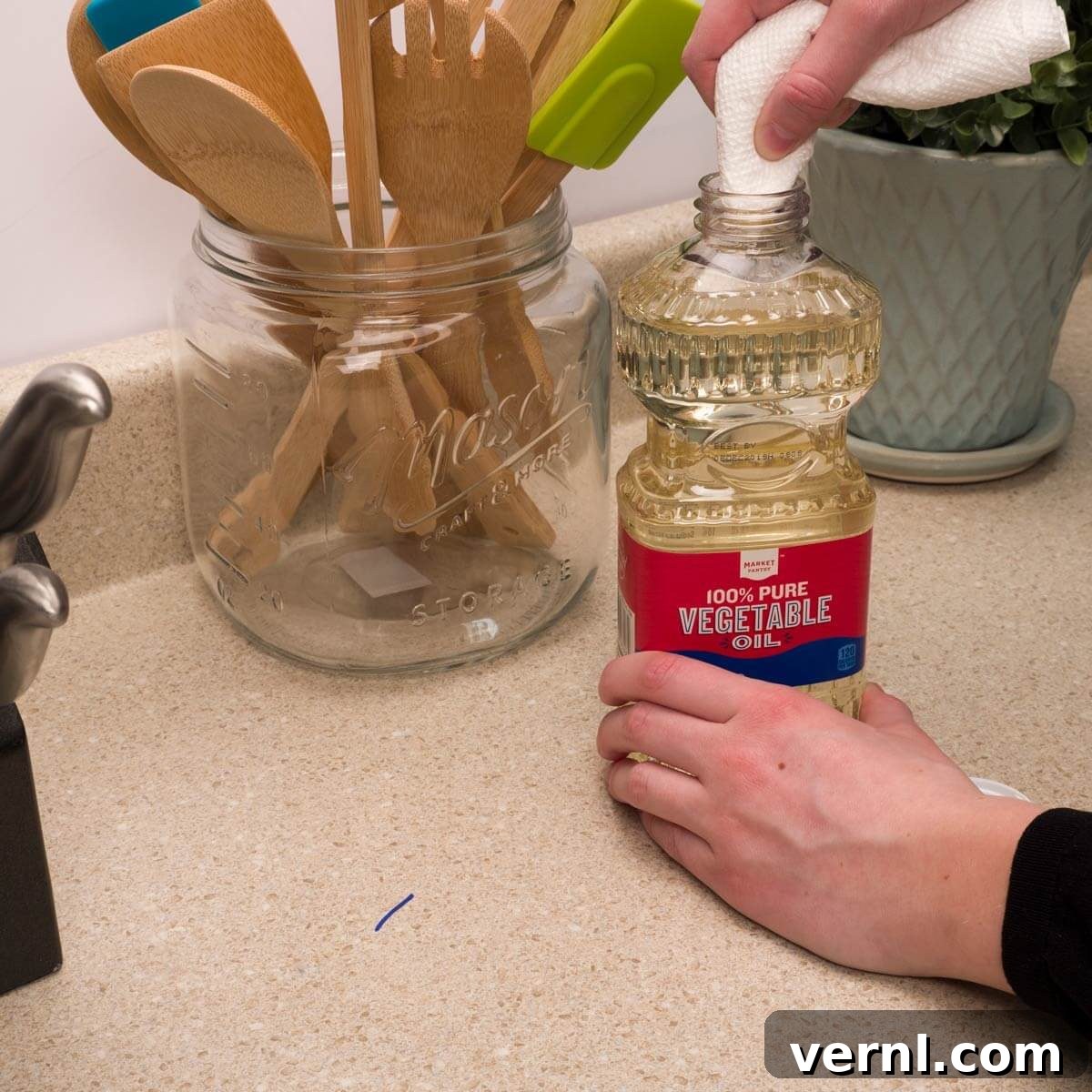
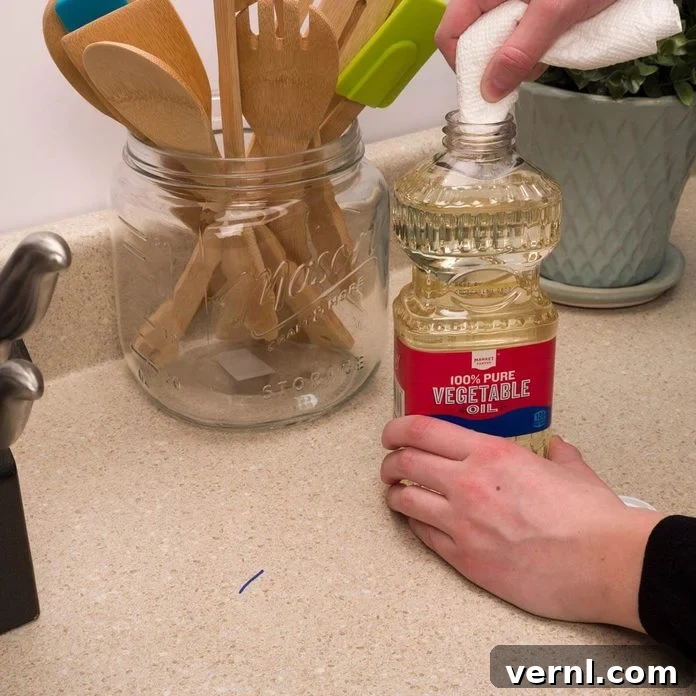
- Apply the Oil: Dab a generous amount of cooking oil onto a clean paper towel or a soft, absorbent cloth. You want the towel to be saturated but not dripping excessively.
- Cover the Stain: Gently lay the oil-soaked paper towel directly over the permanent marker stain. Ensure the entire stained area is covered.
- Let it Dwell: This is a crucial step for the oil to work its magic. Allow the oil-soaked towel to sit on the stain for at least a few minutes. For particularly stubborn or older stains, you might want to extend this dwelling time to 5-10 minutes, or even a bit longer. The oil needs time to penetrate and dissolve the ink.
- Rub Away the Stain: After the dwell time, remove the saturated paper towel. Now, using a fresh paper towel or a clean section of the oil-soaked one, gently but firmly rub the stained area in small circular motions. You should start to see the marker ink lifting and transferring onto the paper towel. Apply moderate pressure, but avoid aggressive scrubbing that could damage the surface.
- Repeat if Necessary: If the stain doesn’t completely disappear after the first attempt, reapply fresh oil to a clean paper towel and repeat the process from step 4. Patience is key!
- Clean the Surface: Once the permanent marker stain is completely gone, the surface will likely have an oily residue. To remove this, wipe the area clean with a fresh paper towel dampened with a mild soap-and-water solution. Follow up with a clean, damp cloth to rinse away any soap residue, and then dry the area thoroughly with a clean, dry cloth. This ensures no slippery residue is left behind.
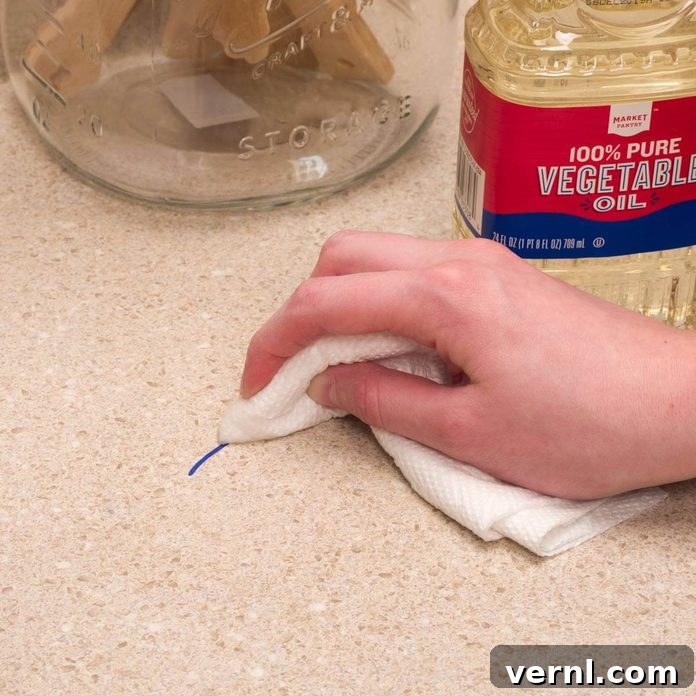
This method is particularly effective for removing permanent marker from plastic laminate countertops, sealed wood, and other sealed, non-porous surfaces. It’s an excellent first line of defense before resorting to harsher chemical solutions.
Beyond Oil: Other Effective Permanent Marker Removal Methods
While cooking oil is a fantastic starting point, especially for delicate surfaces, there are many other household items and products that can effectively remove permanent marker stains. The best method often depends on the type of surface and the severity of the stain. Always remember to test any new cleaning agent in an inconspicuous area first.
Rubbing Alcohol (Isopropyl Alcohol): The Chemical Powerhouse
Rubbing alcohol, or isopropyl alcohol, is one of the most widely recommended and effective solvents for permanent marker ink. Its high alcohol content quickly breaks down the ink’s pigments. It’s particularly useful on hard, non-porous surfaces.
- How to Use: Dab a small amount of rubbing alcohol onto a clean cotton ball or cloth. Gently blot the stained area, allowing the alcohol to dissolve the ink. Continue blotting with fresh, alcohol-dampened sections of the cloth until the stain lifts. Wipe the area clean with a damp cloth afterward.
- Best for: Plastic, glass, metal, sealed stone, some laminate surfaces, whiteboards.
- Caution: Can strip finishes from certain types of wood, etch some plastics, or cause discoloration on painted surfaces. Always test first.
Hand Sanitizer: Alcohol in a Pinch
Similar to rubbing alcohol, most hand sanitizers contain a high percentage of alcohol, making them a convenient substitute if you don’t have pure rubbing alcohol readily available. The gel consistency can also help it stay on the stain.
- How to Use: Apply a small amount of gel hand sanitizer directly onto the stain. Let it sit for a minute or two, then wipe away with a clean cloth. Repeat if necessary.
- Best for: Similar to rubbing alcohol – plastic, glass, metal.
- Caution: As with rubbing alcohol, test first, especially on finished wood or painted surfaces.
Hairspray: A Blast from the Past
Many older hairsprays contain alcohol, making them surprisingly effective at dissolving permanent marker. The alcohol content acts as the solvent.
- How to Use: Spray a generous amount of hairspray directly onto the permanent marker stain. Let it sit for about 30 seconds to a minute, then blot the area with a clean, damp cloth. Repeat until the stain is gone.
- Best for: Fabric (test first!), some plastics, and hard surfaces.
- Caution: Avoid using on delicate finishes as hairspray can leave a sticky residue or damage certain materials.
Dry Erase Marker: The “Ghosting” Technique
This method sounds counterintuitive, but it’s remarkably effective on non-porous surfaces like whiteboards or glass. Dry erase markers contain solvents that can dissolve permanent marker ink.
- How to Use: Simply draw over the permanent marker stain with a dry erase marker. Wait a few seconds, then wipe away both the dry erase ink and the permanent marker ink with a clean cloth or eraser.
- Best for: Whiteboards, glass, smooth metal, and some sealed plastics.
- Caution: Only for non-porous surfaces. Do NOT use on porous materials like wood or fabric.
Toothpaste: Abrasive Action
Non-gel white toothpaste can act as a mild abrasive and solvent, making it useful for stains on certain surfaces, especially walls.
- How to Use: Apply a small dab of non-gel white toothpaste directly onto the permanent marker stain. Rub gently with a damp cloth or soft brush in circular motions. Wipe away the residue with a clean, damp cloth.
- Best for: Painted walls, linoleum, and some finished wood (use with extreme care and test first).
- Caution: Avoid abrasive scrubbing, which can damage the surface. Only use white, non-gel toothpaste.
Melamine Foam Eraser (Magic Eraser): Abrasive and Effective
Melamine foam sponges, often known by the brand name Magic Eraser, work like ultra-fine sandpaper to gently abrade away stains. They are incredibly effective but must be used with caution.
- How to Use: Dampen the melamine foam eraser slightly with water. Gently rub the stained area with light pressure. The marker should begin to lift. Rinse the area and the eraser frequently.
- Best for: Walls, baseboards, plastic, tiles, and non-delicate surfaces.
- Caution: Can remove paint or finishes if scrubbed too aggressively. Always test in an inconspicuous area first, especially on glossy or delicate surfaces. Avoid using on stainless steel or car paint.
Baking Soda Paste: Gentle Scrubber
Baking soda is a mild abrasive that can be combined with water to create a paste, offering a gentle scrubbing action without harsh chemicals.
- How to Use: Mix baking soda with a small amount of water to form a thick paste. Apply the paste to the permanent marker stain and let it sit for a few minutes. Gently rub the paste into the stain with a soft cloth or toothbrush in circular motions. Wipe away the paste and ink with a clean, damp cloth.
- Best for: Walls, laminate, and slightly textured surfaces where a gentle abrasive is needed.
- Caution: Ensure the paste isn’t too dry or abrasive, which could scratch softer surfaces.
Commercial Stain Removers: When All Else Fails
For truly stubborn stains or surfaces that respond poorly to DIY methods, there are specialized commercial stain removers designed to tackle permanent ink. Products like Goo Gone, WD-40, or specific marker removers can be very effective.
- How to Use: Always follow the manufacturer’s instructions precisely. Test in an inconspicuous area first. Apply a small amount, let it dwell as directed, and then wipe away.
- Best for: Various surfaces, depending on the product formulation.
- Caution: These products can be strong and may contain harsh chemicals. Ensure good ventilation and wear gloves.
Surface-Specific Permanent Marker Removal Tips
The type of surface is paramount when choosing a permanent marker removal method. What works wonders on glass could damage a wooden table. Here are tailored recommendations for common household surfaces:
Laminate Countertops
As highlighted earlier, laminate is a fantastic candidate for the cooking oil method due to its non-porous nature. Rubbing alcohol or hand sanitizer can also be very effective. For older or more stubborn stains, a small amount of acetone (nail polish remover) applied to a cotton swab and immediately wiped away can work, but test carefully as it can dull the finish if left on too long.
Wood Surfaces (Finished & Unfinished)
Removing permanent marker from wood requires extreme care to avoid damaging the finish or staining the wood further.
- Finished Wood: Start with cooking oil. If that doesn’t work, try dabbing rubbing alcohol or even non-gel toothpaste very gently. Work quickly and wipe thoroughly. Test in an unseen area first, as alcohol can strip some finishes.
- Unfinished Wood: This is tougher, as the ink can soak deep. Try a baking soda paste. If unsuccessful, light sanding might be the only option, followed by appropriate sealing.
Plastic Items
Most plastics respond well to rubbing alcohol, hand sanitizer, or a dry erase marker (for smooth, hard plastics). Avoid acetone on most plastics, as it can melt or etch the surface. The Magic Eraser can also work, but use light pressure to prevent scratching.
Fabric & Upholstery
Fabric stains are particularly tricky. Speed is critical. Blot, don’t rub!
- Initial Steps: Place a clean towel under the stained area. Dab the stain with rubbing alcohol or hairspray. Blot repeatedly with fresh sections of a clean cloth, working from the outside of the stain inwards.
- Washing: If safe for the fabric, pre-treat with a laundry stain remover designed for ink and then wash according to the item’s care label. Air dry to ensure the stain is fully gone before heat-setting it.
- Caution: Always test on an inconspicuous area first to check for colorfastness or damage.
Glass & Ceramic
These non-porous surfaces are generally the easiest to clean. Rubbing alcohol, hand sanitizer, or even nail polish remover (acetone) applied to a cotton ball will usually lift the stain quickly. Dry erase markers also work well on glass.
Painted Walls
Painted walls are delicate. Begin with the gentlest methods. Try toothpaste (non-gel), a baking soda paste, or a very lightly dampened Magic Eraser with minimal pressure. Rubbing alcohol can work, but test first as it can remove paint. Always clean the area afterward with soap and water.
Leather
Leather requires specialized care. Dab the stain very gently with rubbing alcohol on a cotton swab. Immediately follow with a leather conditioner to prevent drying and cracking. Specialized leather cleaners or contacting a professional might be necessary for valuable items.
Stainless Steel
Stainless steel usually cleans up well with rubbing alcohol or cooking oil. Apply, let it dwell for a moment, then wipe with a soft cloth. Always wipe in the direction of the grain to prevent streaking.
Important Precautions and General Stain Removal Best Practices
Regardless of the method you choose, adhering to general stain removal best practices will significantly improve your chances of success and prevent further damage.
Always Test First
This is the golden rule of stain removal. Before applying any cleaning agent to a visible stain, test it on a small, hidden, inconspicuous area of the material. This allows you to check for discoloration, damage, or adverse reactions before potentially ruining a larger section.
Act Quickly
Fresh permanent marker stains are almost always easier to remove than old, set-in ones. The longer the ink sits, the more it penetrates the surface, making removal more challenging. Tackle the stain as soon as you notice it.
Dab, Don’t Rub
Vigorous rubbing can spread the ink, push it deeper into porous materials, or damage the surface. Instead, gently dab or blot the stain with a clean cloth, rotating to a fresh section of the cloth as it picks up ink.
Work from Outside In
When treating a stain, start at the outer edges and work your way towards the center. This technique helps prevent the stain from spreading and creating a larger mark.
Ensure Good Ventilation
Many effective solvents, like rubbing alcohol or hairspray, contain volatile organic compounds (VOCs). When using these products, ensure you are in a well-ventilated area to avoid inhaling fumes. Open windows and doors, or use a fan.
What NOT to Do
- Don’t use bleach: While bleach is a powerful cleaner, it can permanently damage or discolor many surfaces, especially colored fabrics.
- Don’t scrub aggressively: This can damage the surface, remove finishes, or spread the stain.
- Don’t mix chemicals: Never mix different cleaning agents unless explicitly instructed to do so. This can create dangerous fumes or ineffective solutions.
- Don’t put stained fabric in the dryer: Heat will set the stain permanently. Always air dry stained items until you are certain the stain is completely gone.
Conclusion
A permanent marker stain doesn’t have to be a permanent problem. With the right knowledge and a bit of patience, you can effectively remove these stubborn marks from almost any surface. From the gentle efficacy of cooking oil on laminate countertops to the solvent power of rubbing alcohol on plastics, there’s a solution for nearly every scenario. Remember to always identify your surface, test your chosen method in an inconspicuous area, and act quickly. By following the tips in this ultimate guide, you can restore your belongings to their pristine condition, leaving no trace of that pesky “permanent” ink.
Do you have more stains on your kitchen countertop? Check out this comprehensive stain remover guide for plastic laminate countertops.