Best Vegetables to Start Indoors for a Head Start on Your Garden
Starting your vegetables indoors is a fantastic way to extend your growing season and get a jumpstart on a bountiful harvest. By providing a controlled environment for your seedlings, you can protect them from harsh weather conditions and give them a head start before transplanting them outdoors. This guide will explore some of the best vegetables to start indoors, providing valuable tips and insights for successful seed starting and a thriving garden.
Vegetables That Thrive When Started Indoors
Several vegetables benefit immensely from being started indoors. These include plants that have long growing seasons, those that are sensitive to cold temperatures, or those that simply appreciate the extra care and protection during their early stages of growth. Here’s a detailed look at some of the best vegetables to start indoors:
Broccoli and Cauliflower
If you’re a fan of broccoli or cauliflower, consider starting these cruciferous vegetables indoors. The Clemson Cooperative Extension notes that broccoli and cauliflower are relatively easy to transplant. This means that once the time comes to move them outside, they’ll be hardy enough to withstand cooler soil temperatures, allowing them to establish well in your garden. This head start allows for earlier harvests and a longer growing season.
Tomatoes
Tomatoes are a staple in many home gardens, and for good reason! There is a vast array of tomato varieties available, each offering unique flavors, sizes, and colors. The University of Maryland Extension suggests tomatoes are excellent candidates for indoor seed starting. Starting tomato seeds indoors provides these heat-loving plants the initial warmth and protection they need to thrive. Transplanting them later is usually straightforward, with minimal complications, leading to vigorous growth and a plentiful tomato harvest.
Lettuces
Salad lovers, rejoice! Lettuces are a great choice for transplanting. Texas A&M AgriLife highlights that lettuce can tolerate cooler soils. Therefore, it will continue to sprout even if the soil outside is still cool in the late weeks of spring. Consider starting a variety of lettuces indoors. This ensures that you can enjoy fresh, homegrown salads from your garden long before your neighbors!
Peppers
Peppers, both sweet and hot varieties, thrive in warm weather. To get a head start on enjoying peppers, consider starting them indoors. The National Gardening Association points out that frost can be detrimental to pepper plants. Starting peppers indoors allows you to bypass the risk of frost damage. Transplant them outdoors only after all danger of frost has passed, ensuring your pepper plants flourish and produce an abundant crop of flavorful peppers.
Beets
If you have access to fluorescent lights, the University of Maryland Extension recommends starting beets indoors. Beets, being root vegetables, transplant exceptionally well. The extension also suggests other excellent options for indoor growth under fluorescent lights, including kale, onions, leeks, and beans.
Celery
Celery can be a bit of a challenge to grow because it has a long growing period, spanning approximately 130 to 140 days of mostly cool weather. The National Gardening Association suggests starting celery seeds indoors about 10 to 12 weeks before the last expected frost. Once the seedlings reach a height of 4 to 6 inches, they can be transplanted to the garden a week or two before the last frost date, provided the weather conditions are suitable.
Cabbage
Cabbage, a cool-weather-loving vegetable, benefits from a longer growing season. It’s best to start cabbage indoors four to six weeks before you plan to transplant it. According to Seed Savers Exchange, you can then transplant the cabbage seedlings outdoors just before the last frost. This gives them a head start and ensures a more bountiful harvest.
Cucumbers
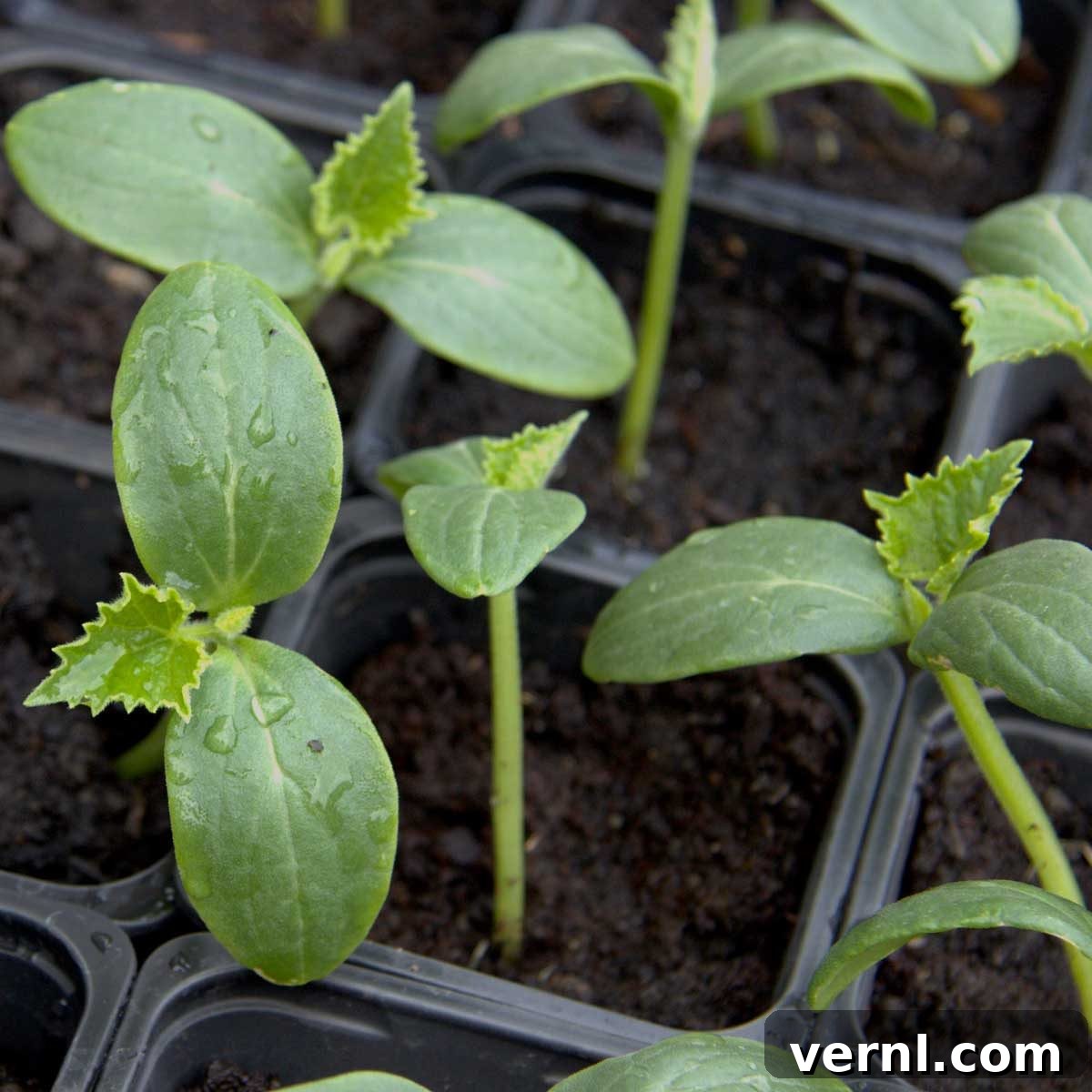
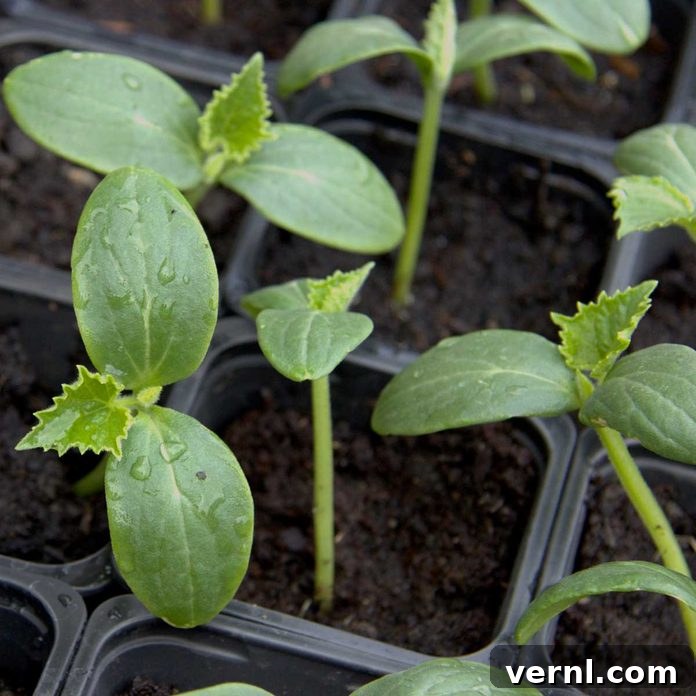
Cucumbers, as illustrated, don’t typically like having their roots disturbed, which can make transplanting a bit tricky. However, Burpee suggests it’s worth the risk to start a few cucumber plants indoors if they’re a favorite in your garden. Whether you’re growing them for salads or pickling, start cucumber seeds indoors approximately three weeks before setting them outdoors. Ensure the outdoor soil temperature is at least 60 degrees Fahrenheit and all danger of frost has passed for optimal growth.
Eggplant
Eggplant requires a long growing season. Seed Savers Exchange recommends starting eggplant indoors. It’s best to sow eggplant indoors seven to ten weeks before transplanting outside. Transplant them outdoors four to six weeks after the last frost, in a warm, sunny location. Make sure the outdoor soil temperature is at least 55°F before transplanting.
Corn
While it’s generally not advisable to rush planting sweet corn directly into the garden, you can give your corn a head start by starting the seeds indoors. The National Gardening Association recommends starting corn plants indoors in pots. When the seedlings reach a few inches in height, transplant them into your designated garden spot. To protect the seedlings from chilly nights, consider using a floating row cover.
Tips for Successful Indoor Seed Starting
- Choose the Right Seed Starting Mix: Use a sterile, well-draining seed starting mix to prevent diseases and provide the ideal environment for delicate seedlings.
- Provide Adequate Light: Seedlings require ample light. Place them near a sunny window or use grow lights to ensure they receive sufficient light to thrive.
- Water Carefully: Keep the soil consistently moist but not waterlogged. Overwatering can lead to root rot.
- Maintain the Right Temperature: Most seeds germinate best in warm temperatures. Check the specific requirements for each vegetable you’re growing.
- Harden Off Seedlings: Before transplanting outdoors, gradually acclimate your seedlings to outdoor conditions. This process, called “hardening off,” helps them adjust to the sun, wind, and temperature changes.
Conclusion
Starting vegetables indoors offers a wealth of benefits for any gardener. From extending the growing season to protecting plants from harsh weather, the advantages are clear. By following the tips outlined in this guide and selecting the appropriate vegetables for indoor starting, you can ensure a successful and rewarding gardening experience. Embrace the process, experiment with different varieties, and enjoy the satisfaction of harvesting fresh, homegrown vegetables from your very own garden!