
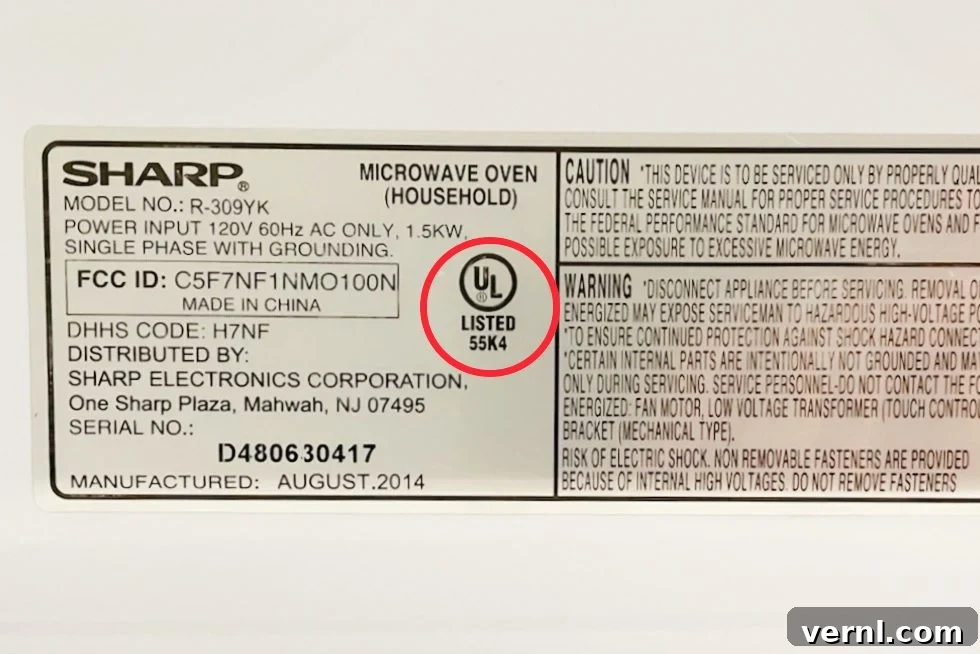
UL Listed Explained: What Does the UL Mark Mean for Your Safety?
From plugging in an extension cord to swapping out a light fixture, you’ve likely encountered products bearing a small UL mark. This mark signifies that the product has undergone rigorous safety testing and certification. But what exactly does “UL Listed” mean, and why is it so crucial for your safety at home? This article delves into the world of UL certification, exploring its significance, the types of products it covers, and its importance for both professional electricians and DIY enthusiasts.
UL, or Underwriters Laboratories, is a global safety science company with over a century of experience in developing safety standards and testing products. The UL mark serves as an assurance that a product meets stringent safety requirements, helping to mitigate the risks of fire hazards and electrical shocks that can arise from faulty wiring or poor manufacturing. To shed further light on this important topic, we’ll draw on insights from licensed electrician Matt Cross.
What Does “UL Listed” Mean?
When a product is UL Listed, it signifies that it has been tested and certified by Underwriters Laboratories to safely perform its intended function. According to Matt Cross, this certification is earned through comprehensive testing against established UL standards. These standards are developed to align with the regulations enforced by code authorities, such as inspectors, ensuring that products meet a high level of safety and reliability.
Consider the example of outdoor lighting for your front porch. When you purchase these lights, you naturally expect them to illuminate your entrance safely. You assume that the lights have been thoroughly vetted for safe operation before they reached your shopping cart. This expectation is essentially what UL Listing guarantees.
UL certification, while voluntary for manufacturers, is frequently mandated by government agencies like the Occupational Safety and Health Administration (OSHA) and building codes like the National Electrical Code (NEC). These regulations often require listed products for many installations, ensuring a baseline of safety across various applications.
For instance, nonmetallic-sheathed cable, which is commonly used in residential wiring, is required by the NEC to be UL Listed. If you are remodeling your home and choose an unlisted cable, the electrical inspector is unlikely to approve the project, emphasizing the importance of choosing compliant, certified products.
While UL is the most recognized testing and certification organization, other companies, like Intertek and Eurofins, are also approved to test and certify products under OSHA’s Nationally Recognized Testing Program. This means that code authorities recognize these organizations as reputable sources of product certification, contributing to a broader ecosystem of safety assurance.
What Products Can Be UL Listed? A Wide Range of Certified Goods
The scope of products eligible for UL Listing is extensive, encompassing a vast array of goods that we use daily. From appliances and electronics to electrical components, motors, batteries, smoke alarms, and automotive parts, the UL mark covers a diverse range of products designed to enhance safety.
Gas meters, containers for flammable liquids, various types of lighting, and door hardware are all examples of items that can be UL Listed. Given the vast range of products covered, UL provides a searchable database to help consumers and professionals quickly verify if a product has been certified. This allows users to easily find and confirm product listings, enhancing safety and facilitating informed purchasing decisions.
Electrical and fire safety, along with the prevention of injuries, are core drivers of UL’s certification process. These principles are reflected in the more than 1,500 standards currently available, demonstrating UL’s commitment to setting and maintaining high safety benchmarks.
Interestingly, UL Listing extends beyond what one might initially consider hazardous. Makeup and personal care products, packaging materials, and even furniture can be listed, demonstrating the comprehensive nature of the program and its broad applicability across various industries.
In addition to product certification, UL also certifies manufacturing processes, entire facilities, and personnel. As technology advances and consumers and legislators increasingly demand greater energy efficiency and sustainability, UL’s certification capabilities continue to evolve. This adaptation allows UL to meet the demands of a changing market and provide the latest certifications to a wide range of products.
Why Does UL Listing Matter? The Importance of Certified Products
The UL mark is not just a symbol; it’s a testament to a product’s safety and reliability. As Matt Cross notes, “UL listed means the product has been tested to make sure it’s safe, especially in regards to fire ratings.” This means a product undergoes rigorous testing to minimize risks associated with fire hazards and electrical shocks.
To illustrate the significance, consider the example of outdoor cantina lights. Imagine you have a choice between a set of UL-Listed cantina lights and a set that isn’t. The UL-Listed set has been certified for year-round outdoor use and electrical safety, often including enhanced features like cord flex and strain relief. The other set might seem fine, but without the UL mark, you simply don’t have the same assurance of safety and quality.
For consumers, the UL mark provides a quick way to identify products manufactured to a high safety standard. If you have the option, choosing a UL-Listed product is always the safer choice. As Cross states, “Anything we install has to be approved by UL. It’s a professional standard,” highlighting the value of UL certification within the electrical industry.
UL Listing is also vital for DIY projects. The NEC and other code bodies frequently mandate that certain installations and products must be listed to comply with building codes. When undertaking any project, particularly those involving electrical work, understanding and adhering to local codes is imperative. This often includes consulting with a licensed professional to ensure compliance.
Before beginning any project, it is essential to review and comprehend the applicable codes. This will ensure that the products are used safely, and follow the product’s instructions for usage. Using a product outside of its intended purpose will not be covered by a UL listing. “Be wary of products from websites like Wayfair or Amazon, as they may not have a UL listing,” Cross cautions.
Even if you’ve taken all precautions and installed UL-Listed cantina lights, what should you do if the lights malfunction? If you come home to find the lights melted, first turn off the electricity before unplugging the damaged equipment. Then, report the issue to UL. They will investigate the product, work with the manufacturer if necessary, and potentially issue a public notice. Always report suspected faulty products or any instances of counterfeit UL listings.
UL Listed vs. UL Recognized: Understanding the Difference
While the terms “UL Listed” and “UL Recognized” are often used interchangeably, they refer to different types of certifications and applications.
- UL Listed: This certification applies to complete, standalone products. Whether it’s a simple metal outlet box or a front-loading, high-efficiency washing machine, if it has a UL Listed mark, it signifies that the entire product has undergone testing and meets safety standards. While the mark might vary slightly (e.g., an energy efficiency notation), the certification assures that the complete product is safe for its intended use.
- UL Recognized: This mark applies to components of a product, not the finished product itself. For instance, the front-loading washing machine mentioned earlier would likely contain numerous UL-Recognized components, such as circuit boards, switches, and an internal power supply. Each of these components might also consist of several other recognized components, contributing to the overall safety of the machine.
About the Expert
Matt Cross is a licensed electrician in the State of Massachusetts. He brings over ten years of experience in residential and commercial electrical work, offering a valuable perspective on the importance of UL certification in the field.