
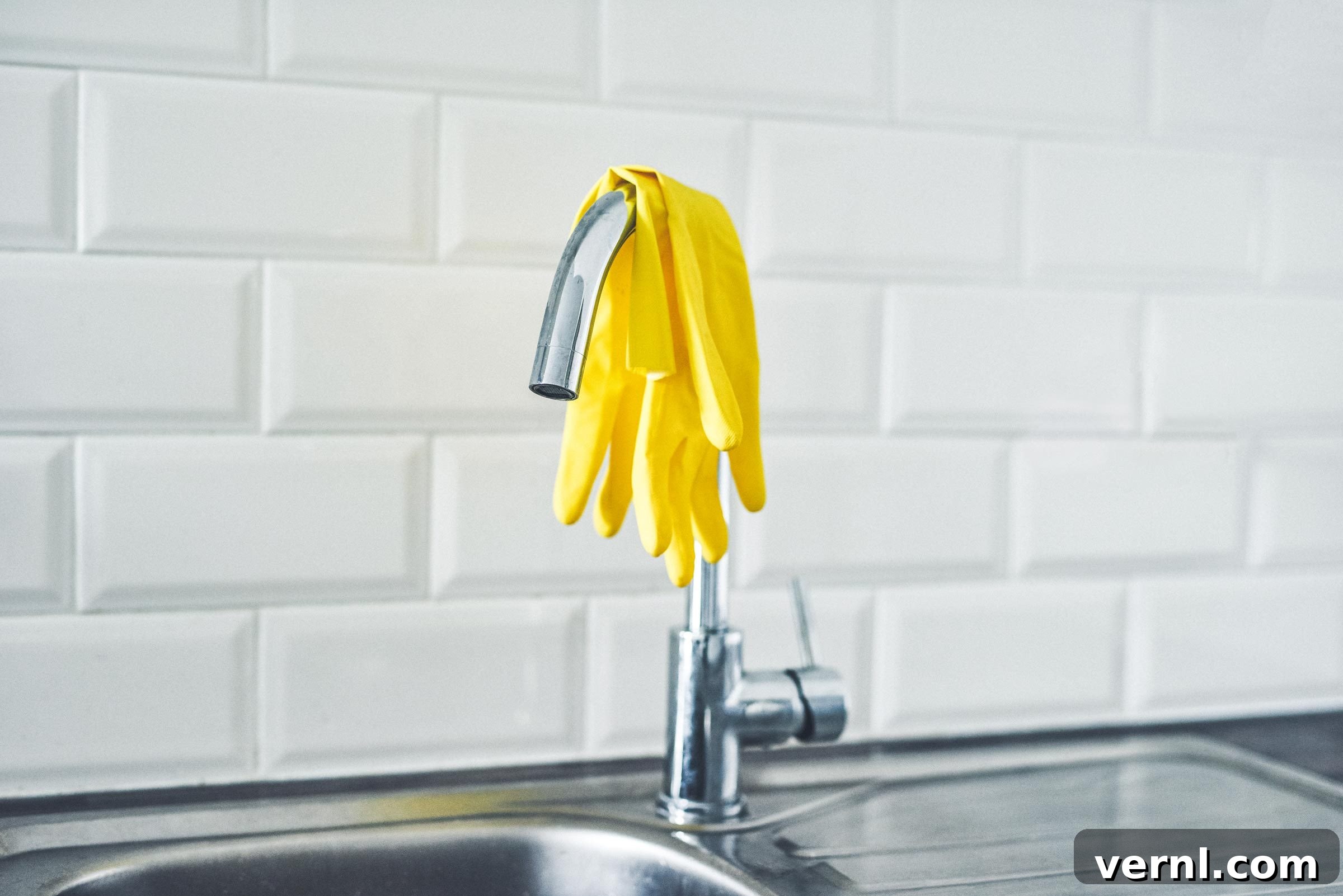
The daily ritual of washing dishes is an unavoidable chore in most households. While often seen as a mundane task, it poses various challenges to hand health and kitchen hygiene. Between the scorching hot water, abrasive scrubbing, and exposure to potent chemical cleaners, our hands are constantly at risk. This is precisely why wearing high-quality cleaning gloves is not just a preference but a necessity for hand protection and proper sanitation.
However, the convenience and protective benefits of dishwashing gloves often diminish when their insides become a damp, unpleasant environment. Many users find themselves abandoning their gloves prematurely due to the inevitable accumulation of moisture, sweat, and soap residue, which can lead to unwelcome odors, mildew growth, and a generally unhygienic interior. The thought of repeatedly slipping hands into a clammy, potentially mildew-ridden glove is enough to deter even the most diligent dishwashers, turning a protective tool into an uninviting chore itself.
Fortunately, maintaining the cleanliness and freshness of your dishwashing gloves doesn’t have to be a complicated task. Thanks to the ingenuity of CleanTok influencer Melissa Pateras (@melissadilkespateras), there’s a remarkably simple yet effective household hack that addresses this common dilemma. Pateras’s method is a game-changer for anyone looking to properly clean and dry the inside of their dishwashing gloves, ensuring they remain hygienic, comfortable, and extend their useful life significantly. This clever approach not only makes gloves more pleasant to wear but also saves you money by preventing premature replacements. Continue reading to uncover her expert guide to washing dishwashing gloves, along with invaluable tips on how to store them correctly for optimal longevity and hygiene.
Beyond glove care, remember that comprehensive kitchen hygiene also includes your cleaning tools. While you’re at it, don’t forget to explore an easy hack to clean your dishcloths as well, ensuring every aspect of your dishwashing routine is spotless.
Mastering Dishwashing Glove Hygiene: A Step-by-Step Guide to Cleaning
One of the most common frustrations with dishwashing gloves is the “sweaty and gross” feeling that develops on the inside after use. This dampness is not just uncomfortable; it creates an ideal breeding ground for bacteria and mildew, leading to unpleasant odors and a sticky interior. Melissa Pateras’s brilliant cleaning hack offers a straightforward solution to this widespread problem, allowing you to thoroughly clean and dry the often-neglected inner surface of your gloves. Her technique, sometimes referred to as the “doctor spin,” ensures your gloves are fresh and ready for their next use.
Step-by-Step Cleaning Process:
- Initial Inversion: After removing your gloves, begin by partially inverting them. Simply pull the cuff down and push the glove material inwards, effectively turning the glove inside out. You’ll notice that while the main body of the glove may flip, the finger portions often remain crumpled and stubbornly stuck in their original orientation. This is where Pateras’s technique truly shines.
- The “Doctor Spin” Technique: To fully invert the fingers and ensure every part of the glove is accessible for cleaning, Pateras demonstrates a clever trick. Hold the cuff of the partially inverted glove firmly. Then, gently pull the glove outwards to create some tension and space. With a flick of the wrist, spin the glove a few times rapidly. This action effectively inflates the glove into a small balloon-like shape.
- Flipping the Fingers: Once the glove is inflated, gently squeeze the “balloon” part of the glove. The air pressure created inside will travel directly into the crumpled finger sections, pushing them straight out. This ingenious maneuver completely inverts the glove, ensuring every internal surface, including the fingertips, is now exposed and uncrumpled. This technique is remarkably effective and is reportedly used by medical professionals to handle latex gloves with ease and precision.
- Thorough Washing: With your gloves fully inverted, the internal surfaces are now ready for a proper clean. You can easily put your hand back inside the inverted glove, or simply hold it under running water. Use a small amount of dish soap or a mild antibacterial hand soap, and gently scrub the interior surfaces. Pay attention to the areas where sweat and residue tend to accumulate most. A soft brush can be used for a more thorough scrub if needed, ensuring all grime and potential mildew are removed.
- Rinsing and Drying: After washing, rinse the inverted gloves thoroughly under clean water, ensuring all soap residue is completely flushed away. Residual soap can lead to stickiness or skin irritation. Once rinsed, gently shake off excess water. The true magic of this inversion method is in the drying. Hang the fully inverted gloves on a drying rack or clothesline, allowing ample air circulation to reach all internal surfaces. Unlike partially inverted or non-inverted gloves, this method guarantees that the insides dry completely, preventing mildew and odors from forming.
- Re-inverting for Storage: Once your gloves are completely dry, simply repeat the “doctor spin” process in reverse to turn them right-side-out again. They will be fresh, dry, and ready for your next dishwashing session, feeling as good as new.
This comprehensive cleaning routine is vital for maintaining not only the comfort of your gloves but also your hand health and overall kitchen hygiene. Regularly cleaning your gloves prevents the growth of harmful bacteria and fungi, making your dishwashing experience safer and more pleasant.
Optimal Storage Solutions for Extended Glove Lifespan
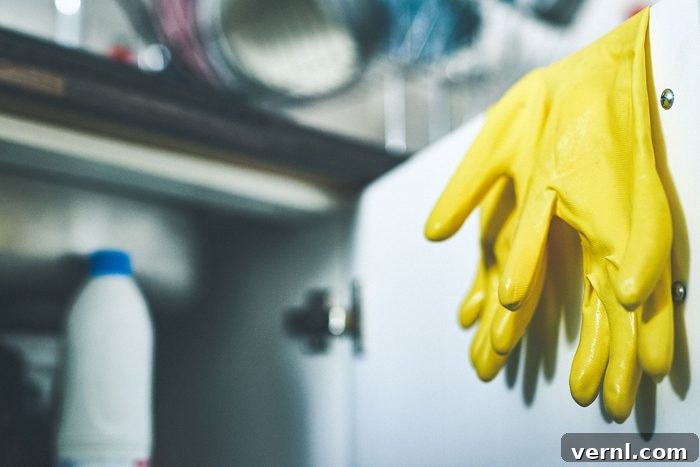
Proper storage is just as critical as cleaning when it comes to maximizing the lifespan and maintaining the hygiene of your dishwashing gloves. According to Melissa Pateras, the key is to store them in a “cool and dry place.” This simple piece of advice is fundamental for preserving the integrity of the rubber or latex material and preventing degradation over time.
Why Cool and Dry Matters:
- Preventing Material Degradation: Rubber and latex materials are sensitive to environmental factors. Exposure to excessive heat can cause the material to become brittle, crack, or lose its elasticity, significantly shortening the glove’s effective life. Similarly, constant dampness encourages the growth of mildew and bacteria, leading to unpleasant odors and potential hygienic issues.
- Avoiding Sunlight Exposure: Ideally, dishwashing gloves should be stored inside a cabinet or a drawer, away from direct sunlight. Ultraviolet (UV) light, even indirect, can cause rubber to break down and become sticky or discolored. Keeping them in a dark environment helps maintain the material’s structural integrity and appearance.
- Ensuring Airflow: Even after thorough drying using Pateras’s inversion method, ensuring some airflow around the stored gloves can prevent any residual moisture from settling. Hanging them on a hook inside a cabinet, rather than bundling them up, is an excellent practice.
Common Storage Mistakes to Avoid:
While some commenters on Pateras’s video suggest leaving gloves out in the sun for a bit to dry, caution is advised. While a brief period of natural sunlight might aid in drying, prolonged exposure can be detrimental to the rubber. If you choose this method, be sure to retrieve them promptly once they are dry and move them to a more protected storage location.
Avoid storing gloves near heat sources like ovens, dishwashers (when in operation), or hot water pipes, as the consistent warmth can accelerate material breakdown. Similarly, don’t store them in humid areas, such as directly next to an overflowing sink or in a poorly ventilated, damp cupboard. The goal is always to create an environment that inhibits moisture and extreme temperatures, ensuring your gloves remain flexible, odor-free, and effective for many weeks and months to come.
The Undeniable Importance of Dishwashing Gloves
While the focus often drifts to the dishes themselves, the unsung heroes of the kitchen sink are often our hands, which are vulnerable during the dishwashing process. This is precisely where dishwashing gloves step in, offering a layer of protection that is indispensable for both comfort and hygiene. Understanding their full benefits reinforces why regular cleaning and proper care, as outlined earlier, are so important.
Key Benefits of Wearing Dishwashing Gloves:
- Protection from Hot Water and Chemicals: Prolonged exposure to hot water can strip the natural oils from your skin, leading to dryness, chapping, and irritation. Harsh dish soaps and cleaning chemicals can exacerbate these issues, potentially causing contact dermatitis or allergic reactions. Gloves create a barrier, shielding your skin from these damaging elements, keeping your hands soft and healthy.
- Safeguarding Against Sharp Objects: Accidents happen in the kitchen. Broken glass, sharp knives, or even the jagged edges of a plate can lead to cuts and scrapes when washing dishes by hand. Gloves provide a protective layer, reducing the risk of injury and giving you greater peace of mind as you tackle a sink full of dirty dishes.
- Enhanced Grip and Reduced Slippage: Many dishwashing gloves come with textured surfaces, particularly on the palms and fingers. This improved grip can be incredibly helpful when handling slippery, soapy dishes, reducing the chances of drops and breakage.
- Maintaining Hygiene: Beyond protecting your hands, gloves also play a role in kitchen hygiene. They prevent the transfer of germs from your hands to the dishes, especially if you have cuts or open wounds. Conversely, they also protect your hands from the bacteria and food residues present on dirty dishes, particularly after handling raw meats or eggs. This dual-action protection contributes to a cleaner kitchen environment.
- Comfort and Convenience: For many, the sheer comfort of keeping hands dry and warm during dishwashing is reason enough to wear gloves. They allow you to use hotter water for more effective cleaning without discomfort, and for those with sensitive skin or conditions like eczema, they are an absolute necessity.
Investing in a good pair of dishwashing gloves and taking the time to care for them properly is a small effort that yields significant rewards in terms of hand health, kitchen hygiene, and overall comfort during a daily chore.
Beyond Cleaning: Extending the Lifespan of Your Dishwashing Gloves
While cleaning and proper storage are fundamental, there are additional practices you can adopt to further extend the life of your dishwashing gloves, ensuring they remain effective and hygienic for as long as possible. A little extra care can make a big difference in reducing waste and saving money.
Practical Tips for Longevity:
- Choose the Right Size: Gloves that are too small can tear easily under stress, while gloves that are too large can be cumbersome and reduce your dexterity, increasing the risk of accidents. Opt for gloves that fit snugly but comfortably, allowing for full range of motion without being overly tight.
- Handle with Care: Avoid using sharp objects or excessive force that could puncture or tear the glove material. While gloves offer protection, they are not impenetrable. Be mindful of knives, sharp utensils, or rough surfaces that could damage them.
- Dedicated Use: Ideally, dedicate a specific pair of gloves solely for dishwashing. Using the same gloves for other harsh cleaning tasks, like scrubbing bathrooms with strong chemicals or gardening, can expose them to different types of wear and tear, and cross-contamination. Having separate gloves for different tasks is a smart move for hygiene and durability.
- Inspect Regularly: Before and after each use, quickly inspect your gloves for any signs of wear and tear. Look for small holes, cracks, or areas where the material might be thinning. Catching these issues early can prevent water from seeping in unexpectedly and alert you when it’s time for a replacement before your hands are exposed.
- Avoid Oil-Based Products: Some oils and petroleum-based products can degrade certain rubber and latex materials. Be cautious if you are using specialized cleaning agents or if your hands have recently come into contact with such substances, as they might compromise the glove material over time.
By integrating these simple habits into your routine, you can ensure your dishwashing gloves remain a reliable tool, providing optimal protection and comfort for an extended period, making your dishwashing duties a cleaner and more efficient experience.
More Essential Dishwashing Hacks and Comprehensive Kitchen Hygiene Tips
Even if you’re a devotee of the dishwasher instead of hand washing your dishes, maintaining high standards of cleanliness extends to your appliances and habits. Effective dishwashing involves more than just loading and unloading; it’s about optimizing the entire process for maximum efficiency and hygiene. Here are some additional insights to elevate your dishwashing routine and ensure a sparkling clean kitchen.
Sanitizing Your Dishwasher: A Must-Do Maintenance Task
Your dishwasher, while designed to clean, can also accumulate food particles, grease, hard water stains, and even mold over time. These residues can lead to unpleasant odors and hinder your dishwasher’s performance, leaving your dishes less than spotless. Regular cleaning is crucial. Follow our detailed guide to cleaning a dishwasher and eliminating smells, which typically involves running an empty cycle with white vinegar, baking soda, or a specialized dishwasher cleaner. Don’t forget to clean the filter and spray arms regularly, as these are common culprits for trapped debris and reduced cleaning power. A well-maintained dishwasher is key to truly clean dishes.
The Pre-Rinse Myth: Why You Should Stop Before You Start
It’s a common habit: diligently rinsing your dishes clean before placing them in the dishwasher. However, this seemingly helpful step is often counterintuitive and can actually prevent your dishes from getting fully cleaned. Modern dishwashers and detergents are designed to work most effectively when there are some food particles for the enzymes to cling to and break down. If dishes are too clean, detergents might not activate properly, leading to residue or spots. Instead, simply scrape off any large food scraps into the trash before loading. Let your dishwasher do its job efficiently.
Making Cleaning Fun: Transform Your Chores
Cleaning, including dishwashing, doesn’t have to be a dreaded chore. With a little creativity and a shift in perspective, it can even become an enjoyable part of your routine. No matter how you’re cleaning your dishes, try utilizing our favorite tips to make cleaning fun. Put on your favorite music, listen to a captivating podcast or audiobook, or challenge yourself to beat a timer. Consider involving family members to share the load, turning it into a collaborative effort. Investing in pleasant-smelling products or creating a visually appealing cleaning caddy can also boost motivation. Even dishwashing can become an enjoyable pastime with the right attitude and a few excellent products!
Comprehensive Kitchen Tool Hygiene
Finally, extending cleanliness beyond your gloves and dishwasher to other essential kitchen tools is paramount. Your dishcloths and sponges, for instance, are high-traffic items that can harbor significant amounts of bacteria. Regular disinfection is non-negotiable. Whether it’s microwaving a damp sponge, boiling dishcloths, or using a dedicated sanitizing solution, ensure these tools are as clean as the dishes they help wash. A truly hygienic kitchen is one where every cleaning component is itself clean and well-maintained.