Asian Cockroaches: A Comprehensive Guide to Identification, Prevention, and Control
Are you seeing a cockroach that seems to fly? It could be an Asian cockroach (Blattella asahinai). Often mistaken for the more common German cockroach, Asian cockroaches present unique challenges. This guide provides in-depth information on identifying, preventing, and controlling these pests in and around your home.
Originally from Japan, the Asian cockroach first appeared in the United States in 1986 in Florida. They’ve since spread to other areas, becoming a nuisance for homeowners. Unlike their German cousins, Asian cockroaches are strong fliers, often drawn to light, making them a common sight at dusk.
What are Asian Cockroaches? Understanding the Pest
The Asian cockroach is a highly adaptable species, particularly thriving in warm, humid environments. They are known for their rapid reproduction and aggressive nature, making them a difficult pest to eliminate if left unchecked. They are primarily an outdoor species, but can become a nuisance inside the home.
Where are Asian Cockroaches Found in the U.S.? Geographic Distribution
Asian cockroaches are most prevalent in the southeastern United States. Warm and humid climates provide the ideal conditions for their survival and propagation. Key states where they’re frequently observed include Florida, Texas, Georgia, Alabama, and South Carolina. These regions offer the necessary warmth and humidity that supports their life cycle.
According to Rachel Maccini, Pesticide Safety Education Coordinator at the University of New Hampshire Cooperative Extension, “Asian cockroaches are well-suited to warm, humid climates.” She further notes that the Northeast is typically too cold for their survival.
Identifying Asian Cockroaches: Appearance and Behavior
What do Asian Cockroaches Look Like? Physical Characteristics
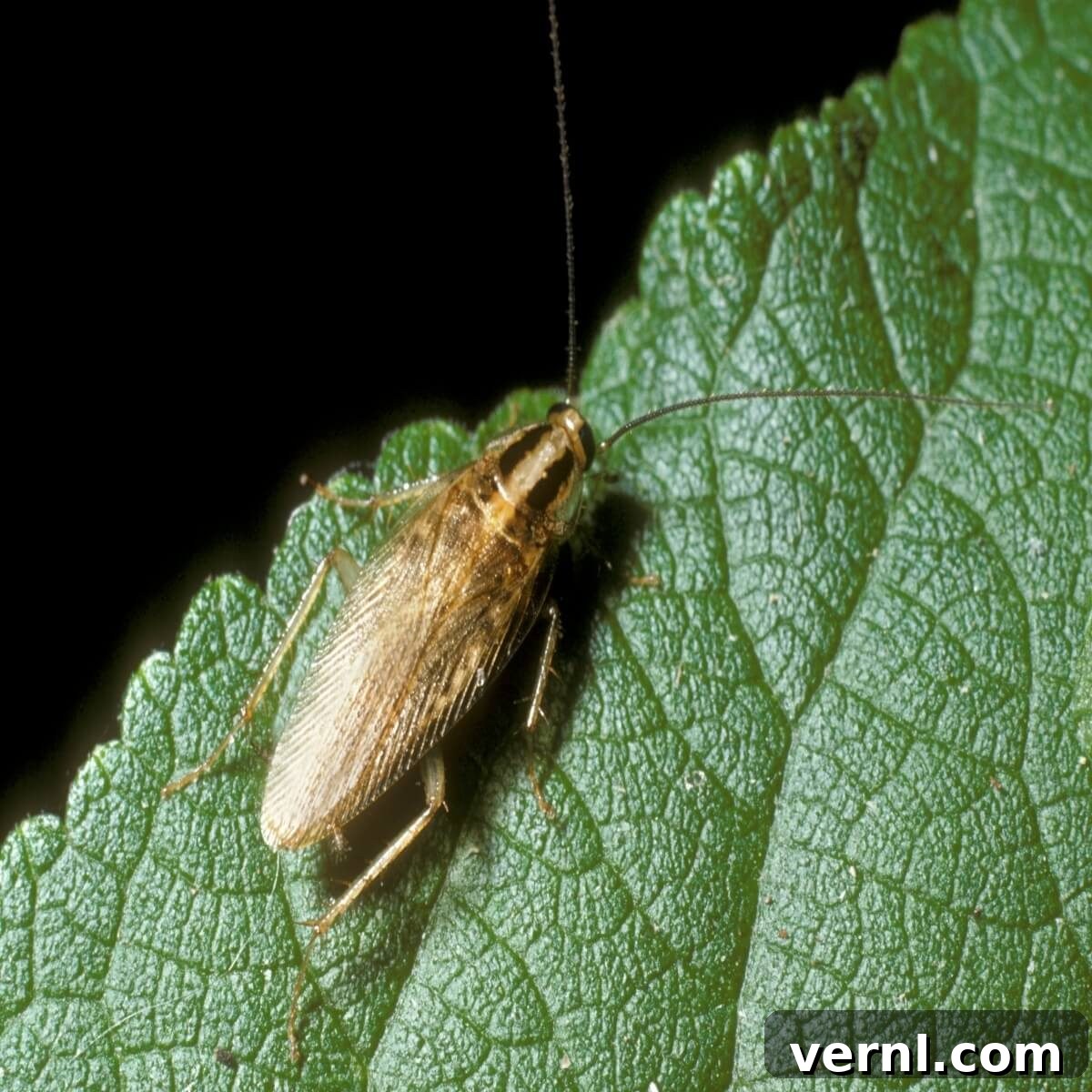
Asian cockroaches are approximately half an inch long and light brown in color. They are easily recognizable by the two parallel bands on top of their head. This subtle marking is a key differentiator when distinguishing them from other cockroach species.
Asian Cockroach Behaviors: Diet, Flight, and Habitat Preferences
Asian cockroaches are omnivores, meaning they consume a wide range of food sources. They feed on plants, flowers, human food, pet food, and even waste products. This broad diet contributes to their ability to thrive in various environments.
One of the most distinguishing features of the Asian cockroach is its ability to fly. They have a pair of wings and use them, especially when provoked. They take flight abruptly, often darting quickly, a behavior that can catch people off guard. They are also attracted to light, making them more likely to enter homes.
Unlike German cockroaches, Asian cockroaches prefer outdoor habitats. They can be found in leaf piles, under mulch, and in trees, but are known to enter homes as well.
Asian Cockroach Life Cycle: Stages and Duration
The Asian cockroach life cycle is similar to other cockroach species, involving egg, nymph, and adult stages. The female lays oothecae (egg cases) throughout her life, each containing 30 to 40 eggs, which typically hatch within 20 days. Nymphs go through several molts (5 to 7) over a period of 40 to 65 days before reaching adulthood. Adult Asian cockroaches live for around 100 days.
Asian vs. German Cockroaches: Key Differences
Distinguishing between Asian and German cockroaches is crucial for effective pest control. Here’s a breakdown of their main differences:
- Attraction to Light: Asian cockroaches are drawn to light and often fly into homes at night, unlike German cockroaches.
- Flight: Asian cockroaches are strong fliers, while German cockroaches primarily crawl.
- Appearance: Both species share a similar light brown color, making visual identification challenging.
- Habitat: Asian cockroaches prefer outdoor environments, while German cockroaches thrive indoors.
- Infestation in Homes: Asian cockroaches enter homes through open doors and windows. German cockroaches spread indoors through cracks and crevices.
- Health Concerns: Both species can carry bacteria and allergens.
How to Eliminate Asian Cockroaches: Control Strategies
Controlling Asian cockroaches can be challenging due to their agility and flight capabilities. Traditional pest control methods are not always effective. If you’re facing an infestation, consulting with a professional exterminator is often the most effective approach.
Are Asian Cockroaches Dangerous? Health and Safety Concerns
Asian cockroaches, like other pests, can carry and transmit diseases and bacteria, contaminating food and surfaces within your home. They can also bring fungi and parasites from the outdoors, potentially affecting your health. Their presence may trigger allergies or asthma.
Maccini emphasizes, “Inside, they can contaminate surfaces and food, potentially triggering asthma or allergies or spreading pathogens.”
How to Prevent Asian Cockroaches: Effective Prevention Tips
Preventing Asian cockroach infestations requires a multi-faceted approach, focusing on cleanliness and habitat modification.
Keep Your Home Clean
- Wipe up spills and food scraps immediately.
- Regularly clean kitchen and bathroom surfaces.
- Frequently empty and change trash bags.
Reduce Indoor Attractants
- Turn off outdoor lights when not needed.
- Close doors and windows at night.
Maintain Your Yard
- Remove damp leaf piles and yard debris.
- Keep grass trimmed and tidy.
- Avoid using oak leaf litter or rubber mulch, which can attract cockroaches.
- Consider alternative mulch types and maintain your landscaping.
Targeted Insecticide Treatments
While indoor insecticide applications are typically ineffective, targeted treatments in outdoor breeding and congregating areas can be effective.
FAQs: Frequently Asked Questions about Asian Cockroaches
Do Asian Cockroaches Bite?
No, Asian cockroaches generally do not bite people or pets. While they might bite in extremely rare cases where food is scarce, the primary concern is the bacteria and germs they carry.
About The Expert
Rachel Maccini, the Pesticide Safety Education Field Specialist at the University of New Hampshire Extension, provides valuable insights into Asian cockroach management. With over 20 years of experience, she offers expertise in pesticide safety training and integrated pest management (IPM), and is instrumental in developing science-based management strategies.