Enhanced Lawn Mower Traction: Conquering Hills and Damp Grass
There’s nothing quite as frustrating as a self-propelled lawn mower that struggles to maintain grip, especially when tackling damp grass or navigating inclines. The familiar sound of wheels spinning futilely, the loss of control, and the uneven cut can turn a simple lawn care chore into an exasperating battle. Achieving optimal lawn mower traction is not just about efficiency; it’s fundamentally about safety, the health of your lawn, and extending the life of your equipment. This comprehensive guide delves into understanding, preventing, and solving common traction issues, offering both ingenious DIY fixes and essential best practices.
The Ingenious DIY Fix: A Simple Solution to Slipping Wheels
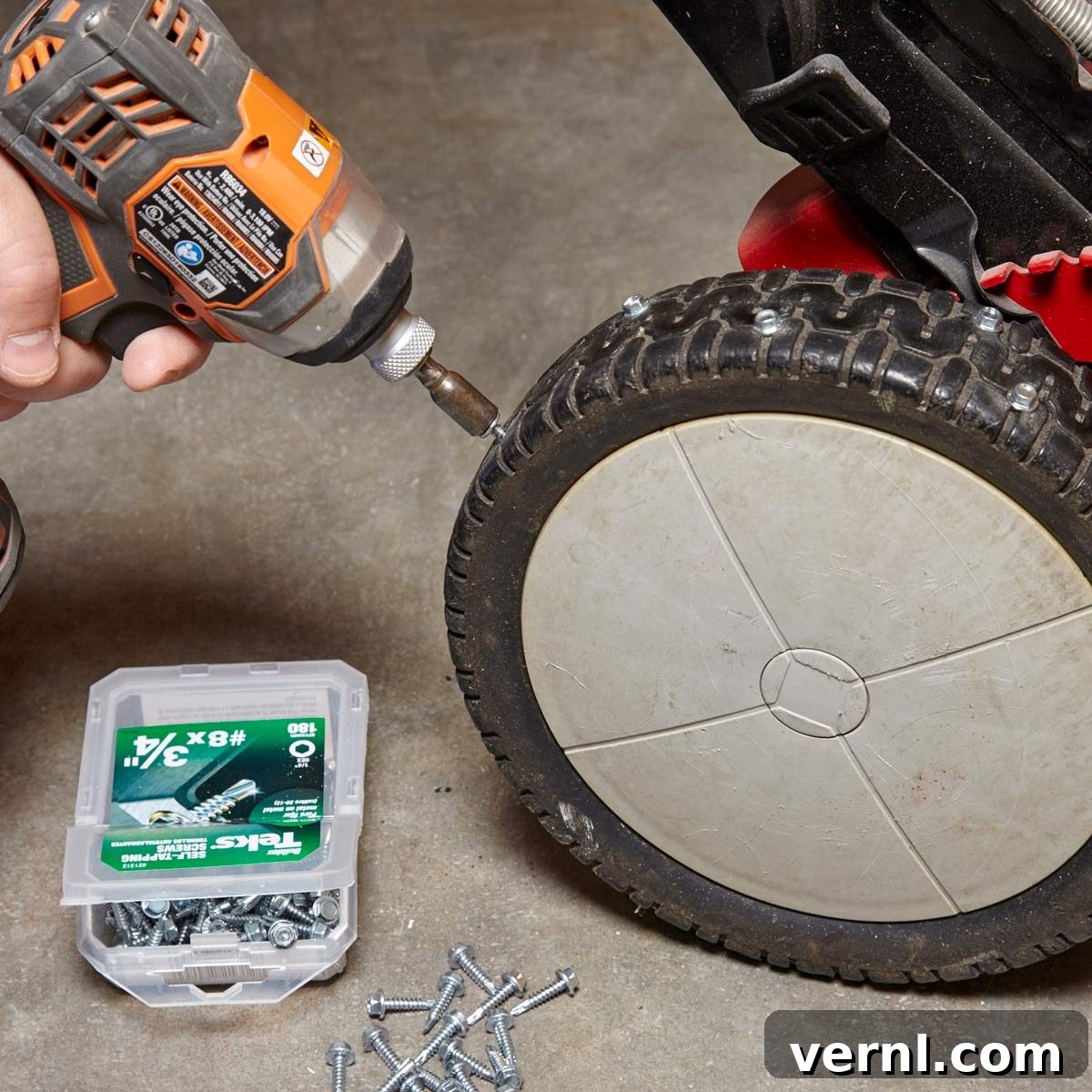
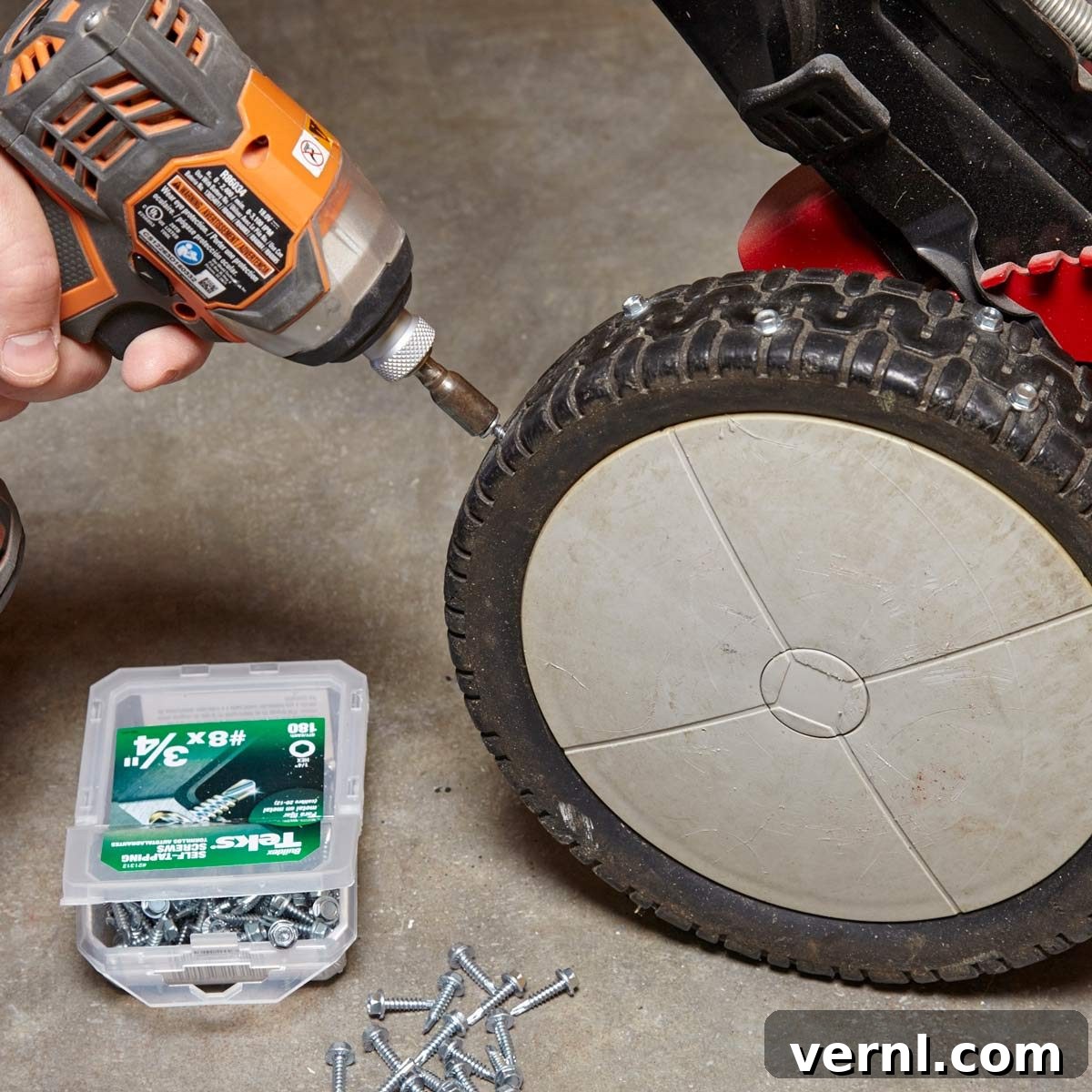
The problem of slipping drive wheels on self-propelled lawn mowers, particularly on wet grass or hilly terrain, is a common grievance among homeowners. One clever and effective solution, as shared by Gaylord Gwisdalla, involves a simple modification that significantly improves grip. By driving a few self-tapping sheet metal screws with hex-shaped heads directly into the drive wheels, the tires are transformed. This modification effectively creates a series of miniature “lugs” or “knobs” on the tire surface, mimicking the aggressive tread patterns found on off-road vehicle tires. The added bite from these screws allows the mower to dig into the turf, preventing slippage and providing consistent propulsion, even in challenging conditions.
While remarkably effective, it’s important to approach such DIY modifications with caution. Ensuring the screws are self-tapping and hex-headed facilitates easier installation and a more secure fit. The placement and number of screws should be considered to avoid weakening the tire structure excessively or causing imbalances. This method, while creative and practical for many, does alter the original design of the tires and could potentially void warranties or cause accelerated tire wear if not done carefully. However, for those seeking a quick and impactful improvement in traction without investing in new tires, this method offers a compelling and proven solution.
Why Optimal Lawn Mower Traction is Crucial
Beyond the immediate frustration, inadequate lawn mower traction poses several significant problems. Understanding its importance highlights why investing time in improving it is worthwhile:
- Enhanced Efficiency: When your mower’s wheels consistently grip the ground, it moves forward smoothly and steadily. This means fewer stops, less re-tracing of paths, and a faster completion of your mowing task.
- Improved Safety: Loss of traction, especially on slopes, can lead to the mower sliding unexpectedly. This can result in loss of control, potential accidents, and even serious injuries to the operator or bystanders. Stable traction is paramount for safe operation.
- Superior Lawn Health and Aesthetics: Spinning wheels can tear up turf, leaving unsightly bare patches or ruts in your lawn. Consistent traction ensures an even, clean cut across the entire mowing area, promoting a healthier and more uniform lawn appearance.
- Reduced Wear and Tear on Equipment: When wheels constantly spin, the drive system of your self-propelled mower works harder, putting unnecessary strain on the engine, transmission, and belts. Good traction reduces this stress, potentially extending the lifespan of your machine.
Understanding Poor Traction: Root Causes
Before implementing solutions, it’s beneficial to understand why your lawn mower might be losing traction in the first place. Several factors can contribute to this common issue:
- Worn or Smooth Tires: Over time, the treads on your mower’s tires naturally wear down. Smooth tires offer less grip, especially on slick surfaces.
- Improper Tire Pressure: Both under-inflated and over-inflated tires can negatively impact traction. Under-inflation can cause excessive tire flex and reduced contact patch, while over-inflation can reduce the contact area and lead to bouncing.
- Wet or Damp Grass: This is arguably the most common culprit. Water acts as a lubricant, drastically reducing the friction between the tires and the ground.
- Steep Slopes and Inclines: Gravity naturally works against your mower on hills, making it harder for the drive wheels to maintain grip, particularly during uphill climbs or turns.
- Heavy Grass Clippings: A build-up of thick, wet grass clippings underneath the mower deck can lift the drive wheels slightly or create a slick surface, decreasing their ability to grip.
- Uneven Weight Distribution: If too much weight is concentrated away from the drive wheels, they may not have enough downward force to maintain adequate friction with the ground.
- Incorrect Tire Type: Some mowers come with standard turf-saver tires designed to be gentle on lawns. While great for flat, dry conditions, they may lack the aggressive tread needed for challenging terrains.
Beyond the Screws: Comprehensive Traction Improvement Strategies
While the screw modification can be highly effective, it’s just one of many strategies to enhance your lawn mower’s grip. A holistic approach often yields the best results:
Tire Maintenance and Upgrades:
- Check and Maintain Tire Pressure: Refer to your mower’s manual for the recommended tire pressure and check it regularly with a gauge. Proper inflation ensures the optimal contact patch with the ground.
- Inspect for Wear and Tear: Periodically examine your tires for bald spots, cracks, or excessively worn treads. Replacing worn-out tires with new ones that have deeper, more aggressive patterns can make a significant difference.
- Consider Upgrading to Aggressive Treads: If your mower frequently encounters challenging terrain, investing in tires specifically designed for better traction, such as bar lug or more aggressive turf tires, might be a worthwhile upgrade.
Weight Management:
- Add Counterweights: For ride-on mowers, adding wheel weights or a small amount of ballast (like a bag of sand or specific weight kits) over the drive wheels can significantly increase downward force and improve grip. Ensure any added weight is securely attached and within the manufacturer’s recommended limits. For push mowers, this is less common but can sometimes be achieved by leaning slightly into the handles, shifting your body weight strategically.
Optimized Mowing Technique:
- Mow Dry Grass: Whenever possible, wait for the grass to be completely dry. This is the single most effective way to prevent slipping due to wet surfaces.
- Adjust Mowing Patterns on Slopes: For push mowers, it’s generally safer to mow across the face of a slope, rather than up and down. This reduces the risk of the mower rolling back on you or slipping downhill. For riding mowers, the opposite is usually recommended: mow up and down slopes, not across, to reduce the risk of rollovers. Always consult your mower’s manual.
- Empty Grass Bag Frequently: A full grass bag can shift the mower’s center of gravity and reduce weight over the drive wheels, especially on lighter self-propelled models. Emptying it regularly helps maintain balanced weight distribution.
- Avoid Sudden Movements: On challenging terrain, make slow, deliberate turns and avoid sudden accelerations or stops that can break traction.
Deck Adjustment and Lawn Preparation:
- Adjust Deck Height: Ensure your mower deck is set at an appropriate height. If it’s too low, it can sometimes dig into uneven terrain, creating drag and reducing traction.
- Clear Debris: Remove rocks, branches, leaves, and other obstacles from your lawn before mowing. These can cause sudden shifts in traction or even damage your mower.
- Address Muddy Spots: If certain areas of your lawn are consistently muddy, consider improving drainage or waiting until they dry out completely before mowing.
Specialized Accessories:
- Tire Chains: While more common for snow blowers, small tire chains are available for some lawn mowers, offering extreme grip in very challenging, wet, or muddy conditions.
- Traction Enhancing Sprays: Some products claim to improve tire grip, though their effectiveness can vary.
Safety First: Precautions When Mowing Slopes
Regardless of how well you’ve improved your mower’s traction, safety should always be the top priority, especially when working on inclines or in less-than-ideal conditions. Adhering to these precautions can prevent accidents:
- Read Your Owner’s Manual: Always consult your mower’s manual for specific safety instructions regarding slope operation and maximum incline recommendations.
- Wear Appropriate PPE: Always wear sturdy, non-slip footwear, eye protection, and gloves. Long pants and sleeves are also advisable.
- Assess the Slope: Know the limits of your mower and your own comfort level. If a slope feels too steep or unstable, consider alternative methods for cutting that area, such as using a string trimmer.
- Avoid Wet Grass: Reiterate this golden rule. Wet grass significantly increases the risk of slipping for both the mower and the operator.
- Clear the Area: Before you start, remove any debris, rocks, or loose items from the area you plan to mow. These can cause the mower to slip or be thrown.
- Never Pull a Push Mower Uphill Towards You: If you lose your footing, the mower could roll back and potentially injure you. Always push it uphill, maintaining firm control.
- Stay Focused: Avoid distractions while mowing, especially on challenging terrain.
Understanding Lawn Mower Tire Types
The type of tire on your lawn mower plays a pivotal role in its traction capabilities. Different tire designs are optimized for various conditions and tasks:
- Turf Saver (Smooth) Tires: These tires have a relatively smooth surface with shallow treads or wide, rounded blocks. They are designed to be gentle on lawns, minimizing turf damage, but offer limited traction on wet grass or slopes. They are ideal for flat, well-maintained lawns.
- Ribbed Tires: Characterized by parallel ribs running around the circumference, these tires are often found on the front (steering) wheels of riding mowers. They provide good steering control but offer minimal drive traction.
- Knobby or Bar Lug Tires: Featuring aggressive, deep, widely spaced treads (lugs or bars), these tires are built for maximum traction. They excel on uneven terrain, wet conditions, and slopes. However, their aggressive nature can sometimes be harder on delicate turf if not used carefully.
- All-Terrain (AT) Tires: A hybrid option, AT tires offer a balance of aggressive traction for off-road performance and a design that is somewhat less damaging to turf than full-bar lug tires. They are a good compromise for varied landscapes.
Choosing the right tire type for your specific lawn and typical mowing conditions is a critical decision in preventing traction issues. If you consistently struggle with grip, upgrading your tires to a more aggressive tread pattern might be the most effective long-term solution.
When to Consider Professional Assistance or an Upgrade
If you’ve tried various traction-enhancing techniques and maintenance checks, but your mower still struggles persistently, it might be time to consider professional assistance or even an equipment upgrade. A mechanic can diagnose underlying issues with the drive system, engine power, or weight distribution that might be contributing to poor traction. In some cases, if your lawn features extremely challenging slopes or consistently wet conditions, investing in a mower specifically designed for such environments – perhaps an All-Wheel Drive (AWD) model or a commercial-grade slope mower – could be a more sustainable long-term solution.
Master Your Mower’s Grip for a Flawless Lawn
Optimal lawn mower traction is more than just a convenience; it’s a fundamental aspect of safe, efficient, and effective lawn care. From ingenious DIY solutions like the self-tapping screw trick to routine tire maintenance, strategic weight distribution, and mindful mowing techniques, there are numerous ways to enhance your mower’s grip. By understanding the causes of poor traction and implementing the right strategies, you can transform your lawn mowing experience, ensuring a smoother, safer operation and a perfectly manicured lawn, even on those challenging hills and damp days. Embrace these tips, and take control of your mower, not the other way around.