Bed Bugs: A Comprehensive Guide to Their Life, Survival, and Control
Understanding bed bugs is the first step in protecting your home. This guide covers everything you need to know about these resilient pests.
What Are Bed Bugs?
The common bed bug, (Cimex lectularius), is a tiny, parasitic insect that thrives in warm environments, often infesting homes. These pests are a significant nuisance, known for their ability to hide in the smallest of spaces. Adult bed bugs are approximately the size of an apple seed, characterized by a flat, oval body, and a color ranging from brownish-yellow to rusty red. They possess a beak-like mouthpart, perfect for piercing skin and drawing blood.
Newly hatched nymphs, or baby bed bugs, appear as translucent, light brown versions of their adult counterparts.
While bed bug bites aren’t known to transmit diseases, they can cause itchy, red welts, leading to discomfort and potential secondary infections from scratching.
The Bed Bug Life Cycle: A Detailed Look
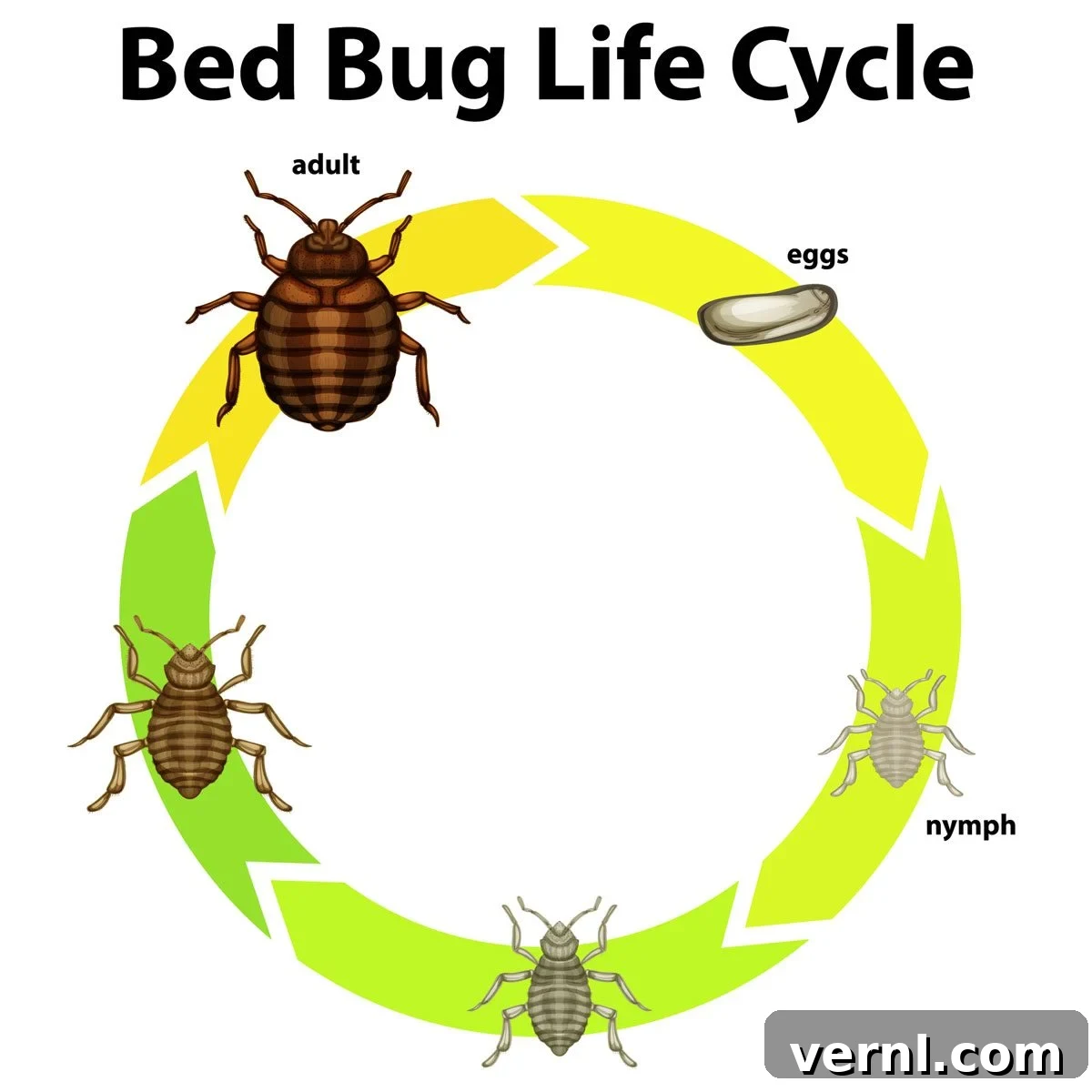
The bed bug life cycle is remarkably quick, often completed in under 40 days under ideal conditions. Here’s a breakdown of each stage:
Egg Stage
Bed bug eggs are tiny, about the size of a speck of dust, and resemble grains of salt. A female bed bug lays her eggs in concealed locations, such as mattress seams, cracks in furniture, and behind wallpaper. The eggs hatch into nymphs within about a week, though this can vary depending on the ambient temperature.
Nymph/Baby Stage
Nymphs go through five stages, shedding their exoskeleton at each step. This process requires a blood meal to advance to the next stage. With a consistent food source, bed bugs can mature into adults in approximately one month.
Adult Stage
Once they reach adulthood, bed bugs must feed regularly to reproduce. These adults are adept at hiding, often found in crevices, seams of upholstered furniture, and other secluded areas.
Mating Behavior
Bed bugs mate via a unique process called traumatic insemination, where the male pierces the female’s abdomen. This releases sperm into her body, which fertilizes the eggs. Some females mate only once, while others may be stabbed multiple times. If a female runs out of sperm, she needs to mate again.
Bed Bug Lifespan and Reproduction
The lifespan of a bed bug, from egg to death, typically ranges from 99 to 300 days. This duration can vary based on environmental factors, food availability, and other conditions.
During her lifetime, a single female bed bug can lay hundreds of eggs. This high reproductive rate explains why infestations can quickly escalate. Early detection and treatment are vital to preventing a widespread problem.
Important Note: Because of their resilience, and because bed bug infestations can quickly get out of control, professional pest control services are often the most effective solution.
How Long Can Bed Bugs Survive Without a Host?
Studies indicate that bed bugs can survive for a significant amount of time without feeding. According to research from Virginia Tech, starved bed bugs at room temperature generally die within 70 days. Dehydration is the biggest threat to their survival without a blood meal.
Bed bugs cannot survive without a source of blood. They are completely dependent on humans and animals for their food supply. Without a host, the bed bugs eventually perish.
Identifying a Bed Bug Infestation
Spotting bed bugs can be challenging, but there are telltale signs to look for. These include:
- Bite Marks: Red, itchy welts on the skin, often appearing in a line or cluster.
- Visible Bugs: Small, flat, reddish-brown insects, typically found in areas like mattress seams, bed frames, and furniture crevices.
- Excrement: Dark spots of bed bug feces, often resembling small ink stains, on bedding or nearby surfaces.
- Eggs and Molted Skins: Tiny, white eggs and shed exoskeletons, which can be found where bed bugs hide.
- Musty Odor: A distinct, musty odor, especially in heavily infested areas.
Preventing Bed Bug Infestations
Prevention is key when it comes to bed bugs. Here are some effective strategies:
- Inspect Second-hand Items: Before bringing used furniture, mattresses, or clothing into your home, thoroughly inspect them for any signs of bed bugs.
- Use Protective Bedding: Encase mattresses and box springs with bed bug-proof covers.
- Regularly Vacuum: Vacuum frequently, including mattresses, bed frames, and surrounding areas. Dispose of vacuum bags properly.
- Reduce Clutter: Minimize clutter around your bed and throughout your home to reduce hiding places for bed bugs.
- Be Cautious While Traveling: Inspect hotel rooms and other accommodations for signs of bed bugs. Keep luggage off the floor and away from the bed. Upon returning home, wash all clothing in hot water.
Bed Bug Treatment Methods
Treating a bed bug infestation can be complex, and often requires a combination of methods:
- Professional Pest Control: The most effective approach is often to hire a licensed pest control professional, who can assess the infestation and implement targeted treatments.
- Heat Treatment: Using high temperatures to kill bed bugs and their eggs.
- Chemical Treatments: Applying insecticides to cracks, crevices, and other areas where bed bugs are found.
- Vacuuming and Cleaning: Thoroughly vacuuming all affected areas and washing bedding and clothing in hot water.
- Mattress Encasements: Using mattress encasements to trap bed bugs inside, and prevent them from escaping.
Expert Tips for Bed Bug Control
Here are some additional insights and recommendations:
Early Detection is Crucial: According to Ed Spicer of Pest Strategies, “Depending on the size of the infestation, you might have to look very hard before you find the culprit and stop the spreading.” The earlier you detect a bed bug problem, the easier it is to control.
Combine Methods: The most effective bed bug control involves a multi-pronged approach. This often includes professional treatment combined with diligent cleaning and preventative measures.
Be Persistent: Bed bugs are resilient. It may take multiple treatments to completely eliminate an infestation.
Conclusion: Managing and Preventing Bed Bugs
Bed bugs can be a persistent and unwelcome guest in your home. By understanding their life cycle, lifespan, and behaviors, you can take effective steps to prevent and control infestations. Early detection, combined with proactive measures and, when necessary, professional assistance, can help you maintain a bed bug-free environment.