Crazing in Your Mugs: Understanding the Hidden Dangers and Prevention
Ever noticed those fine, hairline cracks inside your favorite coffee mug or ceramic bowl? They might appear as harmless scratches, but they could be a sign of something called “crazing.” Crazing, those faint lines snaking across the inside of your drinkware, isn’t just a cosmetic issue. It can pose potential health risks. Many people unknowingly continue to use these crazed items, unaware of the possible dangers lurking within those tiny cracks. This article dives deep into what crazing is, what causes it, the potential dangers it presents, and most importantly, how to prevent it from happening to your beloved ceramic items. We aim to equip you with the knowledge to make informed decisions about the safety of your kitchenware and ensure a healthier and safer home environment.
What Exactly is Crazing?
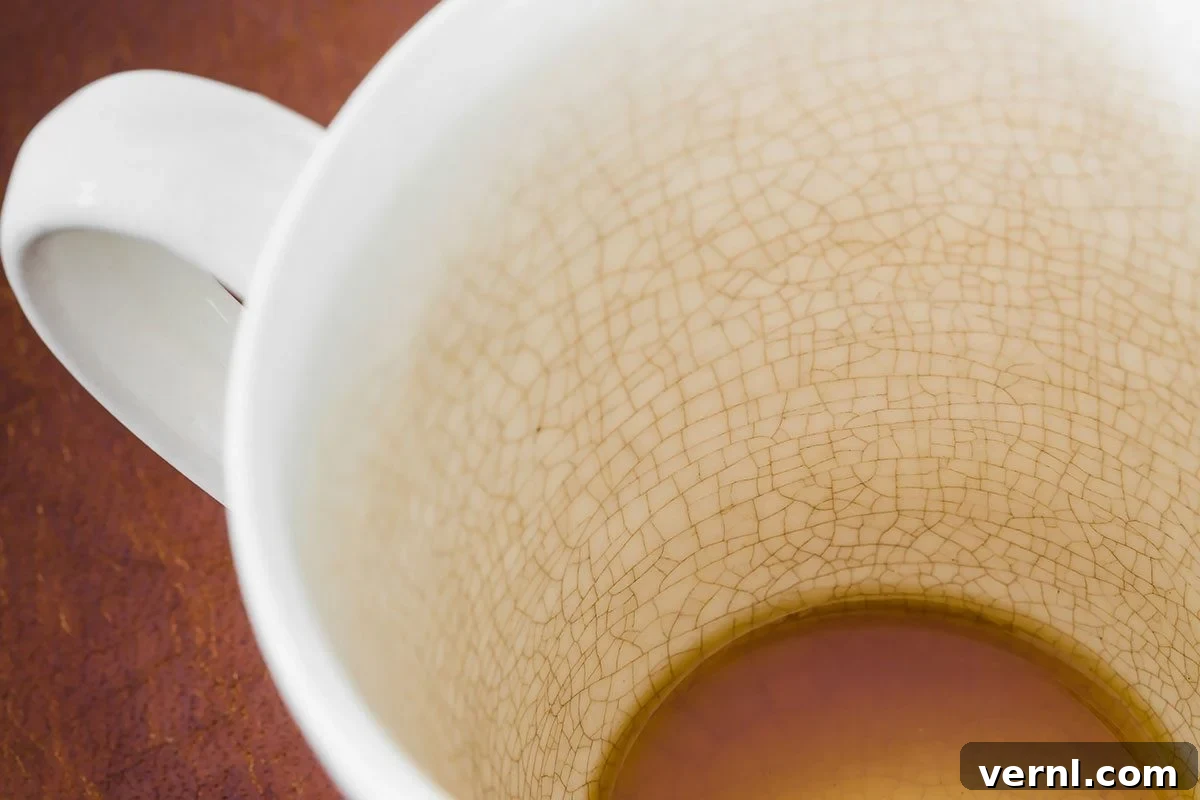
Crazing refers to the network of fine cracks that appear on the glazed surface of ceramic items, particularly drinkware like mugs and bowls. It’s crucial to understand that these aren’t simply surface scratches from utensils or abrasive cleaning pads. The root cause of crazing lies in the differential expansion and contraction rates between the ceramic body and the glaze during heating and cooling cycles. When the ceramic and glaze expand and contract at different rates, stress builds up, leading to the formation of these characteristic hairline cracks. This process can occur due to various factors, including exposure to extremely hot or cold liquids, repeated cycles in the dishwasher, or even significant temperature fluctuations during handwashing.
Differentiating between a scratch and crazing can be tricky at first glance. However, there are key distinguishing features to look for. Scratches tend to be linear, running in straight or random directions, and often have a slightly raised texture. Crazing, on the other hand, exhibits a distinct web-like pattern, appearing as a network of interconnected lines beneath the surface glaze. A telltale sign of crazing is the darkening of the lines over time. This happens as coffee, tea, or other liquids seep into the cracks, staining them and making them more visible. Furthermore, a food-safe glaze should feel smooth and glassy to the touch. If the interior surface of your mug feels dull, uneven, or exhibits faint intersecting lines, it’s highly likely that the glaze has started to craze. It’s also essential to remember that decorative pottery sometimes intentionally incorporates a crazed appearance for aesthetic purposes. This deliberate crazing is different from the unintentional crazing that weakens the glaze and poses potential health risks.
The Potential Dangers of Crazing: A Hidden Threat
The smooth glaze on your mugs and bowls isn’t just for aesthetics; it serves a crucial protective function. It acts as a barrier, preventing moisture and residues from penetrating the porous ceramic material beneath. Once crazing occurs, this protective barrier is compromised, creating a breeding ground for bacteria and mold. The tiny cracks trap liquids, coffee oils, food particles, and other organic matter that regular washing may not be able to fully eliminate. This creates an ideal environment for harmful microorganisms to thrive. These trapped substances can become a source of contamination, potentially leading to health issues if ingested.
The porous nature of crazed ceramics makes them difficult to thoroughly clean, even with diligent washing. Harmful bacteria, such as E. coli or Salmonella, can colonize within the cracks, posing a risk of foodborne illness. Mold growth is also a concern, especially in humid environments, as mold spores can trigger allergic reactions and respiratory problems. While you might believe you can effectively sanitize a crazed mug after each use, the reality is that the microscopic cracks provide refuge for bacteria and mold that are beyond the reach of ordinary cleaning methods.
Given these potential health risks, the question arises: should you throw out a mug showing signs of crazing? The consensus among experts is that heavily crazed items should be retired from food or drink use. While it might be difficult to part with a favorite mug, the potential health consequences simply outweigh the sentimental value. The risk of harboring harmful bacteria or mold within the cracks is not worth the potential health issues that could arise. It’s better to err on the side of caution and prioritize your health and well-being. Replacing crazed items with new, food-safe drinkware is a small investment that can provide significant peace of mind.
However, if a crazed mug holds significant sentimental value, you don’t necessarily have to discard it immediately. Instead of using it for food or beverages, consider repurposing it for other uses. Crazed mugs can be transformed into charming planters for small herbs or succulents, adding a touch of personality to your windowsill or garden. They can also serve as practical organizers for pens, pencils, or other small desk items, helping to declutter your workspace. Alternatively, crazed mugs can be used as decorative pieces, adding a rustic or vintage touch to your home decor. They can also serve as storage containers for small items like jewelry, buttons, or craft supplies. By repurposing crazed mugs, you can preserve their sentimental value while eliminating the potential health risks associated with food or drink use. Get creative and find new ways to appreciate these items without compromising your well-being.
Prevention is Key: Protecting Your Ceramics
Unfortunately, crazing is irreversible. Once it occurs, there’s no way to fix or restore the glaze to its original condition. Therefore, the best approach is to adopt preventative measures to protect your ceramic items from developing crazing in the first place. The primary cause of crazing is rapid temperature changes, so avoiding sudden temperature fluctuations is crucial. Don’t pour boiling hot liquids into cold mugs or drinkware that has just been removed from the refrigerator or cabinet. Allow the mug to gradually warm up before adding hot liquids to minimize the thermal shock. Similarly, avoid placing hot ceramic items directly into cold water or vice versa.
Dishwasher safety is another important consideration. Before placing ceramic items in the dishwasher, check the manufacturer’s instructions to ensure they are dishwasher-safe. If they are, use a gentle cycle and avoid using extremely hot water, as high temperatures can accelerate the crazing process. Handwashing is often a gentler option, but even then, avoid using excessively hot water or abrasive cleaning pads. Opt for mild dish soap and a soft sponge to clean your ceramic items. Proper storage can also play a role in preventing crazing. Avoid stacking ceramic items directly on top of each other, as this can create stress on the glaze. Instead, use dividers or padding between items to prevent them from rubbing against each other. When storing mugs, avoid placing them upside down on a hard surface, as this can trap moisture and contribute to crazing.
When purchasing new drinkware, prioritize items that meet modern manufacturing standards and are specifically labeled as food-safe or lead-free. These items are typically made with higher-quality materials and glazes that are less prone to crazing. Investing in quality ceramic items can help to ensure their longevity and minimize the risk of crazing. By following these simple preventative measures, you can significantly extend the lifespan of your ceramic items and keep them looking their best for years to come. Remember, taking care of your ceramics is an investment in your health and the enjoyment of your favorite beverages.
Conclusion: Prioritizing Safety and Enjoying Your Ceramics
Crazing in ceramic mugs and bowls is more than just a cosmetic issue; it can pose potential health risks due to the accumulation of bacteria and mold within the cracks. Understanding the causes and dangers of crazing is crucial for making informed decisions about the safety of your kitchenware. While it might be tempting to continue using a favorite crazed mug, the potential health consequences are not worth the risk. By taking preventative measures, such as avoiding rapid temperature changes and using gentle cleaning methods, you can protect your ceramic items from developing crazing. When purchasing new drinkware, prioritize food-safe and lead-free options to ensure their quality and longevity. If you have crazed mugs with sentimental value, consider repurposing them for other uses, such as planters or organizers, to preserve their value without compromising your health. By prioritizing safety and taking good care of your ceramics, you can enjoy your favorite beverages with peace of mind for years to come.
Sources
- Biology Insights: “Are Dishes With Crazing Safe to Use?”
- Ceramind Tools: “Common Pottery Defects and How to Prevent Them”
Related Articles:
- Understanding Food Safety Regulations
- The Best Materials for Kitchenware
- How to Properly Sanitize Your Dishes