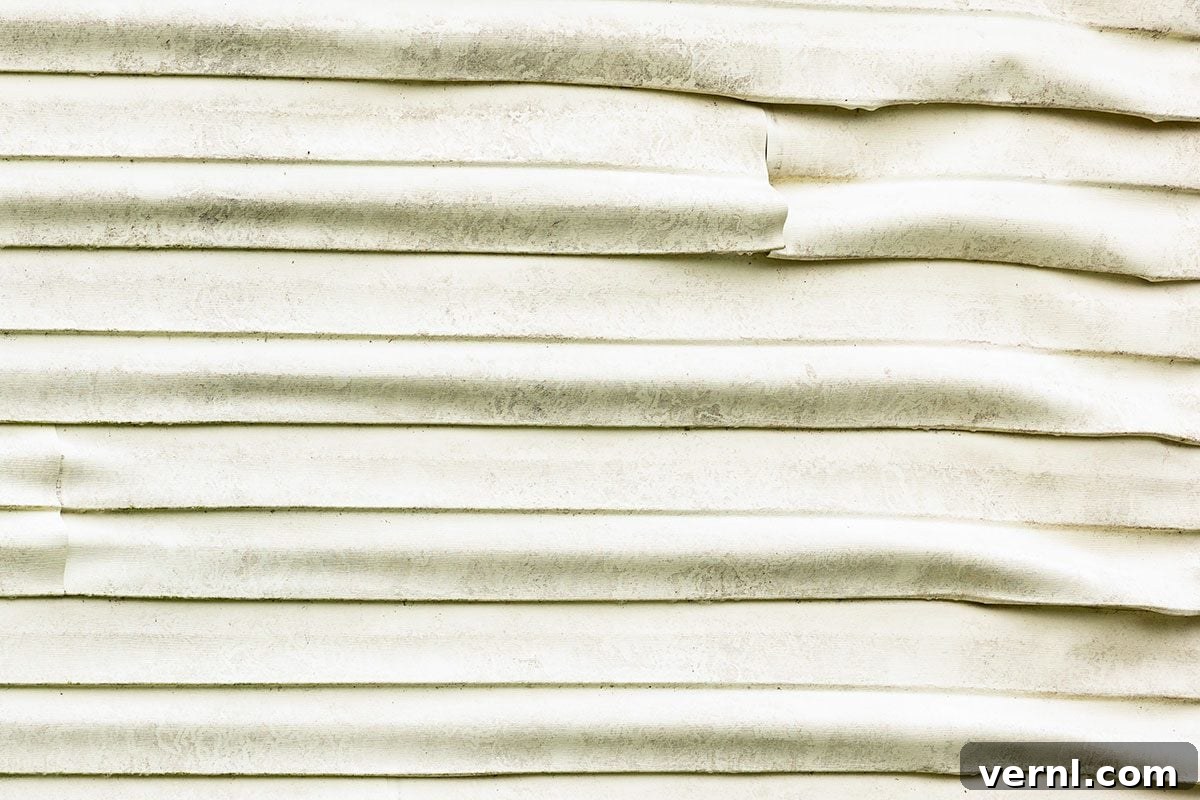
Vinyl Siding Bubbling: Causes, Solutions, and Prevention
Vinyl siding is a popular choice for homeowners, and for good reason. It offers a low-maintenance, durable, and attractive exterior for your home. One of the major benefits is that it doesn’t require painting, saving you time and money. However, even the most durable siding isn’t immune to problems. One common issue homeowners face is bubbling vinyl siding. This article delves into the reasons behind this issue, how to fix it, and, most importantly, how to prevent it in the first place. Understanding the causes can help you protect your investment and maintain your home’s curb appeal.
Why Is My Vinyl Siding Bubbling?
Bubbling vinyl siding isn’t just an aesthetic concern; it’s a sign that something is wrong. Like your home signaling for help, bubbles often indicate underlying issues that need attention. Here are the primary culprits behind bubbling vinyl siding:
Heat Exposure
Heat is a primary enemy of vinyl siding. Vinyl, manufactured from PVC (polyvinyl chloride), is susceptible to softening and warping when exposed to excessive heat. Concentrated heat from sunlight and hot objects is a common trigger. As contractor Chris Hock says, “The number one culprit I see is heat exposure. Vinyl starts getting soft around 160 degrees, and I’ve seen barbecue grills, fire pits, and even sunlight reflecting off Low-E windows turn beautiful siding into a melted mess.”
This means that direct sunlight, especially on south-facing walls, can be a major problem. Additionally, reflective surfaces like windows can intensify the sun’s rays, further heating the siding. Barbecues and fire pits located too close to the siding are other likely causes.
Trapped Moisture
Moisture is another significant contributor to bubbling vinyl siding. When moisture gets trapped behind the siding, it expands when heated, leading to those unsightly bubbles. “Moisture can sneak in behind the siding if the house wrap isn’t sealed well, or if there’s poor ventilation,” explains construction specialist Ali Hassan.
Several scenarios can lead to moisture infiltration. These include:
- Clogged gutters that allow water to overflow and seep behind the siding.
- Damaged or improperly installed flashing around windows, doors, and other openings.
- Leaky pipes or other plumbing issues within the walls.
- Poorly sealed house wrap allowing moisture to penetrate.
Improper Installation
The way your vinyl siding is installed plays a crucial role in its longevity. If the siding is nailed too tightly to the wall, it can cause bubbling. Vinyl siding is designed to “float,” which means it needs room to expand and contract with temperature changes. As Chris Hock points out, “Vinyl siding is designed to move. It’s a floating system, not a rigid one. But I see contractors all the time nailing it down tight like they’re hanging drywall. That’s a recipe for disaster.”
Over-tightening restricts this necessary movement, creating stress on the panels and making them prone to bubbling. The correct installation method involves using the right type of nails and spacing them properly, allowing for expansion and contraction.
Substrate Issues
The condition of the wall behind your siding, referred to as the substrate, is also important. As Chris Hock puts it, “I always tell my clients: the wall behind the wall matters most. If you’re installing vinyl over warped sheathing or areas with moisture problems, you’re building trouble into your house.”
If the underlying surface isn’t smooth, level, and dry, it can lead to problems. Warped sheathing, rot, or existing moisture issues will eventually transfer to the siding, leading to bubbling and other issues.
Other Factors
While heat, moisture, and installation problems are the most common causes, other factors can also contribute to bubbling siding. These include:
- Chemical Reactions: Exposure to harsh cleaning chemicals or other chemicals can damage the siding and potentially lead to bubbling.
- Building Movement: Settling or shifts in the building’s foundation can exert pressure on the siding, causing it to buckle or bubble.
- Pest Infestations: Termites or other insects chewing through the sheathing behind the siding can create uneven surfaces and lead to warping and bubbling.
- Hail Damage: Severe hailstorms can directly damage the siding, leading to bubbles and other imperfections.
- Manufacturing Defects: Though rare, defects in the manufacturing process can sometimes result in bubbling.
How To Fix Bubbled Vinyl Siding
Once your vinyl siding has started to bubble, the damage is already done. The affected panels have lost their integrity. The only effective solution is to replace the damaged sections.
Heat Exposure
If heat exposure is the culprit, the replacement process includes removing the damaged panels and installing new ones. You can reduce the likelihood of recurrence by choosing lighter-colored siding panels. As Hassan states, “Using lighter colors can reduce heat absorption. I once worked on a home where bubbling started near a south-facing wall with dark siding, so switching panels to a lighter shade helped stop the problem from coming back.”
Trapped Moisture
Moisture problems require a multi-step solution. First, remove and replace the affected panels. Then, address the root cause of the moisture intrusion. As Drew Mansur explains, “When the panels are pulled off, you can then check to see if there is moisture damage and what has caused it, then fix the root of the problem so you won’t face the same problem in the future.”
This may involve:
- Repairing or replacing damaged flashing.
- Cleaning or repairing gutters.
- Sealing any gaps in the house wrap.
- Addressing any leaks in pipes or other areas.
Improper Installation
If the bubbling is due to incorrectly installed panels, the fix is often simpler. You may not need to buy new siding. Instead, you can remove the panels and reinstall them correctly, ensuring proper spacing and using the right nailing techniques.
How To Prevent Vinyl Siding Bubbling
Prevention is always the best approach when it comes to vinyl siding problems. Taking proactive measures can save you time, money, and hassle. Here’s how to prevent bubbling vinyl siding:
Generally speaking, never install vinyl siding in weather below 40 degrees, as it can become brittle and problematic once it heats up. Remember, as Chris Hock puts it, “vinyl needs room to breathe.”
Follow manufacturer care instructions. These often include washing it regularly with a garden hose and a soft-bristle brush, says contractor Austin Lako. “Most manufacturers discourage the use of pressure washers and harsh cleaning chemicals, which can void the warranty and lead to damages that could increase the likelihood of bubbling,” he says. “One of the most common misconceptions I hear is that vinyl siding is maintenance-free.”
Heat Exposure
To protect your siding from heat exposure, consider these preventative measures:
- Maintain a Safe Distance from Heat Sources: Never place a barbecue grill or fire pit within three to five feet of the siding.
- Mitigate Reflected Sunlight: If sunlight reflecting off windows is hitting your siding, install window screens or awnings to reduce the intensity of the light. Strategically place landscaping, such as trees or bushes, to provide shade.
- Monitor South-Facing Walls: South-facing walls are particularly vulnerable. Watch for any signs of warping or bubbling in these areas, as well as near patios or neighboring windows.
- Use an Infrared Thermometer: Check the temperature of your siding with an infrared thermometer, especially in areas where you suspect heat build-up. If any area consistently reaches over 140 degrees Fahrenheit, take steps to reduce the heat exposure.
Trapped Moisture
Preventing moisture-related problems starts with proper installation and ongoing maintenance:
- Install Quality House Wrap: Ensure a high-quality house wrap is properly installed before the siding.
- Ensure Everything is Dry Before Installation: Make sure the wall sheathing is completely dry before installing the siding and the house wrap.
- Maintain Gutters and Flashing: Regularly clean gutters and inspect flashing to ensure they are properly channeling water away from the siding. Address any leaks or damage promptly.
- Prioritize Airflow: “Prevention starts with careful installation and making sure there’s enough airflow behind the siding to keep things dry,” says Hassan. Ensure proper ventilation behind the siding to allow moisture to escape. Avoid rushing the installation process or cutting corners on moisture barriers.
Improper Installation
If you’re installing vinyl siding yourself, or hiring a contractor, take these installation steps to prevent future problems:
- Follow Manufacturer’s Instructions: Always adhere to the manufacturer’s recommendations for proper spacing between the nail head and the wall surface. This typically ranges from 1/32″ to 1/8″.
- Use the Correct Nailing Technique: Use a nailing flange and center each nail in the slot. Avoid over-nailing. As Lako advises, “A good rule of thumb: if the siding can’t move slightly side to side when tapped, it’s nailed too tight.”
- Choose a Qualified Contractor: If you’re not comfortable with the installation process, hire a reputable contractor with experience installing vinyl siding.
Conclusion
Bubbling vinyl siding can be a frustrating problem, but understanding the causes, solutions, and preventive measures can help you protect your investment and keep your home looking its best. By taking the right precautions, you can enjoy the benefits of vinyl siding for years to come.
About the Experts
- Chris Hock is founder of Earth Saving Solutions, a full-service general contractor serving the Denver Metro area since 2008. His specialties include construction, remodeling, and restoration services.
- Austin Lako is owner of Lake Effect Exteriors in southeast Michigan, which specializes in exterior remodeling, including roofing, siding, and decks.
- Josh Riutta is owner of Mikku and Sons Roofing. He has more than 25 years of experience in the roofing industry and as a general contractor.
- Ali Hassan is a construction and roofing specialist at Rabbit Roofing in Florida.
- Shannon Allen is Director of Commercial Operations at Rainbow Restoration, a Neighborly company.
- Drew Mansur is co-founder of TileCloud and Yabby, two companies in the renovation space, and holds a degree in construction management from the University of UNSW.