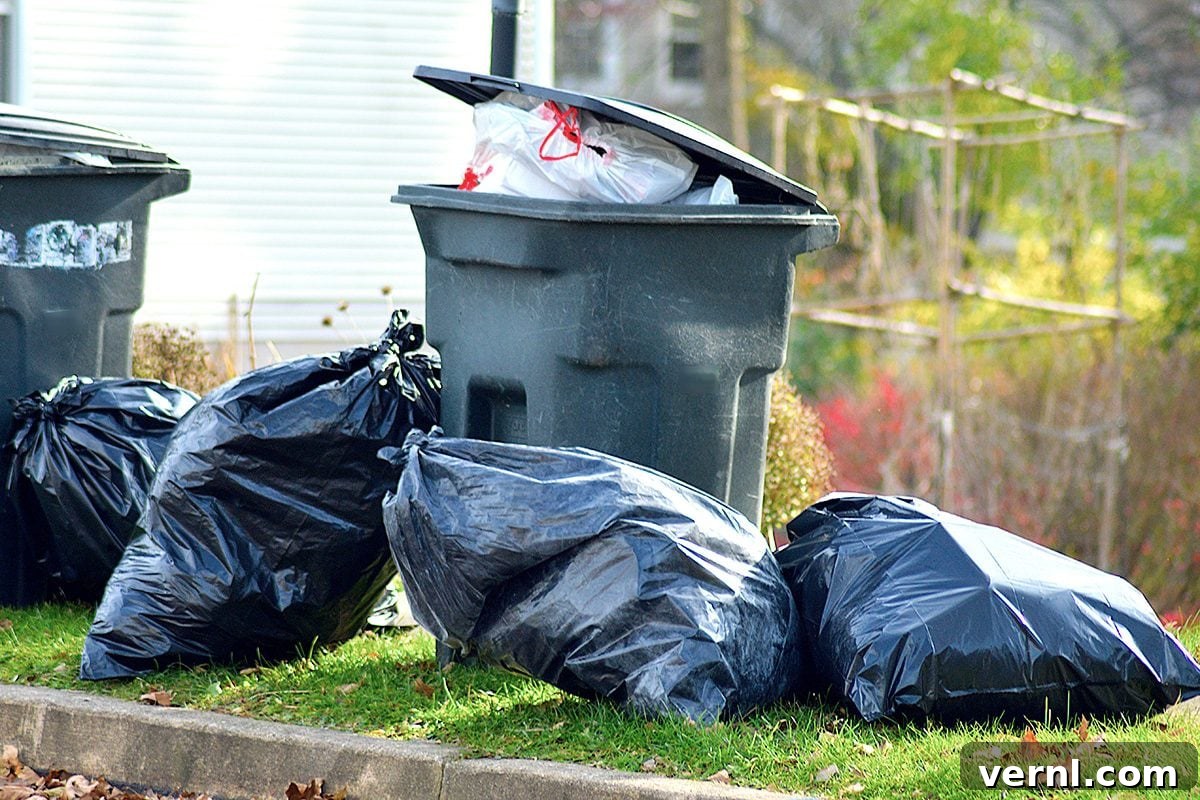
Navigating the seemingly straightforward task of putting out your trash and recycling for collection can often be surprisingly complex. With a patchwork of local regulations, evolving recycling standards, and a vast array of household items, it’s easy to feel unsure about what truly belongs at the curb. Understanding these rules isn’t just about ensuring your bins are emptied; it’s a critical step toward environmental responsibility, maintaining community cleanliness, and avoiding potential fines.
To cut through the confusion, we’ve gathered insights from leading waste management professionals across the globe. Jordan Grissman, owner of a reputable dumpster rental service operating around Green Bay, WI, is intimately familiar with local disposal requirements, frequently delivering waste to the Outagamie County Recycling Center. “Because we work closely with the local municipal facility, we’re very familiar with what can and can’t be picked up at the curb or accepted at the recycling center,” Grissman explains.
Our expert panel also includes Gareth Lloyd Jones, a distinguished rubbish removal specialist from the UK; Valentina Rodriguez, the knowledgeable Solid Waste Outreach Coordinator for St. Lucie County, Florida; and Brent Bell, the Vice President of Recycling at Waste Management, one of North America’s largest environmental services companies. Together, their collective expertise provides a foundational understanding of waste disposal, addressing common dilemmas such as: Can you really leave an old chair out for collection? What’s the protocol for leftover paint, cumbersome Styrofoam packaging, or obsolete electronics? While specific regulations may have regional nuances, our experts confirm that the core principles of responsible waste management are largely universal. Let’s explore everything you need to know to manage your household waste effectively and sustainably.
What You Can Put Out on the Street for Trash/Recycling Pickup?
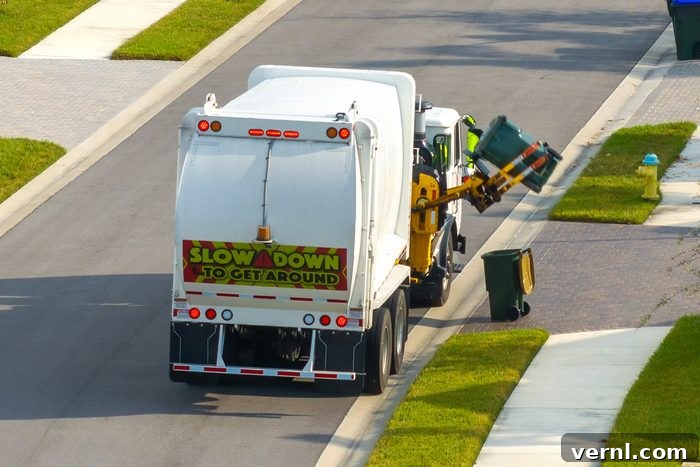
For most households, the majority of everyday waste can be managed through standard curbside collection services, provided it’s properly sorted and prepared. Gareth Lloyd Jones confirms that in the UK, “Your kitchen scraps, packaging from deliveries, and general bits and bobs will always be collected.” This sentiment is widely applicable, as Jordan Grissman states for Wisconsin, “Most cities allow household trash in sealed bags and common recyclables like cardboard, clean paper, glass containers, and plastics with 1 or 2 in the recycling logo.” Valentina Rodriguez from Florida and Brent Bell from Waste Management underscore that these general guidelines are consistent across much of the United States.
Here’s a detailed look at what is typically accepted at the curb:
- Household Trash (General Waste): This category includes items that are non-recyclable and not considered hazardous. Common examples range from food waste and non-recyclable plastic packaging (such as plastic film, soiled food containers, or multi-material pouches) to disposable hygiene products, broken dishes, and small, non-hazardous household items. It’s crucial to place all household trash securely in durable bags and inside approved waste bins with tightly closed lids. This prevents litter from escaping, deters pests, and ensures a more hygienic collection process for sanitation workers. Always consult your local municipality’s guidelines for specific bagging and container requirements, as rules can vary.
- Yard Waste: Many municipalities offer dedicated curbside collection for organic yard debris, often seasonally. This typically includes grass clippings, leaves, garden trimmings, small branches, and palm fronds. Proper preparation is key for yard waste. Valentina Rodriguez highlights a common rule in Florida: “branches should be under six inches in diameter and cut to four feet or shorter.” This is an excellent universal guideline. Leaves and grass clippings frequently require specific compostable bags or placement in designated yard waste bins. Larger bundles of branches often need to be tied with twine. Remember that home composting is a fantastic eco-friendly alternative for reducing the volume of yard waste you generate.
- Recyclables (Clean and Dry): These items are collected in separate bins or carts and are destined for processing into new materials. The golden rule for successful recycling is ensuring items are “clean and dry” to prevent contamination, which can render an entire batch unrecyclable. Brent Bell emphasizes, “Remember to keep food and liquid out of your recycling,” and critically advises: “Do not recycle loose plastic bags or bag your recyclables.” Plastic bags are a notorious contaminant, as they tangle and damage recycling machinery. Recyclables should always be placed loose in the recycling cart. Common accepted recyclables generally include:
- Plastics: Usually limited to numbers 1 (PET, found in water and soda bottles) and 2 (HDPE, common in milk jugs and detergent bottles). Look for the chasing arrows symbol with the number inside. Always rinse containers thoroughly.
- Glass: Clean glass bottles and jars, regardless of color, are widely accepted. It’s often recommended to remove lids.
- Metals: Aluminum beverage cans, steel/tin food cans (like soup or vegetable cans). Rinse them clean before recycling.
- Paper & Cardboard: Clean, flattened cardboard boxes (e.g., shipping boxes), newspapers, magazines, junk mail, and paperboard (like cereal boxes). Ensure cardboard is free of any food residue or grease.
Due to varying capabilities of recycling facilities, local rules can differ significantly. When unsure, it’s safer to err on the side of caution with the mantra “when in doubt, throw it out” to prevent “wishcycling” and contamination.
- Bulk Items (Special Collection): Large items that cannot fit into standard trash bins, such as old furniture, mattresses, and large appliances (excluding those containing refrigerants), are often eligible for curbside collection, but almost always require special arrangements. As Valentina Rodriguez notes for Florida, “Bulk items such as furniture, mattresses and appliances are generally accepted curbside, depending on your hauler’s schedule.” This service isn’t universal across all areas, as the original article points out for California. It’s imperative to contact your local waste management service in advance. Many require scheduled appointments, special tags, or may have limits on the number, size, and weight of items. For items still in usable condition, consider donating them to local charities, listing them for free on platforms like Facebook Marketplace, or arranging for resale to extend their useful life.
What You Can’t Put Out on the Street for Trash/Recycling Pickup
Understanding what to exclude from curbside pickup is just as important, if not more so, than knowing what to include. Improper disposal of these items can lead to environmental harm, safety risks for collection crews, damage to equipment, and significant penalties. Here’s a comprehensive breakdown of commonly prohibited items and the correct disposal methods.
Hazardous Materials
These items contain chemicals or substances that pose risks to human health or the environment and must never be placed in regular trash or recycling bins.
- Paints: Both oil-based and latex paints are often restricted. Oil-based paints are flammable and contain harmful solvents, requiring disposal at a Household Hazardous Waste (HHW) facility. Latex paints, while less hazardous, can create a messy, difficult-to-process liquid in collection trucks. To dispose of latex paint, dry it out completely by adding cat litter or sand until it solidifies, then place the dried material in your regular trash.
- Pesticides, Herbicides, and Fertilizers: These toxic chemicals are designed to kill pests and can contaminate soil and water systems. They must be taken to specialized HHW facilities or specific collection events.
- Cleaning Chemicals: Strong household cleaners like bleach, oven cleaners, drain openers, and corrosive chemicals should not be poured down drains or tossed in the trash, as they can pollute water supplies. Dispose of them at an HHW event.
- Motor Oil & Automotive Fluids: Used motor oil, antifreeze, and other vehicle fluids are highly toxic and should never be landfilled or poured out. Many auto parts stores and service stations offer free recycling for used motor oil. Some municipal waste authorities also provide approved containers for specific motor oil collection programs.
- CFL (Compact Fluorescent Light) Bulbs and Fluorescent Tubes: These energy-efficient lights contain small amounts of mercury, a neurotoxin. They should not be broken and must be recycled at designated drop-off points, commonly found at hardware stores, home improvement centers, or municipal HHW facilities.
- Batteries: Most battery types (alkaline, rechargeable, lithium-ion, car batteries) contain hazardous materials or pose fire risks if damaged or improperly stored. While alkaline batteries may be safe for regular trash in some areas, rechargeable and lithium-ion batteries require specialized recycling. Websites like www.call2recycle.org can help you locate recycling centers for many battery types. Car batteries should always be returned to retailers or specialized recyclers.
- Medical Waste: Items like used syringes (sharps) and expired medications are serious health hazards. Sharps must be placed in puncture-proof, sealable containers (e.g., rigid plastic detergent bottles) and disposed of according to local health department guidelines, never loosely in the trash. Medications should be taken to drug take-back programs or pharmacies, not flushed or put in the trash, to prevent water contamination.
Construction and Demolition (C&D) Debris
Materials generated from construction, renovation, or demolition projects are typically too heavy, bulky, or specific in composition for standard residential curbside pickup.
- Lumber, Composites, Plastics, and Other Building Materials: Wood scraps, PVC pipes, siding pieces, insulation, and similar construction materials are generally not accepted in household trash.
- Drywall and Drywall Joint Compound: These materials, often containing gypsum, are heavy and require specialized disposal or recycling, which varies by region.
- Tiles, Concrete, Bricks: Extremely heavy and abrasive, these materials can cause significant damage to collection vehicles and are unsuitable for typical waste streams.
- Steel Materials (Rebar, Hardware Cloth, Connecting Plates): While metal is often recyclable, these large, heavy, or sharp pieces of scrap metal are typically not accepted in curbside recycling bins and should be taken to dedicated scrap metal recycling facilities.
For construction debris, the best options include renting a dumpster (services like Grissman Dumpsters LLC are ideal for this), arranging for a specialized junk removal service, or self-hauling the materials to a construction and demolition landfill or recycling facility.
Appliances That Use Refrigerant
Appliances containing refrigerants (CFCs, HCFCs, HFCs) are strictly regulated due to their harmful impact on the ozone layer and contribution to global warming. Removing these refrigerants requires certified technicians.
- Refrigerators, Freezers, Air Conditioners, Dehumidifiers: These items cannot be placed out for regular bulk pickup without prior removal of refrigerants by a certified professional. Many utility companies offer appliance recycling programs, sometimes including rebates. Alternatively, specialized appliance recyclers or licensed HVAC technicians can safely extract the refrigerants before the appliance is disposed of or recycled.
Electronics Equipment (E-waste)
Electronic devices contain valuable recyclable materials (like gold, silver, copper) and often hazardous components (such as lead, mercury, cadmium). Discarding e-waste in regular trash is illegal in many jurisdictions due to these environmental concerns.
- Televisions, Computers and Peripherals (printers, hard drives, monitors, keyboards), Cables, Cell Phones: All these items fall under e-waste regulations. Many communities host electronics recycling events, major electronics retailers often have take-back programs, and manufacturers frequently offer recycling initiatives for their products. Proper e-waste recycling ensures hazardous materials are safely managed and valuable resources are recovered.
Potentially Flammable or Explosive Items
For obvious safety reasons, items that pose a risk of fire or explosion during handling, compaction, or decomposition are strictly prohibited from curbside collection.
- Propane Tanks: Even seemingly empty tanks can contain residual gas and are pressurized. They should never be put in regular trash or recycling bins. Many propane retailers offer exchange programs, or they can be taken to specialized scrap metal recyclers or HHW facilities.
- Incandescent Light Bulbs: While not hazardous, these traditional bulbs contain mixed materials (glass, metal filament) that prevent them from being recycled with standard glass. They generally belong in the regular trash, although some specialized recycling programs may accept them.
Tires
Tires are heavy, bulky, and present several environmental challenges when improperly disposed of. They consume significant landfill space, can collect rainwater (creating breeding grounds for mosquitoes), and are a serious fire hazard, with tire fires being notoriously difficult to extinguish.
- Tires are almost universally prohibited from curbside pickup. Most tire retailers will accept old tires for a fee when you purchase new ones. Additionally, many counties organize specific tire collection events or provide facilities for proper tire recycling.
Styrofoam (Polystyrene Foam)
Despite being a plastic, most curbside recycling programs do not accept Styrofoam due to its extremely low density, bulkiness, and contamination issues (especially if food-soiled).
- Styrofoam peanuts, packing blocks, and food containers are generally not recyclable through standard curbside programs. Its lightweight nature makes it uneconomical to transport and process, and it easily breaks into small pieces that contaminate other recyclables. Some specialized recycling centers or packing stores may accept clean Styrofoam. Otherwise, it typically goes into general waste.
Loose Plastic Bags and Plastic Film
As previously mentioned, plastic bags pose significant problems for recycling facilities.
- Loose Plastic Bags and Plastic Film: They jam and damage sorting machinery, and cannot be processed with rigid plastics. Jordan Grissman “suggests taking these to a local grocery store for recycling,” as many supermarkets have dedicated drop-off bins for plastic film, including grocery bags, bread bags, and dry cleaning bags.
Tips for Putting Trash Out on the Street Effectively
Adhering to best practices for curbside collection not only ensures your waste is picked up efficiently but also contributes significantly to the safety of collection crews and the overall effectiveness of waste management systems.
- Use Durable Bags and Secure Lids: “Use durable bags and close the lids of your bins,” advises Jordan Grissman. This simple step prevents litter from blowing away, deters scavenging animals, keeps rainwater out of your bins, maintains a tidy street appearance, and minimizes odors. Crucially, for recyclables, remember they should be placed loose in the cart—never bagged—to prevent machinery entanglement at the recycling facility.
- Mind Your Timing for Placement: Placing items at the curb on your assigned pickup day is paramount. While Valentina Rodriguez recommends having trash out by 7 AM and Brent Bell suggests 6 AM, the consensus is clear: early is key. Check your local schedule, as some areas may specify a window (e.g., no earlier than the evening before pickup, but always by early morning on the day itself). This prevents bins from sitting out unnecessarily long, reducing visual blight and potential hazards.
- Ensure Clear Access and Spacing: “Don’t block sidewalks or mailboxes,” cautions Rodriguez, recommending at least three feet of clearance around your bins. Obstructions can hinder pedestrian traffic, block mail delivery, and prevent collection vehicles from safely accessing and emptying your bins. Ensure your bins are easily reachable by collection crews without them having to maneuver around parked cars, landscaping, or other obstacles. Place them neatly at the curb edge, away from overhead power lines or low-hanging branches.
- Communicate for Large or Unusual Items: If you have something particularly large, unusually heavy, or outside the scope of regular collection (e.g., a significant amount of storm debris, a broken appliance requiring special handling), “Call your waste management authority or the city waste department,” advise our experts. Many services require advance notice, a scheduled pickup appointment, or special stickers to be affixed to the item for it to be collected. Proactive communication can save you the frustration of a missed collection and ensures proper disposal.
- Avoid Overstuffing Bins: “Don’t be surprised if you notice in the morning that an overstuffed bin hasn’t been collected,” warns Gareth Lloyd Jones. “Crews simply won’t empty bins that are too full or have lids that won’t close properly.” Overstuffed bins can spill contents, create safety hazards for collection crews (e.g., items falling out), damage the bin itself, or prevent the automatic lifting mechanisms of collection trucks from operating correctly. If you consistently have more waste than your bin can hold, consider requesting a larger bin or an additional one from your municipality, if available.
Frequently Asked Questions About Waste Disposal
Where do I find my city’s trash pickup rules?
Rules and regulations for waste collection can vary significantly based on your specific location. The most reliable and up-to-date source of information will always be your local municipality or county’s official website. Look for sections typically titled “Waste Management,” “Solid Waste,” “Recycling Guide,” “Curbside Collection,” or “Public Works.” These pages are designed to provide detailed schedules, comprehensive lists of accepted and prohibited items, preparation guidelines, and essential contact information.
If you’re having trouble navigating local government websites or need general information, Brent Bell recommends these two helpful Waste Management resources, though always remember that local rules take precedence:
Recycling 101
Residential Trash & Recycling Pickup
As Gareth Lloyd Jones sagely advises, “If you’re still unsure after checking online, give your local authority a ring. They’d rather answer your questions than deal with incorrectly disposed waste.” A quick phone call can provide specific clarifications for your area and prevent disposal errors.
Am I allowed to put things I want to give away out on the street?
The practice of placing “free” items on the curb for others to take varies widely by local ordinances and community standards. While the nostalgic idea of a neighborhood treasure hunt might be appealing, as the author fondly recalls from Japan in the ’90s, it is far from universally permitted.
According to Jordan Grissman: “It depends on local ordinances, HOA restrictions, etc. Some cities allow clearly labeled ‘free’ items on the curb, but others may consider it against the law.” Homeowners Associations (HOAs) frequently have strict bylaws against creating “visual eyesores” or clutter in your neighborhood, and items left on the curb for extended periods could violate these rules. Before setting anything out, always research your local city or county ordinances regarding “bulky waste,” “abandoned property,” or “curbside giveaways,” and thoroughly review your HOA bylaws if applicable. If you’re unsure, it is always safer and more responsible to explore alternative avenues for giving away items. Consider donating items in good condition to local charities (e.g., Goodwill, Salvation Army, Habitat for Humanity ReStore), listing them on online marketplaces such as Facebook Marketplace (which often has a dedicated “Free” section), Craigslist’s free section, or neighborhood-specific platforms like Nextdoor or Freecycle. These methods ensure items find new homes responsibly, reduce waste, and help maintain the aesthetic appeal and compliance of your neighborhood.
About the Experts
Our profound thanks to the industry leaders who generously contributed their expertise to this essential guide on waste and recycling management:
- Jordan Grissman is the owner of Grissman Dumpsters LLC, based in Appleton, WI, specializing in efficient and responsible waste removal solutions for residential and commercial clients.
- Gareth Lloyd Jones is the managing director of HIPPO, prominent rubbish removal experts serving multiple locations across England, Scotland, and Wales, known for their innovative waste management services.
- Brent Bell is the Vice President of Recycling at Waste Management, a leading provider of comprehensive environmental solutions across North America, driving innovation in recycling and sustainable waste practices.
- Valentina Rodriguez is a seasoned educator and communicator, serving as the Solid Waste Outreach Coordinator for St. Lucie County, Florida, dedicated to public education and engagement on effective waste management and recycling practices.