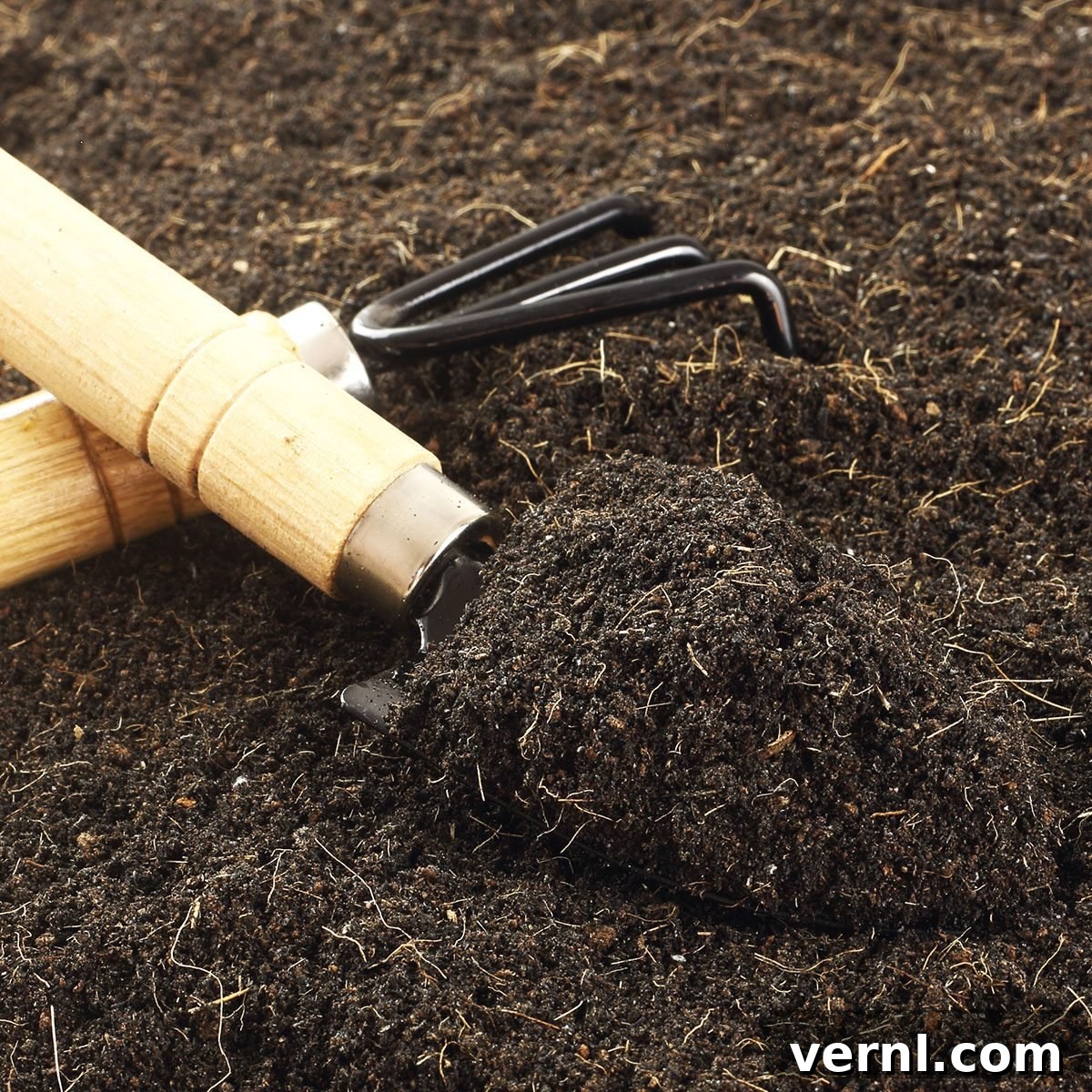
Loam Soil: Your Guide to the Perfect Garden Soil
Unlock the secrets to a flourishing garden with loam soil. This comprehensive guide covers everything you need to know about loam, from its composition to how to create and maintain it.
What Exactly is Loam Soil?
Loam soil is often hailed as the gold standard for gardening, and for good reason. It’s a harmonious blend of three essential components: sand, silt, and clay. This balanced combination provides the perfect environment for plant growth.
- Sand: Provides excellent drainage and aeration, preventing the soil from becoming compacted.
- Silt: Helps bind the sand and clay together, retaining moisture and providing a home for beneficial microorganisms.
- Clay: Holds water and nutrients, which are essential for plant health.
This unique combination, with its proper ratio of components, makes loam soil incredibly fertile and supportive of diverse plant life. This is why it is often considered the best soil type for gardening.
The Remarkable Benefits of Loam Soil
Loam soil offers a multitude of advantages for gardeners. Its balanced composition contributes to an environment that fosters healthy plant growth.
- Excellent Drainage and Aeration: Prevents waterlogging and allows oxygen to reach plant roots.
- Superior Nutrient Retention: Holds onto essential nutrients, providing plants with a readily available food source.
- Ideal Moisture Retention: Allows plants to access water slowly, preventing drought and promoting healthy root systems.
- Supports a Thriving Ecosystem: Creates a haven for beneficial microorganisms and earthworms, further enriching the soil.
Are There Any Drawbacks to Loam Soil?
In most gardening scenarios, loam soil presents no drawbacks and is in fact the best choice for a wide variety of plants. However, there are some niche situations where other soil types might be preferred.
For example, gardeners growing root crops or those in regions with heavy rainfall might prefer slightly more sandy soil for easier harvesting and better drainage. Native plants, adapted to specific local soil conditions, may also thrive without requiring loam soil. Consulting resources like the NatureID app can help determine the ideal soil and nutrients for your specific plant varieties.
How to Identify Loam Soil in Your Garden
Determining if you have loam soil is simpler than you might think. While a professional soil test is the most accurate method, a simple “squeeze test” can provide a good indication.
The Squeeze Test:
- Take a handful of moist soil.
- Form it into a ball.
- If it’s loam, the ball will compress into a loose shape that crumbles easily.
- If the ball doesn’t hold its shape, the sand content is likely too high.
- If the ball is firm and sticky, the clay content is probably dominant.
This quick and easy test gives you a preliminary assessment, helping you understand your soil’s composition before moving on to amendments or further testing.
How to Create and Improve Loam Soil
While you can’t *transform* your existing soil into loam overnight, you can significantly improve it by adding organic matter. The goal is to build a nutrient-rich, well-structured soil that mimics the properties of loam.
Here’s the key: Improve your soil structure by adding organic matter to allow it to function like loam.
How to Amend Your Soil:
- Add Organic Matter: Incorporate a 2-3 inch layer of organic materials such as compost, shredded leaves, grass clippings, or composted manure. Aim to do this in the fall or early spring.
- Incorporate into the Soil: Use a shovel or rototiller to work the organic matter into the top 6-8 inches of soil. Be careful not to over-till, as this can harm soil life.
- Timing is Key: If adding fresh (uncomposted) organic matter in the spring, wait a few weeks before planting to allow it to break down. You can plant immediately if the material is fully composted.
This process will enrich your soil, creating aggregates that improve drainage and enhance the soil’s ability to retain nutrients.
Can You Purchase Loam Soil?
Yes, you can absolutely buy loam soil. Quality topsoil is a worthwhile investment, especially if you’re planning a productive garden. Many garden centers offer pre-mixed loam blends.
For best results, consider a blend of topsoil and compost. Look for soil with visible soil peds, which are natural soil aggregates that provide space for root growth.
How to Maintain Your Loam Soil
Maintaining healthy loam soil is an ongoing process that will ensure your garden thrives year after year. Consistent care is required to replenish nutrients and preserve the soil structure.
Here’s how to keep your soil in top condition:
- Annual Addition of Organic Matter: Continue adding organic matter to your soil each year, either in the fall or spring.
- Avoid Over-Tilling: Excessive tilling can damage soil structure and release essential nutrients.
- Utilize Cover Crops: Plant cover crops between growing seasons to protect the soil from erosion and enrich it with nutrients. Popular choices include alfalfa, buckwheat, and clover.
These practices contribute to long-term soil health and ensure a thriving garden. Using these techniques means you will be less likely to have problems.
Additional Tips for Healthy Soil
- Minimize Foot Traffic: Avoid walking on your garden soil, especially when it is wet. This can lead to compaction, hindering root growth.
- Regular Soil Testing: Have your soil tested annually. This helps identify any nutrient imbalances or pH issues, allowing you to address them promptly.
- Plant Native Plants: Native plants have complex root systems that help sequester carbon, improve water absorption, and aid in soil health.
Frequently Asked Questions About Loam Soil
Can loam soil become compacted?
Yes, like any soil, loam can become compacted due to heavy foot traffic, lawn equipment, or excessive moisture. Taking steps to mitigate this can help.
Is loam soil acidic or alkaline?
Loam soil is typically neutral, with a pH ranging from 6.5 to 7.0. This makes it suitable for a wide variety of plants.
Meet the Experts
This guide draws upon the knowledge of experienced professionals:
- Em Shipman: Executive Director of KidsGardening.org, a non-profit organization supporting youth garden programs.
- Mary Phillips: Senior Director at Garden for Wildlife, a National Wildlife Federation program.
- Dr. Tony Provin: Soil Chemist and Professor at Texas A&M University.