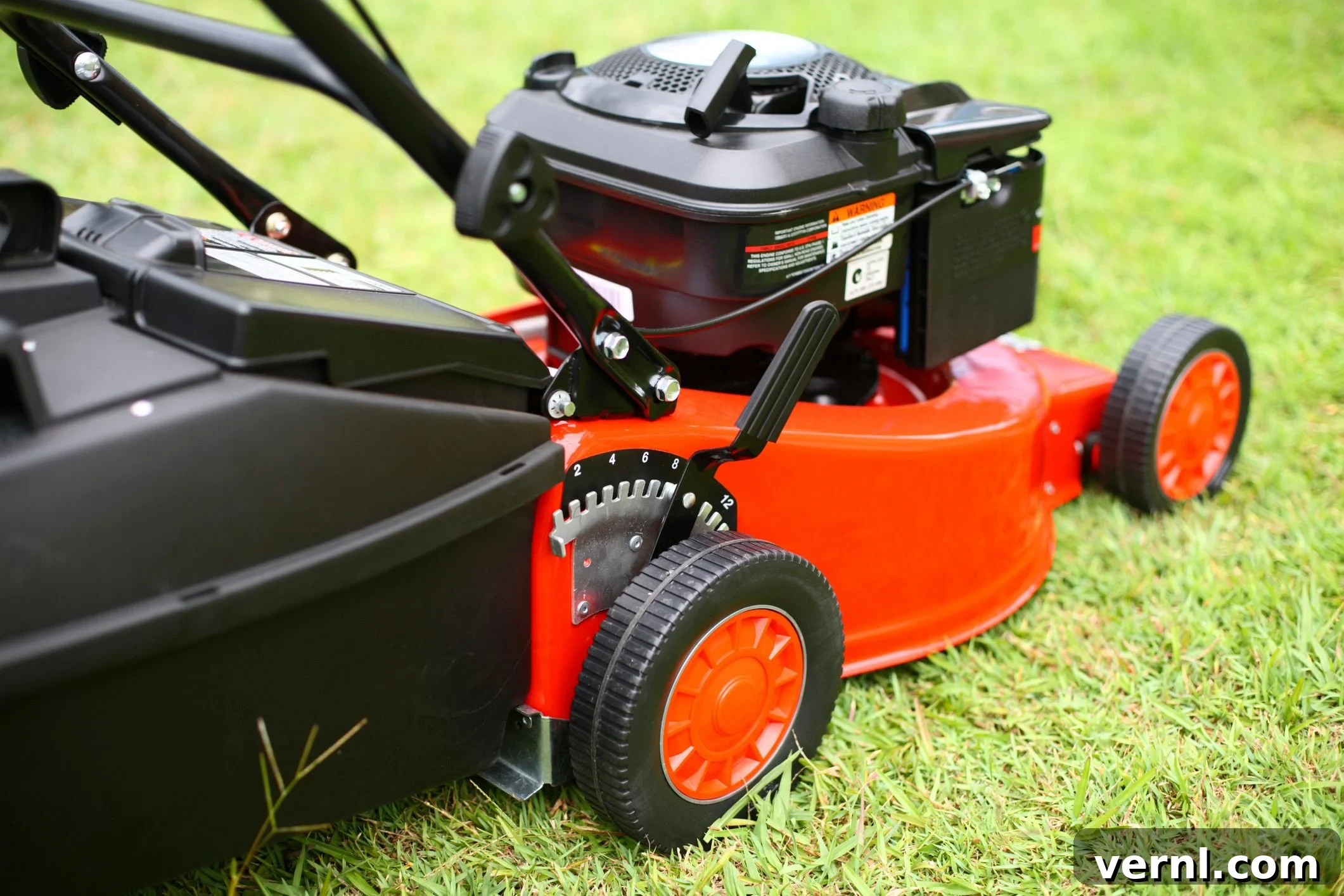
Mastering Lawn Mower Fuel Filter Maintenance for Optimal Performance
Introduction: The Unsung Hero of Your Lawn Mower’s Engine
Picture this: a bright summer day, the smell of fresh-cut grass, and a perfectly manicured lawn. Now imagine that scene abruptly interrupted by your lawn mower sputtering and dying. For many, this frustrating scenario is all too common, often leading to wasted time and unexpected repair costs. I learned this lesson firsthand years ago as a teenager, working at a children’s camp. When our old Honda walk-behind mower suddenly quit, it seemed like a mystery. Yet, the culprit was simple: a neglected fuel filter.
This experience highlighted a crucial, yet often overlooked, aspect of small engine care: fuel system maintenance. Just as the human body needs clean air to function, your lawn mower’s engine demands a pristine fuel supply. The humble fuel filter stands as the primary guardian against impurities, playing a vital role in ensuring smooth operation, extending engine life, and preventing costly breakdowns. In this comprehensive guide, we’ll delve deep into everything you need to know about your lawn mower’s fuel filter, from its function and location to detailed steps for inspection, cleaning, and replacement, ensuring your mower runs reliably season after season.
Understanding the Core: What is a Lawn Mower Fuel Filter and Why It Matters
At its essence, a lawn mower fuel filter is a small but critical device designed to protect your engine’s delicate components from harmful contaminants found in gasoline. Despite careful storage and handling, fuel can accumulate dirt, dust, rust particles from the fuel tank, sediment, and even tiny water droplets. Without a robust filtration system, these impurities would directly enter the carburetor and combustion chamber, causing significant problems.
The primary function of the fuel filter is to trap these unwanted particles before they reach the carburetor, which is responsible for mixing fuel and air in precise proportions for combustion. Clean fuel is paramount for efficient burning, consistent power output, and preventing engine damage. If debris bypasses the filter, it can clog the tiny orifices within the carburetor, disrupt the delicate fuel-air mixture, and lead to poor engine performance. Symptoms range from sputtering and stalling to reduced power and increased fuel consumption. Over time, persistent contamination can cause irreversible damage to the carburetor or even the engine itself, necessitating expensive repairs or even complete replacement. Therefore, understanding and maintaining your fuel filter is not just good practice; it’s essential for the longevity and reliability of your lawn mower.
Locating Your Mower’s Fuel Filter: A Guide to Its Position and Types
While the exact placement of a fuel filter can vary significantly between different lawn mower models—whether it’s a push mower, riding mower, or zero-turn machine—it is generally found along the fuel line pathway, from the gas tank to the carburetor. Knowing where to look is the first step in effective maintenance. Always consult your owner’s manual for precise diagrams and instructions specific to your model, as it will be your most reliable resource.
There are several common types of fuel filters you might encounter:
- In-Line Canister Filters: These are arguably the most common and recognizable type. They typically consist of a small, transparent or opaque plastic canister with pleated paper or mesh filtering material inside. They are connected directly into the rubber fuel line between the gas tank and the carburetor. Transparent models allow for easy visual inspection of the filter’s condition and accumulated debris. These are almost always replaceable.
- In-Tank or Tube-Style Filters: Some mowers, particularly smaller engines or older models, may have a fine mesh screen or a straw-like tube filter located directly inside the fuel tank, often at the end of the fuel line where it draws fuel. These are designed to catch larger particles before the fuel even leaves the tank. While some tube-style filters might be designed for rinsing, others are integral and considered non-replaceable without replacing the entire fuel pickup assembly.
- Internal Carburetor Filters: Less common as a primary filter, some carburetors may have a small, non-serviceable screen filter at their inlet. These are secondary defenses and rely heavily on a primary external filter for protection.
Replaceable filters, whether canister or tube-style, are designed for straightforward removal and installation. Non-replaceable types, often simple metal mesh screens at the bottom of the fuel tank outlet, are more robust but require careful inspection and can sometimes be cleaned with compressed air if accessible. Identifying your filter type is crucial before attempting any maintenance, as it dictates whether you’ll be cleaning, inspecting, or replacing the component.
Diagnosing and Addressing Clogged Fuel Filters: Cleaning and Inspection
Before you begin any work on your lawn mower’s fuel system, safety must be your top priority. Fuel is flammable, and mechanical parts can cause injury. Always ensure the engine is completely cool, parked on a flat, stable surface (preferably outdoors or in a well-ventilated garage), and the ignition is off. Crucially, disconnect the spark plug wire to prevent any accidental engine starts while you’re working.
- Preparation: Gather your tools. You’ll likely need a pair of pliers (needle-nose or slip-joint), a plastic container to catch any residual fuel, rags, and potentially eye protection and gloves for safety.
- Drain the Fuel Tank: It’s best to work with an empty or near-empty fuel tank. You can achieve this by siphoning the gas out using a manual pump, or by running the mower until it runs dry (always do this outdoors and away from ignition sources).
- Disconnect the Spark Plug: Locate the spark plug, usually a ceramic component with a rubber boot. Firmly pull the boot and wire away from the plug to ensure the engine cannot accidentally crank.
- Locate and Access the Fuel Line/Filter: Trace the fuel line from the gas tank to the carburetor. The filter will be an inline component in this hose or at the tank’s outlet.
- Release Fuel Line Clips: Fuel lines are typically held in place by small spring clamps or hose clamps. Use your pliers to squeeze the tabs of the spring clips or loosen the screw on hose clamps, then slide them away from the connection points.
- Remove the Filter: Carefully pull the fuel line off the spigots of the filter or the tank outlet. Be prepared for a small amount of fuel to spill, even if you’ve drained the tank.
- Inspect the Filter:
- For Canister-Style Filters: If it’s transparent, hold it up to the light. Can you see dark sediment, rust particles, or discoloration within the pleated material? If the filter material looks dark, clogged, or you can see visible debris, it’s time for a replacement. Canister filters are generally not designed to be effectively cleaned and reused; their internal media becomes saturated.
- For Tube-Style or Screen Filters: Examine the fine mesh screen for dirt, rust, or debris. If the mesh is intact and not severely clogged, you might be able to gently rinse it under a tap with clean water or blow compressed air through it (in the reverse direction of fuel flow) to dislodge particles. Ensure it’s completely dry before reinstallation. However, if the mesh is torn, brittle, or heavily encrusted, replacement is the best option.
Even if you attempt to clean a filter, remember that a new filter provides optimal filtration and peace of mind. Given their affordability, replacement is often the most sensible choice, especially for canister types.
Seamless Replacement: A Step-by-Step Guide to Changing Your Mower’s Fuel Filter
Once you’ve determined that your fuel filter needs replacing, or if you’ve opted for a proactive replacement, the process is straightforward and typically takes only a few minutes. Having the right tools and a new, correct filter on hand will make the job quick and easy. Remember to maintain the safety precautions mentioned in the previous section: engine off and cool, spark plug disconnected, and a well-ventilated area.
- Gather Your Supplies: You’ll need your new replacement lawn mower fuel filter (ensure it’s the correct type and size for your mower), pliers (for hose clamps), a plastic container or drain pan for any residual fuel, and some clean rags. Eye protection and chemical-resistant gloves are highly recommended for handling fuel safely.
- Access the Filter: Follow the initial steps from the “Cleaning and Checking” section above to safely drain the fuel, disconnect the spark plug, and expose the existing fuel filter and its connections. Carefully remove the old filter by releasing the spring clips or hose clamps and gently pulling the fuel line off each end.
- Install the New Filter (Canister Style):
- Check Direction: Most canister-style fuel filters have an arrow molded onto their casing. This arrow indicates the direction of fuel flow. It is absolutely crucial to install the filter so this arrow points towards the carburetor (away from the fuel tank). Incorrect installation will prevent fuel from reaching the engine.
- Connect Fuel Lines: Push one end of the fuel line onto one spigot of the new filter and slide the spring clamp back into place to secure it. Repeat this process for the other end of the fuel line on the filter’s second spigot. Ensure both connections are snug and the clamps are firmly seated to prevent leaks.
- Install the New Filter (Tube-Style/In-Tank):
- Orient Correctly: If replacing a tube-style filter that slides inside the fuel line or sits directly in the tank, note the orientation of the old filter upon removal. The new filter should be installed in the same manner, often with the mesh end positioned to draw fuel effectively.
- Secure Connection: Carefully insert the new tube filter into its designated position and ensure any connecting fuel lines or retaining clips are reattached securely.
- Reconnect and Test:
- Secure the Fuel Line: Double-check all fuel line connections and clamps to ensure there are no loose spots that could lead to leaks.
- Reconnect Spark Plug: Reattach the spark plug wire firmly to the spark plug.
- Refuel and Test: Add fresh fuel to your tank. Before starting, visually inspect the new filter and fuel lines for any signs of leakage. Once confirmed leak-free, start your mower. It might take a few extra cranks for fuel to prime the system, but it should then run smoothly.
Proper disposal of old fuel filters and any drained gasoline is important. Filters often contain residual fuel and should be disposed of according to local environmental regulations. Spent gasoline should be taken to a hazardous waste collection site.
Frequency of Replacement: How Often Should You Change Your Lawn Mower Fuel Filter?
While the exact timing can depend on several factors, a general rule of thumb for most residential lawn mowers is to replace the fuel filter at least once a year. This recommendation aligns with the typical annual maintenance schedule many homeowners follow for their lawn and garden equipment. For optimal performance and preventative care, consider replacing it at the end of the mowing season during winterization, or at the beginning of spring during your annual tune-up.
Several factors can influence how often your fuel filter needs attention:
- Usage Intensity: If you use your lawn mower frequently, for extended periods, or for commercial purposes, you might need to inspect and replace the filter more often, perhaps every 50-100 hours of operation. Higher usage means more fuel passes through the filter, increasing its chance of getting clogged.
- Fuel Quality: The quality of the gasoline you use plays a significant role. Fuel from less reputable sources or fuel that has been stored improperly can contain more impurities, leading to faster filter clogging. Using a fuel stabilizer, especially during storage, can help prevent fuel degradation that contributes to sediment.
- Operating Environment: Mowers operated in dusty or dirty environments are more susceptible to fuel tank contamination, which will put more strain on the fuel filter.
- Storage Conditions: If your mower is stored in an environment where moisture or dust can easily enter the fuel tank, the filter may clog more quickly.
While some seasoned users might occasionally skip a year without apparent issues, relying on luck isn’t a sustainable maintenance strategy. Proactive replacement prevents minor issues from escalating into major problems. A clogged filter will slowly starve your engine of fuel, forcing it to work harder and potentially causing damage to other components, particularly the carburetor. Incorporating fuel filter replacement into your annual maintenance checklist ensures that this small, inexpensive part continues to protect your valuable engine, providing reliable starts and consistent performance throughout the mowing season.
Sourcing the Right Part: Where to Buy Replacement Lawn Mower Fuel Filters
Finding the correct replacement fuel filter for your lawn mower is crucial for proper fit and effective filtration. While the process is generally straightforward, it’s important to know where to look and what information you’ll need. Don’t simply grab the first filter you see; compatibility is key.
Here are your best options for purchasing a new fuel filter:
- Owner’s Manual: Your lawn mower’s owner’s manual is the definitive source for replacement part numbers. It will specify the exact OEM (Original Equipment Manufacturer) part number for your fuel filter. This is the most reliable way to ensure you get a perfectly compatible component.
- Online Retailers: Websites like Amazon, eBay, and specialized online parts stores (e.g., PartsTree, Jack’s Small Engines, Repair Clinic) offer a vast selection of both OEM and aftermarket fuel filters. You can typically search by your mower’s brand, model number, or the specific part number found in your manual. Online shopping often provides competitive pricing and convenient delivery.
- Local Hardware Stores and Home Improvement Centers: Stores like Home Depot, Lowe’s, Ace Hardware, or independent hardware shops usually stock a range of universal or common fuel filters. If you don’t have a specific part number, bringing your old filter for comparison can help, but always double-check the diameter of the spigots to match your fuel line size.
- Lawn and Garden Centers / Power Equipment Dealers: These specialized stores are excellent resources. They often carry a wide array of OEM parts for various brands and their staff can provide expert advice. While prices might be slightly higher than online, the assurance of getting the correct part and immediate availability can be invaluable.
When purchasing, pay attention to the following:
- Part Number: Always prioritize matching the OEM part number.
- Filter Type: Ensure you get the correct type (canister, tube, etc.) and size to fit your fuel lines.
- Flow Direction: For canister filters, remember to check for the flow arrow if present, as some filters are designed for specific flow directions.
- OEM vs. Aftermarket: While aftermarket filters can be more affordable, OEM filters are guaranteed to meet the manufacturer’s specifications for quality and performance. For critical components, many prefer OEM parts.
Taking a few moments to correctly identify and purchase the right fuel filter will save you time and potential headaches down the line, ensuring your mower receives the optimal protection it needs.
The Indisputable Value: Why Fuel Filter Maintenance is Paramount for Engine Longevity and Performance
The importance of maintaining your lawn mower’s fuel filter cannot be overstated. It’s a small, inexpensive component that delivers immense value in terms of engine health, reliability, and overall performance. Neglecting this vital part is akin to inviting trouble into your mower’s fuel system and, subsequently, its engine. Regularly checking and replacing your fuel filter is a cornerstone of preventative maintenance, safeguarding your investment and ensuring hassle-free lawn care for years to come.
Enhanced Engine Performance: The Direct Benefits
A clean, functional fuel filter directly translates to superior engine performance and efficiency. By ensuring a steady supply of clean fuel, the filter contributes to:
- Smoother Operation: With no blockages, fuel flows freely to the carburetor, allowing for a consistent fuel-air mixture. This results in the engine running smoothly, without irritating sputtering, surging, or stalling, even under varying loads.
- Consistent Power Output: A healthy engine receiving adequate, clean fuel will deliver its rated power consistently. This means your mower will cut through dense grass without bogging down, making your work more efficient and less strenuous.
- Improved Fuel Efficiency: When the engine receives the correct fuel-air mixture, combustion is more complete and efficient. This not only enhances performance but also means your mower uses less fuel to do the same amount of work, saving you money at the pump.
- Extended Engine Lifespan: By preventing abrasive particles and contaminants from reaching the carburetor and combustion chamber, the fuel filter significantly reduces wear and tear on these critical components. This protection directly contributes to the longevity of your engine, delaying the need for expensive repairs or premature replacement.
- Reduced Risk of Costly Repairs: Carburetors are intricate and expensive to repair or replace. A properly functioning fuel filter is the first and best defense against carburetor clogging and damage, saving you significant repair bills down the road.
Warning Signs: Recognizing a Dirty or Clogged Fuel Filter
Your lawn mower often communicates problems before they become catastrophic failures. Learning to recognize the signs of a dirty or clogged fuel filter can help you address the issue promptly and prevent further damage. Keep an eye (or ear) out for these common symptoms:
- Engine Struggles to Start or Frequently Stalls: This is one of the most common indicators. If the engine cranks but struggles to catch, or starts only to quickly sputter and die, it’s often due to fuel starvation caused by a clogged filter limiting fuel flow.
- Reduced Power and Acceleration: Noticeable loss of power, especially when cutting thicker grass or going up an incline. The engine may sound like it’s straining or bogging down, as it’s not receiving enough fuel to maintain RPMs under load.
- Rough Idling or Misfires: If the engine idles unevenly, “hunts” for RPMs, or seems to misfire sporadically, it could be a sign of an inconsistent fuel supply caused by partial blockages in the filter.
- Increased Fuel Consumption: When an engine isn’t getting enough fuel, it sometimes compensates by running richer (more fuel-dense mixture) or simply works harder to achieve the desired output, leading to higher fuel usage.
- Unusual Engine Noises: Straining, knocking, or other abnormal sounds can indicate that the engine is struggling due to inadequate fuel supply, forcing internal components to work under stress.
- Visible Debris in Transparent Filters: For mowers equipped with transparent inline fuel filters, a quick visual inspection can reveal a dark, dirty, or discolored filter media, or even visible particles trapped inside. This is a clear signal for replacement.
If you observe any of these symptoms, inspecting or replacing your fuel filter should be one of your first troubleshooting steps. Addressing these signs early can prevent more severe engine problems and ensure your mower remains a reliable tool for maintaining your lawn.
Frequently Asked Questions About Lawn Mower Fuel Filters
Can I clean a lawn mower fuel filter instead of replacing it?
The ability to clean a fuel filter largely depends on its type. Tube-style or mesh screen filters, often found inside the fuel tank, can sometimes be carefully rinsed with clean water or blown with compressed air if the mesh is intact and not severely damaged. However, canister-style filters, especially those with pleated paper elements, are generally not designed for effective cleaning. Once their filtering media is saturated with fine particles, it’s impossible to fully restore their filtration efficiency. For canister filters, replacement is almost always the recommended and most effective solution, given their low cost and critical function.
What type of fuel filter do I need for my lawn mower?
To ensure you get the correct fuel filter, consult your lawn mower’s owner’s manual first; it will provide the specific part number for your model. If the manual is unavailable, visually inspect your old filter. Note its physical characteristics: whether it’s a canister or tube style, its dimensions, and the diameter of its inlet/outlet ports to match your fuel line size. Some canister filters also have an arrow indicating fuel flow direction, which is important for proper installation. When in doubt, take your old filter to a local power equipment dealer for assistance.
What happens if I don’t change my lawn mower’s fuel filter?
Neglecting your fuel filter can lead to a cascade of problems. Initially, you’ll experience reduced engine performance, such as sputtering, stalling, loss of power, and difficulty starting. As the filter becomes increasingly clogged, it will restrict fuel flow to the point where the engine may not run at all. More critically, small particles that manage to bypass a clogged filter can reach and damage the carburetor, leading to expensive repairs or even requiring a complete carburetor replacement. Ultimately, ignoring the fuel filter can significantly shorten your engine’s lifespan and lead to costly breakdowns, transforming a simple maintenance task into a major headache.
Can a fuel filter get clogged by old or bad fuel?
Yes, absolutely. Old or degraded fuel is a common culprit for clogged fuel filters. Over time, gasoline can break down, forming gummy deposits, varnish, and sediment. These byproducts of fuel degradation, along with any water that separates from the fuel, will accumulate in your fuel tank and eventually be drawn into the fuel filter, clogging it much faster than normal. Using a quality fuel stabilizer, especially during periods of storage, can significantly mitigate these issues and help keep your fuel and filter cleaner.
Conclusion: A Small Part, A Big Impact
The fuel filter, though often unseen and unappreciated, is a cornerstone of your lawn mower’s health and longevity. From preventing irritating breakdowns to ensuring peak engine performance and extending the life of crucial components, its role is undeniably vital. Understanding its function, knowing where to locate it, and following simple steps for regular inspection and replacement are essential maintenance practices that any homeowner can master. Don’t let a small, inexpensive part be the reason your mowing season grinds to a halt. By making fuel filter maintenance a consistent part of your routine, you’re not just taking care of your mower; you’re investing in reliable performance, efficiency, and the satisfaction of a well-maintained lawn.
Sources:
- Green Industry Pros: “Engine Maintenance Tips”
- Just Lawnmowers: ”Lawn Mower Maintenance Tips for a Healthy Lawns”
- Briggs&Stratton: ”How to Change a Fuel Filter in Small Engines?”