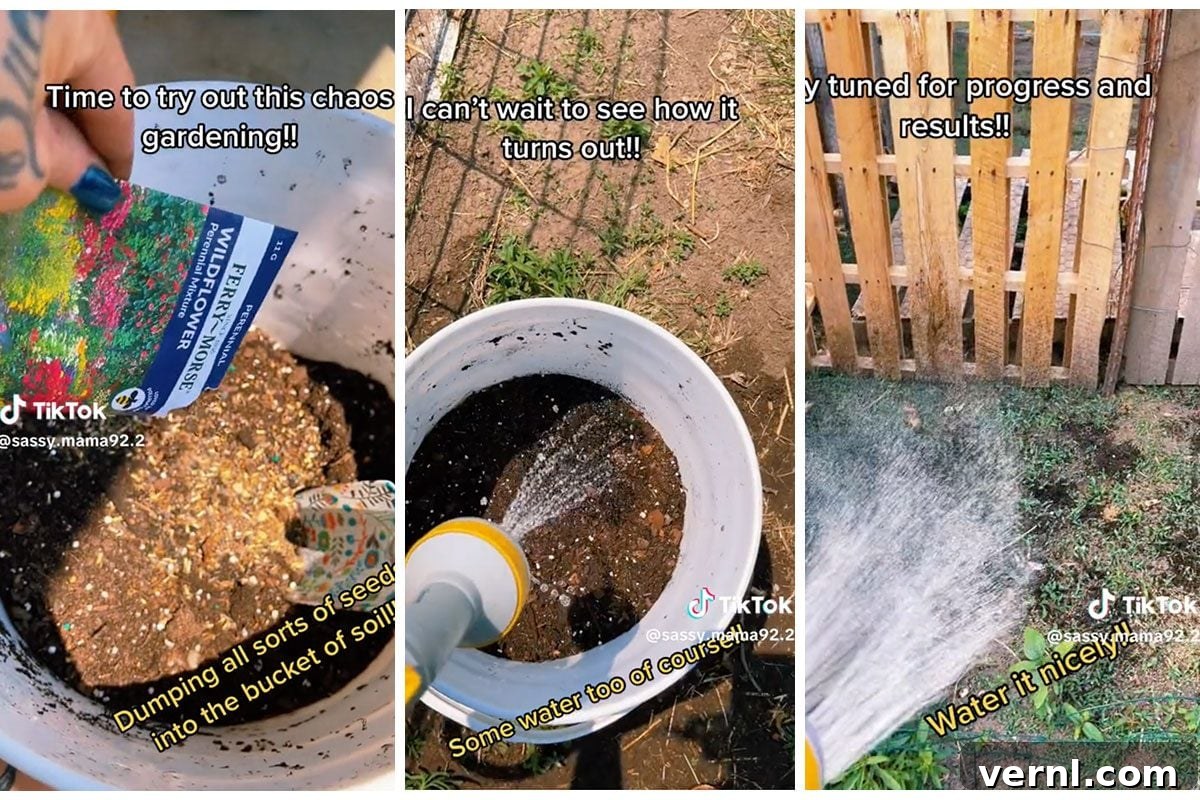
Welcome to the enchanting world of chaos gardening, a revolutionary approach to cultivating vibrant, thriving outdoor spaces without the stress of rigid planning. For many aspiring gardeners, the thought of creating an “ideal” garden can be overwhelming. From meticulously researching the specific needs of countless plant varieties to agonizing over color palettes and spatial arrangements, the pursuit of perfection often overshadows the sheer joy of gardening itself. Traditional gardening methods can feel like a demanding chore, stripping away the very essence of why we seek connection with nature.
Fortunately, a delightful solution has blossomed from the digital realm, captivating plant lovers on platforms like TikTok: chaos gardening. This carefree, creative, and inherently minimalist gardening practice celebrates imperfection, inviting gardeners to embrace spontaneity and allow nature to take the lead. By skipping rigid blueprints in favor of scattering diverse seed mixes and trusting the natural order, chaos gardening often results in a spectacularly vibrant, low-maintenance garden that profoundly supports local biodiversity and beautifully mimics the wild, untamed aesthetics of nature. It’s an invitation to rediscover the fun and freedom that gardening truly offers, transforming your outdoor space into a living, breathing canvas of ever-evolving beauty.
The term “chaos gardening” gained widespread popularity thanks to TikToker Sassy Mama (@sassy.mama92.2), whose engaging video introducing this natural gardening tip garnered nearly 3 million views. Her simple, yet profound approach resonated with countless individuals seeking a more relaxed path to a flourishing garden. As you delve into the principles of this exciting trend, you’ll discover how effortlessly you can start your own beautiful chaos garden and unlock a new level of gardening satisfaction.
What Exactly Is Chaos Gardening? Unpacking the Wild Garden Philosophy

At its core, chaos gardening is the art and practice of cultivating your garden by creating a personalized mix of seeds and liberally scattering them across your chosen plot. Unlike conventional methods that involve precise planting depths, specific spacing, and meticulous row formations, chaos gardening embraces a much more relaxed and organic approach. It’s about letting go of strict control and allowing the plants to decide their own destiny, guided by the benevolent hand of nature.
In her viral video, Sassy Mama beautifully illustrates this simplicity. She begins by adding a generous amount of potting soil to a bucket, then gleefully pours in entire packets of various flower seeds. Her chosen medley included a wide array of beautiful blooms, such as wildflower mixes, a specialized pollinator-attracting blend, vibrant blue tansy, charming cosmos, cheerful zinnias, and majestic sunflowers. The key here is the diversity and abundance of seeds, creating a rich tapestry of potential growth.
A significant number of chaos gardeners also passionately advocate for the inclusion of native plant species in their seed mixes. Native plants are indigenous to a particular region and play a crucial role in supporting local ecosystems. By integrating them, gardeners can significantly promote biodiversity in their gardens, providing vital food and habitat for native wildlife, from busy pollinators to songbirds. This ecological mindfulness is a cornerstone of the chaos gardening ethos. From this point, Sassy Mama simply stirs the seeds and soil together to ensure a randomized distribution—a fundamental aspect of this natural gardening method that prioritizes spontaneity and natural patterns over rigid, human-imposed structures.
It’s important to understand that chaos gardening, while seemingly anarchic, differs distinctly from guerrilla gardening. While both approaches share a rebellious spirit and involve random assortments of seeds, often with similarities to seed bombing, chaos gardening is typically practiced on one’s own property or with explicit permission on communal land. Guerrilla gardening, conversely, often involves planting on neglected public or private land without prior consent. And while the inclusion of native plants isn’t a strict, non-negotiable rule, it is a highly recommended and widely encouraged practice within this philosophy, reinforcing the focus on ecological benefit and authentic wild garden design.
The Aesthetic Appeal: What Does a Chaos Garden Look Like?
A chaos garden is a dynamic, surprising, and endlessly delightful spectacle. Far from appearing messy or unkempt, a well-executed chaos garden exudes a unique charm and natural elegance that captivates observers. It offers a refreshing departure from the manicured formality of traditional landscapes, presenting a vibrant tapestry of textures, colors, and heights that evolve throughout the seasons.
Enthusiasts of wildflowers and admirers of the classic English country garden style are particularly drawn to this method. A chaos garden beautifully mimics the natural appearance of wildflower meadows or artfully overgrown country garden patches, where plants intertwine and bloom in harmonious disarray. The result is a garden that feels deeply connected to nature, evoking a sense of tranquility and untouched beauty, as if Mother Nature herself orchestrated its design.
One of the most unexpected and rewarding perks of embracing chaos gardening is the exciting potential for hybrid flowers to emerge. When various plant species grow in close proximity, cross-pollination can occur, leading to the development of new and unique floral variations. For intermediate gardeners who enjoy experimenting with plant combinations and aspire to cultivate their own distinctive blooms, this element of surprise makes chaos gardening an incredibly engaging and fulfilling option. It transforms your garden into a living laboratory, where every season brings new possibilities and discoveries.
Despite these intriguing possibilities for more experienced hands, this basic gardening technique remains profoundly ideal for novices. Its inherent simplicity and emphasis on spontaneity eliminate the common anxieties associated with gardening. You don’t need to be an expert botanist or possess years of horticultural wisdom to appreciate the vivid, natural beauty and the rich diversity that a chaos garden adds to your outdoor area. It’s an accessible entry point into the world of gardening, allowing anyone to create a stunning, low-maintenance haven.
Starting Your Own Chaos Garden: A Simple Guide to Natural Beauty
Embarking on your chaos gardening journey is refreshingly straightforward, proving that creating a beautiful and impactful garden doesn’t require complex tools or extensive knowledge. The fundamental requirements are minimal, making this an incredibly accessible practice for gardeners of all levels. Really, all you need to begin is a diverse range of seeds, a sturdy bucket, and some quality potting soil or compost.
Sassy Mama’s viral method, which has become the gold standard for many, is elegantly simple:
- Gather Your Materials: Collect your chosen assortment of seeds, a clean bucket, and potting soil or garden compost.
- Mix it Up: In the bucket, combine the potting soil or compost with your seed mix. Stir them thoroughly to ensure the seeds are well distributed throughout the soil. This randomization is key to the “chaos” element.
- Scatter with Abandon: Take handfuls or spoonfuls of this seed-and-soil mixture and scatter it liberally across your prepared garden bed or designated planting area. Don’t overthink the placement; let your hand guide the scattering process naturally.
- Gentle Integration: Once scattered, gently pat down the soil. This helps to ensure good seed-to-soil contact, which is crucial for germination. You don’t need to bury them deep; a light pat is sufficient.
- Water Consistently: Water the newly sown area frequently, especially in the initial stages, to keep the soil consistently moist. This consistent hydration encourages successful germination and establishment of the young seedlings.
That’s truly all it takes to get started!
To optimize your outcomes and foster a flourishing chaotic garden, a few thoughtful considerations can enhance your success. One excellent strategy is to select seed types that share comparable requirements for soil and sunlight. For instance, if your garden receives ample direct sunlight for most of the day, opt for full-sun flowers like cosmos, zinnias, or poppies. Conversely, if your area is predominantly shady, choose species that thrive in partial sun or shade, such as nasturtiums or calendula. Matching plant needs to your environment ensures that a greater number of your scattered seeds will have the best chance to germinate and thrive.
Another superb approach to ensure your chaotic garden flourishes with minimal effort is to prioritize tough, resilient, and low-maintenance plants. Varieties known for their hardiness, drought tolerance, and ability to self-seed will contribute significantly to a self-sustaining and vibrant display, reducing the need for constant intervention and care. The beauty of chaos gardening lies in its forgiving nature, making it perfect for those seeking maximum impact with minimal fuss.
Above all, cultivate an open mind and a spirit of playful experimentation. Chaos gardening is, at its heart, a playful and experimental kind of minimalist gardening. Release the grip of strict expectations and predetermined visions. Whether your primary goal is to attract a diverse array of pollinators, to significantly increase biodiversity in your garden, or simply to revel in the delightful surprise of what spontaneously grows, this approach beautifully honors the happiness found in trial and error. Embrace the unexpected twists and turns, and allow your garden to evolve into a unique and personal reflection of nature’s artistry.
Thoughtful Considerations for a Thriving Chaos Garden
While chaos gardening is celebrated for its low-effort nature, a few thoughtful considerations can significantly enhance your chances of striking the perfect balance between wild, untamed beauty and long-term garden success. By keeping these natural gardening tips in mind, you can guide your chaotic landscape towards its fullest potential, ensuring a sustainable and vibrant ecosystem. Before you eagerly toss those seeds, take a moment to ponder these practical insights:
- Know Your Light and Soil Conditions: Even in a free-form garden design, understanding your specific site conditions is paramount. Matching plants with comparable sun exposure and soil requirements is crucial for their survival and flourishing. For example, if your garden basks in full sun for six or more hours daily, sun-loving flowers such as cosmos, zinnias, or poppies will thrive. Conversely, if your space is predominantly shadier, species like nasturtiums or calendula are better suited to those less illuminated settings. Consider conducting a simple soil test to understand its pH and nutrient levels, allowing you to select seeds that will genuinely thrive.
- Choose Native and Pollinator-Friendly Plants: This is perhaps one of the most impactful considerations for an eco-conscious chaos garden. Deliberately choosing native plant species not only ensures their resilience in your local climate but also dramatically increases the survival and health of local pollinators, promoting invaluable biodiversity in your garden. For a genuinely self-sustaining area that supports a robust ecosystem, actively combine diverse wildflowers and naturally reseeding plants that provide continuous nectar and habitat.
- Don’t Overcrowd Your Seeds: While the temptation to spread a multitude of seeds widely is inherent in chaos gardening, it’s essential to exercise some restraint. Too many seeds in a confined area will inevitably compete fiercely for vital resources such as sunlight, water, and nutrients, which can lead to stunted growth and weaker plants. Even when utilizing this minimalist planting technique, it’s beneficial to follow general spacing guidelines as much as possible to prevent slowing growth and ensure each plant has adequate room to develop into its full potential. Think generous scattering rather than dense carpeting.
- Embrace the Unexpected and Celebrate Imperfection: The very essence of chaos gardening is its unpredictability. Your garden will be a unique masterpiece, ever-changing and surprising, which is precisely the ultimate goal. Every season will undoubtedly bring something fresh and unexpected. Some plants may flourish with astonishing vigor, while others might wither away. Release the need for absolute control and instead, simply enjoy the dynamic, untamed garden design that organically develops. It’s a journey of discovery, not a destination of perfection.
- Maintenance Without Micromanaging: While chaos gardening inherently calls for minimal maintenance, it does not mean complete neglect. A little sporadic weeding, particularly in the early stages, can prevent more aggressive invasive species from dominating and choking out your desired blooms. Occasional light pruning can also help retain airflow, prevent fungal issues, and encourage bushier growth or more blooms. Consider these actions as gentle direction and nurturing, rather than rigorous control. It’s about maintaining a healthy balance, not imposing strict order.
- Consider Vertical Elements: Even in a chaotic setting, introducing some vertical growth can add structure and visual interest. Climbing vines, tall sunflowers, or even simple trellises can elevate your garden’s aesthetic without compromising its wild feel.
- Start Small and Observe: If you’re new to chaos gardening, begin with a smaller section of your garden. This allows you to observe how different seeds perform in your specific environment and adjust your approach for future seasons. Learning from observation is a key part of this natural process.
Top Plants for a Successful and Bountiful Chaos Garden
Choosing the right seeds is crucial for establishing a vibrant and resilient chaos garden. These exceptional plant selections are celebrated for their ease of growth, ecological benefits, and ability to thrive in a free-form environment, ensuring your chaotic garden flourishes with minimal intervention.
Self-Seeding Annuals: The Foundation of Continuous Beauty
These remarkable plants are perfect for maintaining the wild, spontaneous mood of a chaos garden. They effortlessly shed their seeds at the end of their life cycle, allowing new plants to sprout independently season after season, ensuring a continuous display of beauty with little to no effort from you.
- Cosmos: Known for their tall, delicate stems and airy, daisy-like flowers, cosmos are incredibly attractive to butterflies. They thrive in full sun and offer a continuous bloom from summer to frost, bringing a whimsical touch to any garden.
- Calendula (Pot Marigold): These cheerful annuals produce vibrant orange and yellow blooms that are not only beautiful but also readily reseed themselves. They are remarkably easy to grow, tolerant of various conditions, and add a sunny disposition to your wild garden design.
- Nasturtiums: Delightfully spreading edible flowers, nasturtiums boast distinctive round leaves and bright, peppery blossoms. Their trailing vines spill gracefully, making them excellent ground cover or an interesting addition to vertical spaces. Both their leaves and flowers are edible, adding a gourmet touch.
- Zinnias: Bursting with bright, rich colors, zinnias are an absolute magnet for pollinators, especially butterflies. They bloom prolifically all summer long, offering a continuous spectacle of vibrant hues and a sturdy, upright presence in your chaotic mix.
- Poppies: Delicate yet striking, poppies self-seed generously and create a stunning display of ephemeral beauty. Their papery petals come in a variety of colors, adding a touch of romance and wildness.
Pollinator-Friendly Flowers: Supporting Our Essential Ecosystem
A cornerstone of natural gardening is the vital role it plays in supporting bees, butterflies, hoverflies, and other beneficial insects. These flowers are not only environmentally conscious choices but also incredibly lovely additions to your garden, ensuring a buzzing, lively landscape.
- Echinacea (Coneflower): Hardy native perennials, coneflowers are celebrated for their distinctive cone-shaped centers and an abundance of nectar-rich flowers. They are drought-tolerant and provide a crucial food source for a wide range of pollinators.
- Black-Eyed Susan (Rudbeckia hirta): These iconic golden-yellow flowers with dark centers are incredibly resilient and drought-tolerant. They attract a diverse array of insects, including bees and butterflies, making them an essential component of a biodiversity-rich garden.
- Blue Tansy (Tanacetum annuum): A unique and wonderfully aromatic flower, blue tansy not only attracts pollinators but also adds a distinctive visual appeal with its delicate blue blossoms. It looks particularly stunning when intermingled with other mixed plantings.
- Borage: An annual herb with striking star-shaped blue flowers, borage is an absolute favorite of bees. Its edible flowers also add a unique, cucumber-like flavor to salads and drinks, making it both functional and beautiful.
- Lavender: Fragrant and beautiful, lavender is a superstar for attracting bees and other pollinators. It thrives in full sun and well-drained soil, adding a sensory delight to your garden.
Grasses and Wildflowers: Embracing the Untamed Aesthetic
Incorporating a mix of native grasses and wildflowers helps to enhance the “untamed” and authentic impression of a wild garden design. They offer crucial structure, textural diversity, and sustained seasonal interest, creating a more dynamic and ecologically rich environment.
- Yarrow (Achillea millefolium): With its feathery foliage and flat-topped clusters of blooms, yarrow is highly resistant to drought and incredibly adaptable. It provides a sturdy, textural element and attracts beneficial insects.
- Coreopsis (Tickseed): A cheerful and easy-to-grow wildflower, coreopsis offers extended blooming cycles with its bright yellow, daisy-like flowers. It’s a resilient choice that adds a splash of sunshine to any chaotic planting.
- Lupine: Known for its dramatic spires of pea-like flowers, lupine naturally fixes nitrogen in the soil, enriching its fertility. It adds significant vertical interest and comes in an array of stunning colors.
- Native Ornamental Grasses: Integrating various native ornamental grasses promotes vital habitat diversity for small wildlife and insects. They add captivating movement, subtle texture, and year-round interest, especially in cooler months, enhancing the naturalistic feel.
- Switchgrass (Panicum virgatum): A tall, warm-season grass that provides excellent structure and winter interest, offering shelter for birds and small animals.
Edible and Functional Plants: Beauty with a Purpose
Expanding your chaos garden to include some herbs or vegetables ensures that your outdoor space is not only lovely to behold but also wonderfully useful, providing fresh ingredients for your kitchen.
- Dill: This delicate herb draws a variety of pollinators with its umbrella-like flower heads and provides a feathery, attractive texture to your garden. Its leaves and seeds are also culinary delights.
- Chard (Swiss Chard): With its vibrant, jewel-toned stems and rich green leaves, chard provides exceptional visual interest throughout the growing season. It’s also a nutritious and prolific vegetable.
- Arugula and Lettuce: These fast-growing greens are perfect for chaos gardening. They add leafy variety, are quick to mature for harvest, and many varieties readily self-seed, ensuring a continuous supply of fresh salad greens with minimal effort.
- Parsley: Another excellent herb that attracts beneficial insects and offers fresh leaves for culinary use. It can self-seed and establish itself in a chaotic setting.
- Radishes: Quick-growing and easy to scatter, radishes can provide an early harvest of spicy roots while their leaves also contribute to the chaotic foliage.
Frequently Asked Questions About Chaos Gardening
Is chaos gardening good for the environment?
Absolutely, chaos gardening is inherently eco-friendly and profoundly beneficial for the environment. By embracing this natural approach, especially through the strategic choice of native species and pollinator-friendly plants, you actively promote biodiversity in your garden. This creates a welcoming habitat that attracts and sustains essential creatures like bees, butterflies, and birds, playing a crucial role in local ecosystem health. Furthermore, chaos gardening significantly lowers the demand for synthetic inputs such as harsh chemical fertilizers or harmful pesticides, leading to healthier soil, cleaner water, and a more sustainable gardening practice overall. It’s a powerful step towards a greener planet, starting right in your backyard.
How much space do I need for a chaos garden?
One of the beauties of chaos gardening is its adaptability to various scales. You can create a thriving chaos garden in a small container on a balcony, a raised bed, or across an expansive backyard. The key is simply to have a patch of soil where you can scatter your chosen seed mix. Even a small corner can become a vibrant oasis.
Do I need to prepare the soil before chaos gardening?
While chaos gardening is low-maintenance, a basic level of soil preparation will yield much better results. Clearing the area of existing weeds, loosening the topsoil, and incorporating some compost or organic matter will provide your seeds with an excellent foundation to germinate and grow. This gives them a head start over aggressive weeds.
What’s the best time of year to start a chaos garden?
The ideal time to start a chaos garden largely depends on your local climate and the types of seeds you’re using. Generally, late fall (for natural stratification and early spring germination) or early spring (after the last frost) are excellent times. Always check the specific planting instructions for your chosen seed varieties to ensure the best success.
Will weeds become a problem in a chaos garden?
Weeds are a natural part of any garden, including a chaotic one. While the dense planting of a chaos garden can help suppress some weeds, it’s unrealistic to expect a completely weed-free space. Gentle, sporadic weeding, especially in the early stages, can help your desired plants establish themselves. Over time, as your chaos garden matures, it will often create a self-sustaining ecosystem that naturally outcompetes many weeds.
Can I include vegetables in my chaos garden?
Yes, absolutely! As highlighted in the “Edible and Functional Plants” section, many vegetables and herbs are well-suited for chaos gardening. Fast-growing, self-seeding, or resilient varieties like arugula, lettuce, dill, parsley, and chard can be easily integrated, adding both beauty and productivity to your wild garden design.
How does chaos gardening benefit mental well-being?
Chaos gardening, by its very nature, promotes a sense of calm and reduces stress. It encourages letting go of perfectionism and embracing the natural process, fostering a mindful connection with nature. The anticipation of watching unknown blooms emerge, the joy of witnessing pollinators, and the simple act of nurturing life contribute significantly to mental well-being and a greater appreciation for the natural world.
Sources:
Missouri Botanical Garden: “Sustainable Gardening”
This comprehensive guide to chaos gardening provides a fresh perspective for anyone looking to create a beautiful, ecologically friendly, and low-stress garden. Embrace the wild, scatter your seeds, and watch your outdoor space transform into a vibrant testament to nature’s effortless artistry.