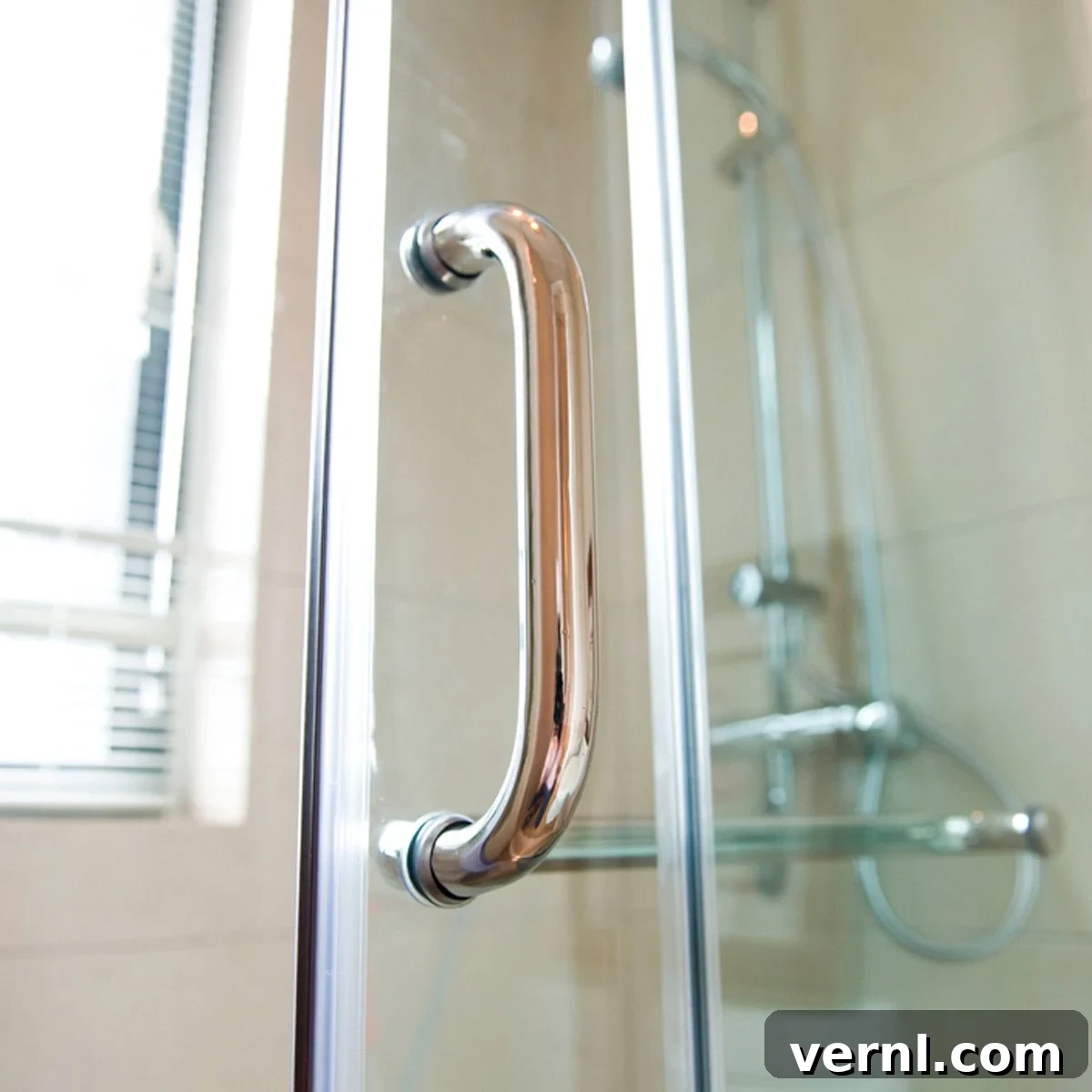
There’s nothing quite like a sparkling clean bathroom, and the centerpiece of a truly pristine shower is undoubtedly its glass shower doors. However, maintaining that crystal-clear shine can feel like an endless battle. The most common and frustrating adversary? Mineral deposits from hard water. These minerals, primarily calcium and magnesium, accumulate over time to form a stubborn, milky-white film that detracts from your bathroom’s aesthetic and can be incredibly challenging to remove.
Beyond hard water stains, another significant cleaning hurdle is soap scum. This unsightly residue is a byproduct of hard water reacting with dirt, body oils, and the fatty acids found in many conventional soaps. The combination creates a sticky, greyish film that clings tenaciously to glass surfaces, making your shower doors appear dull and grimy.
But don’t despair! Achieving and maintaining beautifully clean glass shower doors is entirely within reach. This comprehensive guide will equip you with the knowledge, tools, and techniques to effectively tackle both hard water stains and soap scum, restoring your shower doors to their original, sparkling glory. We’ll cover everything from essential cleaning supplies to powerful DIY solutions, professional-grade treatments, and crucial preventive measures to keep your glass pristine for longer. Get ready to transform your bathroom into a gleaming sanctuary.
Essential Tools and Materials for Sparkling Shower Doors
Before you embark on your cleaning mission, gathering the right arsenal of tools and materials is paramount. Having everything on hand will ensure an efficient and effective cleaning process, leading to glass shower doors that gleam with renewed clarity.
- Superfine grade #0000 steel wool: Often a surprising inclusion, superfine steel wool is incredibly effective at gently scrubbing away stubborn mineral deposits and soap scum without scratching glass. Its delicate fibers are designed to dislodge grime from surfaces, making it a powerful yet safe tool for shower door cleaning.
- A commercial shower cleaner or a DIY solution: You have options here. A high-quality commercial product, such as Bio Clean Hard Water Stain Remover, is formulated to break down tough stains. Alternatively, you can create a powerful and eco-friendly DIY cleaner using common household ingredients (we’ll share our favorite recipe below!).
- A non-scratch scrubby sponge and/or a Mr. Clean Magic Eraser Bathroom Scrubber: These tools provide excellent scrubbing power for loosening and lifting grime without damaging the glass. The Magic Eraser, in particular, is renowned for its micro-abrasive properties that excel at removing tough stains.
- Your favorite glass cleaner: For that final, streak-free polish, a dedicated glass cleaner is indispensable. It will help to remove any residual film and leave your doors sparkling.
- A squeegee: This simple tool is a game-changer for water removal and preventing future water spots. A good squeegee will efficiently clear water from the glass surface, reducing the chance of mineral deposits forming.
- A microfiber cloth: Specifically, opt for the type designed for cleaning glass. These cloths are highly absorbent and lint-free, making them perfect for buffing the glass to a streak-free shine after squeegeeing.
Pro Tip for Rinsing: If your shower isn’t equipped with a convenient handheld showerhead, consider investing in an inexpensive portable sprayer. This will make rinsing off cleaning solutions much easier and more thorough, ensuring no residue is left behind.
A Step-by-Step Guide to Deep Cleaning Glass Shower Doors
Transforming dull, grimy shower doors into crystal-clear panels is a rewarding process that follows a few straightforward steps. By diligently following these instructions, you’ll effectively remove years of hard water stains and soap scum, revealing the true brilliance of your shower enclosure.
- Step 1: Dry Initial Attack with Superfine Steel Wool
Begin by taking a sheet of dry #0000 superfine steel wool. This initial dry pass is crucial for physically dislodging loose mineral build-up and surface soap scum. Start at the top of the door and work your way down, using a gentle, circular motion. Apply moderate pressure, allowing the microscopic abrasive qualities of the steel wool to break the bond between the grime and the glass. You’ll often see a fine powder or residue appearing, which indicates you are successfully breaking down the hardened layers. Remember, this grade of steel wool is specifically designed not to scratch glass, so you can apply it with confidence.
- Step 2: Apply Cleaner and Scrub Away Remaining Grime
Once you’ve completed the dry scrub, it’s time to introduce your chosen cleaning agent. Evenly spray your shower cleaner (either commercial or your homemade solution) generously over the entire surface of the glass door. Allow the cleaner to sit for a few minutes, giving its active ingredients time to penetrate and dissolve the remaining hard water stains and soap scum. Then, take your non-scratch scrubby sponge and vigorously wipe down the door, focusing on any particularly stubborn areas. The cleaner will work to chemically break down the deposits, while the sponge provides the necessary friction to lift them away. For an extra boost of cleaning power on very tough stains, you can wet a fresh piece of #0000 steel wool and use it in place of the scrubby sponge, employing the same circular motions.
- Step 3: Thorough Rinse and Squeegee for Clarity
After scrubbing, it’s essential to thoroughly rinse the glass to remove all cleaning solution and loosened debris. If you have a handheld showerhead or a portable sprayer, direct a stream of water over the entire door, ensuring every inch is washed clean. Once rinsed, immediately grab your squeegee. Starting from the top, overlap each stroke slightly as you pull the squeegee down the glass. Wipe the blade clean with a cloth after each pass to prevent streaks. Squeegeeing efficiently removes water, which is key to preventing new hard water spots from forming as the glass dries.
- Step 4: Final Polish with a Microfiber Cloth
To achieve an absolutely flawless, streak-free finish, follow up with a dry microfiber cloth specifically designed for glass. Gently wipe down the entire door, buffing away any lingering water droplets or faint smudges that the squeegee might have missed. This final step enhances the clarity and shine, leaving your glass shower doors looking professionally cleaned and truly sparkling. Repeat this entire process regularly to maintain the pristine condition of your shower doors.
Crafting the Best Homemade Glass Shower Door Cleaner Solution
For those who prefer a cost-effective, eco-friendly, and highly effective cleaning option, a homemade solution can work wonders on hard water stains and soap scum. This simple recipe harnesses the power of two common household ingredients to deliver impressive results.
To make this remarkably effective shower cleaner, you’ll need just a few items:
- 1/8 cup Dawn Platinum Dishwashing Liquid
- 1 1/2 cups cleaning vinegar
- A 16-oz. spray bottle
- Water
Instructions: Combine the Dawn Platinum Dishwashing Liquid and cleaning vinegar in your 16-oz. spray bottle. Then, carefully fill the rest of the bottle with water. Twist on the spray top securely and shake the bottle thoroughly to ensure the ingredients are well mixed. Your homemade cleaning solution is now ready to use!
Why It Works: The scientific synergy between these two ingredients makes this DIY cleaner so potent. Vinegar is an acidic powerhouse, renowned for its ability to dissolve calcium build-up and other mineral deposits left by hard water. The dish detergent, particularly a powerful formula like Dawn Platinum, acts as a surfactant, effectively breaking down and lifting away greasy soap scum, body oils, and dirt. Together, they create a formidable cleaning agent that tackles both primary culprits behind dull shower doors, leaving them remarkably clean and clear.
Pro-Recommended Shower Cleaners for Stubborn Stains and Extreme Build-Up
While DIY solutions are often highly effective for regular cleaning and moderate build-up, sometimes you encounter truly relentless hard water stains and soap scum that demand more potent intervention. For these stubborn challenges, professional house cleaners often turn to specialized products designed for maximum cleaning power. Here are a couple of go-to options for those extreme situations.
For an extra boost of heavy-duty cleaning power, consider reaching for a top choice among professional house cleaners: Bar Keepers Friend Cleanser. This versatile product is revered for its unique abrasive formula, which is tough on stains but surprisingly gentle on many surfaces. To use it on your glass shower doors, mix the powder cleanser with a small amount of water to create a thick paste. Apply this paste to the stained areas of the glass using a scrubby sponge. Allow it to sit for a few minutes to work its magic, then scrub gently in circular motions. The fine abrasive particles in Bar Keepers Friend will physically scour away the hardened mineral deposits and soap scum. After scrubbing, rinse the glass thoroughly with water, ensuring no residue is left behind. Alternatively, for convenience, you can opt for Bar Keepers Friend Cooktop Cleaner, which often comes in a liquid form, making application even easier. Apply your chosen Bar Keepers Friend product to the glass with a scrubby sponge, then rinse thoroughly for brilliant results.
If, despite all your efforts, those deeply embedded stains refuse to budge, there’s a surprising and often incredibly effective last resort that many pros swear by: toilet bowl cleaner. Yes, you read that right – some professional cleaners have found that the potent acids in toilet bowl cleaners are exceptionally good at dissolving the most severe hard water and mineral build-up on glass. However, this method requires extreme caution due to the harsh chemicals involved.
Important Safety Precautions: When using toilet bowl cleaner, always wear protective eye gear and gloves to prevent skin and eye irritation. Furthermore, exercise extreme care to ensure the cleaner does not come into direct contact with any metal components of your shower, such as frames, hinges, or fixtures, as it can cause discoloration or damage. Ventilate the bathroom well.
Application Method: Squirt a small amount of the toilet bowl cleaner onto a non-scratch scrubby sponge. Do not apply it directly to the glass from the bottle, as this can lead to uneven application and potential dripping onto metal. Carefully apply the cleaner to every inch of the glass surface, avoiding metal. Let it sit for approximately five to ten minutes, allowing the strong acidic agents to break down the most resistant stains. After the dwell time, wipe the glass thoroughly with a Magic Eraser sponge or a wet #0000 steel wool pad. Then, rinse the glass extremely well with water, making sure all traces of the cleaner are removed. If the stains persist after the first application, you may re-apply and repeat the process, but always prioritize safety and thorough rinsing.
Sustainable Practices: How to Keep Glass Shower Doors Clean Longer
While deep cleaning is essential for restoring your shower doors, the true secret to long-term brilliance lies in consistent preventive measures. Incorporating a few simple habits into your daily routine can significantly reduce the build-up of hard water stains and soap scum, saving you hours of scrubbing in the future. Here are several effective strategies to keep your glass shower doors perpetually clean and clear.
Embrace Natural Soaps and Shower Products
One of the primary contributors to soap scum is the reaction between hard water and the fatty acids found in traditional bar soaps and some body washes. By making a conscious switch to all-natural soaps with plant-based formulas, such as those made with shea butter, olive oil, coconut oil, or glycerin, you can dramatically reduce the amount of residue left behind. These soaps tend to rinse cleaner and are less prone to reacting with hard water minerals to form sticky scum. Moreover, many natural soaps are also beneficial for your skin, making it a win-win situation. Some individuals even choose to forgo conventional soap altogether, opting for dry brushing techniques or cleansing oils that minimize residue.
The Power of Daily Drying: Squeegee or Microfiber
This is arguably the most impactful habit you can adopt. The moment you finish showering, the water droplets clinging to your glass doors contain dissolved minerals. As these droplets evaporate, the minerals are left behind, creating those tell-tale hard water spots. By removing the water immediately, you prevent this process from occurring. Make it a routine to use a squeegee to wipe down the glass door after every single shower. It takes mere seconds—start from the top and work your way down, overlapping strokes and wiping the blade clean. Even better, follow up with a dry microfiber cloth (the type specifically designed for glass) to absorb any remaining moisture. This small effort, performed daily, can prevent weeks’ worth of mineral and soap scum build-up, saving you countless hours of heavy-duty cleaning in the long run.
Utilize Daily Shower Sprays
Daily shower sprays are designed to create a barrier that repels water and prevents mineral adhesion, or to chemically break down nascent scum before it hardens. You can either purchase a store-bought daily shower cleaner, which typically contains mild detergents and anti-spotting agents, or make your own simple and effective solution. A mixture of equal parts white vinegar and water, placed in a spray bottle, works wonderfully. After your shower, simply mist the glass doors with your chosen spray. There’s usually no need to rinse or wipe it away, as these sprays are formulated to dry clear. The vinegar in the homemade solution continues to gently dissolve minerals, preventing them from solidifying into visible spots. For an advanced layer of protection, a thin layer of a product like Rain-X (typically used for car windshields) can be applied to the interior of your shower glass. Rain-X creates a hydrophobic barrier that causes water to bead up and roll off the surface, significantly repelling both water and mineral residues and making cleaning much easier.
Ensure Proper Ventilation
Good ventilation in your bathroom is crucial for minimizing moisture, which in turn reduces the opportunity for mold, mildew, and hard water spots to develop. Always run your exhaust fan during and for at least 15-20 minutes after a shower. If you don’t have an exhaust fan, open a window to allow steam and humidity to escape. This simple action helps the shower doors dry faster and more completely, thereby limiting mineral deposition.
Consider a Water Softener
For homes with extremely hard water, investing in a whole-house water softener can be a long-term solution to the problem of mineral build-up not just on your shower doors, but on all plumbing fixtures and appliances. A water softener removes the minerals that cause hardness before the water even reaches your shower, making all cleaning efforts significantly easier and more effective.
Don’t Forget the Details: How to Clean Glass Shower Door Tracks
While the large glass panels capture most of our attention, the shower door tracks are often neglected, becoming unsightly repositories for dirt, grime, hair, and stubborn soap scum. Cleaning these narrow channels is essential for a truly spotless shower and ensures the smooth operation of sliding doors. The key tool for this often-overlooked task? A trusty old toothbrush!
- Step One: Initial Dry Clean-Up
Before introducing any cleaners, grab a dry toothbrush. Use it to meticulously brush along the entire length of the shower door tracks. The stiff bristles will effectively loosen and dislodge accumulated debris such as hair, dust, and dried soap scum. Pay close attention to corners and crevices where grime tends to pack in. You can also use a vacuum cleaner with a crevice tool to suck up the loosened particles, preventing them from turning into muddy sludge once wet.
- Step Two: Apply Cleaner and Scrub Deeply
Once the initial dry debris is removed, spray your chosen glass shower cleaner (either your homemade vinegar-and-dish-soap solution or a commercial product) generously into the tracks. Allow the cleaner to sit for a few minutes, giving it time to penetrate and break down the remaining hardened grime and soap scum. Then, resume scrubbing with your toothbrush. The cleaner will soften the build-up, allowing the toothbrush bristles to effectively agitate and lift away even the most stubborn gunk. For particularly tight spots or extremely stubborn grime, you might find a cotton swab or a thin, old butter knife wrapped in a cloth useful for scraping out compacted dirt. After a thorough scrub, wipe the tracks clean with a damp microfiber cloth, removing all the loosened dirt and cleaning solution.
For exceptionally persistent grime in the tracks, you may need to repeat the process. Apply the cleaner again and allow it to sit for a longer duration—five to ten minutes—before scrubbing and wiping. Another highly effective option for tough track grime is to apply a paste made from Bar Keepers Friend Cleanser. Apply the paste with your toothbrush, let it sit briefly, then scrub vigorously before rinsing and wiping clean. This powerful abrasive can effectively scour away even the most embedded dirt and mineral deposits, leaving your shower door tracks looking remarkably clean and extending the lifespan of your shower door mechanism.