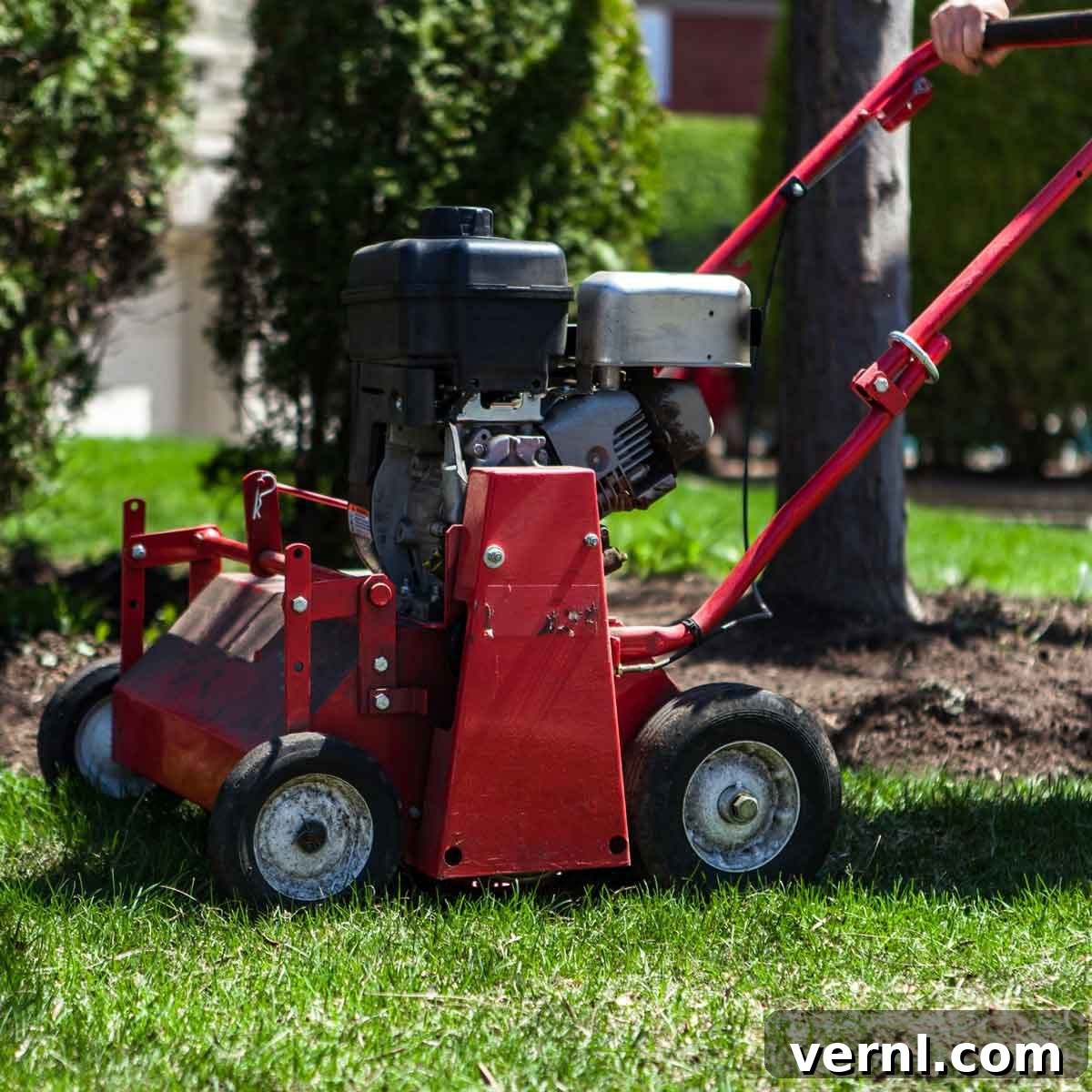
Lawn Aerators: Everything You Need to Know for a Thriving Lawn
If you’re passionate about lawn care, you understand the importance of a healthy, well-maintained lawn. Spending time in your yard can be a great way to relax and unwind. One crucial aspect of lawn care is lawn aeration. While renting an aerator is an option, owning one can make the process much easier. This guide explores the world of lawn aerators, helping you choose the best option for your yard.
What is a Lawn Aerator?
A lawn aerator is a tool designed to improve the health of your lawn by relieving soil compaction. These tools create openings in the lawn surface, allowing essential resources like water, nutrients, and oxygen to reach the roots of your grass. This process also helps manage the thatch layer, a buildup of dead organic matter that can suffocate your lawn.
Why Should You Aerate Your Lawn?
Aerating your lawn is one of the best things you can do for its health. Over time, the soil beneath your lawn can become compacted due to various factors, including heavy foot traffic, pets, cars, and even lawnmowers. This compaction prevents vital elements from reaching the grass roots.
A core aerator removes small soil plugs, creating holes that allow air, water, nutrients, and even grass seed to easily penetrate the root zone. While other aerators exist, core aerators are generally considered more beneficial for your lawn’s overall health.
Types of Lawn Aerators
There are several types of lawn aerators, each with its own advantages and disadvantages. Let’s explore your options, considering cost as a primary factor:
Shoe Spike Lawn Aerators
Cost: $25 to $30
Lawn aerator shoes, such as the EnvyGreen Lawn Aerator Shoes, are an inexpensive option. However, they don’t provide significant relief from soil compaction or thatch. While they offer some physical exercise, they may not be the most effective choice. Be careful when using these, as they can potentially lead to injury.
My Rating: 👎👎👎 (Three Thumbs Down)
Manual Lawn Aerator Tools
Cost: $35 to $75
Manual aerator tools are a cost-effective way to aerate your lawn. While they require more effort, they can be effective for targeting specific areas that need extra attention, such as heavily-used walkways, patios, and corners near your house. They are not ideal for aerating your entire lawn.
Simple tools like a pitchfork or digging fork can work well. Twisting the fork while it’s in the ground can improve results. More specialized manual tools, such as the Yard Butler Lawn Coring Aerator and the Ames Four-Spike Lawn Aerator, provide more efficient results. They are specifically designed for lawn aeration and can provide slightly better results. Other options like the Step ‘N Tilt Core Lawn Aerator provide further choices.
My Rating: 👍 (One Thumb Up)
Tow-Type Units
Cost: $100 to $250
Tow-type aerators are larger implements that attach to a lawn tractor or riding lawnmower. They are ideal for covering entire lawns more quickly. Some models feature coring tines, which remove soil plugs, while others use slicing knives that create openings in the turf.
Tow-type coring aerators, such as the Agri-Fab 48-Inch Tow Plug Aerator, are particularly effective at relieving compaction and enabling water and lawn fertilizer to enter the soil. If you prefer not to have soil plugs on your lawn’s surface, consider a model equipped with knives, such as the Brinly 48-Inch Tow Behind Spike Aerator.
Some models also combine aeration with the ability to sow seed. The Agri-Fab 100 lb. Tow Spiker/Seeder/Spreader combines these two tasks. A word of caution: Avoid spreading fertilizer with these machines, as your yard can end up with uneven distribution.
While these tow-type aerators can cover large areas quickly, results depend on how deeply the tines or knives penetrate the ground and how many passes you make. The more holes or slices per square foot, the better. Look for a model that allows you to add weight for deeper penetration and make multiple passes.
My Rating: 👍👍 (Two Thumbs Up)
Commercial-Grade Walk-Behind and Tow-Type Lawn Aerators
Cost: New $3,000 to $4,000; used $1,000 to $2,500
For those serious about lawn care, commercial-grade aerators offer superior performance. These machines are not inexpensive and are typically available through local lawn care equipment dealers rather than mainstream online retailers. These are durable, built for everyday use, and can be a significant investment for a homeowner.
Consider a walk-behind aerator, like the Ryan Lawnaire IV or Bluebird Lawn Aerator. There are also combination power rake/seeder options. A tow-type version of commercial grade aerators, like the Ryan Lawnaire Tow-Behind Aerator, is available and is ideal for those with large lawns.
Keep an eye out for used ones sold locally by lawn care professionals or rental stores updating their rental fleet. Inspect carefully for wear before buying.
My Rating: 👍👍👍 (Three Thumbs Up)
Signs You Need a Lawn Aerator
Several signs indicate your lawn could benefit from aeration. Puddling after rain is a clear indicator that your soil is compacted. Bare spots and areas with a smooth, sun-baked appearance also suggest the need for aeration.
How to Choose a Lawn Aerator
When choosing a lawn aerator, consider the size of your lawn and your budget. For smaller lawns or areas needing specific attention, a manual aerator may suffice. For larger lawns, a powered or tow-behind aerator will save you time and effort.
Frequently Asked Questions (FAQ)
When is the best time to aerate my lawn?
The best time to aerate your lawn is during its peak growing season. For warm-season grasses, aerate in late spring or early summer. For cool-season grasses, early spring or fall is ideal.
How often should I aerate my lawn?
Generally, you should aerate your lawn annually. However, you may need to aerate more frequently if your soil has a high clay content or experiences heavy traffic, such as from vehicles like golf carts.