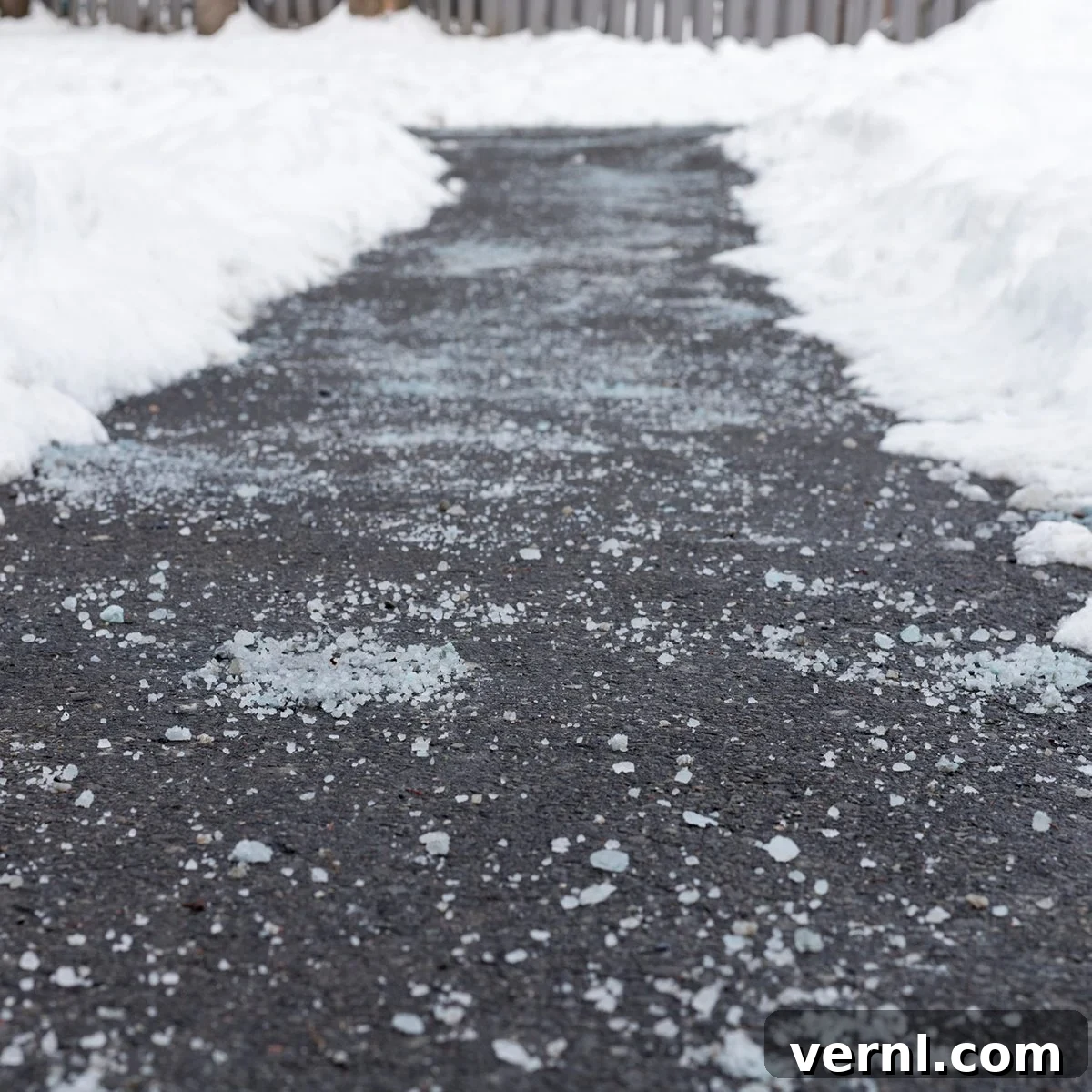
Navigating the challenges of winter weather often involves battling snow and ice, particularly on driveways, walkways, and patios. While traditional methods like spreading rock salt or liquid ice melts offer immediate, albeit temporary, relief, they come with a host of downsides. Many conventional ice melt products can have negative effects on your home’s infrastructure, including concrete damage, landscaping harm, and even corrosion to vehicles. Furthermore, the need to constantly purchase, store, and reapply these materials throughout the winter season can be both time-consuming and costly. If you’re seeking a more efficient, long-term, and environmentally friendlier approach to keeping your property clear of snow and ice, a modern deicing system might be the transformative solution you’ve been searching for.
Advanced Snow Melt and Deicing System Options for Your Home
The landscape of residential ice and snow management has evolved significantly, moving beyond manual labor and corrosive chemicals. Today, homeowners have access to two primary types of residential deicing systems that offer superior convenience and performance: permanent radiant heat systems and versatile removable floor mats. Both have seen a surge in popularity due to their effectiveness and ability to simplify winter maintenance.
Radiant Heat Deicing Systems: The Permanent Solution
Radiant heat systems represent the pinnacle of automated snow and ice removal, providing a discreet and highly effective solution. These systems are typically integrated beneath surfaces such as heated driveways, heated walkways, and even stairs, ensuring a clear path without any visible components. They operate using either electric or hydronic technology to generate heat:
- Electric Radiant Heat Systems: These systems utilize specialized electric cables, similar to roof deicing cables, or heating mats embedded directly beneath the surface you wish to heat. When activated, electricity flows through these elements, generating heat that melts snow and ice from below. Electric systems are often favored for smaller to medium-sized areas due to their straightforward installation and responsive heating. They typically require a dedicated electrical circuit and can be controlled with smart thermostats and snow sensors for automated operation.
- Hydronic Radiant Heat Systems: For larger areas, hydronic systems often prove to be a more energy-efficient choice for operational costs. These systems circulate a mixture of hot water and antifreeze through durable PEX tubing, which is installed within or directly beneath the concrete or asphalt. A central boiler heats the liquid, which then travels through the tubing, transferring heat to the surface above. While the initial setup for a hydronic system, including the boiler and extensive tubing, can be more complex and costly, their long-term operating expenses can be lower, especially for expansive driveways and multiple heated zones.
Both electric and hydronic radiant systems are designed to be installed permanently under the surface, making them an invisible solution that enhances your home’s aesthetics and value without detracting from your landscaping. They activate automatically when snow or ice is detected, melting precipitation as it falls and preventing accumulation, thus providing a truly “set it and forget it” winter experience.
Removable Snow Melting Floor Mats: Flexible and Convenient Deicing
For homeowners seeking a more affordable and less permanent deicing solution, heated floor mats offer an excellent alternative. These innovative products are essentially robust, industrial-grade mats designed to be placed directly on top of existing surfaces. A prime example is the HeatTrak Heated Snow Melting Walkway Mat.
- Easy Deployment: Unlike radiant systems, heated mats require virtually no installation. You simply unroll them and plug them into an outdoor-rated GFCI outlet. This makes them ideal for targeted areas like pathways, staircases, and entrance points.
- Immediate Effectiveness: When activated, these mats quickly warm up, typically maintaining a temperature around 40 degrees Fahrenheit warmer than the ambient outdoor temperature. This allows them to melt snow efficiently, with some models capable of melting up to two inches of snow per hour.
- Durable and Weather-Resistant: Designed for continuous outdoor use throughout the winter, these mats are constructed from heavy-duty, weather-resistant rubber, ensuring longevity and performance even in harsh conditions.
- Usage Tips: To prevent refreezing of meltwater and the mats themselves, it’s advisable to leave them on until all melted snow has evaporated. While they can remain plugged in all winter, it’s recommended to turn them off when not in use to conserve energy.
Heated mats provide a flexible and portable deicing option, allowing homeowners to customize their snow removal strategy without the commitment and expense of a permanent installation.
Comprehensive Analysis: Pros and Cons of Each Snow Melting System
Choosing between a permanent radiant heat system and removable snow melting mats depends largely on your specific needs, budget, and aesthetic preferences. While both systems effectively tackle snow and ice, understanding their distinct advantages and disadvantages is crucial for making an informed decision.
Radiant Heat System Advantages (Pros):
- Seamless Integration and Aesthetics: Once installed, radiant systems are completely invisible, preserving your property’s curb appeal. There’s no visual clutter, wires, or mats to detract from your landscaping, offering a sleek and modern solution.
- Automated and Effortless Operation: These systems can be equipped with advanced controls, including moisture and temperature sensors, allowing them to activate automatically only when needed. This “set it and forget it” functionality eliminates the need for manual shoveling, salting, or mat deployment, saving significant time and effort.
- Enhanced Safety: By consistently keeping surfaces clear of snow and ice, radiant heat systems dramatically reduce the risk of slips and falls, providing a safer environment for family members, guests, and delivery personnel. This is particularly beneficial for the elderly or those with mobility challenges.
- Long-Term Property Protection: Preventing freeze-thaw cycles that contribute to cracking and deterioration of concrete, asphalt, and pavers extends the life of your hardscapes. This reduces costly repairs and maintenance over time.
- Increased Property Value: A permanent, automated snow melting system is considered a premium amenity, adding significant value and appeal to your home, making it an attractive feature for potential buyers.
- Year-Round Convenience: Unlike temporary solutions, a radiant system is always ready, offering instant readiness for any winter weather event without requiring seasonal setup or storage.
Radiant Heat System Disadvantages (Cons):
- Substantial Initial Investment: Radiant heat systems are significantly more expensive upfront. According to HomeAdvisor, costs can range from $12 to $21 per square foot, with an average heating element cost alone around $3,892. This doesn’t include labor, surface materials, or boiler installation for hydronic systems.
- Potentially Disruptive Installation: For existing driveways or walkways, installing a radiant system often necessitates tearing out and replacing your current surface. This adds considerable cost, time, and disruption to your property. It’s most cost-effective during new construction or scheduled renovations.
- Complex and Costly Repairs: Should a component malfunction, diagnosing and repairing a buried system can be challenging and expensive. It may require excavation, potentially damaging the surface above, and specialized technicians.
- Operating Costs: While automated controls help, running a radiant system, especially an electric one, can lead to higher utility bills during prolonged cold snaps or heavy snowfalls. Proper insulation underneath the system can mitigate some of these costs.
Snow Melting Floor Mat Advantages (Pros):
- Affordable Initial Cost: Floor mats are a budget-friendly deicing option. Sidewalk mats typically cost under $200, while larger driveway mats from brands like HeatTrak are generally under $2,500, making them accessible to a wider range of homeowners.
- Effortless DIY Installation: There’s no need for professional installers or construction. Simply unroll the mats, position them where needed, and plug them into an outdoor outlet. This allows for immediate use and flexible placement.
- Portability and Flexibility: Mats can be moved to different problem areas as needed, or even taken with you if you relocate. This makes them a highly versatile and non-permanent solution.
- Targeted Deicing: You only heat the specific areas that require snow and ice removal, potentially leading to more efficient energy use if managed carefully compared to heating an entire large surface.
- Quick Deployment: Mats can be deployed rapidly before a storm, providing an instant solution to upcoming winter weather without advance planning or significant lead time.
Snow Melting Floor Mat Disadvantages (Cons):
- Requires Seasonal Storage: When not in use during warmer months, mats need to be cleaned, rolled up, and stored, taking up valuable storage space in your garage, shed, or basement.
- Manual Setup and Teardown: While easy, the process of deploying and retrieving mats each winter still requires some physical effort.
- Visible and Potentially Unattractive: The mats are visible on your property, which some homeowners may consider unsightly or disruptive to their landscaping aesthetics.
- Limited Coverage and Potential Trip Hazards: While effective for pathways, mats may not be practical or aesthetically pleasing for very large areas like entire driveways. Improper placement or curling edges can also create minor trip hazards.
- Durability and Maintenance: Although built tough, exposed mats can be subject to wear and tear from foot traffic, vehicles, or falling debris. They also require cleaning at the end of the season to remove dirt and grime accumulated over winter.
- Cord Management: Managing power cords to outdoor outlets can be a minor inconvenience, potentially requiring extension cords or careful routing to avoid tripping hazards or damage.
Deicing System Installation Process Explained
Understanding the installation requirements for each deicing system is crucial for planning and budgeting. The processes vary dramatically, from extensive construction to simple plug-and-play.
Radiant Heat System Installation: A Professional Endeavor
Installing a radiant heat system is a significant undertaking that is best integrated during new construction or when you’re already scheduled to replace a driveway, walkway, or patio. While HomeAdvisor suggests that in some specific, rare situations tubing might be run beneath an existing driveway, this often carries risks and may nullify the system’s warranty due to potential damage or improper embedding.
Typically, the installation process involves several key steps:
- Sub-base Preparation: The area must be properly excavated and prepared with a stable, insulated sub-base to maximize heating efficiency and prevent heat loss downwards.
- Laying Heating Elements: For electric systems, specialized heating cables or mats are carefully laid out according to a detailed design plan, ensuring even heat distribution. For hydronic systems, durable PEX tubing is meticulously installed and secured to a grid or rebar.
- Electrical/Hydronic Connections: Electric cables are wired to a dedicated electrical panel, often with GFCI protection. Hydronic systems require the installation of a manifold, where the PEX tubing connects, and integration with a central boiler (if you don’t have one already for other heating needs) to circulate the heated liquid.
- Pressure Testing (Hydronic): Before the surface is poured, hydronic systems undergo rigorous pressure testing to ensure there are no leaks in the tubing.
- Surface Pouring: Once the heating elements are in place and tested, the final surface material – whether concrete, asphalt, or pavers – is carefully poured or laid over the system, embedding the heating elements securely.
- Control System Installation: Thermostats, snow sensors, and manual override switches are installed to manage the system’s operation, often integrating with smart home technologies for remote control.
Given the complexity and the long-term nature of this investment, professional installation is highly recommended to ensure proper function, adherence to safety codes, and warranty validity.
Snow Melting Mats Installation: Simple and Instant
In stark contrast, snow melting mats boast an incredibly simple “installation” process, making them an ideal DIY solution:
- Unboxing and Placement: Simply take the mats out of their packaging, unroll them, and place them directly on the driveway, walkway, or stairs where you need snow and ice removed.
- Plug and Play: Connect the mat’s power cord into a standard outdoor-rated GFCI electrical outlet. For multiple mats, ensure you’re not overloading the circuit, and use compatible extension cords if necessary. Some mats are designed to connect to each other for broader coverage.
- Operation: Your mats can stay plugged in throughout the winter season. However, to conserve energy, it’s best practice to turn them off when not in use. For added convenience, you could wire the outdoor outlet to a dedicated indoor switch, allowing you to activate or deactivate the mats with ease from inside your home. Alternatively, smart plugs can offer remote control and scheduling options.
This straightforward process means you can have an effective deicing solution up and running in minutes, without any construction, specialized tools, or professional help.
Maintenance and Longevity of Your Deicing System
Beyond installation, understanding the maintenance requirements and expected lifespan of each system can influence your decision.
Radiant Heat Systems: These systems are generally lauded for their minimal maintenance. Once installed, they require very little hands-on care. For electric systems, periodic checks of the control panel and sensors are usually sufficient. For hydronic systems, regular maintenance of the boiler by a qualified HVAC technician is essential, similar to your home’s regular heating system. This ensures the fluid mixture is correct, and the pump and other components are in good working order. With professional installation and quality components, radiant systems are designed to last for decades, often exceeding the lifespan of the surface they are embedded beneath.
Snow Melting Mats: While easy to install, mats do require a bit more seasonal care. At the end of the winter season, it’s recommended to clean them thoroughly to remove any dirt, salt residue, or debris. Inspect them for any signs of wear, cuts, or damage to the mat material or power cords. Once clean and dry, they should be carefully rolled up and stored in a dry, protected area away from direct sunlight and extreme temperatures to prevent premature degradation. With proper care and storage, quality snow melting mats can last for many seasons, though generally not as long as a permanently installed radiant system.
Making Your Choice: A Cost-Benefit Perspective
When weighing your options, consider not just the upfront cost but the long-term return on investment. A permanent radiant system, despite its higher initial expense, offers unparalleled convenience, safety, and property value enhancement over its decades-long lifespan. It effectively eliminates ongoing labor, the purchase of ice melt products, and potential damage to your property from corrosive chemicals or freeze-thaw cycles. For new constructions or major renovations, the added cost is often justified by these significant benefits.
Snow melting mats, conversely, provide an immediate, flexible, and affordable solution for targeted areas. They are perfect for those on a tighter budget, renters, or homeowners who prefer a non-permanent solution. While they require seasonal effort and storage, their low entry cost and portability make them an attractive option for addressing specific winter hazards.
Ultimately, the best deicing system for your home will align with your budget, the size and scope of the areas you wish to keep clear, your desired level of automation, and your long-term property goals. By carefully evaluating these factors, you can choose a solution that promises a safer, easier, and more enjoyable winter season.