
The Ultimate Guide to Outdoor Grills: Types, Tips, and Buying Guide
As the weather warms and the days grow longer, the aroma of grilling fills the air. Outdoor grilling is a quintessential summer activity, bringing family and friends together for delicious meals and good times. Whether you’re a homeowner with a new patio, a novice griller, or a seasoned grill master, this comprehensive guide will help you navigate the world of outdoor grills.
Comparing Different Types of Outdoor Grills
The world of outdoor grilling offers a diverse range of options. The two primary categories are gas and charcoal grills, each with variations in size, style, and features. Beyond these, you’ll find flat-top grills, kamado grills, pellet grills, and more. Each type has its own loyal following. Let’s delve into the key features of each:
Charcoal Grills
For many, the charcoal grill serves as the gateway to backyard barbecuing. These grills are often budget-friendly and require only charcoal and a lighter to get started. They offer a classic grilling experience and impart a distinct smoky flavor to food. However, charcoal grills require more time to heat up and can have uneven heat distribution, creating hot and cool spots.
Expert Tip: “Even with a thermometer, you must open vents to cool down the grill or add charcoal and time to increase the heat,” says Ron Shimek, President of Mr. Handyman.
Gas Grills
Gas grills have become a staple in many American backyards. Fueled by propane tanks or natural gas lines, these grills offer convenience and ease of use. Entry-level gas grills are available at reasonable prices, while premium models with added features can cost thousands of dollars. Gas grills provide consistent heat and are ready to cook quickly.
Flat-Top Grills
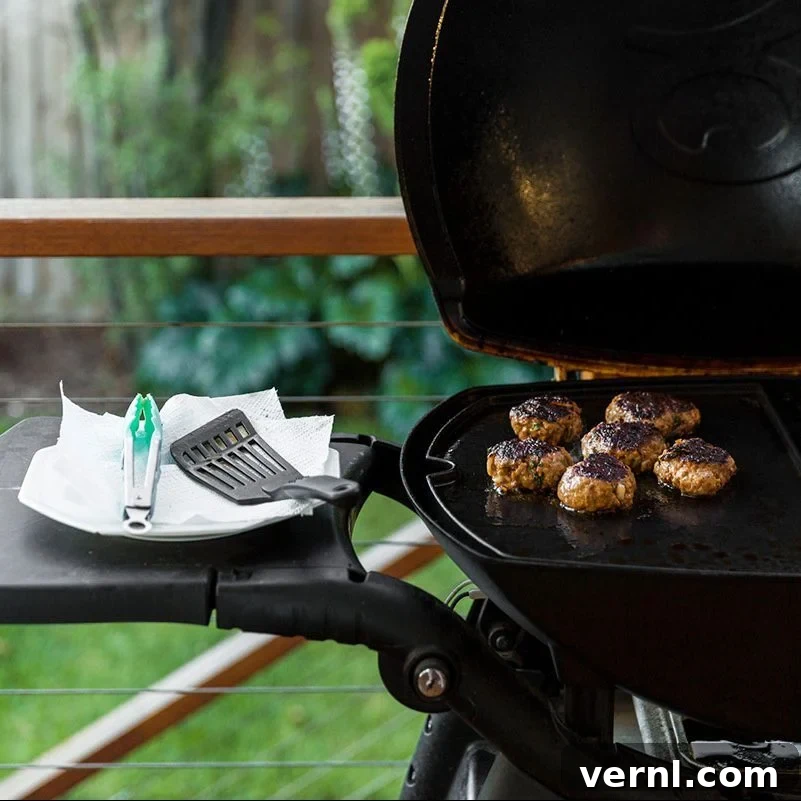
Flat-top grills, also known as griddles, are experiencing a resurgence in popularity. They feature a solid, flat cooking surface, perfect for cooking items like eggs, pancakes, and foods that might fall through the grates of a traditional grill, such as fish fillets. While they excel at these tasks, they don’t impart a smoky flavor and aren’t ideal for fatty or marinated meats.
Kamado Grills
Kamado grills are the choice of charcoal grilling enthusiasts. These egg-shaped grills, based on ancient Asian cooking techniques, are made with a ceramic shell that retains heat efficiently. They are known for imparting a rich, smoky flavor to food. Kamado grills typically use lump charcoal and require some accessories to maximize their potential.
Pellet Grills
Pellet grills, a more recent addition to the grilling scene, utilize food-grade wood pellets as fuel. These grills are easy to use, even for beginners, and often function as both grills and smokers. Because the heat source is completely enclosed, they are less susceptible to wind and rain.
Portable Grills for Tailgating and Travel
Portable grills are ideal for those who need a grill that is easy to transport. Compact and lightweight, these grills are available in both gas and charcoal versions, making them great for small gatherings and on-the-go cooking. They provide solid performance for simple meals and spontaneous grilling sessions.
Factors to Consider When Buying an Outdoor Grill
Choosing the right outdoor grill involves several factors. Here’s what to consider:
- Space: Charcoal grills can be very compact, while gas grills have a minimum size due to the components needed to deliver gas. Pellet grills tend to be bulky as well.
- Budget: Charcoal grills are typically the most affordable option. Gas grills offer options at various price points. Kamado and pellet grills typically have higher price tags.
- Ease of Use: Gas and pellet grills are the easiest to use, offering simple ignition and consistent heat. Charcoal grills require more effort to manage the heat.
- Flavor: Charcoal and pellet grills impart a smoky flavor. Gas grills are excellent for searing and rapid grilling but lack the same smoky taste.
Outdoor Grill Tools and Utensils
While grill accessories abound, a few essential tools are crucial:
- Long tongs for turning food.
- Heat-resistant gloves.
- A wire brush for cleaning the grill grates.
- A long, flat spatula.
- A meat thermometer.
Tips and Techniques for Using Your Grill
Here are some grilling tips and techniques from Rick Moonen, master development chef for Perry’s Restaurants:
- Create Zones: Set up a hot zone and a cooler zone on your charcoal grill for better control over searing and cooking. This principle also applies to gas grills.
- Control Oxygen Flow: With charcoal grilling, temperature control is based on oxygen flow.
Moonen’s tips to prevent food from sticking:
- Allow food to reach room temperature before grilling.
- Coat the seasoned protein with oil. Place it on the hottest part of the grill.
- Sear thicker cuts, then move them to a cooler zone.
- Use a fatty dressing, like seasoned mayonnaise, for fish.
- Use a perforated grilling pan for smaller items.
Bonus Tip: A grill caddy keeps essentials in one place.
Outdoor Grill Maintenance
“One of the greatest things about grilling is that maintenance is minimal,” says Moonen. Preheating to a high temperature will burn off leftovers. After cooking, cover the grill and let it cool slowly. “It becomes a self-cleaning oven this way,” he says. Remove ashes and clean with a stiff-bristled brush. Gas grills are similarly easy to clean: remove grease, scrub the grates, and keep the exterior looking good.
FAQ
What type of grill is easiest for beginners?
Gas grills are the easiest to use, making them a great choice for beginners.
About the Experts
- Ron Shimek is the President of Mr. Handyman, a leading appliance repair and maintenance company.
- Rick Moonen is the Master Development Chef for Perry’s Restaurants.
Sources
- Barbecue Bible: “6 Types of Grills and Why You Need Each One”
- The New York Times Wirecutter: “The Best Gas Grill”
- Perry’s Restaurant: “About Rick Moonen”
- Mr. Appliance: “About Ron Shimek”
- Traeger: “Traeger Pro 575”