Coastal regions, particularly those bordering the Atlantic Ocean and the Gulf of Mexico, face an ever-present threat from hurricanes and tropical storms. Florida stands out as a state with the highest incidence of hurricane landfalls, making robust home protection an absolute necessity. Consequently, building codes in many parts of Florida, and indeed across other vulnerable states, rigorously mandate the installation of hurricane windows or specialized hurricane shutters. These specialized solutions are designed to offer superior protection against the destructive forces of high winds and flying debris.
The importance of such protective measures gained national recognition when, in 2012, the International Building Code (IBC) began requiring impact-resistant windows in new construction along coastal states, stretching from the Texas coastline all the way up to Maine. This widespread adoption underscores a critical understanding: during a hurricane, strong winds transform ordinary objects into high-speed projectiles. Debris, ranging from small pebbles to larger structural elements, can be lifted and hurled through the air with devastating force. When these projectiles strike conventional windows, the resulting shattered glass not only poses an immediate hazard to anyone nearby but also creates open breaches, allowing wind and rain to wreak havoc on a home’s interior. Hurricane windows are engineered precisely to prevent this catastrophic chain of events.
What Exactly Are Hurricane Windows? Redefining Home Protection
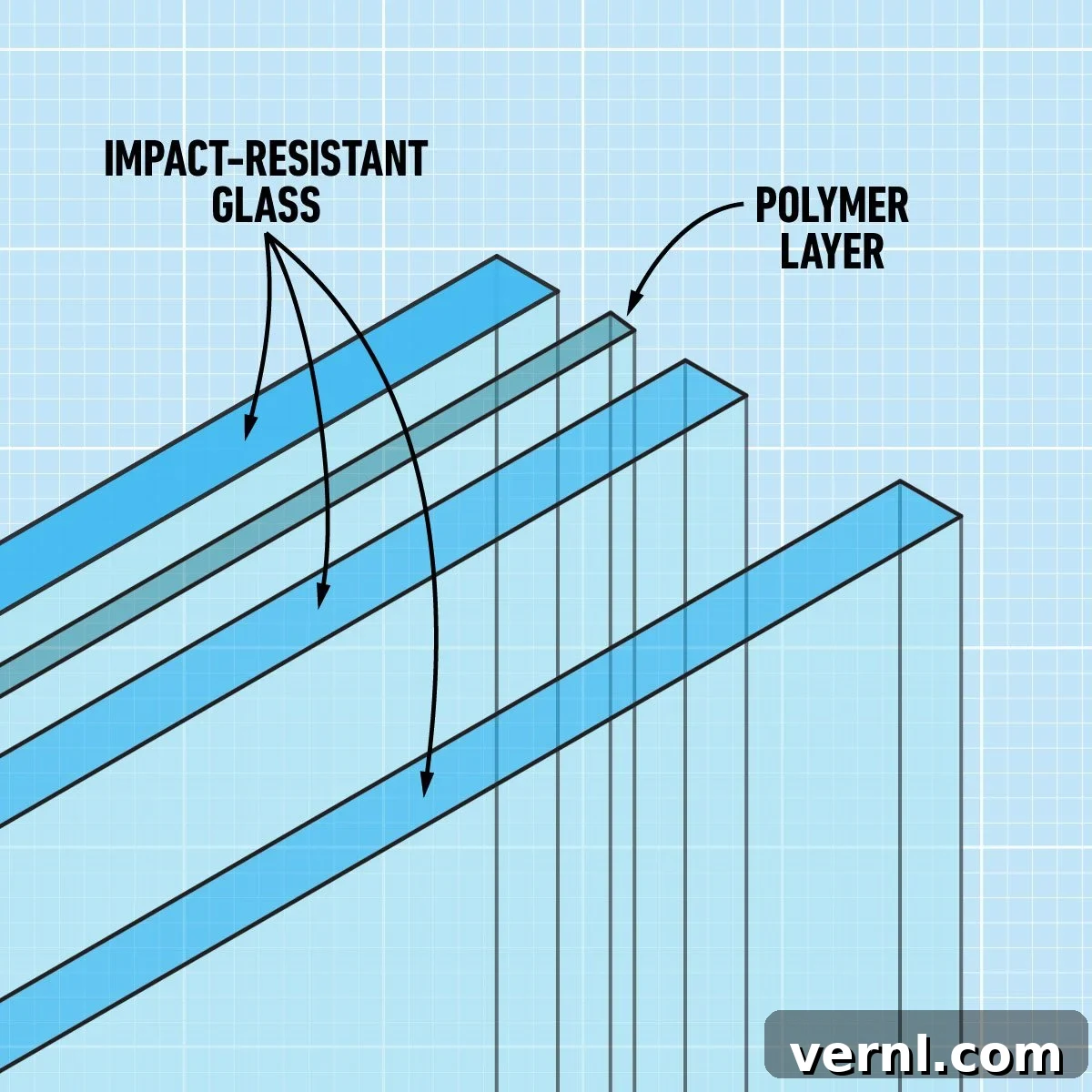
At their core, hurricane windows are sophisticated glazing systems meticulously engineered to withstand the extreme conditions of hurricane-force winds and the impact of flying debris. Unlike standard windows that rely on a single pane of glass, hurricane windows employ a multi-layered design for unparalleled resilience.
The construction typically features two panes of either tempered or laminated glass. These panes are securely bonded to a central interlayer, most commonly made from a transparent polymer such as polyvinyl butyral (PVB) or SentryGlas Plus (SGP). While the outer glass layers may shatter upon impact from a projectile, they are designed not to fragment and disperse dangerously. Instead, the shattered glass adheres tenaciously to the robust central plastic layer. This interlayer remains intact, forming an impenetrable barrier that seals out wind, water, and further debris, thereby preserving the structural integrity of the building and protecting its occupants and contents.
Beyond the advanced glass technology, hurricane windows are also distinguished by their exceptionally strong frames. These frames are crucial for anchoring the heavy-duty glass system firmly into the building’s structure. Common frame materials include robust wood, high-strength steel, durable vinyl, or resilient aluminum. Each material offers a unique balance of strength, aesthetics, and cost-effectiveness. Wood frames provide classic appeal and excellent rigidity but may require more maintenance. Steel offers ultimate strength but can be heavy. Vinyl frames are a popular choice for their cost-efficiency and good insulation properties, while aluminum frames offer sleek profiles and excellent durability. To ensure maximum protection and to comply with stringent building codes, hurricane windows demand professional installation. The precise fitting and secure fastening of these specialized windows are paramount to their performance during severe weather events, making DIY installation highly inadvisable.
Deciphering the Terminology: Hurricane Windows vs. Impact Windows
The terms “hurricane-resistant windows” and “impact-resistant windows” are often used interchangeably, and for most practical purposes, they refer to the same category of product. The key distinction, however, lies in the rigorous testing and certification processes that windows must undergo to be officially recognized as “hurricane windows” in specific hurricane-prone areas. These certifications ensure that the windows meet the stringent building codes designed to safeguard properties in high-risk zones.
Hurricane windows are subjected to one of two primary impact tests, depending on their intended installation height on a building. Windows installed below 35 feet above ground level must pass what is known as the “large missile impact test.” This involves firing a 9-pound 2×4 lumber projectile from a cannon at approximately 50 feet per second (around 34 mph) directly at the glass. The window must withstand this impact without creating a breach that allows air or water to pass through, even if the glass shatters. For windows installed above 35 feet, the “small missile impact test” is conducted. This test simulates the impact of smaller, faster-moving debris, such as gravel or roof tiles. It involves firing a large number of ball bearings or other small, hard projectiles at the glass. These two distinct tests are necessary because the types and forces of debris encountered during a hurricane vary significantly with altitude, with larger, heavier objects typically remaining closer to the ground.
In Florida, a state acutely aware of hurricane threats, specific regulations dictate the approval of hurricane windows. Windows sold in Florida must be approved by the state itself, or by Broward and Miami-Dade Counties. The latter two counties, located in South Florida, are particularly notable for their exceptionally stringent requirements. This region is designated as a High-Velocity Hurricane Zone (HVHZ), acknowledging that hurricanes impacting this area are often stronger and more destructive than those found elsewhere. Consequently, windows certified for the HVHZ meet the highest standards of impact resistance and structural integrity. While hurricane windows in other states are not legally bound to conform to Florida’s rigorous HVHZ standards, manufacturers often seek this certification. If a window product meets Florida’s HVHZ requirements, it serves as a powerful selling point, signifying an exceptionally high level of durability and protection, regardless of where it is installed.
Navigating the Options: Types and Ratings of Hurricane Windows
When selecting hurricane windows, understanding their performance ratings is crucial. Each hurricane window receives a Design Pressure (DP) rating, which quantifies the maximum positive and negative pressure differential the window can withstand before failing. This complex metric correlates directly with storm intensity and is a vital indicator of a window’s resilience. For instance, a DP rating of 10 typically signifies that the window can withstand a Category 1 hurricane, characterized by maximum sustained winds of up to 95 mph. Progressing up the scale, a DP rating of 20 would be suitable for a Category 2 storm, and so on, with the highest ratings, such as DP 50, designed for the formidable forces of a Category 5 hurricane, where wind speeds can exceed 157 mph.
Beyond their structural ratings, hurricane windows are available in a diverse array of formats to suit various architectural styles and functional needs. These include:
- Single-hung: Featuring a fixed upper sash and a movable lower sash that slides vertically.
- Double-hung: Both the upper and lower sashes are operable, sliding vertically for versatile ventilation.
- Bay: A multi-panel window configuration that projects outward from the main wall of a house, creating a sense of increased space and light.
- Sliding/Rolling: Windows that slide horizontally along a track, offering wide views and easy operation.
- Picture/Fixed: Non-operable windows designed purely for light and view, often larger in size.
- Casement: Windows that are hinged at the side and open outward, typically operated by a crank handle.
- Skylight: Windows installed on the roof to bring natural light into interior spaces, demanding exceptional impact resistance.
Most dealers stock hurricane windows in standard sizes, commonly designated by a four-number code (e.g., a 24- by 36-inch bedroom window would be coded as 2436). However, for homes with unique architectural features or renovation projects, most reputable dealers also accept orders for non-standard, custom-sized hurricane windows, ensuring a perfect fit and seamless integration into any design.
Beyond Protection: The Multifaceted Advantages of Hurricane Windows
For homeowners living in hurricane-prone areas, the primary benefit of installing hurricane windows is strikingly clear: unparalleled protection during severe weather. These windows eliminate the need for time-consuming and often cumbersome hurricane preparedness tasks, such as installing storm shutters or boarding up windows with plywood – a common practice Floridians once resorted to as storms approached. However, the advantages of investing in hurricane windows extend far beyond mere storm defense, offering a multitude of improvements to daily living and long-term home value.
- Enhanced Safety and Security: While designed for storms, the robust construction that allows hurricane windows to withstand immense impacts also makes them formidable barriers against intruders. They are significantly more difficult to break than conventional windows, acting as a powerful deterrent to potential burglars and enhancing overall home security.
- Superior Noise Reduction: The multi-layered composition of hurricane windows, including two panes of glass and a polymer interlayer, is inherently thicker than typical single-pane windows. This density, coupled with the air gap between panes in some designs, significantly dampens sound transmission. The result is a quieter, more peaceful indoor environment, effectively insulating your home from exterior noise pollution, whether it’s traffic, neighborhood activity, or even barking dogs.
- Significant UV Protection: The laminated glass, particularly the central polymer interlayer, acts as a natural filter against harmful ultraviolet (UV) radiation from the sun. Even without an additional UV-blocking film, these windows can block up to 99% of UV rays. This protection helps to preserve the longevity and vibrancy of your interior furnishings, flooring, artwork, and fabrics, preventing premature fading and degradation.
- Improved Energy Efficiency: Hurricane windows offer superior thermal insulation compared to standard windows. The multiple layers of glass and the interlayer create an effective barrier against heat transfer. When combined with features like Low-E (low-emissivity) coatings and inert gas fills (such as argon) between the panes, they can dramatically reduce heating and cooling costs. This enhanced energy efficiency translates directly into lower utility bills and a more comfortable indoor temperature year-round.
- Potential Insurance Premium Reductions: Many insurance providers recognize the significant risk reduction that hurricane-rated windows provide. In coastal and hurricane-vulnerable regions, homeowners who install certified hurricane windows are often eligible for substantial discounts on their home insurance premiums. This financial incentive can help offset the initial investment over time.
- Increased Property Value: Installing hurricane windows is a substantial home improvement that adds considerable value to a property. In areas prone to severe weather, these windows are seen as a highly desirable feature by prospective buyers, making your home more attractive and marketable. They represent a tangible investment in safety, comfort, and peace of mind.
- Unmatched Convenience: Perhaps one of the most overlooked benefits is the sheer convenience. During a storm warning, there’s no need to scramble to put up plywood or deploy cumbersome storm shutters. Your home is continuously protected, providing instant peace of mind and freeing up valuable time and effort during stressful situations.
Despite these compelling advantages, it’s important to acknowledge some drawbacks. The primary concern for many homeowners is the expense. Hurricane windows are not only costly to purchase and install, but they can also be more expensive to replace than conventional windows should they ever break. Additionally, while design options have expanded significantly, they may still be somewhat more limited compared to the vast array of styles available for standard windows, particularly for highly custom or architecturally intricate designs. The thickness of the frames and glass can also impact the aesthetic slightly.
Understanding the Investment: What Influences Hurricane Window Costs
Equipping an entire home with hurricane windows represents a significant investment, with the average cost typically ranging around $8,000 or more, depending on various factors. Understanding these influencing elements is key to budgeting effectively and making informed decisions about your home’s protection.
- Window Size and Location: Larger windows inherently require more materials and often present greater complexity during installation, leading to higher costs. Furthermore, installing windows on upper stories or in hard-to-reach areas demands specialized equipment and increased labor, pushing up the overall price.
- Frame Material: The choice of frame material significantly impacts the cost. While aluminum frames are generally the most budget-friendly, followed by vinyl, wood frames tend to be the most expensive due to their aesthetic appeal and natural strength. Fiberglass frames, another strong and durable option, often fall between vinyl and wood in terms of cost.
- Glass Type and Special Features: The specific type of laminated glass (e.g., standard PVB interlayer vs. more advanced SGP) can affect pricing. Additionally, incorporating special features such as Low-E coatings for enhanced energy efficiency, tinted glass for glare reduction, or specialized stabilizer bars for extra reinforcement will add to the total cost. These features, while increasing the initial outlay, can offer long-term benefits in terms of comfort and energy savings.
- Labor and Installation Complexity: Professional installation is non-negotiable for hurricane windows due to their weight and the precision required to meet building codes. The labor cost will depend on the number of windows, their size, the ease of access, and any structural modifications needed to accommodate the new windows.
- Permits and Inspections: Almost all hurricane window installations require permits from local authorities to ensure compliance with building codes and safety regulations. These permit costs vary widely by jurisdiction but generally range from $50 to $200 per project, not per window. Additionally, required inspections ensure the installation meets all necessary standards.
- Geographic Location: The overall cost can also be influenced by your specific geographic location, reflecting differences in local labor rates, material shipping costs, and regional demand for hurricane-rated products.
Homeowners in hurricane hotspots looking to save money on installation might consider scheduling their project during the off-season. Demand for installers typically decreases outside of hurricane season, potentially leading to more competitive pricing and better scheduling flexibility. Investing in hurricane windows is a proactive measure that offers profound peace of mind, protecting your property and loved ones when severe weather strikes. While the initial outlay can be substantial, the long-term benefits of enhanced safety, security, energy efficiency, and potential insurance savings make them a wise and valuable investment for any home in a vulnerable coastal region.