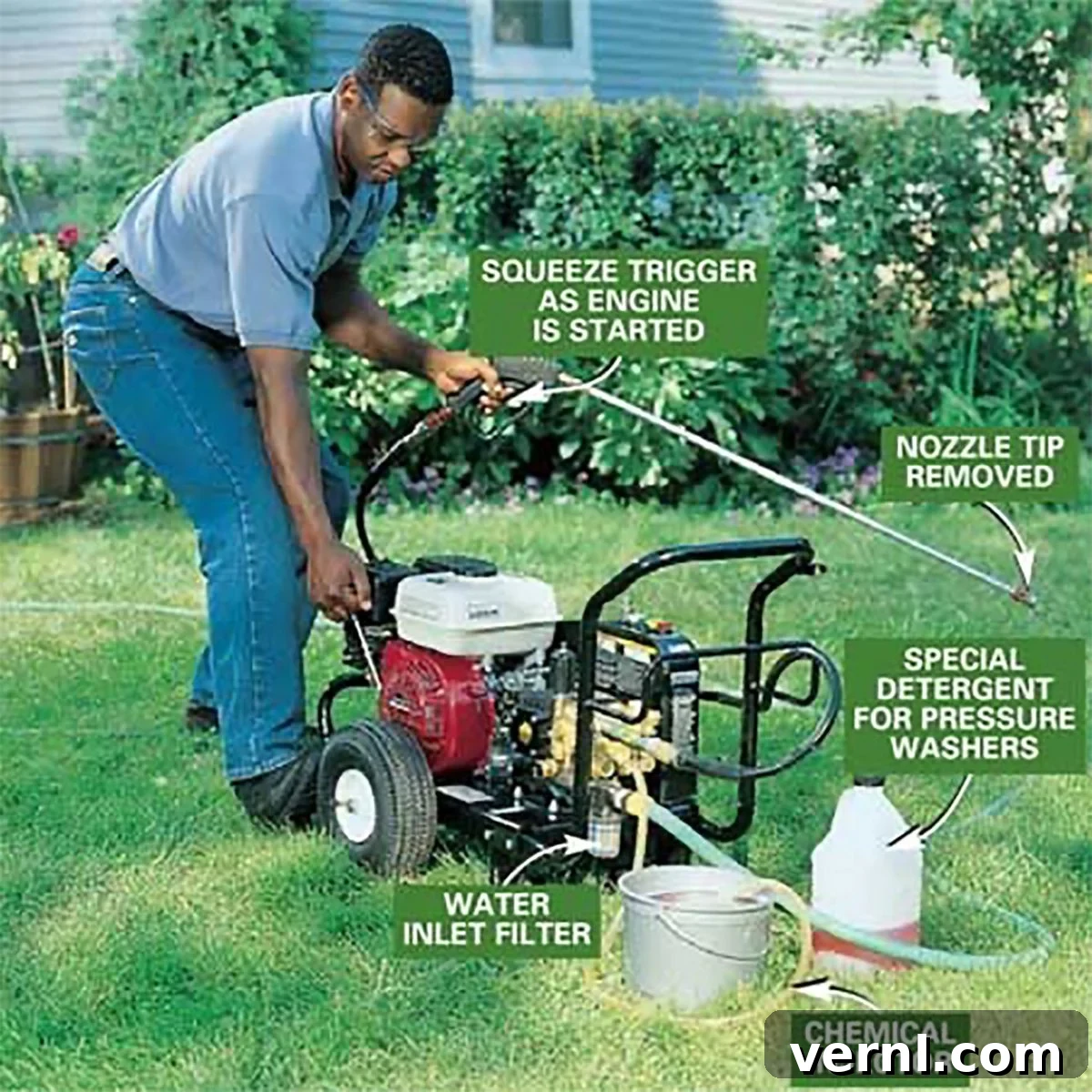
Pressure Washer Mastery: Your Ultimate Guide to Safe and Effective Cleaning
Unlocking the Power of Pressure Washing
Pressure washers are often unsung heroes in the realm of home and property maintenance. They provide an incredibly efficient and powerful solution for tackling a wide range of cleaning tasks. From revitalizing your driveway to cleaning your siding, a pressure washer can transform the appearance of your home and extend the lifespan of your outdoor surfaces. This comprehensive guide will walk you through everything you need to know about using a pressure washer safely and effectively, ensuring you get the best possible results.
Watch: Step-by-Step Pressure Washer Guide
Get ready to transform your cleaning routine! This in-depth video tutorial provides a clear and concise demonstration of how to operate a pressure washer safely and efficiently. Learn the essential techniques and tips to make the most of your pressure washing experience.
Getting Started with Your Pressure Washer: Essential Steps
Before you begin pressure washing, it’s crucial to prepare properly. This section outlines the essential steps to ensure a safe and effective cleaning experience.
- Safety First: Always wear appropriate safety gear, including safety glasses to protect your eyes, closed-toe shoes to protect your feet, and gloves to protect your hands. Consider ear protection if the pressure washer is particularly loud.
- Choose the Right Nozzle: Pressure washers come with a variety of nozzles, each designed for a specific task. Understand the different spray patterns and their uses. A low-pressure nozzle is best for delicate surfaces, while a high-pressure nozzle is ideal for tough stains and durable materials. Consult your pressure washer’s manual.
- Water Source and Setup: Connect your pressure washer to a reliable water source using a standard garden hose. Ensure the connection is secure to prevent leaks. Also, have a way to easily adjust your hose connection in the event of an issue.
- Power Source: For electric pressure washers, make sure your electrical outlet is rated for the machine’s power requirements. Use a heavy-duty extension cord if necessary. For gas-powered washers, ensure you have sufficient fuel and oil.
- Test in an Inconspicuous Area: Before cleaning a large area, always test the pressure washer on a small, hidden section of the surface you intend to clean. This helps you determine the appropriate nozzle and pressure setting to avoid damage.
Effective Pressure Washing Techniques
Mastering the right techniques is key to achieving optimal cleaning results. Here are some essential pressure washing techniques to follow:
- Spray Angle and Distance: Hold the nozzle at the correct angle to the surface. Generally, a slight angle works best for most cleaning tasks. Maintain the proper distance from the surface. Holding the nozzle too close can cause damage, while holding it too far away may reduce cleaning effectiveness.
- Overlap Your Strokes: When cleaning a surface, overlap your strokes to ensure even cleaning and prevent streaks. Start from the top and work your way down, allowing gravity to assist.
- Use the Right Detergent (If Applicable): Some pressure washers come with detergent tanks or attachments. Use a pressure washer-specific detergent for the task at hand. Avoid using harsh chemicals that could damage the surface or the environment. Always follow the manufacturer’s instructions.
- Cleaning Specific Surfaces: Different surfaces require different approaches. For example, when cleaning wood, use a lower pressure and a wider spray pattern to avoid damaging the wood grain. For concrete, a higher pressure and a narrower spray pattern can be used.
- Post-Wash Rinse: After cleaning, rinse the entire surface thoroughly to remove any remaining detergent or debris. This helps prevent streaks and ensures a clean finish.
Surface-Specific Pressure Washing Tips
Different surfaces require different approaches to pressure washing. Here are some surface-specific tips to get you started:
- Driveways and Patios: Use a high-pressure nozzle and start from the edges, working your way towards the center. Overlap your strokes for even cleaning.
- Siding: Use a low-pressure nozzle and start at the top, working your way down. Avoid directing the spray upwards, as this can force water behind the siding.
- Fences and Decks: Use a moderate pressure setting and a fan nozzle. Be careful not to damage the wood. Rinse thoroughly to remove any loose debris.
- Vehicles: Use a low-pressure nozzle and a special car wash detergent to avoid damaging the paint.
- Gutters: Use a special gutter cleaning attachment or a nozzle with extended reach. Be mindful of your balance when working at heights.
Safety Precautions to Keep in Mind
Pressure washers are powerful machines, and it’s essential to follow these safety precautions at all times:
- Never Point the Nozzle at People or Animals: The high-pressure spray can cause serious injury.
- Avoid Electrical Hazards: Keep the pressure washer and extension cords away from water. Never use a pressure washer near power lines.
- Prevent Slips and Falls: Be cautious when working on wet surfaces, as they can be slippery. Wear appropriate footwear.
- Be Mindful of Your Surroundings: Clear the area of obstacles and protect sensitive plants or landscaping.
- Read and Understand the Manual: Familiarize yourself with the manufacturer’s instructions for your specific pressure washer model.
Pressure Washer Maintenance and Storage
Proper maintenance and storage are crucial for extending the life of your pressure washer. Here’s how to keep it in top condition:
- After Each Use: Rinse the pressure washer with fresh water to remove any soap or debris.
- Winterization: If you live in an area with freezing temperatures, winterize your pressure washer to prevent damage. This typically involves draining the water and adding antifreeze.
- Regular Inspections: Regularly inspect the hose, nozzles, and connections for wear and tear. Replace any damaged parts immediately.
- Proper Storage: Store your pressure washer in a dry, covered area.
Conclusion: Your Path to a Sparkling Clean
By following the tips and techniques outlined in this guide, you can confidently and safely use a pressure washer to keep your home and property looking its best. With the right knowledge and precautions, pressure washing can be a rewarding and effective way to tackle your outdoor cleaning chores.
Further Learning: Explore More Pressure Washer Tips
For more in-depth information and additional tips on pressure washing, check out these valuable resources:
How to Use a Pressure Washer – The Family Handyman