
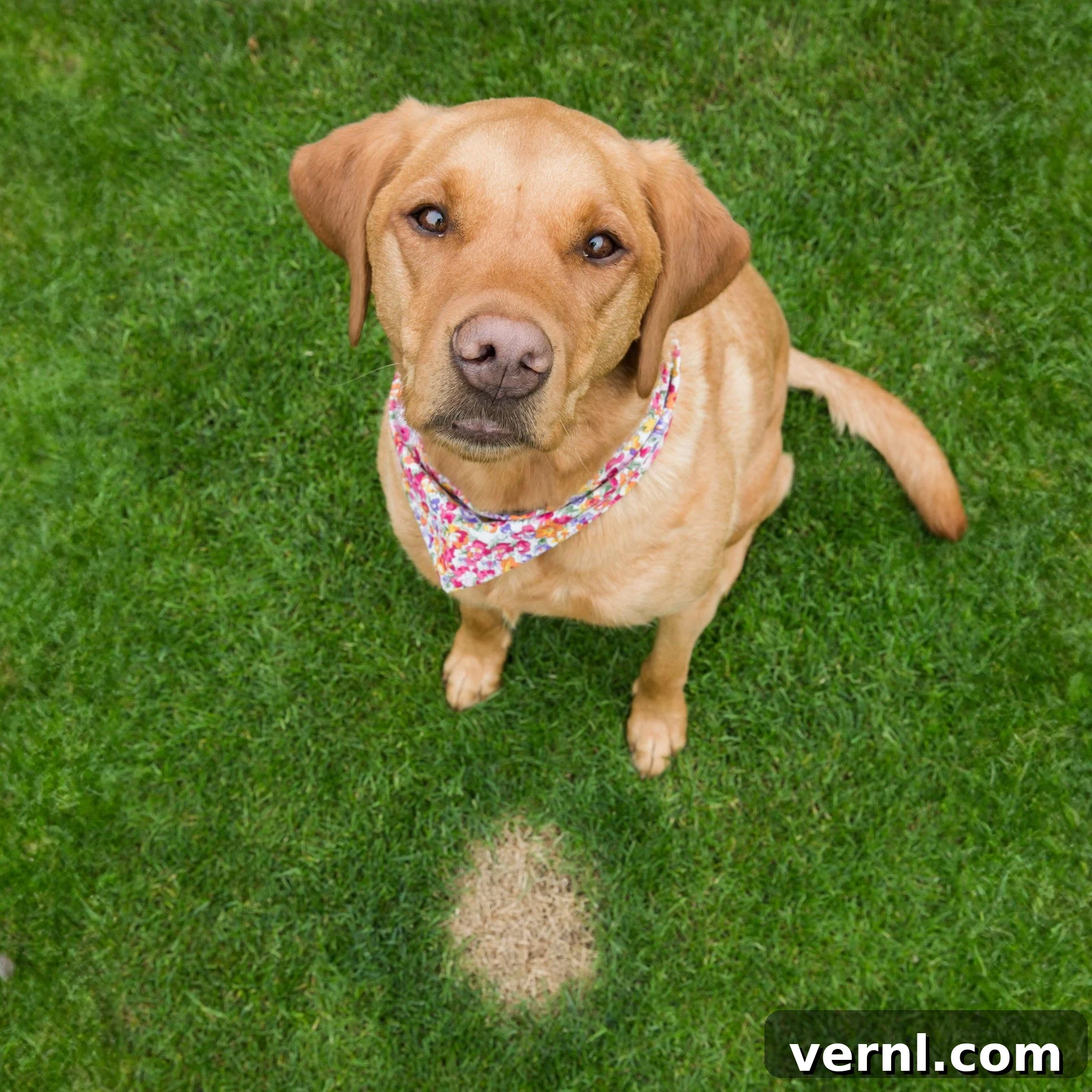
Ultimate Guide to Preventing and Fixing Dog Urine Spots on Your Lawn
Many dog owners share a common dilemma: the struggle to maintain a lush, green lawn while their beloved pets enjoy the yard. The tell-tale circular brown spots caused by dog urine can be a frustrating and often unsightly problem, turning an otherwise pristine landscape into a patchy mosaic. What starts as a small inconvenience can quickly escalate, leading to significant lawn damage and a hefty bill if ignored. But what if you could have both a happy dog and a healthy, vibrant lawn?
The good news is that these challenges are entirely solvable. Understanding the science behind why dog urine affects grass and implementing practical, expert-backed strategies can help you reclaim your yard. From proactive prevention techniques to effective repair methods, this comprehensive guide will equip you with the knowledge to maintain a beautiful, pet-friendly outdoor space. We’ll delve into the chemical reactions at play, offer actionable advice from leading veterinarians, soil scientists, and lawn care specialists, and help you transform those unsightly brown patches into a distant memory.
“One tactic is to make sure your dog gets regular exercise and encourage them to explore different areas for bathroom breaks,” advises Shaina Denny, co-founder and CEO at Dogdrop. “Dogs, like us, can develop habits, especially if they’re less active. They might tend to favor specific spots out of convenience or familiarity, or they might decide to pee on another dog’s pee to claim their spot.” This insightful observation highlights that addressing dog urine spots isn’t just about lawn care; it’s also about understanding canine behavior.
This article will explore the scientific reasons behind those challenging dog-pee brown spots and provide expert tips from Denny and other specialists for solving this often perplexing problem, ensuring your lawn stays green and your dog stays happy.About Our Experts
To bring you the most accurate and effective advice, we’ve consulted a panel of distinguished experts in veterinary medicine, canine care, horticulture, and soil science. Their combined knowledge offers a holistic approach to understanding and resolving dog urine lawn damage.
- Dr. Tara Hansen, a veterinarian at Chewy, brings over 20 years of experience in veterinary medicine. She holds a degree from Michigan State University College of Veterinary Medicine and is passionate about client education, pain management, and rehabilitative medicine, providing valuable insights into canine health and behavior.
- Shaina Denny is the co-founder and CEO of Dogdrop, a venture-backed, female-founded dog care startup. As an expert in canine care and the proud owner of a mini dachshund named Poppy, she offers practical advice on dog training and habits that impact lawn health.
- Kathy Glassey is an International Society of Arboriculture (ISA) certified arborist, healthy soil advocate, and plant care expert at Inspire Green. Her extensive background includes work at numerous landscaping companies, where she honed her expertise in soil science, plant health, and ecological landscaping solutions.
- Roger May, Ph.D., serves as the director of technical operations at TruGreen, where he has dedicated 14 years to promoting healthy lawns. With a doctorate in plant breeding and genetics/horticulture from Michigan State University, Dr. May provides a deep understanding of grass physiology and effective lawn treatment strategies.
Understanding the Science: Why Does Dog Pee Kill Grass?
The culprit behind those unsightly brown patches isn’t a mystery; it’s rooted in chemistry. The primary reason dog urine damages grass is due to the high concentration of nitrogen in urea, a natural byproduct of protein metabolism in animals. While nitrogen is essential for plant growth and is a key component in many fertilizers, too much of a good thing can be detrimental, acting more like a chemical burn than a nutrient boost.
Nitrogen Overload: The Fertilizer Burn Effect
“Nitrogen is part of the necessary nutrients that all plants need,” explains Kathy Glassey, soil expert and senior consultant at Inspire Green. “However, too much concentrated in one area is problematic.” Imagine applying an entire bag of fertilizer to a single square foot of your lawn; the effect would be similar to what happens when a dog urinates in one spot. The excessive nitrogen draws moisture out of the grass roots, essentially dehydrating and burning the plant cells, leading to the characteristic yellowing and eventual browning of the grass.
The Ammonia and pH Factor: Creating a Hostile Environment
Beyond nitrogen, dog urine contains urea, which can rapidly convert into ammonia, especially in warm, moist conditions. This conversion significantly raises the soil’s pH level, creating an alkaline environment. Grasses, particularly common lawn varieties, thrive in a slightly acidic to neutral pH range. When the soil becomes too alkaline, it disrupts the delicate balance required for nutrient absorption and root health. Kathy Glassey elaborates, “Urea in dog urine can be converted into ammonia, which raises the soil pH, creating a harsh, alkaline environment that’s bad for grass roots.” This hostile pH makes it difficult for grass to access vital nutrients, further contributing to its decline.
Salt Accumulation and Osmotic Imbalance: Dehydration at a Cellular Level
As urine evaporates, it leaves behind concentrated salt deposits in the soil. These salts are another significant factor in grass damage. “When urine evaporates, it leaves behind concentrated salt deposits that disrupt the osmotic balance of the soil, making it harder for grass to take up water and nutrients,” Glassey adds. Osmosis is the process by which plants absorb water. High salt concentrations in the soil reverse this process, drawing water out of the grass roots instead of allowing them to absorb it. This osmotic imbalance leads to cellular dehydration, even if the soil appears moist, ultimately causing the grass to wither and die.
Factors Influencing the Severity of Damage
While the chemical composition of dog urine is the fundamental cause, several factors can influence the extent of the damage:
- Dog Size and Volume: Larger dogs generally produce higher volumes of urine, leading to a more concentrated dose of nitrogen and salts in a single spot. This often results in more prominent and severe brown patches.
- Dietary Protein Levels: Dr. Tara Hansen notes, “Nitrogen is a normal part of pee, but dogs that eat higher protein diets may produce more nitrogen.” A diet rich in protein means more urea is processed by the kidneys, leading to a higher nitrogen concentration in the urine.
- Urination Habits and Gender: “Dogs who squat will leave a more focused area of pee on the grass than dogs who go in multiple areas or lift their legs,” says Dr. Hansen. “So female dogs and puppies may kill grass more commonly than male dogs.” Female dogs and puppies typically squat, depositing a concentrated stream of urine in one spot, whereas male dogs tend to lift their leg and disperse smaller amounts over a wider area, diluting the impact.
- Grass Type and Health: Some grass types are more susceptible to urine damage than others, and a weak, stressed lawn will show damage more quickly than a healthy, robust one.
Proactive Strategies: How Can I Stop Dog Urine From Killing My Grass?
While you can’t eliminate nitrogen from your dog’s pee, you can significantly reduce its detrimental effects on your lawn through a combination of thoughtful pet care and smart lawn management. Prevention is often easier than cure when it comes to dog urine spots.
Hydration is Key: Dilute the Damage
One of the simplest yet most effective methods is to keep your dog well-hydrated. The more water your dog drinks, the more diluted their urine will be. Diluted urine contains lower concentrations of nitrogen and salts, making it less harmful to grass. Ensure your dog always has access to fresh, clean water, especially after exercise or during warm weather. Encouraging them to drink more can make a noticeable difference in your lawn’s resilience.
Immediate Action: Water the Spot Promptly
When your dog urinates, follow up immediately by watering the affected area. This prompt action helps to disburse and dilute the concentrated nitrogen and salts, preventing them from burning the grass roots. A quick rinse with a watering can or garden hose for about 30-60 seconds after each bathroom break can drastically reduce damage. This method is particularly effective if you can observe your dog’s urination habits and act quickly.
Dietary Considerations and Supplements (Consult Your Vet)
As Dr. Hansen mentioned, higher protein diets can lead to more concentrated nitrogen in urine. While you shouldn’t drastically change your dog’s diet without veterinary consultation, discussing your dog’s protein intake with your vet might be worthwhile, especially if you’re experiencing severe lawn issues. There are also various dog rocks or supplements available that claim to neutralize urine, but their effectiveness is often debated, and some may have potential health implications for your pet. Always consult your veterinarian before introducing any new supplements to your dog’s diet to ensure their safety and efficacy.
Smart Lawn Management Practices
- Apply Low-Nitrogen, Dog-Friendly Fertilizer: If you fertilize your lawn, opt for a low-nitrogen formula. Since your dog’s urine is already adding nitrogen, an additional high-nitrogen fertilizer could push your lawn over the edge. Look for fertilizers that emphasize phosphorus and potassium or slow-release nitrogen, and ensure they are pet-safe.
- Keep Grass Longer and Well-Watered: Taller grass blades offer more surface area to absorb and dilute the urine, providing a bit of a buffer against the concentrated chemicals. Keeping your grass at a height of 2-3 inches allows for deeper root growth and makes the lawn more robust and resilient. Additionally, a deeply and consistently watered lawn is healthier and better equipped to withstand stress, including urine exposure.
- Promote Healthy Soil: Healthy soil is the foundation of a healthy lawn. Incorporating organic matter, ensuring proper drainage, and maintaining a balanced pH can make your grass more resistant to damage. Regular soil testing can help you understand your lawn’s specific needs and guide appropriate amendments.
Choosing Urine-Resistant Grasses
Some grass varieties are naturally more tolerant of dog urine than others. Consider planting more urine-resistant grasses, especially if you’re reseeding or establishing a new lawn. Cool-season grasses like fescue (tall fescue, fine fescue) and perennial rye grass are known for their resilience. Sedges are also excellent alternatives, particularly for drought-prone areas, offering good resistance to concentrated urine. These grass types often have stronger root systems and a greater ability to recover from stress, making them ideal for pet owners.
Training and Designated “Pee Spots”
One of the most effective long-term solutions is to train your dog to use a specific area of the yard for their bathroom breaks. This takes pressure off your main lawn and allows you to manage the impact more effectively.
- Create a Designated Spot: Choose an out-of-the-way corner of your yard and cover it with materials that are easy to clean and won’t be damaged by urine. Good options include pebbles, wood chips, mulch, or even artificial turf. These materials drain well and don’t react negatively to urine.
- Positive Reinforcement: “Then you can encourage your dog to use this designated spot by positively reinforcing their behavior with praise and rewards each time they do their business there,” says Shaina Denny. Consistency is key. Take your dog to this spot on a leash every time they need to go, and lavish them with praise and treats when they relieve themselves there. Over time, they will associate the spot with positive experiences. “This not only protects your grass but also establishes a consistent routine that aligns with your pet’s needs.”
Rethinking Your Lawn: Eco-Friendly Alternatives
For those looking for a more radical solution, consider ditching traditional grass altogether or reducing your lawn area. You can rewild your yard with native plants, which often require less water, fertilizer, and maintenance, and are generally more robust. Creating garden beds with urine-tolerant shrubs or groundcovers, or installing hardscapes like patios and pathways, can reduce the amount of lawn susceptible to damage.
Addressing Existing Damage: How To Fix Brown Spots From Dog Urine
Even with the best preventative measures, some brown spots may still appear. Understanding how to effectively treat and repair these areas is crucial for maintaining a uniformly green lawn. The key is timely intervention and appropriate repair techniques.
Understanding the Damage: Can Grass Recover?
The extent of the damage dictates whether grass can recover or if permanent repair is needed. “If the grass is turning yellow, it may recover with some watering,” advises Dr. Tara Hansen. This yellowing often indicates dehydration or a mild chemical burn that can be reversed with immediate and thorough watering. However, “once the grass turns brown, it is permanently damaged and will require reseeding.” Brown grass signifies that the plant cells have died and cannot regenerate.
Interestingly, around the dead patch, you’ll often observe a ring of fast-growing, dark-green grass. “Essentially, the urine turns into fertilizer beyond the dead spot and causes the grass to grow,” explains Roger May, Ph.D., director of technical operations at TruGreen. This ‘halo effect’ is a visual testament to nitrogen’s dual nature: harmful in high concentrations, beneficial when diluted.
Immediate Repair for Minor Spots
For yellowed spots, the primary action is to water the area generously to flush out residual salts and dilute any remaining nitrogen. Continue watering deeply for a few days, and the grass may bounce back. For slightly more damaged areas, applying a small amount of gypsum can help neutralize salts and improve soil structure, aiding recovery. Always ensure the area is thoroughly watered after application.
Reseeding Brown Spots: A Step-by-Step Guide
When grass has turned completely brown, reseeding is often the most effective solution. “Some naturally spread grass types will repair themselves over time,” notes Dr. May, but for faster results, manual intervention is best. Here’s how to do it:
- Remove Dead Grass: Gently rake out all the dead grass and thatch from the affected area. This creates a clean bed for new seeds and prevents competition. Loosen the top inch or two of soil to prepare it for planting.
- Amend the Soil: After removing dead grass, the soil underneath may still be contaminated with high levels of salts or have an altered pH. Amend the soil by mixing in some fresh topsoil, compost, or peat moss. This helps to dilute remaining contaminants, improve soil structure, and provide a healthy environment for new seeds. A sprinkle of garden lime can help neutralize overly acidic soil, while gypsum can help with salt remediation.
- Choose the Right Seed: Select a grass seed variety that matches your existing lawn or opt for urine-resistant types like tall fescue or perennial rye. For cool-season grasses, reseeding in early fall or early spring generally yields the best results.
- Apply Seed and Water: Scatter the grass seed evenly over the prepared soil. Lightly rake the seeds into the soil surface and gently tamp down to ensure good seed-to-soil contact. Water the reseeded area lightly but frequently, keeping the top inch of soil consistently moist until germination occurs and the new grass is established. Avoid overwatering, which can wash away seeds.
- Protect the Area: If possible, try to keep your dog away from the reseeded patch until the new grass has matured enough to withstand their traffic and potential urination.
Patching with Sod for Quicker Results
For those who desire an immediate aesthetic fix, replacing the dead area with a patch of sod is an excellent option. This provides an instant green solution, though it requires careful installation and consistent watering for the sod to root properly. You can either cut a piece of sod from an inconspicuous part of your lawn or purchase a small roll from a garden center. Prepare the soil as you would for reseeding, then lay the sod, ensuring good contact with the underlying soil, and water thoroughly.
Allowing Natural Recovery
In some cases, especially for smaller spots or lawns with self-spreading grass types (like Bermuda grass or Zoysia grass), simply removing the dead grass and ensuring consistent watering can encourage the surrounding healthy grass to grow into and fill the bare area over time. “The key to repairing those brown spots is keeping them watered,” reminds Dr. May. This method requires patience but can be effective for minor damage.
Conclusion: A Harmonious Lawn and Happy Pet Are Achievable
Living with a dog doesn’t mean you have to sacrifice the beauty of your lawn. While dog urine spots can be a persistent and frustrating problem for many homeowners, understanding the underlying science and implementing a combination of preventative measures and effective repair strategies can lead to a harmonious coexistence between your beloved pet and a vibrant, green landscape.
From ensuring your dog stays well-hydrated and training them to use designated relief areas, to selecting resilient grass types and promptly attending to any new spots, every action contributes to a healthier lawn. Remember that a proactive approach, coupled with consistent care, is your best defense. By integrating the expert advice provided in this guide, you can confidently address the challenge of dog urine damage, maintain a stunning outdoor space, and enjoy countless hours with your happy, healthy canine companion in a yard that truly thrives.