
Transform Your Yard into a Certified Wildlife Habitat: A Comprehensive Guide
Creating a haven for wildlife in our outdoor spaces offers more than just aesthetic pleasure; it establishes critical lifelines for countless species facing increasing pressures from habitat loss, climate change, and other ecological challenges. Our gardens, no matter how small, can become vital stepping stones in a fragmented ecosystem, supporting local biodiversity and aiding migratory creatures on their long journeys.
“You can make a profound difference by providing essential resources such as food, water, and shelter for diverse wildlife, including bees, butterflies, birds, and amphibians,” says Mary Phillips, head of the National Wildlife Federation’s Garden for Wildlife program. “These nurtured garden plots act as crucial ‘pit stops’ along migratory corridors and vital sanctuaries within our communities, supporting wildlife in areas where natural habitats are rapidly diminishing.”
The idea of transforming your yard or even a compact apartment patio into a certified wildlife refuge might seem daunting, but it doesn’t have to be. The journey is about progress, not perfection. Begin with small, manageable steps, allowing yourself to enjoy the unfolding positive changes and the increasing wildlife activity that each effort brings. Every native plant, every water source, and every sheltered corner contributes to a richer, more resilient local environment.
This guide will walk you through the essential steps to make your outdoor space a certified wildlife habitat, focusing on the rigorous yet accessible criteria set forth by the National Wildlife Federation’s Certified Wildlife Habitat program. While our focus is on NWF’s guidelines (see their checklist here), similar initiatives like Homegrown National Park, Audubon, and Monarch Waystation share many foundational principles for fostering biodiversity.
Step 1: Provide Diverse Food Sources
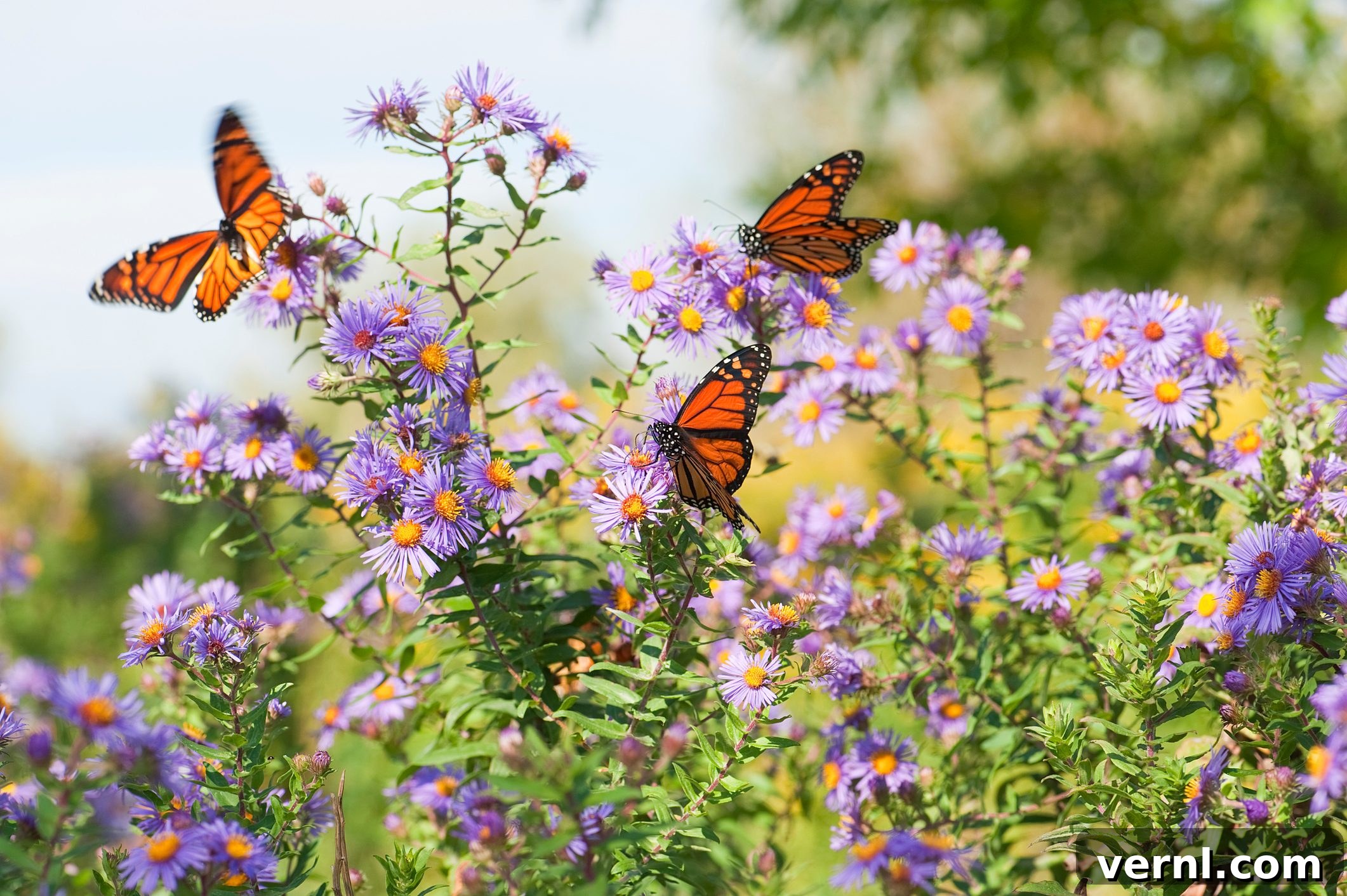
A thriving wildlife habitat is built upon a foundation of readily available and nutritious food. To qualify for certification, your space should offer at least three distinct food sources. This can include a vibrant array of native flowers rich in pollen and nectar for pollinators, plants that produce seeds and berries for birds and small mammals, and even specific host plants that support insect larvae. The key is to provide a consistent food supply throughout the seasons.
Mary Phillips emphasizes the importance of selecting native flowers and plants, highlighting those with attractive foliage and colorful berries. Native plants are ecologically superior because local wildlife has co-evolved with them, relying on their specific chemical compounds and growth cycles for survival. For instance, native insects often require specific native host plants to lay their eggs and for their larvae to feed. Without these particular plants, the entire food web can suffer, impacting everything from caterpillars to the birds that feed on them.
To identify the best native plants perfectly suited for your specific region and climate, leverage invaluable resources such as the NWF’s Native Plant Finder. This tool allows you to input your zip code and receive tailored recommendations. Other excellent resources include the Xerces Society’s Native Plant, Seed and Services Directory and Audubon’s Native Plant Database, which can also connect you with local Audubon chapters and partner organizations for personalized advice. Beyond plants, consider supplementary food sources like bird feeders stocked with quality seeds, suet, or nectar for hummingbirds, ensuring they complement rather than replace natural foraging opportunities.
Step 2: Add Essential Water Sources
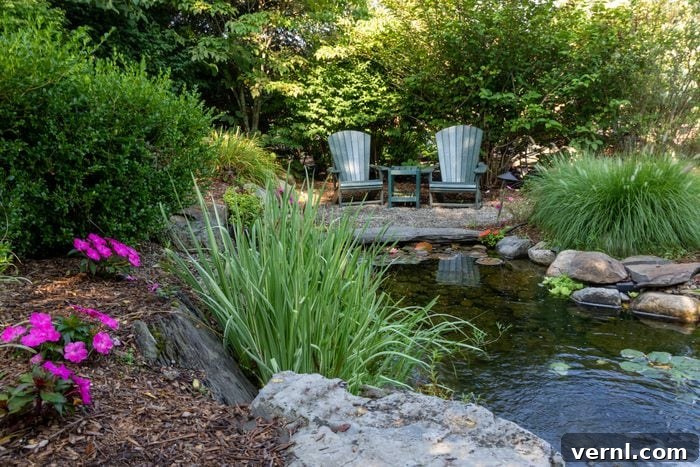
Water is as crucial as food for wildlife survival. To achieve certified wildlife refuge status, your space must offer at least one reliable source of water, providing birds, insects, and other creatures with vital hydration and a place to bathe. This isn’t just about drinking; many species use water for cooling, preening, and even breeding.
If your yard lacks natural water features like a stream, pond, or even a seasonal puddle, you can easily introduce artificial options. Simple solutions include a shallow bird bath, a decorative fountain, a hanging bird waterer, or even just a shallow dish placed at ground level. For the safety and benefit of smaller creatures, especially bees and other insects, place a few rocks, pebbles, or marbles in the water. These provide safe landing spots, allowing them to drink without the risk of drowning. Positioning pollinator-friendly plants like verbena, milkweed, and yarrow around your water feature can make it even more attractive, creating a complete micro-habitat that supports the full life cycle of beneficial insects.
Regular maintenance of your water source is important. Keep bird baths clean to prevent disease, and ensure a continuous supply of fresh water. Even a small, consistently available water source can significantly increase the diversity and activity of wildlife in your garden, transforming it into a vibrant hub of life.
Step 3: Create Crucial Cover and Shelter
Wildlife requires safe havens to protect themselves from the elements, evade predators, and efficiently hunt for prey. Your habitat should provide at least two distinct types of cover. Think beyond just a single shrub; diversity in cover elements will attract a wider array of species. Consider dense trees, thick brush piles, various shrubs, strategically placed roosting boxes, areas of tall grasses, and even fallen logs or rock piles.
Each type of cover serves different purposes for different species. Dense evergreen shrubs offer year-round protection from harsh weather and predators. Brush piles provide excellent hiding spots for small mammals, reptiles, and amphibians, as well as insects. Tall grasses offer nesting sites and escape routes. Dead trees (snags) can provide cavities for nesting birds and insects, while fallen logs decompose, enriching the soil and becoming homes for a myriad of invertebrates.
If you’re embarking on a larger garden redesign, Phillips also suggests integrating cover as part of a strategy to reduce the size of your lawn. Replacing expanses of turfgrass with perimeters of wild grasses and native shrubs not only minimizes maintenance but dramatically increases the structural diversity and ecological value of your yard, creating more valuable habitat for wildlife.
Step 4: Allow for Places To Raise Young
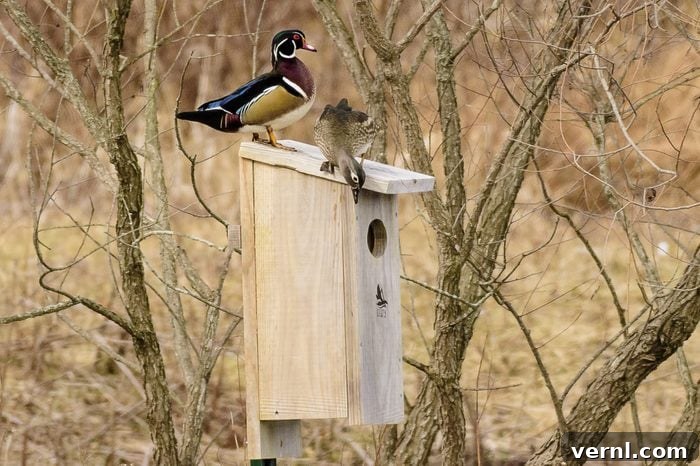
A truly complete wildlife habitat offers safe and nourishing environments for creatures to reproduce and raise their offspring, supporting every stage of their life cycles. You’ll need at least two distinct spots dedicated to this purpose. While some of these can overlap with your general cover elements, others might be specifically designed for reproduction.
Key elements include host plants for caterpillars, such as milkweed for Monarchs or parsley for Black Swallowtails. These plants are crucial for specific insect species to complete their larval stage. Additionally, consider installing birdhouses designed for cavity nesters, bat boxes to provide shelter for these nocturnal insect predators, and bee tubes or “bee hotels” for solitary native bees. Amphibians will benefit from small, shallow ponds or moist, sheltered areas for breeding.
To further ensure the success of breeding wildlife, practice mindful gardening. Avoid pruning trees and shrubs during peak nesting and mating seasons, typically spring and early summer, to prevent disturbing active nests or disrupting breeding cycles. Furthermore, resist the urge to clear away garden debris and leaf piles too early in the spring. These seemingly untidy elements provide essential overwintering sites for chrysalises, pupae, and beneficial insects, offering protection until warmer weather arrives.
Decaying leaf piles are particularly beneficial for your yard’s ecosystem. They foster the growth of lichen and fungi, enriching the soil and providing a nutrient base. More importantly, they serve as crucial homes for a multitude of insects and caterpillars, which are indispensable food sources for nesting birds and their hungry young. Embracing a slightly wilder, more natural aesthetic in your garden directly translates to robust support for the next generation of wildlife.
Step 5: Ditch the Chemicals and Embrace Sustainable Practices
The cornerstone of a truly effective wildlife refuge is the commitment to sustainable, eco-friendly gardening practices. Minimizing your environmental impact ensures that your efforts to attract wildlife are not undermined by harmful substances. To meet certification requirements, you’ll need to implement at least two of the following practices, though the more you adopt, the healthier and more vibrant your habitat will become:
- Maintain Your Yard and Garden Naturally: Opt for organic fertilizers like nutrient-rich mulch and homemade compost instead of synthetic chemicals. These natural amendments improve soil structure, feed beneficial microorganisms, and slowly release nutrients, creating a resilient and healthy foundation for all plant and animal life.
- Avoid Pesticides and Herbicides: Chemical pesticides indiscriminately kill insects, including the beneficial ones that prey on pests and those that serve as food for birds and other wildlife. Herbicides can eliminate host plants and food sources. By avoiding these harmful chemicals, you foster a healthy balance of beneficial insects and allow natural pest control mechanisms to thrive, protecting the entire food web.
- Conserve Water Thoughtfully: Implement water-wise gardening techniques. Planting native plants, which are adapted to your local climate’s rainfall patterns, significantly reduces the need for supplemental irrigation. Consider installing efficient drip hoses or embracing xeriscaping principles to minimize water usage while maintaining a beautiful and functional landscape. Collecting rainwater in barrels is another excellent conservation strategy.
- Remove Invasive Species: Non-native invasive plants can outcompete native flora, disrupt local ecosystems, and offer little to no food or habitat value for native wildlife. Learn how to identify and safely remove invasive species from your property, replacing them with beneficial native alternatives.
- Practice Soil Conservation: Healthy soil is the bedrock of a thriving ecosystem. Implement practices such as minimal tilling, using cover crops, and adding organic matter to improve soil structure, water retention, and nutrient availability. Protecting your underground ecosystem ensures a vibrant foundation for all life above ground, from plants to the insects and microorganisms that support them.
Step 6: Achieve Official Certification
Congratulations! By meticulously following the previous steps, you’ve successfully created a biodiverse and functional wildlife habitat. The final step is to make your efforts official by registering your space with one, or even all, of the leading conservation organizations. Certification not only validates your hard work but also connects you to a larger community of wildlife stewards and contributes to crucial national conservation goals.
- National Wildlife Federation (NWF): Registering with the NWF costs $20, a fee that directly supports their vital wildlife conservation initiatives. Upon certification, you receive a paper certificate, and you have the option to purchase an official-looking garden plaque. This plaque serves as an important visual cue for neighbors, helping them understand and appreciate your natural landscaping choices. As Mary Phillips notes, “When you create a wildlife refuge in your yard, you become an ambassador for natural landscaping,” inspiring others to create their own havens for wildlife.
- Homegrown National Park: This initiative offers free registration, allowing you to add your habitat to a national map alongside thousands of others dedicated to similar goals. According to its founder, Doug Tallamy, registering with Homegrown National Park is critically important for the U.S. to achieve its ambitious 30 by 30 conservation goals – protecting 30% of U.S. lands and waters by 2030. Tallamy emphasizes, “Seventy-eight percent of the country is privately owned, so if we don’t do conservation like this on private property, we’re going to fail. And we can’t fail. Our only viable path forward is for humans and nature to coexist.”
- National Audubon Society: While the national society advocates for bird conservation, many state and regional Audubon offices offer specific wildlife habitat certification programs. For example, Audubon Rockies runs its acclaimed Habitat Hero program. These programs typically involve an evaluation of your yard and award bronze, silver, or gold “wildscape” certifications based on the level of conservation effort. The cost for such programs is often around $30, directly supporting local bird conservation efforts.
Beyond these national organizations, many states and local entities also offer certification programs tailored to regional ecosystems. Check with your local university extension office, garden club, or botanical garden for information on programs specific to your area. These local certifications can provide valuable resources and community support.
Can One Yard Truly Make a Difference? Absolutely!
The impact of even a single, properly managed wildlife habitat is surprisingly profound. Studies show that a well-designed garden can boost local wildlife populations by as much as 50% in just one season. Your individual efforts contribute to a vital network of green spaces, forming ecological corridors that enable wildlife to move safely through human-dominated landscapes.
“I understand that not everybody identifies as a ‘gardener,’ and you don’t have to be one to make a difference,” reassures Doug Tallamy. “This is something genuinely impactful that anyone can do and feel incredibly good about. And there is significant payback. You get to witness the tangible results firsthand, observing the diverse species that arrive in and thrive within your transformed yard.” Every native plant you add, every drop of water you provide, and every chemical you avoid creates a ripple effect, enhancing biodiversity and ecological health far beyond your property lines.
Want to Get Even More Involved?
If you’re inspired to expand your conservation efforts, consider these additional ways to deepen your commitment and engage with larger initiatives:
- Turn your yard into a certified Monarch Waystation, specifically designed to support the monarch butterfly’s incredible migratory journey.
- Motivate the next generation of environmental stewards by joining NWF’s Schoolyard Habitat program, transforming school grounds into living classrooms.
- Find inspiration and practical ideas by visiting a Certified Wildlife Garden in your community.
- Engage your entire neighborhood by spearheading an NWF Community Wildlife Habitat project, fostering a broader impact.
- Join and advocate for significant national and international habitat conservation and biodiversity efforts, such as the 30 by 30 initiative and America the Beautiful campaign.
Additional Resources for Creating Habitat:
Explore these reputable organizations for more in-depth information, plant lists, and community support:
- Xerces Society: Dedicated to invertebrate conservation, particularly pollinators.
- Pollinator Partnership: Focused on the health of pollinating animals and their ecosystems.
- North American Butterfly Association (NABA): Promotes the enjoyment and conservation of butterflies.
- The Canadian Wildlife Federation: Canada’s largest conservation charity, offering extensive resources for wildlife gardening.