
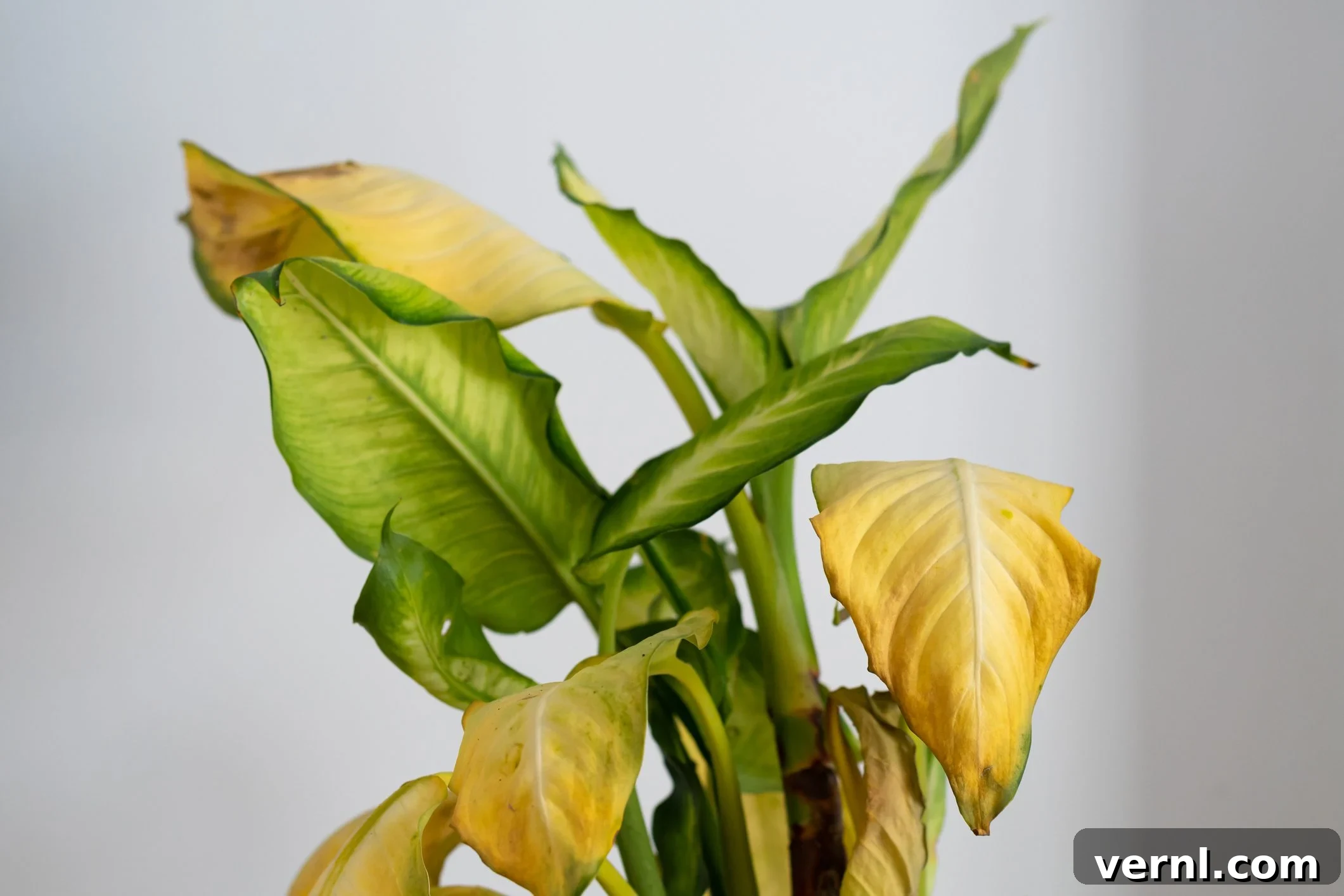
Providing your plants with the correct amount of water is a nuanced art, far more intricate than many gardeners initially perceive. The delicate balance between too little and too much water is a narrow one, and even the most experienced green thumbs can inadvertently fall victim to the pitfalls of overwatering. While aquatic plants, like the resilient water lily, are uniquely adapted to thrive with their roots constantly submerged, the vast majority of other plants, whether nestled indoors or flourishing in outdoor gardens, will suffer or perish when consistently overwatered. Are you observing yellowing foliage, persistently damp soil, stems that feel mushy, or a general wilting appearance? These are critical indicators that you might be overwatering your beloved greenery.
Understanding the Dangers of Overwatering: Why Less Can Be More
Overwatering doesn’t just mean drowning your plants; it’s about depriving their roots of vital oxygen. Plants absorb water through their roots, but they also need oxygen for respiration, a process essential for healthy growth and nutrient uptake. When soil is consistently waterlogged, the air pockets that normally hold oxygen are displaced, effectively suffocating the roots. This lack of oxygen severely compromises the plant’s ability to function, leading to a cascade of negative effects that manifest as the visible signs of distress we’ll explore below. Recognizing these signals early is crucial for intervening and potentially saving your plants.
Signs You’re Overwatering Houseplants and Container Grown Plants
Container-grown plants, especially those indoors, are particularly susceptible to overwatering due to limited soil volume and often inadequate drainage. Vigilantly watching for these common signs and adjusting your watering routine accordingly is key to their survival and prosperity.
Yellowing or Mushy Leaves: A Common Cry for Help
One of the most frequently observed symptoms of overwatering is the discoloration of leaves. Lisa Eldrid Steinkopf, widely known as The House Plant Guru and author of the insightful guide Bloom: The secrets of growing flowering houseplants year-round, emphasizes this point: “I think the most common symptom of watering too often and allowing plants to stay too moist, is yellowing leaves and/or mushy leaves.” While yellowing can sometimes indicate underwatering, the distinction lies in the texture: overwatered yellow leaves often feel soft, limp, or even mushy to the touch, whereas underwatered leaves typically turn brown and become dry and crispy. These soft, yellow leaves are a direct result of stressed roots unable to absorb nutrients effectively and the plant’s cells becoming waterlogged.
Persistent Wilting: A Deceptive Symptom
Surprisingly, plants that are suffering from excessive watering often exhibit wilting, a symptom commonly associated with thirst. The entire plant may droop dramatically, or only the tips of its branches might show signs of distress. This seemingly contradictory response occurs because overwatered roots, starved of oxygen, begin to rot and become inefficient at absorbing water, even if it’s abundant in the soil. Essentially, the plant is “drowning” and simultaneously dying of thirst due to its compromised root system. If you suspect overwatering, don’t just check the top inch of soil; insert your finger several inches deep. If the soil is still saturated, despite wilting, overwatering is likely the culprit. Proper drainage is paramount: always grow plants in containers with drainage holes, and ensure excess water can freely escape, never allowing pots to sit in standing water within saucers for extended periods.
Root Rot: The Silent Killer Below the Surface
When plant roots are continuously submerged in water, they become highly stressed and exceptionally vulnerable to a range of pathogenic fungi and bacteria that cause root rot. This insidious condition leads to the decay of the root system, preventing the plant from adequately absorbing water and essential nutrients, ultimately compromising its structural integrity. What does root rot look like? Healthy roots are typically firm, white, or light-colored. Infected roots, however, will appear brown, black, and feel distinctly soft or mushy. The tell-tale sign is often a foul odor emanating from the soil. Once root rot takes hold, it can be extremely challenging, though not impossible, to salvage the plant, making early detection and preventative measures crucial.
Fungus Gnats: Unwanted Visitors Signaling Trouble
For indoor plants particularly, the appearance of small, dark, mosquito-like insects fluttering around the plant or crawling on the soil surface is a clear red flag. Steinkopf points out, “You may also start to see fungus gnats flitting about before or after yellow leaves appear. They are an indication of the potting medium staying too moist.” Fungus gnats thrive in constantly moist environments, laying their eggs in damp soil. Their larvae feed on fungi and decaying organic matter in the soil, and sometimes even on tender root hairs, further stressing an already vulnerable plant. Their presence is a strong biological indicator that your potting mix is retaining too much moisture for too long.
Stunted Growth and Unpleasant Odors: Less Obvious Clues
Beyond the more visible symptoms, an overwatered plant might simply stop growing or show significantly reduced vitality. If your plant seems to be stuck in a perpetual state of dormancy, despite receiving adequate light and nutrients, consider its watering schedule. Healthy roots are essential for vigorous growth, and waterlogged conditions inhibit this. Additionally, a sour, musty, or stagnant odor emanating from the soil is a strong indicator of anaerobic conditions and potential root rot below the surface. This smell is often caused by bacteria flourishing in oxygen-deprived, overly wet soil.
Signs You’re Overwatering Your Outdoor Plants and Gardens
While outdoor plants grown directly in the ground have more expansive root systems and better access to natural drainage than their container counterparts, overwatering can still occur, especially in areas with heavy clay soils or prolonged periods of excessive rainfall supplemented by irrigation. Remember, for most outdoor plants, it is generally more beneficial to water deeply and less frequently, encouraging roots to grow deeper, rather than light, superficial watering that keeps only the topsoil moist.
Wilted or Yellowing Leaves in Saturated Soil: A Paradox
Similar to houseplants, outdoor plants can also display wilted or yellowing leaves when overwatered. The key differentiator outdoors is often the surrounding environment. If the ground around the plant remains visibly saturated with water for extended periods, perhaps even forming puddles that drain slowly, and the plant concurrently shows signs of wilting or developing yellow foliage, this is a strong indicator of overwatering. The roots are struggling to breathe and function in the oxygen-deprived soil, leading to symptoms identical to drought stress.
Browning or Dropping Leaves with Soft Texture: Distinguishing from Drought
When an outdoor plant is receiving an excessive amount of water, its leaves may begin to turn brown, develop dark spots, or prematurely drop off. A crucial distinction here, which helps differentiate overwatering from underwatering, is the texture of the affected leaves. Overwatered brown leaves will typically remain soft, pliable, or even mushy. In contrast, leaves browning due to insufficient water will become dry, brittle, and crispy. Occasionally, you might also observe guttation—small water droplets forming on the tips or edges of leaves—which can be a sign of plants absorbing more water than they can transpire, though this isn’t solely indicative of overwatering.
Stunted Growth or Lack of New Development: A Systemic Issue
An outdoor plant that is being overwatered may exhibit severely stunted growth or a complete cessation of new development. This often stems from the insidious problem of root rot. When roots are constantly waterlogged, they become weakened and highly susceptible to various fungal and bacterial pathogens that thrive in wet, anaerobic conditions. These pathogens attack and destroy the roots, preventing the plant from taking up water and nutrients essential for growth. The plant expends all its energy trying to survive, leaving no resources for new foliage, flowers, or fruit production.
Waterlogged Soil and Poor Drainage: Obvious External Cues
Beyond the plant itself, examine the soil and the surrounding area. If water pools on the surface for hours after rain or irrigation, or if the soil consistently feels heavy, dense, and muddy to the touch, you likely have drainage issues that contribute to overwatering. Areas with heavy clay soil are particularly prone to this. Observe how quickly water soaks into the ground; if it lingers, your plants’ roots are likely experiencing prolonged exposure to excessive moisture.
Signs You’re Overwatering Your Lawn
Many homeowners aim for a lush, green lawn and often supplement natural rainfall with irrigation systems. However, an enthusiastic watering schedule, especially when rainfall is already sufficient, can quickly lead to an overwatered lawn, displaying its own unique set of warning signs.
Abundant Mushroom Growth: Nature’s Indicator
While a few mushrooms occasionally emerging after a warm rain shower are normal, particularly in shaded areas, a proliferation of mushrooms or other visible fungal growths across your lawn is a strong signal of overwatering. Mushrooms are the fruiting bodies of fungi that thrive in consistently damp, moist conditions and decaying organic matter. Their widespread presence indicates that the soil is holding too much moisture, providing an ideal habitat for fungal networks to flourish.
Yellowing or Dying Patches of Grass: Suffocation at the Root
Paradoxically, just like other plants, grass can turn yellow or even die from too much water. Grass roots, like all plant roots, require oxygen for respiration. When the lawn soil remains perpetually saturated, the air pockets are eliminated, depriving the grass roots of this essential oxygen. This “suffocation” leads to yellowing, browning, or dying patches of grass, often resembling drought stress. This is particularly noticeable in low-lying areas or compacted soil where water tends to collect.
Spongy Soil Underfoot: A Tactile Warning
One of the most direct and easily identifiable signs of an overwatered lawn is a distinct spongy, squishy feeling when you walk across it. If your footsteps leave noticeable indentations or if the ground feels unusually soft and saturated, it’s a clear indication that the soil is waterlogged. This excessive moisture prevents the soil from compacting properly and holds too much water. Adopting a watering strategy of less frequent but deeper watering encourages grass roots to grow deeper into the soil in search of moisture, making the lawn more resilient to short dry spells and preventing this spongy texture.
Increased Pests and Weeds: Secondary Indicators
Beyond the direct signs, an overwatered lawn can also become an inviting environment for various pests and weeds. Certain weeds, such as sedges and some types of moss, thrive in consistently wet conditions, outcompeting healthy turf grass. Similarly, pests like grubs and slugs often prefer moist soil, and their populations can increase in an overwatered lawn, further stressing the grass.
Preventing Overwatering: Best Practices for Healthy Plants
Prevention is always better than cure when it comes to overwatering. Implementing these practices can help ensure your plants receive just the right amount of hydration:
- Check Soil Moisture Regularly: Don’t just water on a schedule. Stick your finger 2-3 inches into the soil. If it feels dry, it’s time to water. For larger pots or outdoor plants, a moisture meter can provide a more accurate reading.
- Ensure Adequate Drainage: Always use pots with drainage holes for container plants. For outdoor gardens, amend heavy clay soils with organic matter like compost to improve drainage.
- Understand Plant-Specific Needs: Different plants have different water requirements. Succulents and cacti need less frequent watering than tropical foliage plants, for example. Research your specific plant’s needs.
- Water Deeply, Less Frequently: Encourage strong root growth by watering thoroughly until water drains from the bottom of the pot or deeply into the garden bed, then allow the topsoil to dry out before the next watering.
- Consider Potting Mix: Use a well-draining potting mix for containers. For plants prone to root rot, consider mixes specifically formulated for cacti or succulents, even if your plant isn’t one, for improved aeration.
- Avoid Saucers of Standing Water: If you use saucers under pots, empty any collected water after 15-30 minutes to prevent roots from sitting in stagnant water.
- Monitor Environmental Factors: Plants in hotter, drier environments or smaller pots may need more frequent watering than those in cooler, humid conditions or larger pots.
FAQ: Common Questions About Overwatering Plants
Which plants are most susceptible to overwatering?
Houseplants are highly prone to overwatering, primarily because they are grown in confined containers with limited drainage compared to outdoor environments. Plants with specific low-water needs, such as succulents, cacti, and many arid-climate herbs like lavender and rosemary, are particularly vulnerable. Additionally, plants with fine, delicate root systems, or those in pots that are too large for their current size, are more likely to suffer from excessive moisture.
How can I fix my overwatered plants and help them recover?
Immediate action is crucial. First, stop watering the plant completely and allow the soil to dry out significantly. Gently remove the plant from its pot and meticulously inspect the roots. Healthy roots are typically firm and light-colored. Carefully trim off any roots that appear brown, black, mushy, or smell foul using clean, sharp scissors. If the existing soil is saturated and heavy, gently remove as much of it as possible without damaging the healthy roots. Replant the specimen in fresh, well-draining potting mix in a clean pot that has ample drainage holes. You might consider using a slightly smaller pot if a significant portion of the root system was removed. For outdoor plants, improve drainage by amending the soil with organic matter around the base or consider relocating the plant if the area is perpetually waterlogged. Assessing your soil pH can also contribute to overall plant health and resilience. As Alexander Betz, landscape designer and founder of Plant By Number, advises, “To match plants with your soil’s PH, first test your soil using a kit to determine if it’s acidic, neutral, or alkaline.” Matching your plant to its ideal pH helps it better absorb nutrients and withstand stress, including overwatering.
How often should I water my plants?
There is no universal watering schedule, as it depends heavily on the specific plant species, pot size, soil type, humidity, temperature, and light conditions. The best approach is to check the soil moisture before watering. For most plants, water when the top 1-2 inches of soil feel dry to the touch. For succulents and cacti, allow the soil to dry out almost completely between waterings. Always observe your plant for signs of stress and adjust accordingly.
Can plants fully recover from severe overwatering?
Yes, many plants can recover from overwatering if caught early enough and appropriate measures are taken. The key factors for recovery are the extent of root damage and the overall health of the plant prior to the stress. If root rot is widespread and the plant has lost too much of its root system, recovery becomes significantly harder. However, with careful root trimming, repotting into fresh, well-draining soil, and providing optimal care, many plants show remarkable resilience and can bounce back to full health.
About the Experts
- Lisa Eldrid Steinkopf is the passionate voice behind The House Plant Guru blog, sharing her extensive knowledge and love for indoor plants. She is also the acclaimed author of Bloom: The secrets of growing flowering houseplants year-round, a comprehensive guide for achieving vibrant blooms year-round.
- Alexander Betz is a distinguished landscape designer and the visionary founder of Plant By Number, an innovative platform dedicated to simplifying garden design and plant selection for enthusiasts.
Conclusion: Cultivating Mindful Watering Habits for Thriving Gardens
Mastering the art of watering is perhaps the most fundamental skill for any gardener, crucial for the long-term health and vitality of your plants. Overwatering, a silent but deadly adversary, can quickly undo all your efforts, leading to a myriad of issues from yellowing leaves and wilting to the irreversible damage of root rot. By becoming attuned to the specific warning signs – whether it’s the mushy texture of leaves, the presence of fungus gnats, or a spongy lawn – you empower yourself to intervene effectively and prevent deeper problems. Remember, less is often more when it comes to hydration. Prioritize good drainage, check soil moisture diligently, and tailor your approach to each plant’s unique needs. With mindful observation and a commitment to these best practices, you can ensure your houseplants flourish, your garden thrives, and your lawn stays a vibrant, healthy green, year after year.