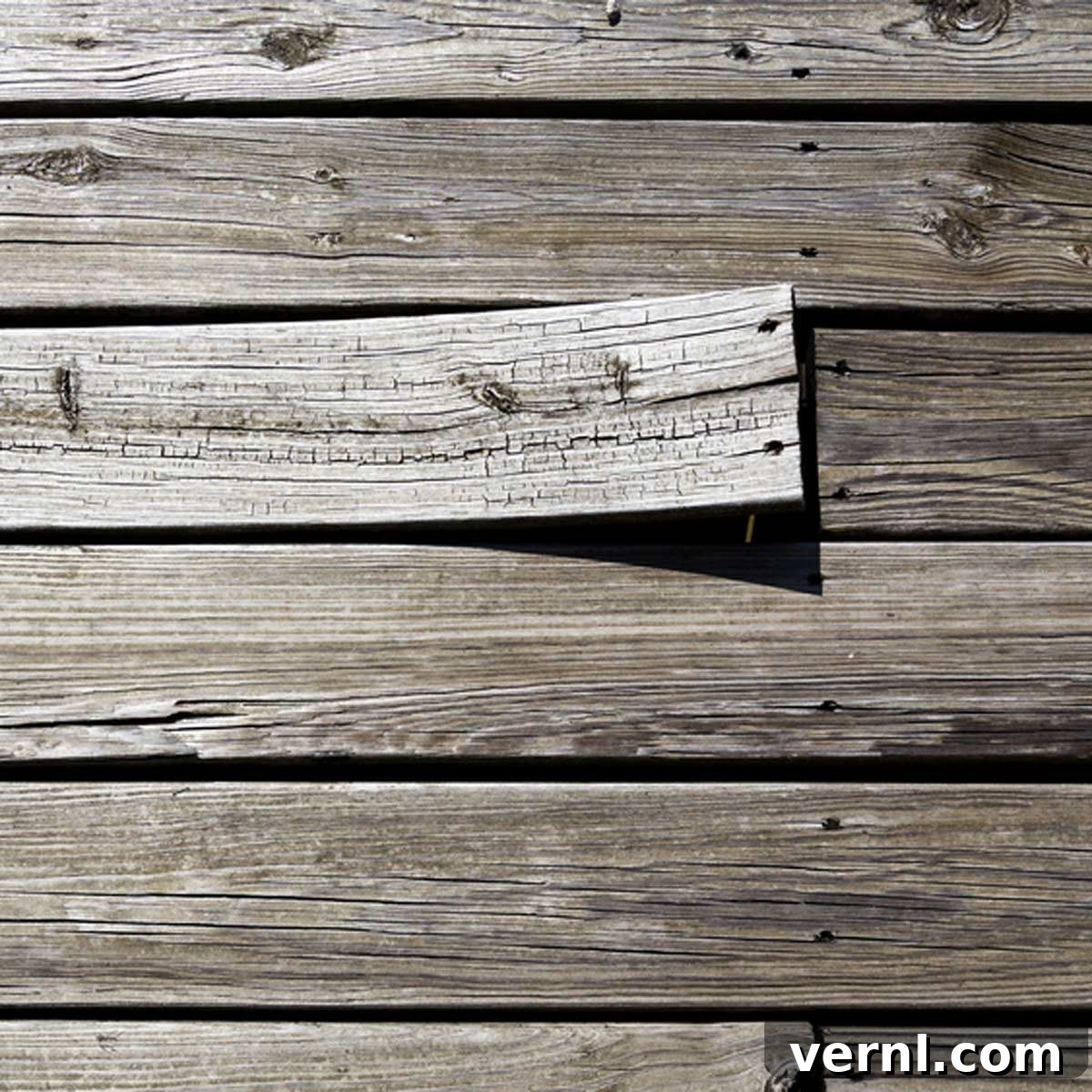
Understanding Wood Warping: Causes, Prevention, and Best Practices
Wood, a timeless and versatile material, holds an inherent beauty and strength that has made it indispensable across countless applications, from the sturdy beams of our homes to the intricate details of fine furniture. Yet, despite its many virtues, wood possesses a natural characteristic that can present significant challenges for craftsmen, builders, and homeowners alike: its tendency to warp. Understanding what causes wood to warp is not merely an academic exercise; it’s a fundamental insight essential for proper material selection, storage, and construction, ensuring the longevity and aesthetic integrity of any woodworking project.
At its core, wood warping is a direct consequence of the material’s dynamic relationship with moisture. Wood is a hygroscopic material, meaning it constantly absorbs and releases moisture from its surrounding environment until it reaches an equilibrium. When the moisture content within a piece of wood changes unevenly, internal stresses are created, compelling the wood fibers to contract or expand at different rates. This differential movement is the primary catalyst for warping, leading to the familiar twisting, bending, or cupping that can compromise structural integrity and visual appeal.
Consider a simple analogy: imagine a dry sponge placed in water. One side might absorb moisture faster than the other, causing it to swell disproportionately. Similarly, a board exposed to varying levels of humidity or temperature across its surfaces will experience this uneven drying or wetting. As one part of the board dries more rapidly, its fibers shrink at an accelerated pace compared to the wetter areas. This disparity in shrinkage generates immense internal tension, forcing the wood to distort and assume a new, warped shape. This phenomenon is particularly critical during the drying process of freshly cut lumber, but it can also affect seasoned wood that is improperly stored or exposed to uncontrolled environmental conditions.
Types of Wood Warping: Identifying the Distortions
Warping isn’t a singular phenomenon; it manifests in several distinct forms, each with its own characteristics and implications for woodworking projects. Recognizing these specific types of distortion is crucial for diagnosis and prevention:
- Cupping: This occurs when a board develops a concave or convex shape across its width, resembling a shallow bowl. It often happens when one face of the board dries faster than the other, causing the more exposed face to shrink.
- Bowing: Bowing is a longitudinal bend along the length of the board. The board curves from end to end, much like a rainbow. This is typically caused by uneven drying along the length or differential stress within the wood fibers.
- Crooking: Similar to bowing, crooking is a bend along the length of the board, but it occurs along the edge rather than the face. The board appears to curve sideways. It often results from differences in moisture content or grain structure between the edges.
- Twisting: Twisting is perhaps the most complex form of warping, where a board distorts along its length, causing the ends to be out of plane with each other. Imagine holding one end of a ruler flat on a table while the other end lifts and rotates. This is often linked to irregular grain patterns or knots within the wood.
- Kinks: While not a primary warp type, kinks are localized distortions often caused by uneven drying around knots or areas of significant grain deviation.
Each type of warp presents unique challenges, whether it’s difficulty in joining pieces, creating gaps, or compromising the flatness required for surfaces like tabletops. Understanding these forms of distortion empowers woodworkers to take targeted preventative measures and select appropriate remedies.
Key Factors That Contribute to Wood Warping
While moisture fluctuation is the overarching cause of warping, several underlying factors influence the extent and likelihood of this undesirable phenomenon. A comprehensive understanding of these contributors is paramount for anyone working with wood.
Moisture Content and Equilibrium Moisture Content (EMC)
The moisture content (MC) of wood refers to the weight of water in the wood expressed as a percentage of the oven-dry weight of the wood. All wood contains some level of moisture, even after drying. The critical concept here is the Equilibrium Moisture Content (EMC). Wood constantly attempts to reach an EMC with its surrounding atmosphere. This means that if the relative humidity (RH) in the air increases, the wood will absorb moisture and expand. Conversely, if the humidity decreases, the wood will release moisture and shrink. This continuous cycle of absorption and desorption is the fundamental driver of wood movement.
For example, wood stored in a damp basement during summer will absorb moisture, leading to expansion. If that same wood is then moved to a heated, dry living room in winter, it will release moisture, causing shrinkage. If these changes occur unevenly or too rapidly, warping is an inevitable outcome. The rate at which wood reaches EMC is influenced by its species, thickness, and the characteristics of the surrounding environment, including air temperature and circulation. Proper seasoning or kiln drying aims to bring wood to a stable MC that is in equilibrium with its intended service environment, significantly reducing the risk of warping after installation.
Wood Type and Grain Orientation
Not all woods are created equal when it comes to their susceptibility to warping. Different species possess varying cellular structures, densities, and inherent stability. Some woods, like Cedar and Redwood, are renowned for their natural resistance to moisture and decay, thanks to specific chemical extractives and tighter cellular structures. Fir, when properly seasoned to its EMC, is also considered relatively stable. These species tend to exhibit less pronounced movement in response to humidity changes compared to many other types of wood.
Beyond species, the way a log is sawn into lumber profoundly impacts its stability. There are three primary sawing methods, each yielding different grain orientations and varying tendencies to warp:
- Flat-Sawn (or Plain-Sawn) Lumber: This is the most common and economical sawing method, where cuts are made tangential to the growth rings. Flat-sawn boards often display cathedral-like patterns. While visually appealing, they are more prone to cupping and bowing because the growth rings run more or less parallel to the face of the board, leading to greater differential shrinkage across the width. They can shrink and expand about twice as much as quarter-sawn lumber.
- Quarter-Sawn Lumber: In this method, the log is first quartered, and then cuts are made radially to the growth rings, creating boards where the rings are perpendicular or nearly perpendicular to the face. Quarter-sawn lumber is significantly more stable, exhibiting less shrinkage and expansion across its width (approximately half that of flat-sawn). It is also less prone to cupping and twisting, making it ideal for high-precision applications like furniture making and flooring. It often displays a distinct “fleck” pattern.
- Rift-Sawn Lumber: This method involves cutting the log at an angle (typically 30 to 60 degrees) to the growth rings, resulting in boards with very straight, parallel grain lines. Rift-sawn lumber is the most stable of the three, with minimal cupping or bowing, but it is also the most wasteful and expensive to produce.
The choice between these lumber types often balances cost, aesthetics, and desired stability, with quarter-sawn being a popular choice for its balance of stability and availability.
Wood Dimensions and Thickness
The physical dimensions of a piece of wood also play a role in its warping tendencies. Thicker boards, while generally more robust, take longer to absorb and release moisture. This extended period can sometimes lead to greater internal stress build-up if drying conditions are not carefully controlled. Wider boards are more susceptible to cupping because there’s a larger surface area across which differential moisture changes can occur. Longer boards are more prone to bowing and crooking simply due to their extended length magnifying any slight directional movement.
Drying Process and Residual Stress
The way lumber is dried after harvesting is crucial. Improper or rushed drying, whether through air-drying or kiln-drying, can “set” internal stresses within the wood before it reaches its target moisture content. If wood dries too quickly on the surface while the core remains wet, it can create what’s known as “case hardening.” This condition leaves the outer shell in tension and the inner core in compression, making the wood highly susceptible to warping, splitting, or springing when it’s later cut or planed. Properly managed drying schedules are essential to minimize these residual stresses and produce stable lumber.
Different Types of Wood and Their Warping Tendencies
While no wood is entirely immune to warping under extreme conditions, certain species are inherently more stable and resistant to moisture-induced distortion than others. This knowledge is invaluable for selecting the right material for a specific project and environment.
Highly Stable Woods (Less Prone to Warping)
- Cedar (Western Red Cedar, Aromatic Red Cedar): Known for its exceptional dimensional stability, Cedar is a dense and naturally oily species that makes it highly resistant to moisture absorption, decay, and insect damage. Its low shrinkage factor and inherent stability make it ideal for outdoor applications like decking, siding, and fences, where exposure to varying weather conditions is constant. Its resistance to cracking and warping is a significant advantage.
- Redwood: Similar to Cedar, Redwood possesses natural chemicals (extractives) that provide excellent protection against moisture, decay, and insect infestation. This natural defense system contributes to its remarkable dimensional stability, especially when exposed to high humidity or outdoor elements. It’s often chosen for its aesthetic appeal and durability in challenging environments.
- Teak: Renowned for its unparalleled stability and resistance to water, Teak is an extremely dense, oily hardwood. Its natural oils act as a water repellent, making it highly resistant to warping, rotting, and insect damage, even in marine environments. While expensive, its durability and stability are unmatched for high-end outdoor furniture, boat building, and demanding architectural applications.
- Mahogany (Genuine Mahogany): Certain species of Mahogany, particularly true Mahoganies (Swietenia macrophylla), are prized for their excellent dimensional stability, ease of working, and beautiful grain. They exhibit minimal movement with changes in humidity, making them a preferred choice for fine furniture, cabinetry, and boat interiors.
- White Oak: Unlike Red Oak, White Oak has closed cellular pores, making it more resistant to water penetration and thus more stable. It is a durable and strong wood that holds its shape well, making it suitable for exterior applications and traditional furniture where stability is crucial.
- Fir (Douglas Fir): While not as inherently stable as Cedar or Teak, Douglas Fir, when properly seasoned and reaching its Equilibrium Moisture Content (EMC), is considered a reliable and dimensionally stable softwood. It offers a good balance of strength, workability, and moderate resistance to warping when used in appropriate interior or protected exterior applications.
Less Stable Woods (More Prone to Warping)
- Pine (Southern Yellow Pine, White Pine): Many pine species are softer, less dense, and have larger pores, making them more susceptible to rapid moisture absorption and release. This can lead to significant movement, including warping, twisting, and checking, especially if not properly dried and stored. They are widely used for construction framing, but careful handling is needed.
- Poplar: A relatively soft hardwood, Poplar is known for its fast growth and affordability. However, it can be quite unstable, especially in wider boards, and is prone to warping, twisting, and cupping if not properly dried, acclimated, and finished. It’s often used for painted applications or as a secondary wood.
- Red Oak: While a popular and strong hardwood, Red Oak has open cellular pores (visible as “ray fleck” in quarter-sawn boards) that allow for easier moisture penetration. This makes it more susceptible to expansion and contraction, and thus warping, compared to White Oak, particularly in environments with fluctuating humidity.
- Untreated or “Green” Lumber: Any wood that has not been adequately dried or treated to reach a stable moisture content will be highly prone to warping as it dries. This includes freshly cut timber before it undergoes a proper seasoning process.
The choice of wood species is a critical decision that influences not only the aesthetics and structural integrity of a project but also its susceptibility to warping and subsequent maintenance requirements.
Effective Strategies to Prevent Wood Warping
Preventing wood warping is largely about managing moisture content and minimizing internal stresses. By implementing best practices in storage, preparation, and construction, woodworkers can significantly reduce the likelihood of distortion and ensure the longevity of their creations.
1. Proper Wood Storage and Acclimation
The foundation of warp prevention lies in intelligent storage. Lumber should never be left haphazardly or directly on the ground. Instead, follow these guidelines:
- Stack Flat and Supported: Always store lumber in flat, level piles. This evenly distributes weight and prevents individual boards from sagging or bowing over time. Ensure the pile is supported by sturdy bearers (such as concrete blocks or solid timber) at regular intervals to keep it off the ground, typically every 12 to 18 inches, depending on the thickness and flexibility of the wood.
- Use Stickers for Air Circulation: Crucially, place “stickers” (small, evenly sized strips of wood, typically 3/4″ to 1″ thick) between each layer of boards in a stack. These stickers create air gaps that allow for proper ventilation and uniform air circulation around all surfaces of the wood. Without stickers, moisture can become trapped, leading to uneven drying and localized warping or mold growth. Align stickers vertically to ensure consistent support throughout the stack.
- Choose a Cool, Shaded, and Dry Location: Store wood in an environment with stable temperature and humidity. Avoid direct sunlight, which can heat one side of a board and cause rapid, uneven drying. Basements, attics, or garages with significant temperature and humidity fluctuations are generally poor choices. An ideal storage area is a climate-controlled workshop or a well-ventilated shed that offers protection from rain, snow, and extreme temperatures.
- Acclimation: Before beginning a project, especially with wood purchased from a different environment, allow the lumber to acclimate to the conditions of your workshop or the final installation site. Stack the wood with stickers for several days or even weeks (depending on thickness) to allow its moisture content to stabilize with the ambient humidity and temperature. This step is often overlooked but is critical for preventing movement after assembly.
2. Thoughtful Material Selection
As discussed, the choice of wood species and sawing method has a profound impact on stability. For projects where dimensional stability is paramount (e.g., tabletops, cabinet doors, fine furniture), opt for naturally stable species like Teak, Mahogany, White Oak, or properly seasoned Cedar. Whenever possible, choose quarter-sawn or rift-sawn lumber over flat-sawn, especially for wider panels, to minimize cupping and twisting.
3. Balanced Finishing and Sealing
Applying a finish to wood helps to slow down the rate at which it absorbs or releases moisture. However, it’s vital to finish all surfaces of a board equally – the top, bottom, and all edges – to ensure a balanced moisture exchange. If only one side is finished, that side will absorb/release moisture slower than the unfinished side, leading to uneven movement and potential warping. Even end grain, which absorbs and releases moisture at a much faster rate than face grain, should be sealed to prevent end checking and control moisture movement.
4. Smart Construction Techniques
Even with stable wood, proper construction methods can further mitigate the risk of warping:
- Relieve Stress: When milling lumber, make successive passes with planers and jointers, flipping the board frequently to equalize material removal and prevent stress build-up. Allow boards to rest between milling operations if significant material is removed.
- Use Stable Joinery: For wide panels, consider joinery methods that allow for natural wood movement without causing warping. Breadboard ends, frame-and-panel construction (with floating panels), and using battens on the underside of tabletops are classic techniques designed to accommodate expansion and contraction while keeping the panel flat.
- Grain Orientation: When gluing up wide panels from multiple boards, alternate the end grain direction of adjacent pieces (e.g., growth rings facing up, then down). This helps to balance the forces of cupping across the entire panel.
- Appropriate Fastening: When fastening wood components, allow for seasonal movement. For instance, when attaching a tabletop to a base, use slotted holes or specialized fasteners that permit the tabletop to expand and contract across its width without splitting or bowing.
5. Controlling the Environment
In certain sensitive applications, maintaining a consistent environment is key. For fine woodworking shops or homes with expensive wooden furniture, using humidifiers in dry winter months and dehumidifiers in damp summer months can help stabilize the relative humidity, thereby minimizing the natural movement of wood and preventing warping.
By diligently applying these preventative measures, woodworkers and builders can significantly reduce the challenges posed by wood warping, ensuring that their projects remain beautiful, stable, and structurally sound for years to come. Understanding the material and respecting its natural properties is the ultimate secret to successful woodworking.