Mastering Soil pH: The Foundation for a Thriving Garden
Whether you’re planning a vibrant vegetable garden, cultivating a lush landscape around your home, or establishing a pristine new lawn, one of the most fundamental steps to success is understanding your soil’s pH level. Soil pH isn’t just a scientific curiosity; it’s a critical component in the complex puzzle of plant health, profoundly influencing nutrient availability, microbial activity, and overall plant growth. Grasping the nuances of your soil’s pH and knowing how to effectively adjust it can be the deciding factor between a garden that merely survives and one that truly blossoms with vitality.
While a significant majority of plants thrive in soil with a neutral to slightly acidic pH, typically ranging from 6.0 to 7.0, it’s important to remember that certain species, such as acid-loving blueberries or lavender, have very specific pH preferences outside this range. To ensure optimal conditions, you’ll need to identify the ideal pH for the particular plants you intend to grow. The journey to a thriving garden begins with a simple soil test, followed by the strategic application of conditioners to fine-tune your soil’s pH to suitable levels. In this comprehensive guide, we delve into the best practices and expert tips for effectively raising or lowering your soil pH, paving the way for a truly flourishing outdoor landscape.
What Exactly Is Soil pH Level?
The scientific symbol ‘pH’ stands for ‘Potential of Hydrogen.’ In the context of soil, the pH number quantifies the concentration of hydrogen ions present. This measurement is crucial because it indicates the acidity or alkalinity of your soil, which, in turn, dictates the presence, absence, and availability of essential minerals vital for healthy plant growth.
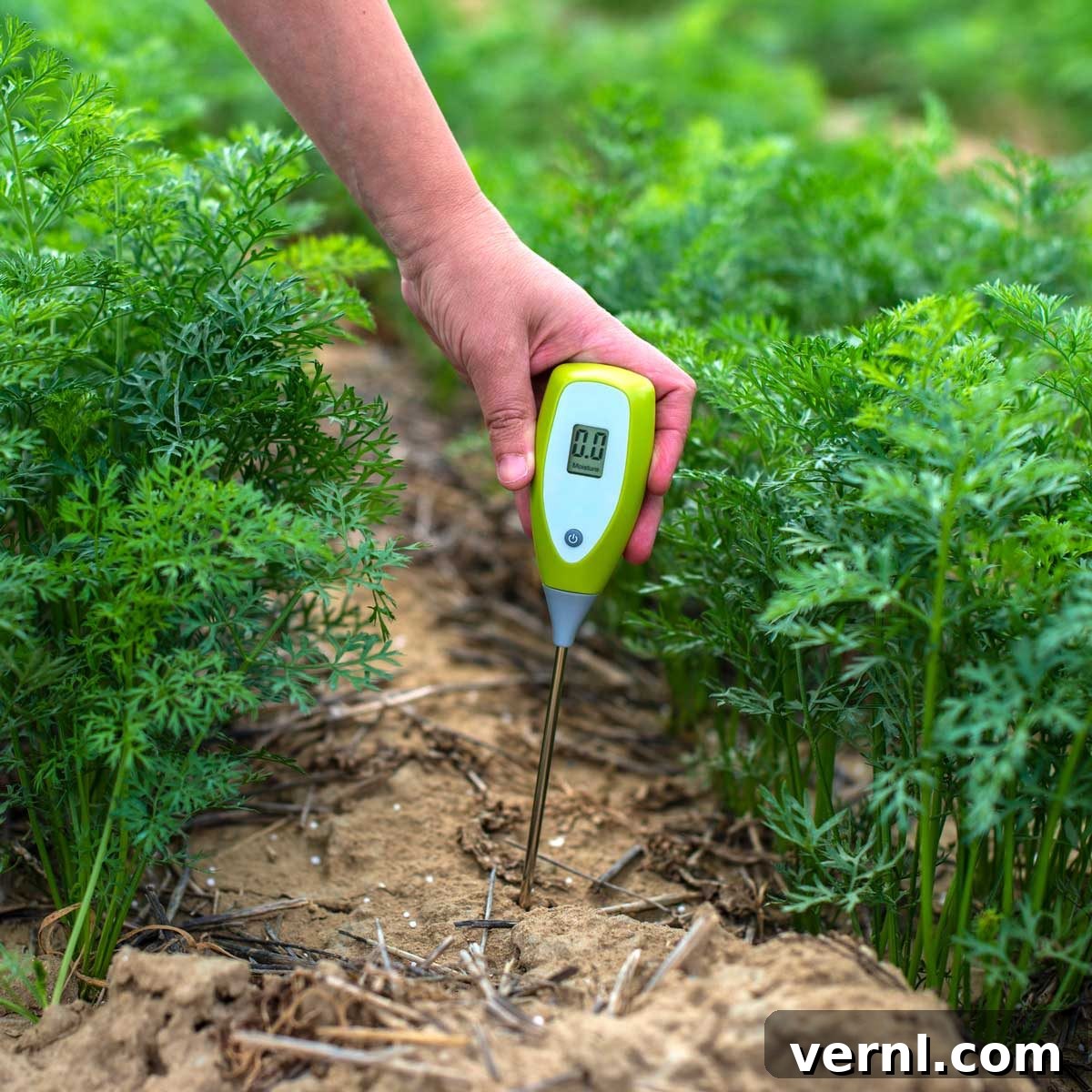
Understanding your soil’s pH begins with a reliable soil test. These tests are readily available at various outlets. You can purchase commercial soil test kits from local garden centers or agricultural extension offices. For convenience, many gardeners opt for a home test kit, which offers a quick and easy way to get a general idea of your soil’s characteristics. For the most precise and detailed analysis, including nutrient levels and tailored recommendations, sending a soil sample to a professional lab is often the best approach.
The pH scale ranges from 0 to 14. A pH of 7 is considered neutral. If your soil test results indicate a pH at or below 5.0, your soil is considered acidic. Conversely, if the results are above pH 7.5, your soil is too alkaline (or basic). Both extremes can create significant challenges for plant health, although some plants are specifically adapted to these conditions.
Numerous factors contribute to and influence the pH level of soil, making it a dynamic rather than static property:
- Rainfall and Leaching: Regions experiencing frequent and heavy rainfall often have more acidic soil. This is because rain can leach out alkaline minerals like calcium and magnesium, leaving behind a higher concentration of acidic compounds.
- Organic Matter Content: The presence or absence of decomposing organic matter significantly impacts pH. Tree cover and abundant plant debris contribute to organic matter, which typically buffers pH changes and can slowly acidify soil over time as it breaks down. A lack of this can lead to less stable pH.
- Parent Material (Geology): The underlying geological composition of an area plays a huge role. For instance, soil derived from limestone bedrock will naturally be more alkaline, while soil formed from granite or sandstone tends to be more acidic.
- Fertilizer Application: Many synthetic fertilizers, especially those high in ammonium nitrogen, can increase soil acidity over time as the ammonium converts to nitrate and releases hydrogen ions into the soil.
- Proximity to Concrete: Concrete foundations, patios, and walkways contain lime (calcium carbonate). Over time, rainwater can leach alkaline compounds from concrete into the surrounding soil, raising its pH.
- Irrigation Water Quality: The pH of your irrigation water can also influence soil pH, especially in areas with hard, alkaline water.
These influences manifest geographically. For example, the East Coast and Pacific Northwest regions of the United States are generally known for their acidic soils due to high annual rainfall and coniferous forests. In contrast, the presence of limestone bedrock throughout much of the West and Southwest contributes to predominantly alkaline soils. The Midwest often enjoys a more balanced pH, though localized factors, such as soil disturbance from building projects and the introduction of poor substitute soil, can alter this balance.
Why Do Soil pH Levels Need Adjusting? The Impact on Plant Health
The critical reason for adjusting soil pH is its profound impact on a plant’s ability to absorb essential nutrients. When soil is either too alkaline or too acidic, it can chemically “lock up” vital nutrients, preventing a plant’s roots from accessing them, even if those nutrients are physically present in the soil. This phenomenon is often referred to as nutrient unavailability or nutrient lockout.
For instance, in highly acidic soils, essential nutrients like phosphorus, calcium, and magnesium become less available, while potentially toxic elements like aluminum and manganese can become more soluble. Conversely, in highly alkaline soils, iron, manganese, zinc, and boron can become deficient. This imbalance directly translates to unhealthy plants, characterized by stunted growth, yellowing leaves (chlorosis), poor flowering or fruiting, and increased susceptibility to pests and diseases. Achieving the proper soil pH ensures that these nutrients are in their most soluble and accessible form, leading to healthier plants, more abundant blossoms, and a bountiful harvest.
While proper pH is paramount, it’s just one piece of the puzzle. Other factors like loose, well-draining soil (rather than dense and compacted), adequate water, the right amount of sunlight, and a rich supply of organic matter also contribute significantly to productive growth. Amending the soil, or adding materials to improve its physical and chemical properties, is a common practice. However, it’s crucial to proceed with caution. As highlighted by the Horticultural Extension Division of Mississippi State University, making a mistake can have significant consequences. The pH scale is logarithmic, meaning that a small numerical change represents a large chemical difference. For example, the difference between a pH of 5 and a pH of 6 is a tenfold change in acidity, and the difference between pH 5 and pH 7 represents a one hundredfold change. This underscores the importance of accurate testing and gradual, measured adjustments.
Identifying Your Soil Type and Desired pH for Specific Plants
Before making any adjustments, it’s vital to know not only your current soil pH but also the ideal pH range for the specific plants you wish to grow. Different plants have evolved to thrive in distinct pH environments. For example:
- Acid-Loving Plants (pH 4.5-6.0): Rhododendrons, azaleas, camellias, blueberries, hydrangeas (especially for blue flowers), strawberries, and many conifers.
- Neutral-Loving Plants (pH 6.0-7.0): Most vegetables (tomatoes, beans, corn, carrots), roses, fruit trees, and many common landscape shrubs.
- Alkaline-Loving Plants (pH 7.0-8.0): Lavender, clematis, mock orange, some varieties of ornamental grasses, and several types of native plants in arid regions.
Always research the specific pH requirements for your chosen plants. This information is typically found on seed packets, plant tags, or reputable gardening websites. Knowing this target range will guide your adjustment strategy.
Additionally, understanding your soil’s texture—whether it’s predominantly sandy, silty, or clayey—is beneficial. Soil texture influences its buffering capacity, which is its ability to resist changes in pH. Sandy soils have low buffering capacity, meaning their pH can change quickly with amendments. Clay soils, rich in organic matter, have a high buffering capacity, requiring larger amounts of amendments and more time to show pH changes. A simple percolation test, observing how quickly water drains, can give you a rough idea of your soil’s texture.
How to Lower the pH Level in Soil (Making it More Acidic)
When your soil is too alkaline, lowering its pH can be a more challenging process than raising it, often requiring consistent effort over time. However, several viable options exist to acidify your soil and bring it into the desired range. Your soil test results will provide specific recommendations on the type and amount of amendment to use, as well as the optimal timing and application method.
Chemical Acidifiers:
- Elemental Sulfur: This is one of the most common and effective amendments for lowering pH. Soil bacteria convert elemental sulfur into sulfuric acid, a process that gradually acidifies the soil. This is a slower-acting method but provides a sustained change. The amount needed depends on your current pH, target pH, and soil type.
- Iron Sulfate: Iron sulfate works more quickly than elemental sulfur because it reacts directly in the soil to form sulfuric acid. It also provides iron, an essential micronutrient that can be deficient in alkaline soils.
- Aluminum Sulfate: This acts even faster than iron sulfate but should be used with caution, as excessive aluminum can be toxic to some plants. It is often used for specific purposes, like turning pink hydrangeas blue.
When applying these chemical acidifiers, always follow product instructions carefully. They typically need to be incorporated into the top few inches of soil and watered in well. Over-application can severely harm plants.
Organic Acidifiers:
For moderate alkalinity or as a long-term, gentle approach, incorporating organic matter can be very effective:
- Sphagnum Peat Moss: This highly acidic organic material is excellent for lowering soil pH. Simply spread a layer of one to two inches of sphagnum peat moss on top of the area you wish to acidify and work it into the soil with a rototiller or spade to a depth of 6-12 inches. Beyond pH adjustment, peat moss also significantly augments beneficial organic matter in the soil, improving soil structure and water retention.
- Compost: Well-rotted compost, especially those made from acidic materials like pine needles, oak leaves, and coffee grounds, can gradually lower soil pH. While not as potent as elemental sulfur, regular additions of compost improve overall soil health and buffer pH changes.
- Pine Needles and Pine Bark: These materials slowly decompose, releasing acidic compounds. They are best used as mulches, gradually affecting the soil beneath.
- Coffee Grounds: Spent coffee grounds are slightly acidic and can be incorporated into the soil or added to compost piles to contribute to acidification over time.
Organic methods generally work slower and are best for minor adjustments or maintaining slightly acidic conditions. Always re-test your soil periodically (every 6-12 months) after making adjustments to monitor the changes and determine if further applications are needed.
How to Raise the pH Level in Soil (Making it More Alkaline/Less Acidic)
If your soil is too acidic, adding lime is the most common and effective method to reduce acidity and raise the pH. The amount of lime needed to “sweeten” the soil depends heavily on two factors: the current pH level and the soil’s composition. As University of Vermont soil scientists point out, sandy soil, with its low buffering capacity, typically requires less lime to achieve a desired pH change. Conversely, clay-based soil, which has a much higher buffering capacity due to its smaller particle size and greater organic matter content, will necessitate larger quantities of lime to effect the same pH shift.
Types of Lime:
- Agricultural Limestone (Calcitic Lime): This is primarily calcium carbonate. It raises pH and provides calcium, an essential plant nutrient. It’s a slow-acting amendment and is widely available.
- Dolomitic Limestone: Contains both calcium carbonate and magnesium carbonate. It not only raises pH but also supplies magnesium, another vital nutrient, especially beneficial in soils where magnesium is deficient. Like calcitic lime, it’s slow-acting.
- Hydrated Lime: Calcium hydroxide. This is a fast-acting form of lime, but it can be caustic and should be handled with extreme care. It’s generally not recommended for home gardeners due to its potential to burn plants if over-applied.
Application Best Practices:
It’s generally best to apply lime in the fall or winter months. This timing allows the substance ample time to dissolve, react with the soil, and gradually impact the pH before spring planting begins. Lime needs moisture to become active, so applying it before seasonal rains or watering it in thoroughly is beneficial. Spread the lime evenly over the soil surface and, if possible, lightly rake or till it into the top few inches to ensure better contact with the soil particles. Avoid applying lime simultaneously with fertilizers, especially those high in nitrogen, as it can sometimes lead to nutrient loss or reduced effectiveness.
To determine the approximate amount of clay or sand in your soil, you can perform a simple percolation test. Dig a small hole, fill it with water, and observe how quickly the water is absorbed. Rapid drainage indicates sandy soil, while very slow drainage suggests a high clay content. This information, combined with your soil test results, will help you calculate the appropriate lime application rate.
Other Methods:
While lime is the primary method, wood ash can also be used to raise soil pH. However, wood ash is highly variable in its composition and alkalinity, so it should be used very sparingly and with caution, preferably after a soil test specifically recommends its use and dosage.
Practical Tips for Ongoing Soil pH Management
Maintaining optimal soil pH is an ongoing process that requires consistent attention and a proactive approach. Here are some practical tips to ensure your garden remains balanced and productive:
- Regular Soil Testing: Make soil testing an annual or biennial routine, ideally in the fall. This allows you to monitor pH levels and nutrient availability, giving you ample time to plan and apply amendments before the spring growing season.
- Gradual Adjustments: Remember the logarithmic nature of the pH scale. Always aim for gradual adjustments rather than drastic changes. Over-correcting can be just as detrimental as ignoring the problem. Follow soil test recommendations precisely for application rates.
- Incorporate Organic Matter: Regularly adding well-rotted compost, aged manure, or other organic materials is beneficial for all soil types. Organic matter acts as a natural buffer, helping to stabilize soil pH and improve overall soil structure, water retention, and nutrient availability.
- Mulching: Applying organic mulches like wood chips, straw, or shredded leaves not only conserves moisture and suppresses weeds but also contributes to the slow release of organic matter, which can subtly influence soil pH over time.
- Consider Irrigation Water: If you’re in an area with particularly hard (alkaline) or soft (acidic) irrigation water, be aware that it can slowly impact your soil’s pH over years of watering.
- Spot Treatment vs. Broad Application: For localized issues, consider treating only specific beds or areas rather than your entire garden, especially if different plants have varying pH requirements.
FAQ: Your Questions About Soil pH Answered
Are soil pH home test kits actually accurate?
Home soil pH test kits can provide a general idea of your soil’s pH level. They are usually effective for detecting significant acidity or alkalinity. However, their reliability for pinpoint accuracy can vary, and they may not always distinguish subtle differences. To enhance the accuracy of home tests, consider testing several times in different spots and cross-checking your results. For the most precise data, including specific nutrient levels and tailored amendment recommendations, sending a soil sample to a professional agricultural extension lab is highly recommended. Lab tests offer a more comprehensive analysis and are invaluable for serious gardeners and commercial growers.
Can I test soil pH at any time of year?
Yes, as long as the ground isn’t frozen, you can collect and test soil samples at any time of the year. Fall is often a popular and highly recommended time for soil testing. This allows ample time to analyze results, purchase necessary amendments, and apply them, giving the substances sufficient time to react with the soil and impact the pH before the busy spring planting season. Testing in the fall also provides a baseline after the growing season, reflecting any changes that might have occurred due to previous crops or amendments.
How long does it take for soil pH adjustments to show results?
The time it takes for pH adjustments to manifest can vary significantly depending on the amendment used and the soil type. Elemental sulfur for lowering pH, for instance, can take several months to a year as it relies on microbial activity. Lime for raising pH also works gradually, typically showing noticeable changes within 3-6 months, especially when applied in fall for spring planting. Fast-acting amendments like hydrated lime or aluminum sulfate work quicker but require careful application. Always allow sufficient time and re-test periodically to track the progress of your adjustments.
Can I over-adjust soil pH?
Yes, it is definitely possible to over-adjust soil pH, and doing so can be detrimental to your plants. Over-applying acidifying agents can make the soil too acidic, leading to nutrient toxicities (e.g., aluminum) or deficiencies (e.g., phosphorus). Conversely, excessive liming can make the soil too alkaline, leading to deficiencies in micronutrients like iron and manganese. This is why accurate soil testing and following recommended application rates are crucial. Gradual adjustments, consistent monitoring, and avoiding large, single applications are the best strategies to prevent over-adjustment and maintain a healthy balance.
Conclusion
Mastering soil pH is not merely a technical task; it’s a foundational pillar of successful gardening. By understanding what soil pH is, how it influences plant health and nutrient uptake, and how to effectively adjust it, you unlock the full potential of your garden. From the initial soil test to the careful application of amendments, each step contributes to creating an environment where your plants can truly flourish. Embrace proactive soil management, and you’ll be rewarded with a landscape that is vibrant, resilient, and bountiful for years to come. Your journey to a truly thriving garden begins beneath the surface, with healthy, balanced soil.