A comfortable home environment is essential for well-being, and few systems impact this more directly than your air conditioning. Beyond simply cooling, a well-chosen AC system can transform your living space into a serene retreat, offering precise temperature control and improved air quality. However, with a multitude of options available, selecting the right air conditioner for your specific needs, climate, and budget is crucial to maximizing your investment. This comprehensive guide will demystify the world of home cooling, helping you navigate the choices and ensure lasting comfort.
Understanding Home Air Conditioning Systems
At its core, “air conditioning” refers to any system engineered to control the temperature, humidity, and often the air quality within an indoor space. The fundamental principle behind most modern air conditioners is heat transfer—removing heat from inside your home and expelling it outside, making the indoor air feel cooler. Conversely, many advanced systems, known as heat pumps, can reverse this process to bring warmth into your home during colder months. Generally, air conditioning systems can be broadly categorized into two main types: ducted and ductless, each offering distinct advantages and suitable for different residential setups.
Ducted Air Conditioners: Whole-Home Climate Control
Ducted air conditioning systems are designed to provide comprehensive climate control throughout an entire home via a network of ducts. These systems typically consist of a large, central unit that conditions the air and then distributes it evenly to various rooms. They are often the preferred choice for new constructions or homes with existing ductwork.
Central Air Conditioning: The Traditional Whole-House Solution
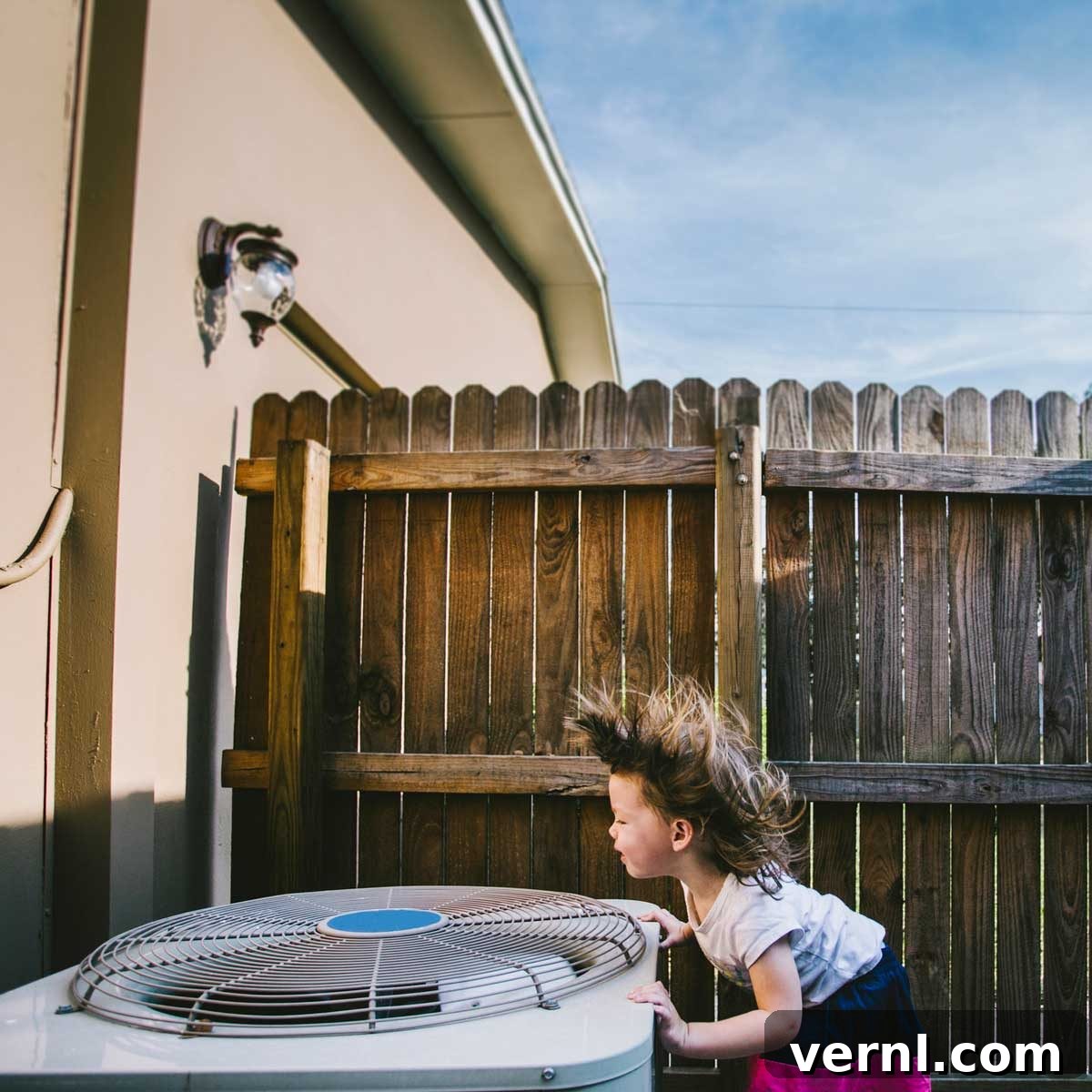
When most people think of residential air conditioning, they envision central air conditioning. This system utilizes a single outdoor condensing unit and an indoor evaporator coil, usually paired with a furnace, to cool and circulate air throughout your entire home via a system of vents and returns. The benefits are clear: consistent temperatures in every room, quiet operation since the main unit is outside, and improved indoor air quality when equipped with proper filtration.
Installing a new central air conditioning system typically involves a significant investment, ranging between $4,000 and $7,000. A substantial portion of this cost, approximately 30 percent, covers professional installation services. While the prospect of saving money by attempting a DIY installation might be tempting, central AC is a complex system involving electrical work, refrigerant handling, and precise ductwork, making it largely unsuitable for most homeowners.
HVAC licensing regulations vary considerably by state, and local building permits are often required. Even if you are permitted to work on your own heating, ventilation, and cooling (HVAC) system, there are specialized skills and certifications needed. For instance, if the installation involves charging the air conditioning unit with refrigerant, you are legally required to possess an EPA 608 certification or hire a professional who does. Furthermore, you must be proficient in handling complex electrical wiring and ventilation requirements, all while adhering strictly to local building codes. Errors in installation can lead to inefficient operation, higher energy bills, voided warranties, or even safety hazards. While some advanced DIYers might possess the necessary skills and certifications, for the vast majority, professional installation ensures safety, compliance, and optimal performance for years to come.
Heat Pumps: Efficient Year-Round Comfort
Heat pumps are an increasingly popular and energy-efficient choice for home climate control, often misunderstood by homeowners. Essentially, a heat pump functions as an air conditioner that can operate in reverse. In cooling mode, it works like a traditional AC, moving heat from your home’s interior to the outside. What makes it unique is its ability to reverse this flow, extracting heat from the outdoor air (even in chilly temperatures) and transferring it indoors to provide efficient heating. This dual functionality makes heat pumps an excellent solution for year-round comfort in many climates.
Installation costs for a heat pump system typically range from $5,000 to $8,000. While a DIY installation could potentially save you up to $3,000 on labor, you would encounter many of the same challenges and requirements as with central air conditioning, including specialized knowledge, refrigerant handling certifications, and adherence to electrical and building codes. Given the sophistication of these systems, professional installation is strongly recommended to ensure efficiency, longevity, and safety.
Geothermal Heat Pumps: Harnessing Earth’s Stable Energy
Geothermal heat pumps represent the pinnacle of energy-efficient heating and cooling, tapping into the Earth’s remarkably stable underground temperatures. Unlike air-source heat pumps that rely on ambient air, geothermal systems use a series of underground pipes—a “loop system”—to exchange heat with the soil beneath your home. In winter, the system absorbs heat from the warmer earth and transfers it inside. In summer, it pulls heat from your home and disperses it into the cooler ground.
Though incredibly environmentally friendly and exceptionally affordable to operate over the long term, the initial installation cost for geothermal systems in existing homes can be substantial. Depending on your property’s layout and soil conditions, installation bills can range from $10,000 to $20,000 or even higher, primarily due to the extensive excavation and drilling required for the ground loop. Geothermal systems are highly sensitive to installation errors, which can severely impact their performance and longevity. Therefore, this is unequivocally a job that should be entrusted solely to experienced professionals who specialize in geothermal technology.
Ductless Air Conditioners: Flexible and Zoned Cooling Solutions
Ductless air conditioning systems offer a flexible and often more energy-efficient alternative to ducted systems, especially for homes without existing ductwork, additions, or for targeted zone cooling. They rely on individual units placed strategically throughout a home, providing localized cooling or heating.
Window Units: Budget-Friendly Spot Cooling
Window air conditioners remain a popular and cost-effective choice for homeowners on a budget or those needing to cool just a few small rooms. As their name suggests, these self-contained units are installed in a window sill, drawing warm air from the room, cooling it, and blowing it back in. The rear of the unit extends outside, directing condensation and hot air away from the home. Find out why your central AC isn’t blowing cold air.
Window units are readily available, with prices ranging from $120 to $500, making them highly accessible. They also offer the convenience of portability, as they can be easily removed and taken with you when you move. However, they come with certain considerations. In apartment buildings or multi-family homes, improper placement can lead to overloaded electrical circuits or dripping water outside, potentially bothering neighbors. Furthermore, for ground-floor installations, a window unit can pose a security risk, as it may be forced inward by burglars to gain access to your residence. Proper installation involves sealing gaps around the unit to prevent air leaks and maintain efficiency.
Portable Units: Versatile Single-Room Comfort
Portable air conditioning units, much like window units, are designed for cooling a single room at a time, offering greater flexibility without the need for window installation in every room. These units are typically equipped with wheels, allowing them to be moved from room to room as needed. They require an exhaust hose to vent hot air out through a window or wall opening and often need to be drained of accumulated water, similar to a dehumidifier, although some models are self-evaporating.
Expect to pay between $300 and $650 for a portable air conditioning unit. While they offer convenience and mobility, it’s important to note that they are generally less efficient than window units or mini-split systems for comparable cooling power, primarily due to inherent design limitations and the heat generated by the compressor being inside the room. For optimal performance, choose a dual-hose model, which draws air from outside for cooling and expels hot air outside, preventing negative pressure issues common with single-hose units.
Mini-Split Systems: Targeted Multi-Zone Climate Control
Mini-split systems have rapidly gained popularity in recent years due to their exceptional energy efficiency, quiet operation, and ability to provide customized heating and cooling for individual zones or rooms. These systems feature an outdoor condenser/compressor unit connected by refrigerant lines and electrical wiring to one or more indoor air-handling units (evaporators) strategically placed throughout the home. Each indoor unit contains a small fan that quietly cools or heats its immediate area, allowing for precise temperature control in different parts of your house.
Expect to pay around $600 to $2,000 per indoor unit, with professional installation costs typically ranging from $1,800 to $4,000 for a multi-zone setup. The total price can increase if the system needs to be connected to existing ductwork, which is sometimes done with ceiling-mounted models for aesthetic reasons. Mini-splits are particularly ideal for additions, converted attics or basements, or older homes that lack ductwork. While some components might seem straightforward, installing refrigerant lines, ensuring proper electrical connections, and vacuuming the lines require specialized tools and expertise. As with other central air solutions, it is essential to check local ordinances and building codes before considering a DIY mini-split installation to avoid potential issues with performance, warranty, and compliance.
Evaporative Coolers (Swamp Coolers): Natural Cooling for Dry Climates
Evaporative coolers, commonly known as “swamp coolers,” operate on a fundamentally different principle than traditional refrigerant-based air conditioning. Instead of removing moisture from the air, they achieve cooling by adding moisture through the process of evaporation. Warm, dry air is drawn into the unit, passed over water-saturated pads, and as the water evaporates, it absorbs heat from the air, creating a sensation of cool dampness. These units actively push this cooled, humidified air into the home, rather than recirculating existing indoor air. For optimal performance, windows should be kept partially open when an evaporative cooler is running to allow for airflow and prevent excessive humidity buildup, making them suitable only for low-humidity, arid climates where the added moisture is beneficial.
Evaporative coolers are significantly cheaper to purchase and operate than traditional air conditioning systems, consuming less electricity. However, they do require regular maintenance, including cleaning or replacing cooling pads and ensuring a continuous supply of water. Portable evaporative cooler units start as low as $100, while whole-house units can range from $1,200 to $2,000. Professional installation for a whole-house unit will likely add $600 to $1,000 to the cost. For a DIYer comfortable with basic electrical work and potentially some duct modifications, installing a whole-house evaporative cooler can be a manageable and rewarding project.
Essential Home Air Conditioner Maintenance
Regardless of the type of air conditioning system you choose, consistent and proper maintenance is paramount to ensure its efficient operation, prolong its lifespan, and maintain healthy indoor air quality. Neglecting maintenance can lead to reduced efficiency, higher energy bills, frequent breakdowns, and costly repairs.
Almost all AC units have filters, whether they are central systems, mini-splits, or window units. These filters trap dust, pollen, pet dander, and other airborne particles, preventing them from circulating throughout your home and accumulating on internal components. Filters should be inspected monthly and changed or washed (depending on type) as needed, typically every 1-3 months, especially during peak usage seasons or if you have pets or allergies.
For systems with outdoor units (central AC, heat pumps, mini-splits), seasonal inspection is crucial. Ensure the outdoor coil is free from debris like leaves, grass clippings, and dirt, which can restrict airflow and hinder heat exchange. Clean the coil gently with a hose if it appears dirty, and trim any vegetation that might impede airflow around the unit. Also, check the condensate drain line for blockages, as a clogged line can lead to water leaks and potential damage.
Specialized air conditioning systems have their own unique maintenance requirements. Evaporative cooling systems, for example, depend on a clean and consistent water source, meaning their water reservoirs, pumps, and cooling pads need regular cleaning and replacement to prevent mineral buildup and mold growth. Geothermal systems, while incredibly durable, are extremely difficult and expensive to repair if there’s an issue with the buried ground loop, though such problems are rare. Regular professional check-ups are highly recommended for all complex systems to identify potential issues early and ensure optimal performance. Prioritize thorough research if you are considering one of these specialized air conditioning systems to understand their specific maintenance needs fully. By adhering to a regular maintenance schedule, you can enjoy reliable, efficient, and clean cooling for years to come.