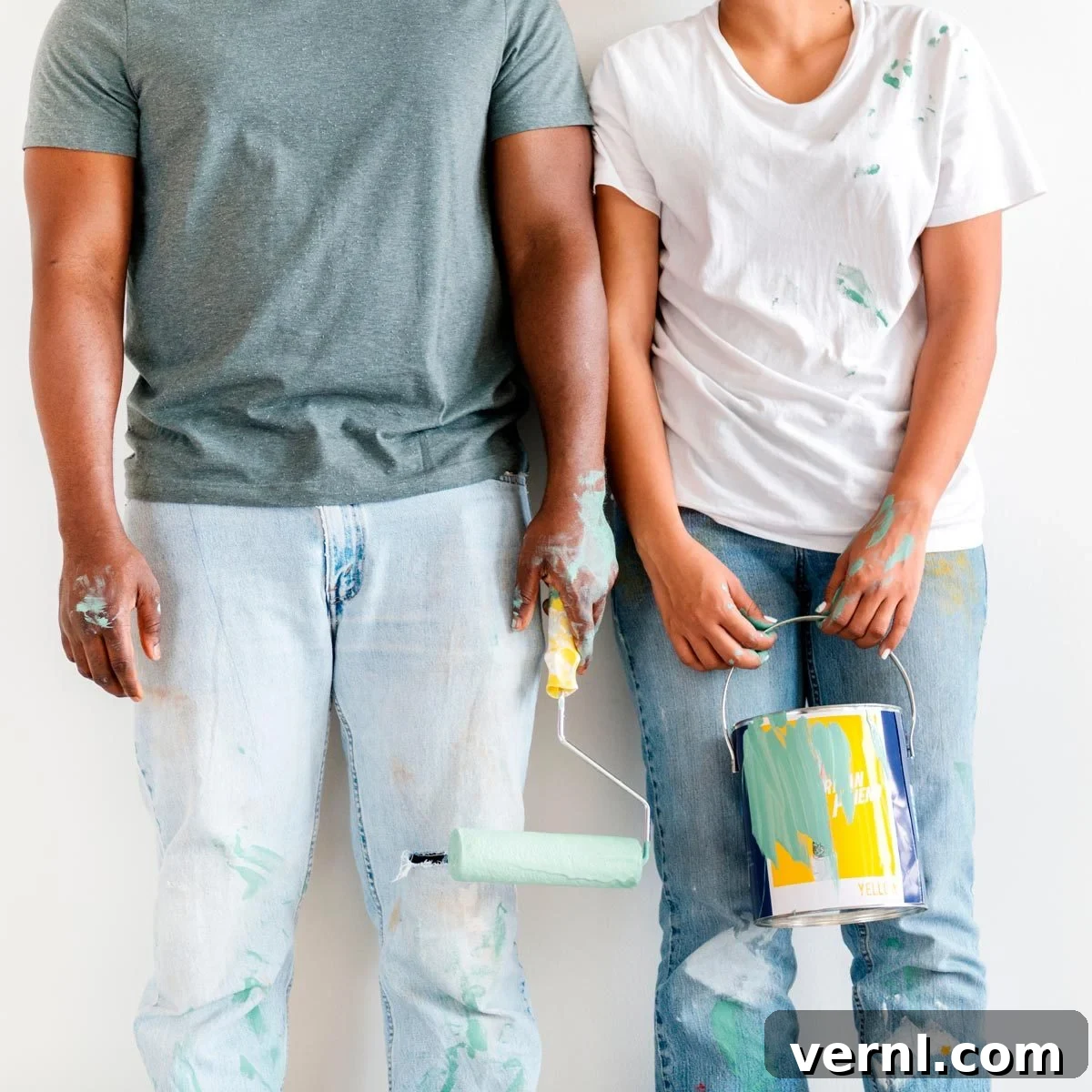
There’s nothing quite like the satisfaction of a freshly painted room. The vibrant new color, the updated feel – it’s an instant transformation for any space in your home. However, this rewarding experience often comes with an unwelcome side effect: paint splatters on your favorite clothes. No matter how meticulous you are, drips and spills seem almost inevitable when tackling a painting project. Before you despair and relegate that beloved shirt or pair of jeans to the rag pile, know that a paint accident doesn’t have to be permanent. With the right approach and a bit of quick action, you can often successfully remove even stubborn paint stains from various fabrics.
This comprehensive guide will walk you through effective strategies for tackling different types of paint and restoring your garments. We’ll cover everything from fresh splatters to dried, set-in stains, ensuring you have the knowledge to save your wardrobe from accidental artistry. Oh, and if you’ve managed to get paint on other surfaces too, we can help with that; for instance, here’s how to remove paint from wood.
Expert Guide: How to Effectively Remove Paint from Clothes
Paint stains on clothing can be frustrating, but they are often treatable with the correct method. The key to successful paint removal lies in two critical factors: identifying the type of paint and acting quickly. Different paint formulations require different solvents and removal techniques, and delaying treatment can allow the paint to bond more firmly with the fabric fibers, making it significantly harder to extract. This detailed guide will cover water-based, oil-based, and even dried paint removal techniques, equipping you with the knowledge to restore your garments and protect your wardrobe from accidental artistry.
Understanding Paint Types: Why It Matters for Stain Removal
Before attempting any removal method, it’s crucial to identify the type of paint that has stained your clothing. Most household paints fall into two main categories: water-based (such as latex and acrylic) and oil-based (like alkyd or enamel). The solvent used to clean fresh paint from your brushes is usually a good indicator. If plain water cleans your brushes effectively, the paint is most likely water-based. If you need mineral spirits, turpentine, or a specialized paint thinner to clean your tools, then you’re dealing with oil-based paint. This distinction is vital because using the wrong method can not only be ineffective but can also set the stain permanently, making it impossible to remove later.
How to Remove Water-Based Paint from Clothing (Latex, Acrylic, Tempera, Finger Paints)
Water-based paints are generally the easiest type to remove from clothing, especially if you catch the stain while it’s still wet. This category includes common interior and exterior latex paints, acrylic craft paints, tempera paints, and children’s washable finger paints. Since water is the primary solvent for these paints, the removal process is relatively straightforward, but quick action is still essential for the best results.
- Act Immediately & Gently Scrape Off Excess Paint: The moment you notice the paint splatter, grab a dull knife, a spoon, or even the edge of an old credit card. Carefully and gently scrape off any wet, excess paint from the surface of the fabric. Be very cautious not to spread the stain further or push the paint deeper into the fabric fibers, which can make removal more difficult.
- Rinse Under Warm, Running Water: Turn the stained garment inside out. Position the affected area directly under a strong stream of warm, running water from your faucet. The pressure of the water helps to flush the paint out of the fabric from the back, working it away from the fibers. Continue rinsing until no more paint appears to be coming out. It’s important to avoid hot water at this stage, as excessive heat can sometimes begin to set certain pigments in the fabric.
- Spot Treat with Liquid Detergent: Apply a small amount of liquid dish soap (known for its grease-cutting power) or liquid laundry detergent directly onto the remaining stain. Using a soft-bristled brush (an old toothbrush works exceptionally well) or your fingertips, gently but firmly work the detergent into the fabric. Rub the area in small, circular motions. The detergent helps to break down the acrylic binders commonly found in water-based paints.
- Thoroughly Launder the Garment: Place the item into your washing machine. Wash it as you normally would, strictly adhering to the fabric care label instructions. Use your regular laundry detergent and the warmest water setting that is appropriate and safe for the specific fabric type.
- Inspect Before Drying: After the wash cycle is complete, meticulously inspect the garment for any lingering paint residue. This step is absolutely critical: if any trace of the paint stain remains, under no circumstances should you put the item in the dryer. The high heat from a clothes dryer will permanently set the stain into the fabric, making it virtually impossible to remove later.
- Repeat if Necessary: Should the stain persist after the first wash and inspection, do not despair. Simply repeat steps 2 through 5. You might also consider allowing the detergent to soak on the stain for 30 minutes to an hour before re-washing to give it more time to break down the paint. Persistence and patience are often key for successfully removing stubborn water-based stains.
Pro Tip for Water-Based Paint: For particularly stubborn or slightly dried acrylic paint on durable fabrics, a small amount of rubbing alcohol or even a dab of hand sanitizer (which contains alcohol) can be used as a pre-treatment before washing. Always test any new product on an inconspicuous area of the garment first to ensure it doesn’t cause discoloration or damage.
How to Remove Oil-Based Paint from Clothing (Alkyd, Enamel, Some Art Paints)
Removing oil-based paint, such as alkyd or enamel house paints and certain art paints, is significantly more challenging than tackling water-based varieties. This is especially true once the paint has dried and cured. The cardinal rule for oil-based paint is to never use water initially, as water will only spread the paint and make the stain much harder, if not impossible, to remove. Instead, you’ll need to rely on a specific solvent designed for oil-based paints.
- Scrape Off Excess Paint Immediately: As with water-based paints, the first step is to carefully remove as much wet paint as possible. Use a dull knife, spoon, or a stiff brush to gently scrape the paint from the fabric surface. Work delicately to avoid damaging the fabric fibers or pushing the paint further into the weave.
- Prepare with an Appropriate Solvent (Paint Thinner or Mineral Spirits): This is the most crucial step for oil-based paints. Moisten a clean, white cloth or rag with a small amount of paint thinner, mineral spirits, or turpentine. These solvents are specifically formulated to break down the oils and binders in oil-based paints. Never pour the solvent directly onto the fabric, as this can over-saturate the area and spread the stain.
- Blot the Stain Methodically: Lay the stained garment face down on a stack of clean paper towels or a thick, clean rag. Working from the outside edge of the stain inward, gently blot the stained area with the solvent-moistened cloth. Avoid rubbing vigorously, as this can push the paint deeper into the fabric and damage the fibers. As the paint transfers from the garment to your blotting cloth, continuously move to a clean section of the rag to prevent re-depositing paint back onto the clothing.
- Continue Blotting Until Paint is Gone: Be patient and persistent. You may need to use several clean rags and replenish the solvent as you work. Continue the blotting process until the paint appears to be completely removed from the fabric. Ensure you have excellent ventilation in the area while using these strong solvents, as their fumes can be harmful.
- Rinse and Apply Detergent: Once all visible paint is gone, thoroughly rinse the treated area under warm running water. Then, apply a generous amount of heavy-duty liquid dish soap (again, its grease-cutting properties are beneficial here) or a strong liquid laundry detergent directly to the area. Gently work the detergent into the fabric with your fingers or a soft brush.
- Launder with Caution: Wash the garment separately in your washing machine using the hottest water temperature that is safe for the fabric type. Use your strongest laundry detergent. Adding a cup of white vinegar to the wash cycle can also sometimes aid in odor removal and further stain breakdown.
- Inspect and Repeat: After washing, carefully check the garment for any remaining paint residue. If the stain persists, do not machine dry. Repeat the solvent treatment and washing process. For very stubborn or extensively dried oil-based paint stains, professional dry cleaning may be your best and safest option. Inform the dry cleaner about the type of paint that caused the stain.
Safety Precautions with Solvents: Always work in a well-ventilated area when using paint thinners, mineral spirits, or turpentine. Wear protective gloves to shield your skin from irritation and avoid inhaling the fumes. Keep all solvents away from open flames, heat sources, and electrical appliances, as they are often highly flammable. Before applying any solvent to the garment, always test it on an inconspicuous area (like an inside seam) to ensure it doesn’t cause discoloration, bleaching, or damage to the fabric.
How to Remove Dried Paint From Clothes (Tackling Set-In Stains)
Dried paint stains present a significantly greater challenge than fresh ones, but they are not always impossible to remove. Success in tackling dried paint largely depends on whether the original paint was water-based or oil-based, and the type of fabric involved. Patience and a multi-step approach are key.
Removing Dried Water-Based Paint (Latex, Acrylic)
For dried latex or acrylic paint, the primary goal is to re-soften and break down the hardened paint polymers so they can be dislodged and washed away.
- Scrape & Flex: Begin by carefully scraping away as much dried, brittle paint as possible using a spoon, a dull knife, or a stiff brush. For larger, thicker spots, gently flexing the fabric (if it’s durable enough) can help to crack the dried paint, making it easier to chip off.
- Soak in Hot Water: Fill a basin or sink with hot water. Submerge the stained area of the garment and allow it to soak for several minutes. This step helps to rehydrate and slightly soften the dried paint, making it more receptive to further treatment.
- Apply Alcohol or Acetone (with caution): For stubborn dried latex or acrylic, dampen a cotton ball or a clean cloth with rubbing alcohol (isopropyl alcohol). Alternatively, very carefully apply non-acetone nail polish remover (which contains ethyl acetate, another effective solvent). It is crucial to test acetone on an inconspicuous area first, especially on synthetic fabrics like rayon, acetate, or modacrylic, as it can dissolve or severely damage them. Gently blot and dab the stained area, working from the outside of the stain inward. The alcohol or solvent helps to break down the dried acrylic polymers and lift the paint.
- Scrub with Detergent Mixture: Once the paint has begun to soften and loosen, apply a mixture of half liquid laundry detergent and half warm water directly onto the stain. Use a stiff brush or an old toothbrush to vigorously scrub the stain, using circular motions. You should see more paint flakes come off.
- Rinse and Wash: Rinse the treated area thoroughly under running water to remove loose paint particles and cleaning agents. Then, launder the entire garment as you normally would, using the hottest water temperature appropriate for the fabric. Inspect before drying and repeat the process if any paint remains.
Removing Dried Oil-Based Paint (Alkyd, Enamel)
Dried oil-based paint is often the toughest challenge. It typically requires stronger solvents and a more aggressive, yet careful, approach.
- Thoroughly Scrape: Use a dull knife or spoon to meticulously scrape off as much loose, dried oil paint as possible from the fabric surface. The more you can remove mechanically, the better.
- Apply Paint Thinner/Mineral Spirits with Blotting: Lay the stained area face down on a thick stack of clean paper towels or an absorbent rag. Moisten another clean rag with paint thinner, mineral spirits, or turpentine. Blot the back of the stain with the solvent-soaked rag, allowing the paint to transfer from the garment to the paper towels below. Continuously move to fresh sections of paper towel and clean areas of your blotting rag to avoid re-depositing paint. This process can be time-consuming and may require multiple applications and changes of absorbent material.
- Consider Specialized Paint Removers (with extreme caution): For very stubborn, extensively dried oil paint, you might consider commercial paint removers (such as “Goo Gone” for some types, or specific paint strippers for tougher cases). However, these products are very harsh and carry a significant risk of damaging or discoloring fabrics. Use them with extreme caution, only on highly durable fabrics, and always, always test on a hidden spot first. Follow product instructions meticulously.
- Wash Aggressively: Once the majority of the paint appears to be gone, pre-treat the area with a heavy-duty liquid laundry detergent. Allow it to sit for 15-30 minutes. Then, wash the garment separately in the hottest water temperature safe for the fabric, using a strong detergent.
- Professional Help: For valuable garments, delicate fabrics, or particularly difficult dried oil-based stains that you can’t remove yourself, a professional dry cleaner specializing in stain removal may be your best bet. Be sure to inform them about the type of paint that caused the stain.
Home Remedies and Alternative Methods to Remove Paint from Clothes
If you’ve successfully tackled the main paint blob but are left with a lingering shadow of a stain, don’t throw in the towel just yet! Several common household items can act as effective solvents for residual paint. Always remember this crucial step: test any home remedy on an inconspicuous area of the garment first (like an inside seam) to ensure it won’t damage, bleach, or discolor the fabric.
- Rubbing Alcohol (Isopropyl Alcohol): This is a powerful and readily available solvent for many types of paint, especially dried acrylics and latex.
- Flip the clothing inside out so the stain is on the underside of the fabric.
- Generously saturate the stained area with rubbing alcohol.
- Using an old toothbrush or a stiff-bristled brush, gently but firmly work the alcohol into the fibers of the clothes. You should observe the paint beginning to lift and break down.
- Keep scrubbing and rinsing the brush as you work, adding more alcohol if needed, until the paint residue is gone.
- Once the stain is lifted, rinse the area thoroughly under running water and then launder the garment as usual in your washing machine.
- Hairspray: Many hairsprays contain alcohol as a key ingredient, which can act as a mild solvent for fresh or recently dried paint, especially on smaller stains.
- Spray a generous amount of hairspray directly onto the paint stain, ensuring it’s thoroughly saturated.
- Allow it to sit for a few minutes (3-5) to give the alcohol time to penetrate and begin to break down the paint.
- Using a clean cloth or an old toothbrush, scrub the stain gently but firmly. You should see the paint start to loosen and transfer.
- Rinse the treated area and repeat the process if necessary, then wash the garment normally according to its care label.
- Nail Polish Remover (Acetone): Acetone is a very strong solvent and can be highly effective on many paint types, particularly for dried stains.
- Critical Warning: Acetone can cause severe damage or even dissolve certain synthetic fabrics, including acetate, rayon, and modacrylic. Always perform a patch test on an inconspicuous area first. Do NOT use acetone on these delicate fabrics if it causes any adverse reaction.
- If safe for your fabric, dab a small amount of non-acetone nail polish remover onto the stain with a clean cloth or cotton ball.
- Gently blot the stain, allowing the acetone to break down the paint. Avoid rubbing aggressively.
- As paint transfers to your cloth, move to clean sections to avoid re-depositing the pigment.
- Once the paint is removed, rinse the area well under running water and wash the garment as usual.
- White Vinegar: For some fresh or lightly dried water-based paints, plain white vinegar can sometimes offer a milder, natural alternative.
- Soak the stained area of the fabric in undiluted white vinegar for 10-15 minutes.
- After soaking, scrub the stain with an old toothbrush.
- Rinse the garment thoroughly and then wash it as normal. This method is generally less potent than alcohol or acetone but can be effective for minor stains.
- Hand Sanitizer: Similar to rubbing alcohol, hand sanitizers with a high alcohol content can be dabbed onto fresh paint stains. Allow it to sit for a moment, then blot away the loosened paint before washing.
- Vegetable Oil / Butter (for fresh oil paint): This is an old trick for very fresh oil paint stains. Sometimes, rubbing a small amount of vegetable oil, olive oil, or even butter directly into the stain can help to loosen and emulsify the oil paint. This must be followed immediately with a strong liquid dish soap application to cut through the oil, and then a thorough wash. This method requires quick follow-up to prevent new oil stains.
Remember, the effectiveness of these home remedies often depends on several factors: the specific type of paint, the fabric composition of your garment, and, most importantly, how long the paint has been on the clothes. And on a related note, if you ever find yourself battling other common clothing mishaps, you might also want to learn how to remove ink stains.
Preventing Paint Stains in the Future: Smart Strategies for a Clean Project
While mastering paint removal techniques is incredibly useful, preventing stains altogether is even better! A little foresight and preparation can save you a significant amount of headache, time, and effort in the laundry room. Here are some smart strategies to keep your clothes paint-free during your next DIY project:
- Wear Dedicated “Painting Clothes”: This is arguably the most crucial and simplest tip. Designate a specific set of old clothes – an old t-shirt, worn-out jeans, or overalls – solely for painting tasks. These are garments you truly don’t mind getting splattered. If you regularly engage in home improvement, it’s wise to keep this one set of clothes as part of your permanent painting gear.
- Cover Up Thoroughly with Protective Gear: Don’t just rely on old clothes; add extra layers of protection.
- Hats or Bandanas: Essential for protecting your hair and scalp from accidental drips and splatters.
- Gloves: Disposable or reusable gloves prevent paint from getting on your hands, which can then inadvertently transfer to clothes, door handles, or other surfaces.
- Protective Eyewear: Not just for paint prevention, but essential for safety to keep paint out of your eyes.
- Full Overalls or Tyvek Suits: For larger, messier painting jobs or when working with spray paint, these offer comprehensive head-to-toe protection for your entire outfit.
- Protect Your Workspace Meticulously: Before you even open a paint can, use drop cloths, old newspapers, or specialized plastic sheeting to completely cover floors, furniture, and any items you don’t want to get paint on. This not only protects your belongings but also minimizes the chances of you brushing against a freshly painted surface or accidentally stepping in a puddle of paint.
- Employ Mindful Painting Techniques: Thoughtful application can drastically reduce spills and drips.
- Don’t Overload Brushes/Rollers: Dip only the bottom third of your brush into the paint, and don’t saturate rollers too much. This simple practice significantly minimizes drips and splatters.
- Wipe Excess: Always wipe excess paint off your brush against the inside edge of the paint can or use the grid on your roller tray to remove excess paint from the roller.
- Work Methodically and Steadily: Avoid rushing your painting. Take your time, especially around edges, trim, and tight corners, where drips are most common.
- Keep Lids On Cans: When taking a break, moving cans, or finishing for the day, always secure the lids tightly on paint cans to prevent accidental spills and keep the paint fresh.
- Maintain Immediate Cleanup Readiness: Have a bucket of warm, soapy water (for water-based paints) or a rag moistened with paint thinner (for oil-based paints) along with plenty of clean cloths or paper towels readily available in your workspace. If a splatter or drip occurs, address it immediately before it has a chance to dry and set into the fabric or surface.
- Store Paint Properly: Once your project is complete, securely close paint cans and store them upright in a cool, dry place. This prevents leaks and ensures they’re ready for your next project without any messy surprises.
By adopting these preventative measures, you can significantly reduce the likelihood of paint ending up where it doesn’t belong, allowing you to focus your energy on enjoying the beautiful transformation of your home rather than battling stubborn stains.
Conclusion: Saving Your Clothes and Your Sanity from Paint Stains
Accidental paint splatters on clothing are an almost inevitable occurrence during any home improvement or DIY project. While they can seem daunting at first, remembering a few key principles can turn a potential disaster into a minor, easily manageable setback. The most important takeaways are to act quickly, accurately identify the type of paint involved (water-based versus oil-based), and choose the appropriate removal method specific to that paint type. Whether it’s a fresh splash of latex or a stubborn, dried oil stain, patience, the right products, and the correct technique are your best allies.
From gentle scraping and water flushes for fresh water-based paints to the more rigorous application of specialized solvents for oil-based varieties, and ingenious home remedies for lingering marks, you are now equipped with a comprehensive arsenal of techniques. Moreover, by implementing smart preventative measures – such as wearing dedicated painting clothes, protecting your workspace, and employing careful painting techniques – you can significantly minimize future mishaps and keep your garments pristine.
So, the next time you embark on a painting adventure, do so with confidence. You’re not just armed with a brush and a can of paint, but also with the valuable knowledge to tackle any stray drips or splatters, ensuring your clothes remain as pristine as your newly painted walls. Happy painting!