
Ford Issues Triple Recall: Critical Safety Updates for Owners
In a recent announcement that underscores the ongoing commitment to automotive safety, the National Highway Traffic Traffic Safety Administration (NHTSA) has detailed a significant triple recall impacting various Ford vehicle models and accessories. This series of recalls addresses distinct safety concerns, ranging from potential fire hazards in engine block heaters to issues with airbag deployment and unintended acceleration in performance kits. Ford owners are strongly advised to exercise vigilance and take proactive steps to confirm the safety of their vehicles, ensuring they are not affected by these critical defects. Understanding the specifics of each recall, the potential risks involved, and the necessary actions to take is paramount for maintaining driver and passenger safety.
Vehicle recalls are a fundamental aspect of consumer protection within the automotive industry. They serve as a crucial mechanism for manufacturers to address and rectify defects that could pose significant safety risks to drivers, passengers, and other road users. When a recall is issued, it means a manufacturer has identified a flaw in a vehicle or component that either fails to meet federal safety standards or presents an unreasonable risk of injury or death. The NHTSA plays a vital role in overseeing these recalls, ensuring that manufacturers act responsibly and transparently to inform the public and provide effective remedies. This latest set of Ford recalls highlights the diverse nature of potential defects, from factory-installed components to aftermarket accessories, emphasizing the need for owners to stay informed about all aspects of their vehicle’s safety profile.
Essential Safety Alert: Ford Engine Block Heater Recall
The first item on the recall agenda focuses on an important automotive accessory designed to aid cold-weather starts: specific engine block heaters. While these components are typically installed to improve engine performance in frigid conditions, a defect has prompted an urgent recall due to a significant safety risk.
Understanding the Fire Risk Associated with Faulty Ford Block Heaters
The primary concern underpinning this Ford recall is a severe fire hazard. According to the NHTSA brief, the affected block heaters “may overheat when the vehicle is parked with the block heater plugged in.” This overheating can lead to a dangerous situation, as “an overheated engine block heater increases the risk of fire.” For owners who frequently use their block heaters, especially in colder climates, this presents an immediate and serious threat. A vehicle fire, even when parked, can result in extensive property damage, severe injuries, or even fatalities. Therefore, it is absolutely crucial for owners of potentially affected vehicles to immediately cease using their engine block heaters until they can confirm their safety status.
Engine block heaters work by warming the engine’s coolant or oil, making it easier for the engine to start in cold temperatures and reducing wear. They are typically plugged into an external power source. The defect here suggests an internal electrical or thermal regulation issue within the heater unit itself, leading to runaway heating when continuously powered. This underscores the importance of proper design and manufacturing, even for auxiliary vehicle components.
Identifying the Faulty Block Heaters: What Owners Need to Know
Ford has specified the exact details of the affected units to help owners identify if their vehicle is at risk. The faulty block heaters are identified by “part number JL3T-6A051-AB.” These specific heaters “were sold as accessories for certain 2023-2026 Ford vehicles equipped with a 1.5L or 2.0L Modular Power Cylinder (MPC) engine.” This broad range of model years and engine types means a significant number of vehicles could potentially be impacted, urging a widespread check among owners.
If you are uncertain whether your vehicle’s block heater is one of the recalled units, Ford has initiated a communication plan. Owners should monitor their mailboxes for official correspondence. Interim letters have already been dispatched, explaining the problem in detail. Ford anticipates sending out subsequent letters by February 2026, which will provide comprehensive instructions for the repair and resolution process. In the meantime, the safest course of action is to disconnect and discontinue use of the block heater.
Resolution and Owner Actions for the Block Heater Recall
Ford is committed to resolving this safety issue promptly and effectively. The company has announced that “dealers will replace the block heater element and inspect the electrical cord, replacing it if necessary, free of charge.” This means that owners will not incur any costs for the inspection or replacement of the defective component, reaffirming the manufacturer’s responsibility for safety defects. The repair process is designed to be straightforward, ensuring that affected vehicles can quickly and safely return to their owners.
For any further questions or immediate concerns, Ford customer service representatives are available to assist at 1-866-436-7332. When contacting Ford, referencing the company’s recall number, 25SA6, or the NHTSA recall number, 25E066000, will help streamline the inquiry process. This information is vital for owners seeking clarification or wishing to schedule a service appointment.
Critical Occupant Protection: The Ford Ranger Airbag Recall
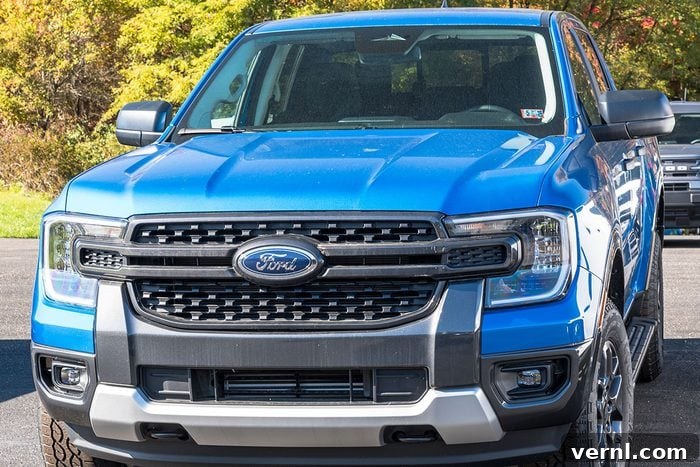
The second major recall in this series targets a fundamental safety system in certain Ford Ranger trucks: the passenger airbag. Airbags are indispensable safety features, designed to provide critical protection to vehicle occupants during a collision. A defect impacting their proper deployment is a serious concern that could have life-altering consequences in the event of an accident.
Why Ford Rangers Are Being Recalled: A Failure in Occupant Crash Protection
The core of this recall lies in a non-compliance with a crucial federal safety standard. According to the NHTSA, the affected Rangers “fail to comply with the requirements of Federal Motor Vehicle Safety Standard number 208, ‘Occupant Crash Protection.'” This standard sets stringent requirements for vehicle crashworthiness and occupant protection systems, including airbags. The specific issue identified is that “the instrument panel top cover may prevent the passenger air bag from deploying as intended.”
In a collision, a properly functioning airbag deploys within milliseconds, creating a cushion that mitigates the impact force on an occupant. If the instrument panel obstructs this deployment, the airbag may not fully inflate, may inflate incorrectly, or may not deploy at all. This significantly compromises the protection offered to the front passenger, leading to a drastically increased risk of severe injuries, including head trauma, facial injuries, and chest injuries, which could otherwise be prevented or reduced by a fully functional airbag. The NHTSA’s warning is unequivocal: “an airbag that does not deploy as intended increases the risk of injury in a crash.”
Affected Vehicles: Identifying Defective Ford Rangers
This particular recall specifically targets 2025 Ranger vehicles. It is imperative for owners of this model year to verify if their truck is included in the recall. The most reliable way to confirm this is by searching your Vehicle Identification Number (VIN) on the NHTSA website. The VIN is a unique 17-character code found on your vehicle’s dashboard (visible through the windshield) and on your driver’s side door jamb.
Ford plans to notify affected owners through mail. A first round of letters explaining the problem is scheduled to be sent out in late October 2025. A subsequent round of letters will follow once the definitive repair solution has been fully solidified and is ready for implementation at dealerships. It is crucial for owners to not wait for these letters if they suspect their vehicle might be affected, and instead, proactively check their VIN.
The Fix for the Ford Ranger Airbag Issue
To rectify this critical safety defect, Ford has outlined a clear repair strategy. “Dealers will replace the instrument panel assembly, free of charge,” ensuring that owners are not burdened with the cost of a manufacturer’s defect. This comprehensive replacement of the instrument panel is necessary to guarantee that the passenger airbag can deploy without obstruction, thereby restoring the vehicle’s full occupant crash protection capabilities.
For any questions regarding this recall, owners can reach Ford customer service at 1-866-436-7332. When making an inquiry, referencing Ford’s recall number 25C54, or the NHTSA recall number 25V678000, will facilitate a quicker and more accurate response. Addressing this recall promptly is essential for ensuring the safety of all occupants in your Ford Ranger.
Performance with Caution: Mustang Aftermarket Kit Recall
The third and final recall addresses an aftermarket accessory kit specifically designed for certain Mustang models, highlighting that safety concerns can extend beyond factory-installed components to modifications. This recall focuses on performance-enhancing equipment that, while intended to boost power, carries a severe safety risk.
Understanding the Dangers of Recalled Mustang Aftermarket Kits
This recall concerns an aftermarket supercharger kit. Superchargers are devices that force more air into an engine’s cylinders, significantly increasing its power output. However, according to the NHTSA brief, in vehicles equipped with this kit, “the powertrain control module (PCM) may experience a software error and disable functional safety features.” The PCM is the ‘brain’ of the engine, controlling various aspects of its operation, including acceleration. When these safety features are disabled due to a software glitch, it can lead to highly dangerous scenarios.
Specifically, “deactivated safety features can fail to prevent unintended acceleration or unintended vehicle movement.” This means that the vehicle could unexpectedly speed up without the driver’s input, or move when it’s not supposed to. Unintended acceleration is an extremely perilous condition that can lead to a loss of vehicle control, severe collisions, and potentially fatal outcomes. As the NHTSA warns, “unintended acceleration increases the risk of a crash.” This issue is particularly alarming in high-performance vehicles like the Mustang, where even small unexpected power surges can have amplified consequences.
Identifying Affected Mustang Models and Aftermarket Kits
This recall specifically affects “Ford Mustang superchargers with part number M-6066-M8800, that were sold as aftermarket accessory kits for 2024-2025 Mustang vehicles.” It’s crucial for owners who have installed such a kit to verify if their specific part number matches the recalled unit. While this is an aftermarket kit, it’s possible it was purchased and installed through Ford dealerships or authorized service centers, making it important for owners to consult their purchase records.
Ford will communicate directly with affected owners. Initial letters detailing the problem are expected to be sent out in October 2025. A follow-up round of letters, ideally also in October 2025, will be sent once the final remedy has been developed and approved. Owners should check their mailboxes diligently and, if they have this kit installed, consider immediate precautions, such as avoiding aggressive driving or, if possible, temporarily disabling the supercharger until the fix is applied.
Rectifying the Mustang Aftermarket Kit Defect
The proposed solution for this recall involves a software update. “Dealers will update the Powertrain Control Module (PCM) software, free of charge,” as stated by the NHTSA brief. This software update is designed to correct the error in the PCM that causes the disabling of safety features, thereby preventing unintended acceleration. Since it’s a software issue, the remedy can often be applied relatively quickly at a dealership.
For any questions or concerns regarding this specific recall, Ford customer service is available at 1-866-436-7332. Owners should reference Ford’s recall number 25SA7 or the NHTSA recall number 25E068000 when making inquiries. Prompt attention to this software update is vital for the safe operation of any Mustang equipped with this supercharger kit.
What All Ford Owners Should Do: Proactive Steps for Vehicle Safety
In light of these multiple recalls, it’s a good opportunity for all Ford owners, and indeed all vehicle owners, to review best practices for staying informed and acting on recall notices. Vehicle recalls are not uncommon, and while they can be concerning, they are also a testament to the safety systems in place that identify and address potential issues.
- Check Your VIN Regularly: The most immediate and accurate way to determine if your specific vehicle is affected by *any* recall, not just these Ford ones, is to use your VIN. The NHTSA website (www.nhtsa.gov) offers a free VIN lookup tool that will show all open recalls for your vehicle. It is advisable to check this periodically.
- Update Your Contact Information: Ensure that your vehicle manufacturer and dealership have your most current mailing address and email. This will ensure you receive official recall notices in a timely manner.
- Act Promptly: Do not delay in addressing a recall. Even if a defect seems minor, it could escalate or lead to a dangerous situation. Recalls are always repaired free of charge by authorized dealerships.
- Understand the Risks: Take the time to read and understand the potential dangers outlined in recall notices. This knowledge will help you make informed decisions about using your vehicle until the repair is completed.
- Contact Customer Service: If you have any doubts, questions, or concerns, do not hesitate to contact the manufacturer’s customer service line. They are equipped to provide detailed information and guidance.
- Document Everything: Keep records of all correspondence, service appointments, and repairs related to recalls. This can be helpful for future reference or if any issues arise later.
The automotive industry is constantly evolving, with new technologies and complex systems. While manufacturers strive for perfection, defects can sometimes occur. The recall system is designed to catch these issues and ensure that consumers can drive with confidence, knowing that safety is a top priority. By being proactive and informed, owners play a critical role in this ongoing commitment to road safety.
Conclusion: Prioritizing Safety in the Automotive Landscape
The recent triple Ford recall serves as a vital reminder of the continuous efforts required to maintain automotive safety standards. From potential fire risks associated with engine block heaters to critical defects in passenger airbag deployment in the Ranger and software errors leading to unintended acceleration in Mustang aftermarket kits, each recall highlights distinct yet equally serious threats to vehicle occupants. Ford’s prompt action, in collaboration with the NHTSA, to identify and address these issues underscores the industry’s commitment to consumer protection.
For affected Ford owners, the message is clear: vigilance and prompt action are paramount. Utilize the provided resources, such as VIN lookups and customer service contacts, to determine if your vehicle or its accessories are impacted. Remember that all recall repairs are performed free of charge, eliminating any financial barrier to ensuring your safety. By staying informed and acting decisively, Ford owners can help mitigate potential risks and continue to enjoy the confidence and reliability associated with their vehicles, reinforcing the fundamental principle that safety always comes first on our roads.
Sources
Block Heater May Overheat and Cause Fire, National Highway Traffic Safety Administration, 2025.
Passenger Airbag May Deploy Improperly/FMVSS 208, National Highway Traffic Safety Administration, 2025.
Unintended Acceleration May Occur Due to Disabled Safety Features, National Highway Traffic Safety Administration, 2025.