
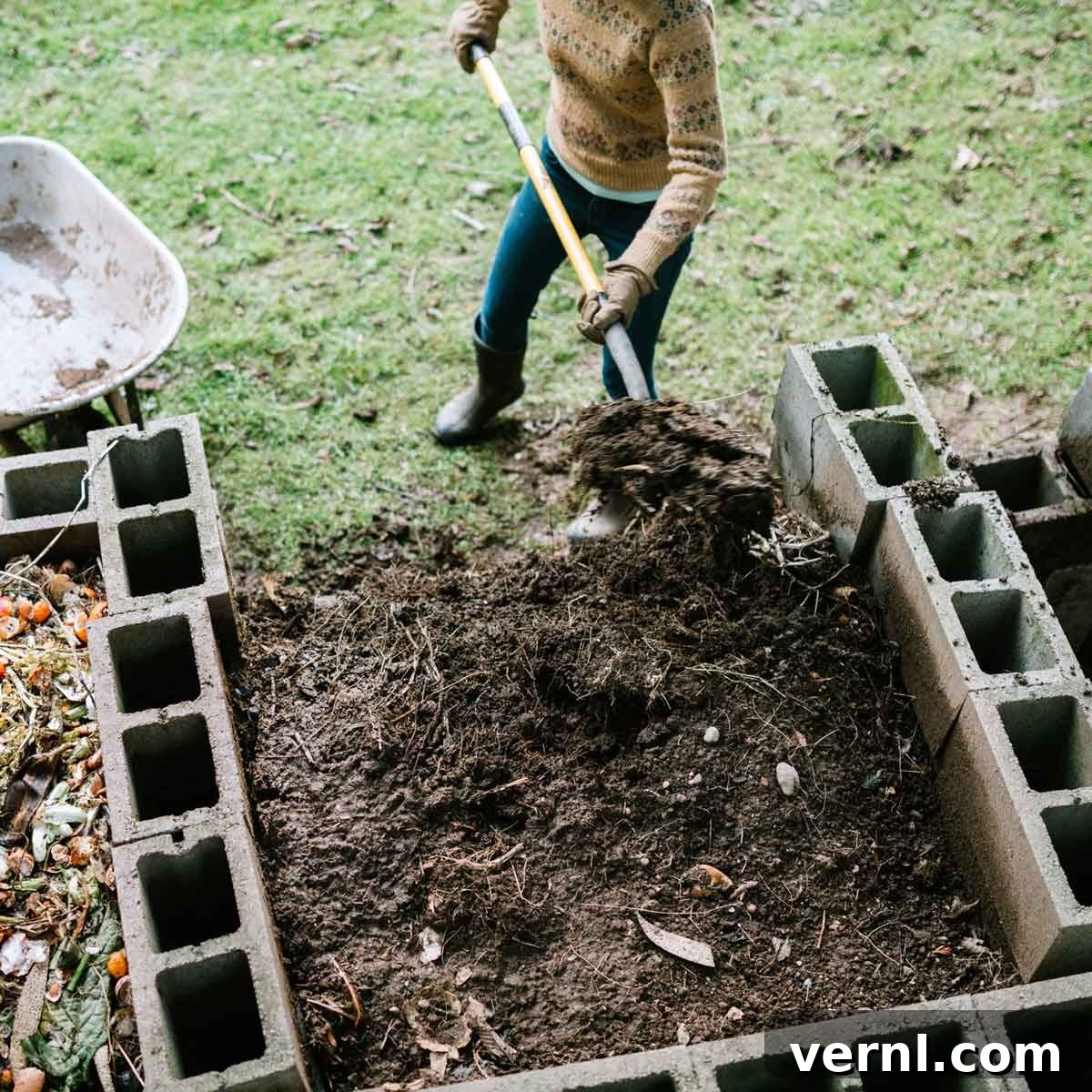
Embarking on the journey of growing your own food is a rewarding experience, often starting with fundamental questions about nurturing your plants. Early in my gardening endeavors, I found myself amidst towering stacks of colorful bags of soil and compost at a local nursery. This visual feast sparked a crucial inquiry: what material would truly provide my burgeoning garden plants with the best foundation for thriving? It was then that my gaze fell upon bags labeled “composted manure,” a concept I had barely considered.
The idea of using manure in my garden initially brought a flurry of questions to mind. Was it truly safe? Would my garden emit an unpleasant odor? And perhaps most pressingly, would those bags contain discernible pieces of animal waste? Through diligent research and practical experience, I eventually uncovered the reassuring answers: yes, it is safe; no, it won’t smell; and no, you won’t find identifiable animal droppings. Composted manure, I learned, is an incredibly potent and natural solution for delivering essential nutrition to fruits and vegetables, offering a sustainable alternative to synthetic fertilizers. It’s a cornerstone of organic gardening, transforming ordinary soil into a vibrant ecosystem where plants flourish.
What Is Composted Manure and Why Is It a Gardening Essential?
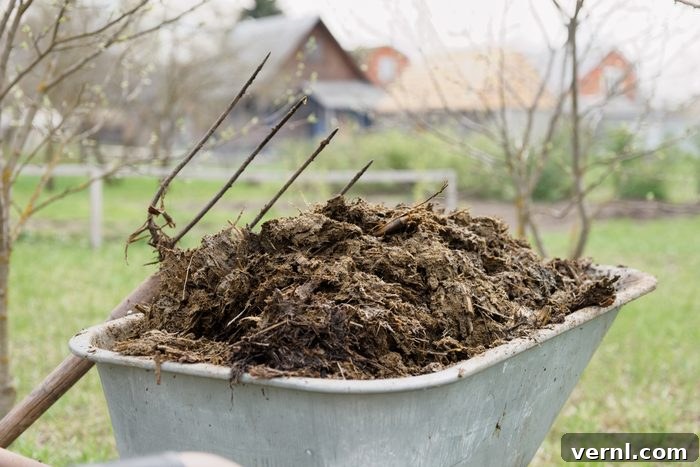
Composted manure is, at its heart, animal waste that has undergone a controlled decomposition process. This transformation renders it into a rich, dark, and crumbly substance that serves as an exceptional soil amendment. Unlike fresh manure, which can harm plants due to its high nitrogen content and potential pathogens, composted manure is stable, safe, and remarkably beneficial. The composting process effectively neutralizes strong odors and eliminates harmful bacteria and weed seeds, making it an ideal additive for any garden.
While some products may be solely composed of manure, many commercial and homemade composted manure mixes include other organic materials such as straw, wood chips, or sawdust. These additional components contribute to a balanced carbon-to-nitrogen ratio, crucial for effective decomposition and a finished product that offers a broader spectrum of benefits. As Barbara Shea, a master gardener with Tertill, emphasizes, “Either way, manure is high in organic matter and nutrients that are essential to plant growth.” It’s not just a fertilizer; it’s a soil builder, vital for fostering a thriving, resilient garden ecosystem.
Diverse Origins: Where Does Composted Manure Come From?
The source of composted manure is as varied as the animals that produce it. The most common commercial composted manure blends typically originate from large livestock operations involving horses, cows, and chickens. However, gardeners frequently utilize manure from a wider array of herbivores, including sheep, rabbits, goats, ducks, and llamas. The waste from nearly any herbivorous animal is generally considered suitable for vegetable gardens because their diets, primarily consisting of hay and grass, result in manure less prone to containing dangerous pathogens compared to omnivores or carnivores.
It is critically important to differentiate between herbivore and carnivore waste. “Cats and dogs are carnivores, and their waste shouldn’t be composted for garden use because they may contain parasites that can be harmful to humans,” advises Shea. Among the suitable options, different manures offer distinct advantages. Horse and donkey waste tend to have lower nitrogen levels, making them milder. Cow manure is celebrated for its rich nutrient profile, offering a balanced blend of essential elements. Chicken manure, on the other hand, is often more readily available and less expensive, particularly with the growing trend of backyard chicken keeping, and it boasts a higher nitrogen content, making it a potent growth booster.
For most home gardeners, sourcing composted manure is straightforward. It can be conveniently purchased from local garden centers, nurseries, and often in bulk from landscaping supply companies. For those inclined towards a DIY approach, raw manure can often be acquired directly from local farmers, horse owners, or even neighbors with backyard chicken coops, many of whom are happy to have their animal waste removed. When acquiring raw manure, ensure it is fresh and free from contaminants like chemical treatments or excessive bedding materials.
The Transformative Power: Why Manure Must Be Composted
Composting manure is not merely an optional step; it’s a crucial process that transforms a raw, potentially harmful waste product into a valuable, safe, and highly effective garden amendment. Applying fresh, uncomposted manure directly to a garden can have detrimental effects on both plants and soil health. The reasons for this essential composting process are numerous and significant:
- Pathogen Elimination: Hot composting, the method used for manure, generates high temperatures that effectively kill dangerous pathogens and bacteria, including E. coli, safeguarding both garden produce and human health.
- Weed Seed Inactivation: The intense heat achieved during composting also destroys the viability of most weed seeds present in the manure, preventing their introduction into your garden.
- Pharmaceutical Breakdown: For manure sourced from livestock treated with antibiotics or other pharmaceuticals, composting helps to break down these compounds, reducing their potential presence in your garden ecosystem.
- Odor Reduction: Fresh manure has a strong, often offensive odor. Composting significantly reduces, and eventually eliminates, this smell, making it pleasant to work with.
- Improved Handling and Application: Composted manure is lighter, drier, and has a finer texture than fresh manure, making it much easier to haul, spread, and incorporate into garden beds.
- Environmental Protection: Properly managing farm waste through composting prevents raw manure runoff, which can contaminate local streams, rivers, and groundwater with excess nutrients and pathogens.
- Enhanced Nutrient Availability: Composting breaks down complex organic compounds into simpler forms, making the essential nutrients like nitrogen, phosphorus, and potassium more readily accessible and absorbable by plants.
Susan Mahr, retired master gardener program coordinator at the University of Wisconsin-Madison, elaborates on this distinction: “Fresh manure typically has high amounts of materials that can be harmful to plants, like ammonium, soluble nitrogen, salt, and viable weed seeds.” She adds, “Composted manure has lower availability of nitrogen and will contribute more to the organic matter content of the soil compared to fresh manure.” This highlights that composting transforms raw manure from a potential hazard into a nutrient-rich, slow-release soil improver.
The Science of Decomposition: How Manure Gets Composted
The magic behind transforming raw manure into a gardener’s gold lies in a process known as hot composting. This method relies on the activity of aerobic microorganisms that thrive in oxygen-rich environments and generate significant heat as they break down organic matter. To ensure the manure is safe and beneficial for garden use, the internal temperature of the compost pile must consistently reach and maintain temperatures above 145°F (63°C). Gardeners can monitor this crucial temperature with a long-probed compost thermometer.
The heat within the compost pile occurs naturally as billions of bacteria, fungi, and other microorganisms rapidly decompose the organic materials. This biological activity is most efficient when the pile has a balanced carbon-to-nitrogen (C:N) ratio, adequate moisture, and sufficient aeration. Over a period ranging from a few months to a year, depending on the management and materials, these microbial workers, sometimes aided by earthworms, break down the manure and any accompanying organic materials like straw or wood chips. The end result is a stable, fiber and carbon-rich humus, brimming with vital plant nutrients including potassium, phosphorus, and nitrogen in a form that plants can easily utilize over time. This slow-release mechanism is a key advantage, preventing nutrient leaching and providing a steady food source for plants.
DIY Composted Manure: Is It Possible to Make Your Own?
For avid gardeners with the right resources and a commitment to sustainable practices, making your own composted manure is absolutely achievable and highly rewarding. The answer to whether it’s safe to DIY is a resounding yes, provided you understand and follow the correct composting protocols. As Barbara Shea affirms, “You can absolutely make it yourself, if you’re an experienced gardener and have the room, tools, time, and raw materials.”
However, it’s crucial to acknowledge that homemade composted manure requires dedication and some expertise. Beginners or those with limited space and time might find it more practical and safer to start with commercially prepared composted manure from a reputable garden center. Store-bought options guarantee a product that has been properly composted, eliminating the risk of pathogens and weed seeds, and providing a known nutrient profile. For those ready to embrace the challenge, the process of making your own composted manure offers a deeper connection to your gardening inputs and can be a cost-effective solution in the long run.
Step-by-Step: How to Make Composted Manure Safely and Effectively
Creating your own nutrient-rich composted manure involves a few key steps to ensure safety and efficacy:
- Prepare Your Mix with a Carbon Source: The foundation of effective manure composting is achieving a balanced carbon-to-nitrogen ratio. Manure is rich in nitrogen, so it needs to be mixed with a good source of carbon, such as straw, sawdust, dry leaves, wood chips, or shredded paper. This carbon material provides the energy source for microorganisms and prevents nitrogen from volatilizing as ammonia gas (the source of strong odors). Depending on the raw manure source, it might already be mixed with bedding materials like straw. Shea suggests a ratio of approximately three parts manure to two parts of a carbon source for optimal decomposition.
- Choose and Set Up Your Composting System: Once mixed, the material needs to be placed into a suitable composting system. A covered composting system, such as a plastic, wood, or metal bin with a lid, is highly recommended. Covered systems help retain moisture, maintain heat, and deter pests like rodents and insects. They also help contain any residual odors during the initial stages. While an open pile is possible, it makes temperature and moisture control challenging and can attract unwanted visitors. Ensure your chosen system allows for adequate air circulation.
- Maintain Moisture and Aeration: The compost pile needs to remain consistently moist, much like a wrung-out sponge, to support microbial activity. It also requires regular turning to introduce oxygen, which is vital for aerobic decomposition. “Turning manure is essential as it incorporates oxygen, homogenizes the pile, and breaks up clumps,” Shea explains. “It also allows more contact of manure with microbes, speeding up the process.” Aim to turn the pile every few days or weekly, especially when temperatures begin to drop, to redistribute heat and oxygen.
- Monitor Temperature and Readiness: Use a compost thermometer to ensure the pile reaches and sustains temperatures above 145°F (63°C) for several days. This high heat is critical for killing pathogens and weed seeds. As the composting process nears completion, the pile’s temperature will naturally cool down. When the material is dark brown, crumbly, has an earthy smell, and no longer generates significant heat when turned, your composted manure is ready to use in your garden.
A Crucial Warning: Never use pig, dog, or cat feces in any compost piles intended for food gardens. These animals are carnivores or omnivores whose waste can contain parasites and pathogens (like roundworms, hookworms, and E. coli) that are difficult to eliminate through home composting methods and can pose serious health risks.
Unlocking Soil Potential: How Composting with Manure Benefits Garden Soil
Composted manure is much more than just a fertilizer; it’s a holistic soil enhancer, transforming the physical, chemical, and biological properties of your garden beds. For home gardens, its benefits are profound and long-lasting:
- Rich Nutrient Source: It supplies a balanced array of primary macronutrients essential for robust plant growth, including nitrogen (N) for foliage, phosphorus (P) for roots and flowers, and potassium (K) for overall plant health.
- Micronutrient Delivery: Beyond the big three, composted manure also provides vital micronutrients like iron, manganese, zinc, and copper, which are crucial for various metabolic processes in plants.
- Improved Soil Structure: The organic matter in composted manure aggregates soil particles, creating a crumbly, friable texture. This improves aeration for roots and enhances nutrient exchange.
- Increased Water-Holding Capacity: In sandy soils, composted manure acts like a sponge, significantly increasing their ability to retain moisture, reducing the need for frequent watering.
- Enhanced Drainage in Clay Soils: For heavy clay soils, the organic matter helps to break up compacted particles, improving pore space and allowing for better water percolation and air circulation, preventing waterlogging.
- Slow-Release Nutrients: The nutrients in composted manure are released gradually as microorganisms continue to break down the organic matter. This provides a steady supply of food for plants, reducing nutrient runoff and preventing nutrient burn.
- Promotes Beneficial Organisms: It fosters a vibrant soil food web, encouraging the growth of earthworms, beneficial bacteria, fungi, and other microorganisms that are essential for nutrient cycling and plant health.
- Reduces Runoff and Erosion: By improving soil structure and water infiltration, composted manure helps to minimize surface runoff and soil erosion, protecting water quality and conserving topsoil.
“The most important benefit of manure is its ability to improve soil,” emphasizes Barbara Shea. “As we know, healthy soil promotes healthy plants.” This fundamental principle underscores the value of composted manure as an investment in the long-term vitality and productivity of your garden.
Application Techniques: How To Use Composted Manure in the Garden
Proper application of composted manure maximizes its benefits for your garden. The optimal time to spread this valuable amendment is during the fall or winter months, particularly in regions with harsh winters. This allows the organic matter ample time to integrate with the existing soil, and for residual nutrients to become fully accessible by spring planting.
For garden beds with already decent soil quality, a simple top-dressing of a few inches of composted manure can suffice. If your soil is depleted, compacted, or particularly sandy or clayey, you’ll need to thoroughly mix the composted manure into your existing soil, aiming for a depth of four to eight inches. This ensures deep nutrient integration and significant soil structure improvement.
Should you find yourself applying composted manure in the spring, a common practice for many gardeners, Mahr strongly advises waiting at least a month before planting. This waiting period allows any remaining active decomposition to stabilize, preventing potential nitrogen drawdown in the soil which could temporarily deprive young plants of essential nutrients.
To efficiently mix and spread composted manure, gathering the right tools will make the task much easier:
- Wheelbarrow: For transporting the manure from its source to your garden beds.
- Shovel: Essential for scooping, spreading, and turning.
- Rake: For evenly spreading the manure across the surface of your beds.
- Compost spreader or rolling peat moss spreader: Optional, but highly effective for large areas, ensuring uniform application.
- Tiller (or broadfork/garden fork): For incorporating the manure deeply into the soil. A broadfork or garden fork is preferred for minimal soil disturbance.
- Gloves: To protect your hands during handling.
- Composting bin (if making your own): For the composting process itself.
- A bandana or mask: To cover your nose and mouth, especially when working with large quantities, to avoid inhaling dust or fine particles.
When using commercially purchased bagged composted manure, “the label on the package will tell you the nutrient content and application rates,” Mahr notes. This provides precise guidance for use. For homemade composted manure, its nutrient content can vary significantly based on the animal source and composting methods. In such cases, experimentation and observation are key. You may also want to test your soil to assess existing nutrient levels, particularly phosphorus, and ensure overall balance.
A simple home test for the quality of your composted manure involves mixing a small amount with some sand in a pot and planting a few pea or bean seeds. If the seeds sprout healthily and grow strong and green, it’s a good indicator that your composted manure has a balanced carbon-to-nitrogen ratio and is free of contaminants. You can then confidently apply it across your garden.
Beyond Soil Amendment: Can Composted Manure Be Used as Mulch?
Absolutely, composted manure makes an excellent organic mulch. Its benefits extend beyond merely suppressing weeds and retaining moisture, as it continues to enrich the soil as it slowly breaks down. When used as mulch, composted manure functions as a natural, slow-release fertilizer, consistently feeding your plants and the soil microbiome. It also helps regulate soil temperature, keeping roots cool in summer and providing insulation against winter cold.
In the fall or early spring, spread a two- to three-inch layer of composted manure over the surface of your garden beds. Remember to keep the mulch a good three to four inches away from the base of shrubs or tree trunks to prevent potential issues like collar rot or pest harborage. As rain and snow permeate the layer, they will gradually leach nutrients into the soil, benefiting earthworms, beneficial bacteria, and preparing the ground for vigorous new spring growth.
It is critical to distinguish this from fresh manure. “Fresh manure is not an option here,” stresses Shea. “It contains excessive amounts of nitrogen and can burn plants due to its high concentration of soluble salts. In addition, some manure fertilizer consists of urine as well, which is also high in nitrogen.” The composting process is what transforms raw manure into a gentle, beneficial mulch.
Safety First: Is Composting with Manure Safe for Your Garden and Family?
When properly composted, manure is unequivocally safe for garden use, even in vegetable gardens. The key differentiator is the composting process itself. As previously mentioned, hot composting ensures that the pile reaches temperatures high enough to destroy harmful pathogens and parasites that might be present in raw manure.
“[Non-composted] manure can harbor parasites, such as E. coli, and tapeworm,” Shea reminds us. “Although the risk is low, the longer manure sits before use, the better chance these pathogens will be killed off.” This underscores why using aged or, even better, fully composted manure is paramount. Always prioritize hygiene when working with any soil amendments. Wear gloves, wash your hands thoroughly after handling, and avoid applying composted manure directly onto the edible parts of plants, especially root crops, immediately before harvest. By adhering to proper composting and application practices, you can confidently and safely harness the immense benefits of composted manure for a thriving, healthy garden.
Frequently Asked Questions About Composted Manure
What materials can I use instead of manure to fertilize my garden?
If the idea of using manure, even composted, still makes you uncomfortable, there are many excellent alternatives to naturally fertilize and enrich your garden soil. Traditional compost, often called “black gold,” is a fantastic option. A healthy compost pile should consist of a balanced mix of “greens” (nitrogen-rich materials like grass clippings, fresh plant trimmings, fruit and vegetable scraps, and coffee grounds) and “browns” (carbon-rich materials such as twigs, cardboard, sawdust, and dead leaves). Learn more about how to make compost using these everyday waste products. Other good alternatives include blood meal, bone meal, worm castings, alfalfa meal, and various cover crops.
Can I use store-bought compost activators instead of manure?
Yes, store-bought compost activators are specifically designed to speed up the decomposition process in your compost pile. These activators typically contain a blend of nitrogen-rich materials and beneficial microorganisms that kickstart and accelerate the breakdown of organic matter. They can be particularly useful when your compost pile is too rich in carbon materials or needs a boost. Other natural compost activator options include lime (in moderation), blood meal, fish meal, rabbit food pellets, and even dry dog food, all of which provide a nitrogen boost to fuel microbial activity.
How much composted manure should I use in my garden?
The amount of composted manure to use depends on your soil’s current condition and the specific needs of your plants. As a general guideline for improving average garden soil, apply a layer of 1 to 3 inches of composted manure over the entire bed and incorporate it into the top 4-8 inches of soil. For top-dressing or mulching, a 1-2 inch layer is usually sufficient. Always consider getting a soil test to determine precise nutrient deficiencies or excesses, which will help you tailor your application rates for optimal results. Over-application, while less harmful than with fresh manure, can still lead to nutrient imbalances.
Can composted manure be used for container plants?
Yes, composted manure can be a beneficial addition to potting mixes for container plants, but it should be used judiciously. Mix a small percentage (e.g., 10-20% by volume) into your regular potting mix. Its organic matter improves moisture retention and provides a slow release of nutrients, which is excellent for containers that often deplete nutrients quickly. Ensure the composted manure is fully mature and free of any pathogens, as container environments can be sensitive. Avoid using it as the sole growing medium, as it can be too dense and rich.
About the Experts
Barbara Shea is a distinguished master gardener associated with Tertill, an innovator in gardening technology known for its solar-powered weeding robot. Tertill is dedicated to developing creative solutions that streamline less enjoyable gardening tasks, such as weeding and fertilizing, thereby allowing gardeners to devote more precious time to the aspects of gardening they truly love and enjoy.
Susan Mahr served as the accomplished retired master gardener program coordinator at the University of Wisconsin-Madison. The Master Gardener Program is a robust network of individuals committed to horticultural education, community service, and continuous learning. Through rigorous university research-based horticulture training, these dedicated individuals are equipped to effectively address diverse needs and opportunities within their local communities and across the wider state.