
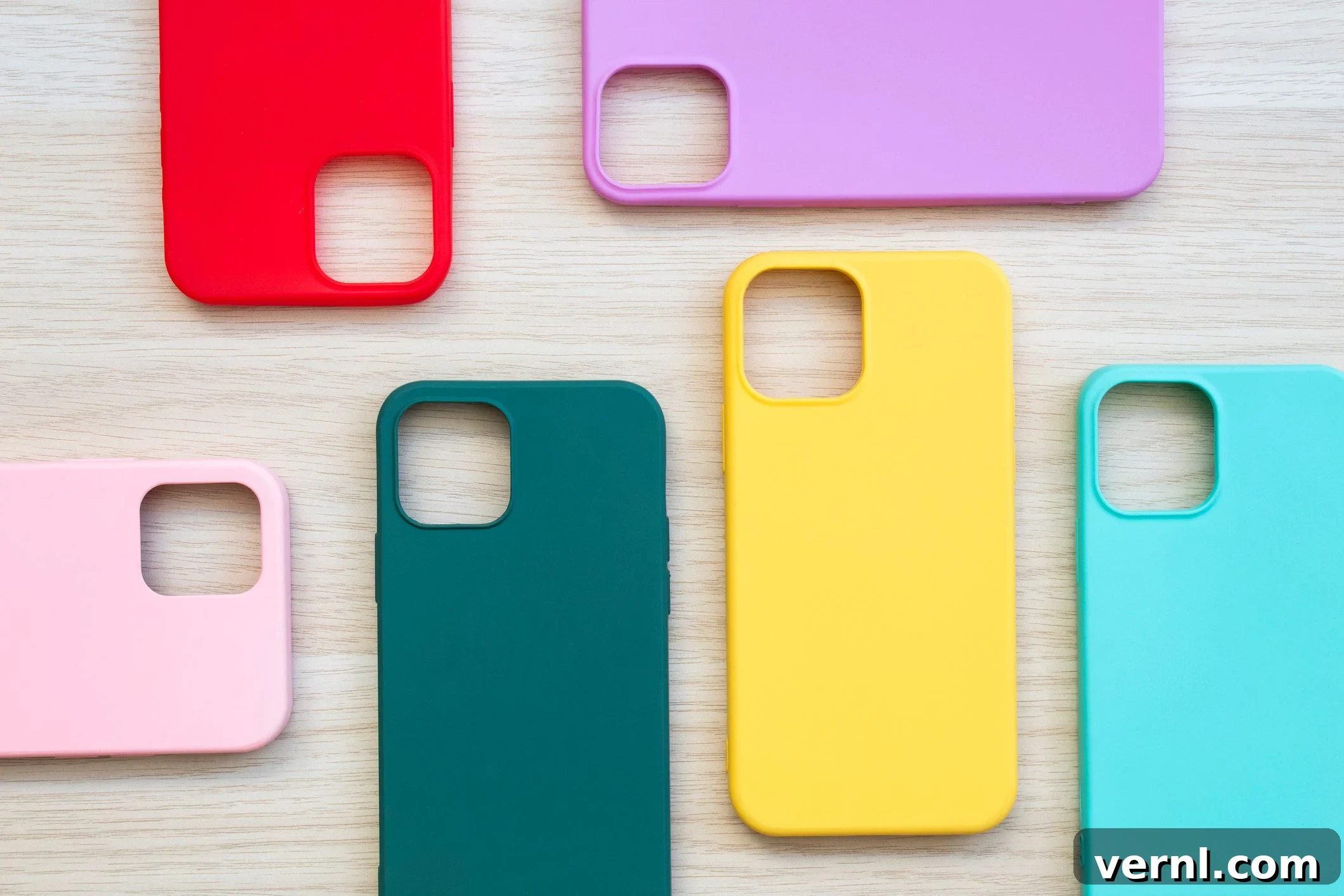
Essential Smartphone Protection: Do You Really Need a Phone Case and Screen Protector?
In our increasingly connected world, smartphones have become far more than just communication devices; they are our cameras, navigation systems, entertainment hubs, and often, critical tools for work and personal organization. As technology advances, so does the price tag on these sophisticated gadgets. Shelling out hundreds, sometimes over a thousand dollars, for the latest iPhone or Android device is a significant investment for most consumers.
Given this substantial outlay, a common question arises: Do you really need to purchase additional protection, like a phone case and screen protector? This adds to the financial burden of upgrading your device, making it tempting to skip if it isn’t absolutely necessary. However, leading experts in the tech industry and repair field are unequivocal in their advice.
Tom Payne, a respected editor of a prominent tech journal, and Sam Devia, an expert with extensive hands-on experience in tech repair, firmly agree: “Yes, you need a case.” Devia emphasizes, “I want to say that now more than ever, consumers need cases and screen protectors for their devices.” While manufacturers continue to innovate with tougher materials, Payne points out a critical truth: without adequate protection, your state-of-the-art smartphone is often just one unfortunate drop away from costly damage and profound regret. This comprehensive guide will delve into why investing a little extra to safeguard your device is undeniably in your best interest.
The Indispensable Role of Phone Cases in Device Protection
Smartphones, despite their robust appearance, are remarkably vulnerable to various forms of damage, primarily impact and water exposure. A high-quality phone case acts as your device’s first line of defense, mitigating the risks that come with daily use and accidental mishaps. These cases are typically crafted from resilient materials designed to absorb and distribute kinetic energy upon impact, preventing the resultant vibrations and direct force from reaching and damaging the delicate internal circuitry.
Different materials offer varying degrees and types of protection. Silicone and TPU (thermoplastic polyurethane) cases are renowned for their excellent shock-absorbing properties, providing a cushioned barrier against drops. Hard plastic and polycarbonate cases offer rigidity and scratch resistance, shielding the phone’s body from dings and scrapes. More premium options like genuine leather cases offer a blend of aesthetic appeal, light protection, and a luxurious feel. Rugged cases often combine multiple layers and materials, sometimes including reinforced corners and raised bezels, to provide maximum impact protection for those with active lifestyles or demanding work environments.
Beyond impact, some advanced cases offer specialized protection. Certain top-shelf designs are engineered to create a hermetic seal around the phone, offering substantial resistance against water damage – a common and often fatal threat to modern electronics. While many modern phones boast their own water resistance ratings, these ratings typically cover immersion in specific conditions and depths, and even a small crack or wear-and-tear can compromise them. A water-resistant case adds an extra layer of reassurance.
It’s crucial to understand that while a phone case primarily protects the back and sides of your device, most standard cases do not include a direct covering for the screen, which remains the most vulnerable component of any smartphone. This means that a comprehensive protection strategy almost always requires the separate, yet equally essential, addition of a screen protector. This dual approach ensures all critical areas of your valuable device are adequately shielded.
A Journey Through Phone Materials: From Bricks to Sleek Machines
The evolution of smartphone materials tells a fascinating story of design, durability, and user experience. The pioneering Motorola DynaTac, which made its market debut in 1983, was encased in a sturdy polycarbonate (PC) plastic body. This material remained a common choice for its resilience and cost-effectiveness for decades. However, a significant shift occurred in 2007 with Apple’s introduction of the original iPhone, which featured a lightweight and sleek aluminum body. This marked a trend towards more premium, metallic finishes and thinner designs.
Today, manufacturers continue to utilize both polycarbonate and aluminum, albeit with significant modifications and advancements. Polycarbonate now often appears in more sophisticated blends, offering enhanced durability and a premium feel, while aluminum alloys are meticulously engineered for greater strength-to-weight ratios. Other materials, such as rubber for physical keys (on models that still feature them) and various types of glass for screens, have also evolved considerably.
Despite these material advancements – both PC and aluminum alloys being inherently impact-resistant – phones have consistently remained vulnerable to damage, especially when dropped on their corners or edges. These are the most common points of impact, concentrating force in a small area and often leading to cracks or dents. The primary purpose of a protective case was, and steadfastly remains, to absorb and dissipate the force of such impacts, effectively creating a buffer zone between the phone’s delicate structure and the unforgiving ground.
The continuous push for thinner, lighter, and more aesthetically pleasing devices has often come at the expense of raw durability. While modern materials are impressive, the inherent physics of drops and impacts means that a protective layer remains a vital component in preserving the integrity of our increasingly sophisticated and expensive handheld technology.
What Are Phone Screens Made Of in 2025? Advances and Vulnerabilities
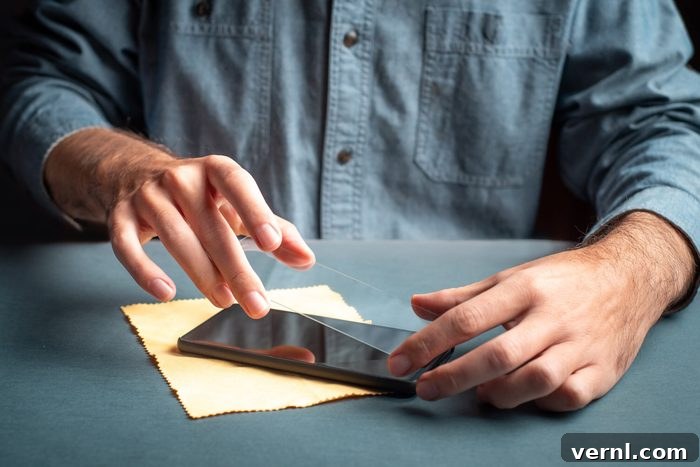
The screen is arguably the most critical and visually prominent part of any smartphone, and it’s invariably made from glass. However, the composition and manufacturing processes of this glass have undergone remarkable evolution over the years. According to Tom Payne, many contemporary cell phones, especially flagship models, feature advanced reinforced glass technologies like Gorilla Glass or Gorilla Glass Victus. These are specialized types of alkali-aluminosilicate glass that use sodium silicate glass as a raw material and undergo a chemical strengthening process in the lab.
This chemical process involves submerging the glass in a hot potassium salt solution, causing smaller sodium ions in the glass to be exchanged for larger potassium ions from the salt bath. This creates a layer of compressive stress on the glass surface, making it significantly more resistant to scratches and impact. Additionally, industry leaders like Apple and Samsung have introduced their own proprietary innovations. Apple’s Ceramic Shield, for instance, integrates ceramic nanocrystals into a glass matrix, creating a ceramic-glass material derived from silicon dioxide that boasts enhanced durability and drop performance.
Do You Really Need a Phone Case to Protect Your Phone Screen?
Despite these incredible advancements, the fundamental answer to “Do you need a phone case to protect the screen?” is generally no, at least not directly. While many phone cases feature raised bezels around the screen that can offer some protection against direct face-down drops on flat surfaces, they are not designed to be the primary defense for the screen itself. The main role of a phone case is to safeguard the back and sides of the device from impacts, scratches, and often, water ingress.
If you genuinely want comprehensive screen protection, you absolutely need to purchase a dedicated screen protector. This is an additional expense, but one that repair professionals universally recommend. Don’t just take a salesperson’s word for it; listen to those who deal with cracked screens daily. Sam Devia, with his extensive experience in phone repair, notes that despite all the innovations in glass technology, screens remain surprisingly fragile, perhaps even more so due to their thinner profiles. “It used to take multiple drops before you’d crack your screen, but now screens scratch easily and break within just a couple drops,” Devia warns. This underscores the critical need for a screen protector to guard against everyday abrasions, minor impacts, and the inevitable occasional drop that can turn a perfect display into a spiderweb of cracks.
What Is the Body of a Phone Made Out Of in 2025? The Strength of Modern Metals
In 2025, manufacturers continue to push the boundaries of materials science to create phone bodies that are both incredibly lightweight and remarkably strong. While aluminum remains a staple, it’s rarely pure aluminum anymore. Instead, manufacturers utilize advanced alloys like magnesium-aluminum or titanium-aluminum, which offer superior strength-to-weight ratios and enhanced durability. These alloys are meticulously engineered to provide rigidity, resistance to bending, and a premium feel.
At the pinnacle of material innovation, Apple has notably crafted the iPhone 16 Pro out of pure titanium. This metal is highly prized for a host of exceptional properties: it’s incredibly lightweight, making devices easier to handle; it boasts superior corrosion resistance, crucial for longevity in various environments; it’s highly heat-resistant, important for managing device thermals; it’s non-allergenic, reducing skin irritation for users; non-toxic, and, perhaps most importantly for device protection, it is among the most durable and strong metals known to humankind. The use of such advanced materials signifies a commitment to building more resilient devices.
Do You Really Need a Phone Case to Protect the Body of Your Phone?
Given the impressive durability of materials like advanced aluminum alloys and titanium, it might seem logical to question the necessity of a phone case for body protection. While these metals are indeed robust and can withstand significant direct impact without showing visible damage, they are still metals. And metals, by their very nature, are excellent conductors of vibrations. When a phone is dropped, even if the external frame appears unscathed, the shockwaves generated by the impact travel through the metal body. These vibrations can wreak havoc on the delicate, intricately designed circuitry housed within the phone.
Sam Devia, the seasoned repair expert, has observed a concerning trend: “an uptick in cases where customers drop their phones and there’s zero visible damage on the outside but internally, motherboard chips crack or lift right off the board, making the whole device useless.” This phenomenon highlights a critical vulnerability that external toughness alone cannot address. The internal components of a smartphone – the motherboard, processor, memory chips, and countless solder joints – are incredibly sensitive to sudden shocks. Even a seemingly innocuous drop can cause micro-fractures in solder connections or dislodge tiny components, rendering the device inoperable without any outward sign of trauma.
Therefore, when you’re contemplating “Do you need a cell phone case?” it’s vital to remember that one of its primary, often unseen, purposes is to dampen these destructive vibrations. A well-designed case, made from shock-absorbing materials, acts as an energy dissipator, preventing the brunt of impact forces from reaching the phone’s intricate internal architecture. If you want to avoid the frustrating experience of suddenly discovering your expensive smartphone is inoperable after what seemed like a minor drop, a quality phone case is not just an accessory; it’s an essential safeguard for the phone’s vital “innards.”
Are Phone Cases Worth the Price? A Clear Return on Investment
The debate over whether phone cases are worth their price often boils down to a simple calculation: the cost of prevention versus the cost of repair or replacement. The experts are unanimous in their assessment that the investment in a case and screen protector is a financially sound decision.
Tom Payne articulates this perfectly: “Repairing or replacing a flagship screen often costs over $300, depending on the model, and that’s just for the screen. Internal damage can easily push that figure much higher, often nearing the cost of a new device.” He continues, “So, skipping a $50 case and a $30 screen protector from a reputable brand is a gamble most travelers, commuters, and daily users simply cannot afford. An $80 investment for this combo is only about 5% compared to the cost of a new $1600 iPhone Max Pro!” This perspective clearly illustrates the significant financial risk involved in foregoing protection.
Beyond screens, a damaged motherboard or other critical internal components can lead to repair bills that are often uneconomical, pushing you towards purchasing a brand-new device much sooner than anticipated. This not only means absorbing the cost of a new phone but also dealing with the inconvenience of data transfer, setup, and being without your essential device for a period.
The question of whether you need a phone case with all the bells and whistles, or if a basic one will suffice, depends heavily on several factors: the inherent value of your phone, how crucial it is to your daily life, and your personal level of carefulness. For someone with a budget smartphone used primarily at home, a basic, inexpensive case might offer sufficient peace of mind. However, for a user with a top-tier flagship device, who travels frequently, or whose work heavily relies on their phone, a rugged, feature-rich case and a robust screen protector become almost mandatory.
As for the overarching question of whether protecting your phone is a worthwhile endeavor, Sam Devia’s advice is unequivocal: “If you’ve got a newer phone, I highly recommend grabbing a good case and solid screen protector. It’s a small investment that can significantly lower the chances of wrecking your expensive device.” It’s not just about avoiding immediate repair costs; it’s about extending the lifespan of your phone, preserving its resale value, and ensuring uninterrupted functionality for years to come. In essence, a phone case and screen protector are not just accessories; they are intelligent insurance for your indispensable digital companion.
Frequently Asked Questions About Phone Protection
Is a screen protector enough to protect my phone?
No, a screen protector alone is not sufficient for comprehensive phone protection. A screen protector excels at guarding the screen against scratches, scuffs, and direct impact damage. However, it offers no protection for the phone’s sides, back, or, critically, its internal circuitry from the shockwaves generated by a drop. For that, you absolutely need a phone case. The more resilient and shock-absorbing the material of the case, the better it will perform its job of dampening vibrations and protecting the device’s sensitive internals.
What are the best phone case materials for maximum protection?
For maximum protection, cases made from materials like TPU (thermoplastic polyurethane) for its flexibility and shock absorption, or multi-layered cases combining a hard outer shell (polycarbonate) with a soft inner layer (silicone or TPU), are highly recommended. Rugged cases often utilize these combinations, along with reinforced corners and raised edges, to provide superior impact resistance for demanding environments.
Do phone cases interfere with wireless charging or NFC?
Generally, most modern phone cases are designed not to interfere with wireless charging or NFC (Near Field Communication) capabilities. However, extremely thick or rugged cases, especially those with integrated metal plates or bulky attachments, might occasionally reduce the efficiency of wireless charging or slightly weaken NFC signals. It’s always a good idea to check the product specifications or reviews if these features are critical to you.
How do I choose the right case for my lifestyle?
Choosing the right case depends on your daily activities and risk factors. If you have an active lifestyle, work in demanding conditions, or are prone to dropping your phone, a rugged, multi-layered case with military-grade drop protection is ideal. For those who prioritize aesthetics and a slim profile, a thin, transparent TPU or silicone case can offer basic scratch and minor drop protection. Wallet or folio cases are great for combining protection with functionality, holding cards and cash while safeguarding the screen.
Are expensive cases always better than generic ones?
Not necessarily. While premium brands often invest more in R&D, material quality, and precision engineering, there are many reputable generic or lesser-known brands that offer excellent protection at a more affordable price point. The key is to look for cases that specify their material composition, boast recognized durability certifications (e.g., MIL-STD-810G drop tested), and have positive user reviews. Sometimes, the “expensive” tag simply reflects brand recognition rather than superior protection.
About the Experts
- Sam Devia is a seasoned tech expert at eRepair, a Chicago-based company specializing in comprehensive smart device solutions. With 15 years of experience in phone repair, his company has successfully fixed over 10,000 smartphones, giving him unparalleled insight into device vulnerabilities and effective protection strategies.
- Tom Payne is the insightful creator and editor of {Tech} for Travel. Founded in 2015, {Tech} for Travel is a popular resource for travelers, offering a curated collaboration of technology reviews, luggage insights, app recommendations, and travel ideas that global adventurers rely on.