
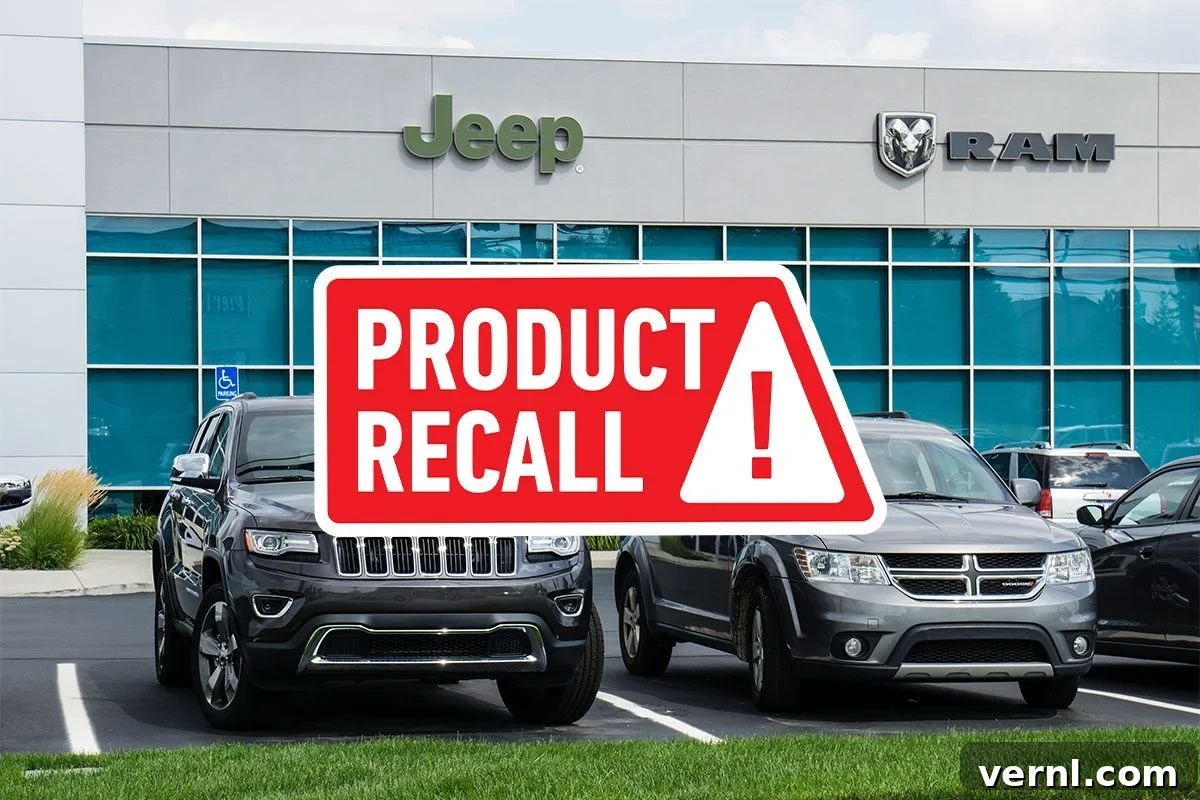
Stellantis Issues Urgent Recall for Jeep Grand Cherokee and Dodge Durango Over Critical Brake System Defect
Stellantis has announced a substantial safety recall impacting hundreds of thousands of its popular 2018-2019 Jeep Grand Cherokee and Dodge Durango models. This recall addresses a critical malfunction within the Antilock Brake System (ABS) that could severely compromise vehicle safety and control. With over 200,000 vehicles identified as being at risk, it is paramount that all affected owners understand the implications of this defect and take immediate action to address the issue. This comprehensive guide will detail everything you need to know about the recall, the potential dangers, and the essential steps you must take to protect yourself and others on the road.
Which Stellantis Vehicles Are Affected by This Safety Recall?
The recall specifically targets two highly popular SUV models from the Stellantis lineup, known for their performance and family-friendly utility. Owners of these particular vehicles should pay close attention to this announcement:
- 2018-2019 Dodge Durango: This powerful SUV, beloved for its robust performance and spacious interior, is among the affected models.
- 2018-2019 Jeep Grand Cherokee: A long-standing icon in the SUV segment, renowned for its off-road capability and premium features, is also included in this recall.
According to the official notification submitted by Stellantis to the National Highway Traffic Safety Administration (NHTSA), a staggering total of 206,502 vehicles across these two models are impacted by this safety campaign. This broad scope underscores the urgency and importance of this recall for a significant portion of the driving public.
Understanding the Critical Defect: Why Are These Stellantis Cars Being Recalled?
The core of this recall lies in a significant malfunction within the vehicle’s Antilock Brake System (ABS). The ABS is a crucial safety feature designed to prevent the wheels from locking up during sudden braking, thereby allowing the driver to maintain steering control. When this system fails or malfunctions, it can lead to a cascade of dangerous issues, directly impacting the vehicle’s ability to stop safely and maintain stability.
The Specific Safety Risks Explained:
The defect associated with the ABS malfunction in the affected Grand Cherokee and Durango models presents several distinct and severe safety hazards:
- Incorrect Brake Light Illumination: One of the immediate symptoms of this defect is the potential for the vehicle’s brake lights to illuminate incorrectly. This can happen even when the brake pedal is not being applied, creating a dangerous misunderstanding for following drivers. Inaccurate brake light signals can easily lead to rear-end collisions, as other motorists may misinterpret the vehicle’s intentions on the road. This seemingly minor issue has significant implications for overall road safety, especially in heavy traffic or low-visibility conditions.
- Disabled Antilock Brake System (ABS) and Electronic Stability Control (ESC): Perhaps the most alarming consequence of this malfunction is the potential for both the ABS and Electronic Stability Control (ESC) systems to become completely disabled.
- ABS Function: The ABS is vital for preventing wheel lock-up during hard braking, allowing the driver to steer around obstacles even while applying full brake pressure. Without ABS, a driver might experience skidding and loss of control, particularly on slippery surfaces.
- ESC Function: The ESC system works in tandem with ABS, automatically applying individual brakes and reducing engine power to help the driver maintain control during extreme steering maneuvers, such as swerving to avoid an obstacle or negotiating a sharp turn. A disabled ESC significantly increases the risk of the vehicle skidding or losing stability, making it exceedingly difficult for the driver to recover control in emergency situations. The combined loss of these critical systems dramatically reduces the driver’s ability to control the vehicle, especially during sudden stops, evasive maneuvers, or adverse weather conditions, exponentially increasing the risk of an accident.
- Vehicle Can Be Shifted Out of Park Without Pressing the Brake Pedal (Rollaway Risk): A deeply concerning aspect of this defect is the possibility that the vehicle can be shifted out of the “Park” gear without the driver depressing the brake pedal. This is a fundamental safety interlock designed to prevent unintended vehicle movement. The failure of this interlock creates a significant rollaway hazard. Imagine parking on an incline, or having children in the vehicle, and the car unexpectedly shifts out of park, potentially rolling away and causing serious injury or property damage. This particular risk is especially critical, as it bypasses a core safety mechanism that prevents accidental vehicle movement, making the risk of a rollaway accident much higher.
Given the severity and multi-faceted nature of these risks, Stellantis is taking this matter with the utmost seriousness, and owners are urged to do the same.
What Owners Must Do If Their Stellantis Vehicle is Recalled
If you own a 2018-2019 Dodge Durango or Jeep Grand Cherokee, it is crucial to act promptly and follow the steps outlined by Stellantis and the NHTSA. Your proactive involvement is key to resolving this safety issue and ensuring the safety of yourself and your passengers.
Stellantis’s Response and Remedy Development:
Chrysler, as part of Stellantis, is actively engaged in developing a permanent remedy for this recall. This involves engineering a solution that will effectively address the ABS malfunction and eliminate all associated safety risks. While the development process is underway, owners will be kept informed about the progress and the ultimate fix.
Owner Notification Timeline:
Official owner notification letters regarding this recall are scheduled to be mailed out starting on December 5, 2024. These letters will contain crucial information, including details about the specific defect, the risks involved, and instructions on how to proceed with scheduling the necessary repair. It is important to look out for this letter in your mail.
Proactive Steps for Owners:
While waiting for your official notification letter, there are several immediate actions you can take to confirm if your vehicle is affected and to prepare for the repair:
- Contact FCA Customer Service: If you prefer not to wait for the mailed notification, or if you have immediate concerns, you can directly contact FCA (Fiat Chrysler Automobiles, a Stellantis brand) customer service. The dedicated number for recall inquiries is 1-800-853-1403. Customer service representatives can help confirm if your specific vehicle is part of the recall and provide the latest information available.
- Utilize the NHTSA Website: The National Highway Traffic Safety Administration (NHTSA) maintains a comprehensive website where you can check for recalls affecting your vehicle. Visit NHTSA.gov/recalls and enter your vehicle’s 17-digit Vehicle Identification Number (VIN). The VIN is typically found on the driver’s side dashboard (viewable through the windshield) or on the driver’s side door jamb. This tool will instantly inform you if your vehicle is subject to this or any other active safety recall.
- Schedule Your Repair: Once the remedy is fully developed and available, you will be instructed to schedule an appointment with your local authorized Stellantis (Jeep or Dodge) dealer. The repair will be performed free of charge to you. It is highly recommended to schedule this appointment as soon as you are notified that the parts and procedure are ready, due to the critical nature of the safety defect.
Operating Your Vehicle Safely Until Repaired:
Until your vehicle has undergone the necessary repairs, it is prudent to exercise extreme caution while driving. Be hyper-aware of your brake lights and braking performance. Avoid situations that might demand sudden braking or evasive maneuvers. Always ensure your vehicle is securely in “Park” and, if possible, engage the parking brake as an additional precaution, especially when parked on an incline. Never leave children unattended in an affected vehicle.
The Broader Context of Vehicle Recalls and Automotive Safety
Vehicle recalls, while inconvenient, are a vital component of the automotive industry’s commitment to public safety. They serve as a critical mechanism for manufacturers to identify and rectify defects that could pose risks to drivers, passengers, and other road users. The process involves rigorous investigation, reporting to regulatory bodies like NHTSA, and then implementing corrective actions on a mass scale.
This Stellantis recall highlights several key aspects of automotive safety:
- Manufacturer Responsibility: Stellantis, like all responsible automakers, has a legal and ethical obligation to ensure the safety of its vehicles. When a defect is discovered, it is their responsibility to promptly notify owners and provide a free remedy. This recall demonstrates their commitment to addressing safety concerns proactively.
- Role of Regulatory Bodies: The NHTSA plays an indispensable role in overseeing vehicle safety in the United States. They investigate consumer complaints, monitor manufacturer recalls, and ensure that safety standards are met. Their public database is a crucial resource for vehicle owners to stay informed about potential hazards.
- Consumer Responsibility: While manufacturers initiate recalls, the ultimate responsibility for bringing the vehicle in for repair lies with the owner. Ignoring a recall notice can have serious consequences, not just for the individual owner but potentially for others on the road. It’s not merely about compliance; it’s about personal and collective safety.
- Advanced Safety Systems: Modern vehicles are equipped with increasingly sophisticated safety systems like ABS and ESC. While these technologies significantly enhance safety, their malfunction underscores the importance of proper engineering and ongoing maintenance. When these systems are compromised, the fundamental safety net of the vehicle can unravel.
Staying informed and responsive to recall notices is a fundamental aspect of responsible vehicle ownership, ensuring that the roads remain as safe as possible for everyone.
Conclusion: Act Now for Your Safety
The Stellantis recall affecting over 200,000 2018-2019 Jeep Grand Cherokee and Dodge Durango models due to a critical ABS malfunction is a serious matter that demands immediate attention. The potential risks, including incorrect brake light illumination, disabled ABS/ESC, and significant rollaway hazards, underscore the urgency of addressing this defect. Owners are strongly encouraged to check their vehicle’s status via the NHTSA website or by contacting FCA customer service. Do not delay in scheduling the necessary repair once the remedy is available. Prioritizing this recall will not only resolve a critical safety issue but also ensure your peace of mind and contribute to safer roads for everyone.