Mastering Staple Removal: The Unexpected Efficiency of the Hook Blade Utility Knife
Staples are ubiquitous in DIY projects, construction, and everyday household items, serving their purpose by holding materials firmly together. However, when it comes time for removal, they often present a stubborn challenge. Traditional methods can be slow, cumbersome, and sometimes even damaging to the underlying material. What if a common tool in your toolbox held the key to a surprisingly quick and effortless staple extraction? As experienced DIY enthusiast Neil Long discovered, the humble hook blade in a utility knife offers an ingenious and highly effective solution for tackling even the most embedded staples.
The Ingenious Hook Blade Method for Staple Extraction
The conventional wisdom for removing staples often points to specialized staple removers, flathead screwdrivers, or pliers. While these tools certainly have their place, Neil Long’s insight into leveraging the unique design of a hook blade provides a refreshing alternative that prioritizes speed and efficiency. The method involves using the sharp, curved tip of the hook blade to engage the staple, followed by a swift, deliberate motion.
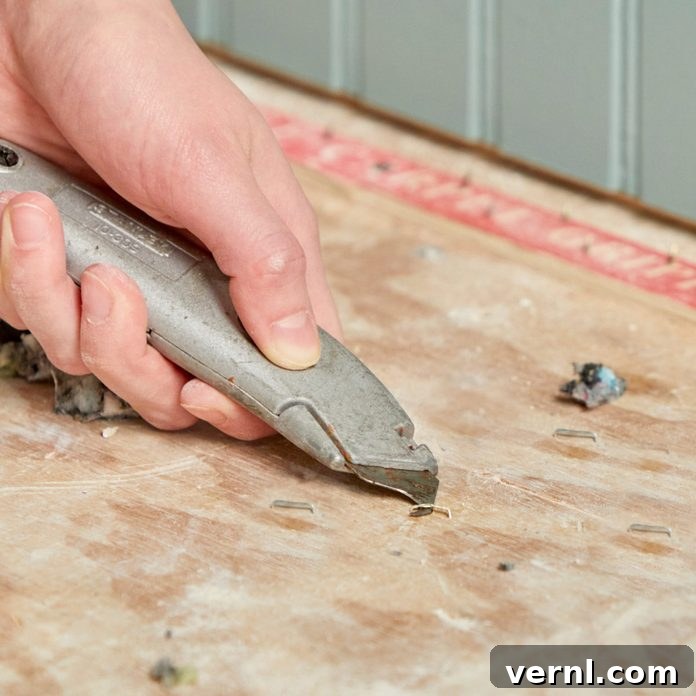
Unlike a straight blade, the hook blade’s unique geometry is perfectly suited for this task. Its curved tip can easily slide under the crown of a staple, gripping it firmly. A quick, upward “jerk” in the middle of the staple with the utility knife typically dislodges it in one swift motion, often keeping the staple intact. This precision and leverage minimize the effort required and can significantly cut down on the time spent wrestling with stubborn fasteners. This approach proves to be remarkably effective across various materials and staple types, making it a valuable trick for any homeowner or professional.
A Closer Look at the Hook Blade Utility Knife
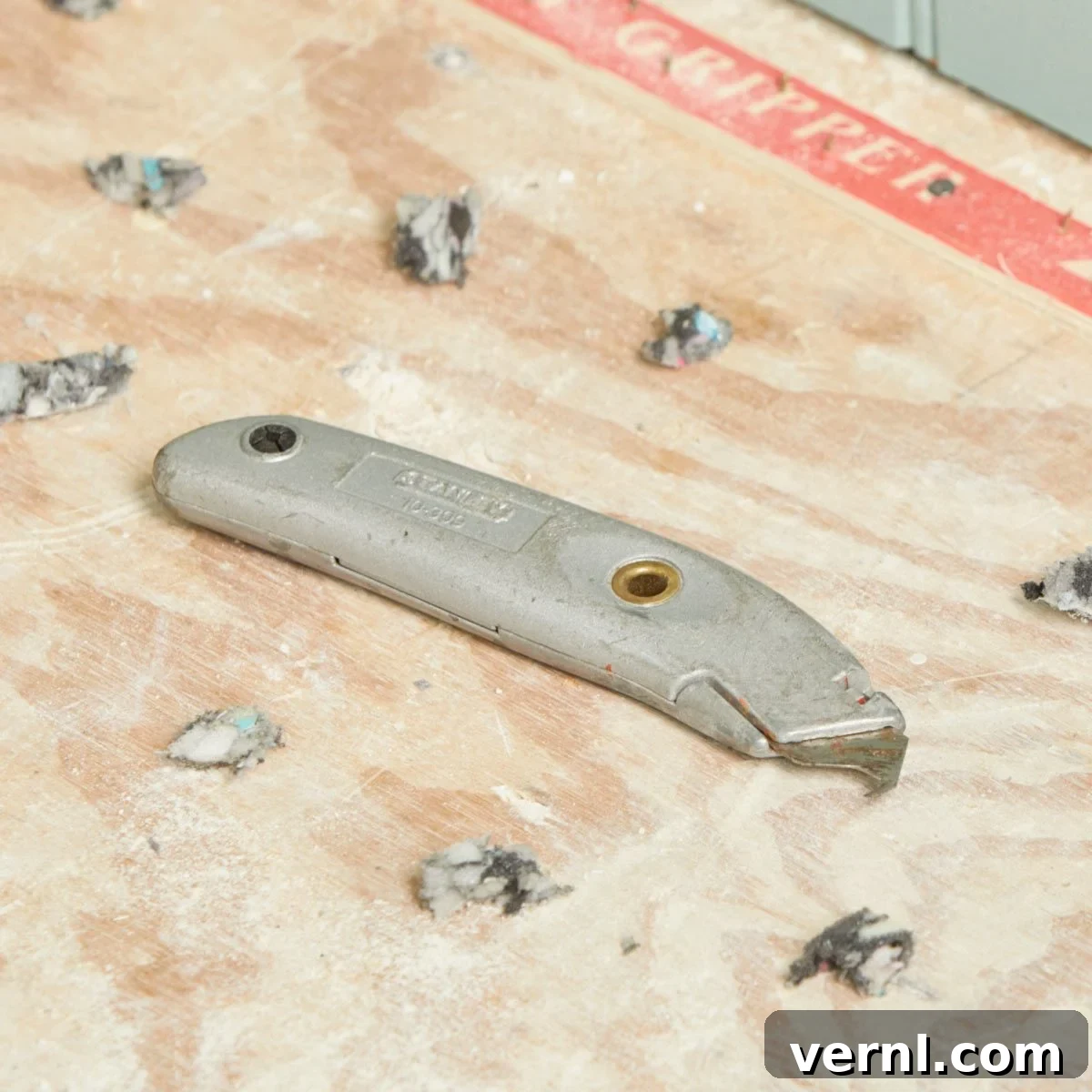
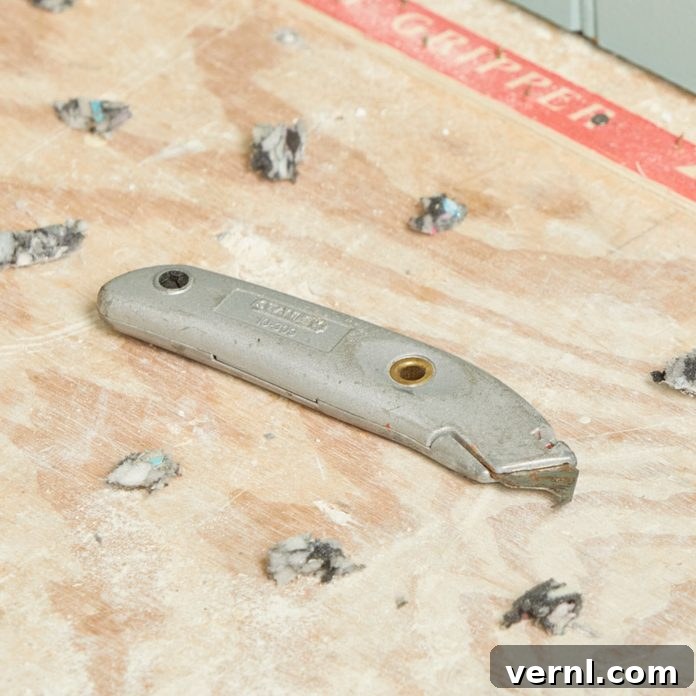
Before diving deeper into the technique, it’s worth understanding the tool itself. A utility knife is a versatile, indispensable tool in countless workshops and homes. While most people are familiar with the standard straight blade, the hook blade variant is designed for specific cutting tasks where puncturing and pulling are more effective than pushing. Primarily used for cutting materials like roofing felt, linoleum, carpet, and vinyl, its distinctive curved profile allows it to snag and slice through tough materials with minimal effort.
The robust construction of a utility knife, combined with the sharp, hardened steel of a hook blade, provides the perfect combination of strength and precision needed for staple removal. The ergonomic grip of most utility knives also offers superior control compared to, for instance, a thin screwdriver, reducing the risk of slippage. Its ability to interchange blades means you can always have a sharp hook blade ready for action, ensuring optimal performance for this unconventional use.
Step-by-Step Guide to Hook Blade Staple Removal
Adopting this method requires a little practice, but the process is straightforward and yields excellent results. Follow these steps for efficient and safe staple removal:
- Prepare Your Workspace: Ensure good lighting and a stable surface. Always wear appropriate safety gear, including work gloves and eye protection, as staples can fly off or sharp edges can cause injury.
- Select the Right Blade: Ensure your utility knife is fitted with a sharp hook blade. A dull blade will only make the job harder and potentially damage the material or slip.
- Position the Blade: Carefully slide the tip of the hook blade under the crown (the flat top part) of the staple. Aim for the middle of the staple, or slightly off-center if it allows for better purchase. The curve of the blade should hug the staple.
- Apply Leverage: Once the blade is securely under the staple, apply slight downward pressure on the handle of the utility knife to create leverage against the material.
- The Quick Jerk: With a firm grip, execute a quick, upward jerking motion. The goal is to lift the staple directly out of the material. Often, the staple will come out in one piece, neatly hooked onto the blade.
- Handle Stubborn or Broken Staples: Occasionally, staples might be deeply embedded or snap in two during the process. If a staple breaks, use the hook blade to pry out the remaining pieces individually, or switch to a pair of pliers (like needle-nose pliers) to grip and pull out the stubborn ends.
- Dispose Properly: Collect all removed staples and dispose of them safely in a container that prevents them from puncturing trash bags or causing injury.
Advantages of Using the Hook Blade for Staples
The hook blade method isn’t just a quirky trick; it offers several tangible benefits over more traditional staple removal techniques:
- Speed and Efficiency: As Neil Long noted, the process is incredibly fast. A quick jerk is often all it takes, significantly reducing the time spent on repetitive staple removal tasks.
- Reduced Material Damage: When performed correctly, the precision of the hook blade can minimize tearing or marring of the surrounding material, which can be a common issue with wider tools like screwdrivers.
- Improved Leverage: The design of the hook blade allows for excellent leverage, making it easier to extract even tightly embedded staples with less strain on your wrist.
- Versatility of Existing Tools: You’re utilizing a tool you likely already own, eliminating the need to purchase specialized, single-purpose staple removers. Your utility knife becomes even more versatile.
- Clean Removal: Many staples come out in one piece, simplifying cleanup and preventing small, sharp fragments from being left behind.
Potential Challenges and Solutions
While highly effective, there are a few scenarios where you might encounter minor hurdles:
- Staples Breaking: This is the most common issue. It usually occurs with older, rusted, or fine-wire staples. If a staple breaks, don’t force it. Try to hook the remaining pieces individually. If they are too small, a pair of needle-nose pliers is your best friend for gripping and pulling out the fragments.
- Material Damage: While less likely than with a screwdriver, aggressive prying or a dull blade can still cause damage. Always ensure your blade is sharp and apply controlled force. For delicate materials, place a thin piece of scrap material (like cardboard) next to the staple to act as a fulcrum and protect the surface.
- Blade Dullness: A dull hook blade won’t grip as effectively and will require more force, increasing the risk of slips. Change your blade regularly, especially if you’re tackling a large number of staples.
- Deeply Embedded Staples: For staples hammered flush or even slightly below the surface, it can be challenging to get the hook blade underneath. In these cases, a thin, sharp pry tool or a very fine flathead screwdriver might be needed to gently lift one side of the staple enough for the hook blade to get purchase.
Safety First: Essential Precautions
Working with sharp blades always demands respect and caution. Prioritizing safety will prevent accidents and ensure a smooth experience:
- Wear Protective Gear: Always wear safety glasses or goggles to protect your eyes from flying staple fragments. Work gloves will protect your hands from sharp staples and accidental slips.
- Maintain a Firm Grip: Ensure you have a secure, comfortable grip on your utility knife. A slipping knife is a dangerous knife.
- Keep Fingers Clear: Position your non-working hand away from the path of the blade and the staple. Never hold the staple with your fingers while prying.
- Blade Sharpness: A sharp blade is safer than a dull one, as it requires less force to operate effectively, reducing the chance of slippage. Replace dull blades promptly.
- Proper Storage: When not in use, ensure the blade is fully retracted or, if it’s a fixed blade, stored in a sheath. Keep utility knives out of reach of children.
- Dispose of Staples Safely: Staples are sharp and can easily puncture skin or trash bags. Collect them in a sturdy container (like a metal can) before disposal.
Beyond the Hook Blade: Other Staple Removal Tools
While the hook blade offers an outstanding method, it’s also helpful to be aware of other tools that excel in specific situations or serve as excellent backups:
- Traditional Staple Removers: These come in various designs, from claw-style removers that pry up staples to plier-style tools that grip and pull. They are specifically designed for staples and can be very effective, particularly for desk staples.
- Flathead Screwdrivers: As mentioned by Neil Long, a screwdriver can pry staples, but its flat tip lacks the hook blade’s grip, making it slower and more prone to damaging the material.
- Pliers: Needle-nose pliers or regular lineman’s pliers are invaluable for gripping and pulling out broken staple pieces or those that can’t be pried. Their strong jaws offer excellent control.
- Upholstery Staple Removers: These often have a specialized fork-like tip designed to slide under upholstery staples with minimal fabric damage.
Applications and Materials: Where This Trick Shines
The hook blade method isn’t limited to a single type of project. Its versatility makes it suitable for a wide array of applications:
- Upholstery Projects: Removing old fabric from furniture for reupholstering is a tedious task often involving hundreds of staples. The hook blade can dramatically speed up this process.
- Carpet and Flooring Removal: When tearing up old carpets or vinyl flooring, countless staples or tack strips often remain. The hook blade makes quick work of these.
- Woodworking and Crafting: For temporary fastening or when correcting errors in woodworking, staples might need removal. The precision of the hook blade is beneficial here.
- Removing Backings: From picture frames to old cabinet backings, staples are frequently used. The hook blade provides a clean removal.
- Packaging and Crates: While less common, some heavy-duty packaging or wooden crates use staples that the hook blade can tackle.
Conclusion: A Simple Tool, Extraordinary Results
Neil Long’s discovery highlights a truth often overlooked in the world of tools: sometimes, the most effective solution comes from an unexpected application of a common item. The hook blade utility knife, typically reserved for cutting tough materials, proves to be an exceptionally fast and efficient staple remover. Its unique design provides the leverage and grip needed to extract staples cleanly, saving time and reducing frustration.
By understanding the technique, embracing safety precautions, and knowing when to combine it with other tools, you can transform the daunting task of staple removal into a quick and manageable step in your projects. So next time you’re faced with a stubborn staple, remember the hook blade – a testament to the ingenuity found in a well-equipped toolbox.