
Ultimate Guide to Eradicating and Preventing Fly Infestations in Your Home
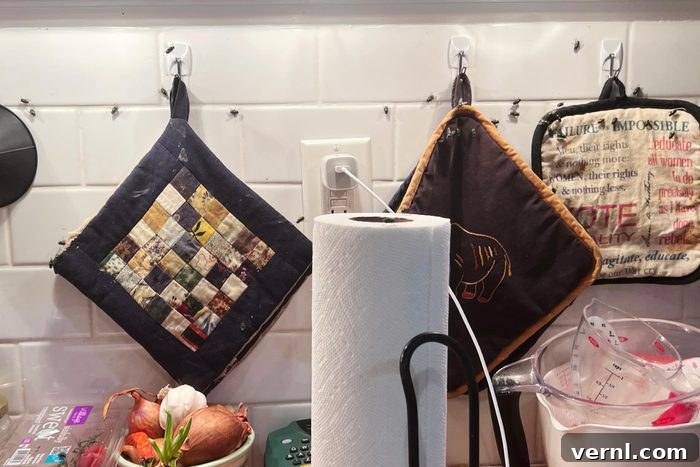
Imagine returning home after a relaxing trip, only to discover your kitchen buzzing with an unwelcome swarm of flies. This startling scenario, unfortunately, is a common reality for many homeowners. My favorite aunt, living in the Northeastern U.S., recently faced just this problem. Upon returning from a short getaway, she found her kitchen overtaken by these pervasive pests. Confused and concerned, she quickly photographed the scene and sent a cyber plea for help to her trusted pest control expert.
If you ever find yourself in a similar predicament, rapid action is paramount. Beyond being a sheer nuisance, flies are carriers of numerous disease-causing organisms. These include serious pathogens like salmonella, E. coli, and even the bacteria responsible for typhoid fever, posing a significant risk to your family’s health and hygiene. Understanding these risks underscores the urgency of effective fly management.
To provide homeowners with expert guidance on tackling these winged invaders, we consulted Rachel Maccini, a distinguished urban entomologist and pesticide safety education program coordinator at the University of New Hampshire Extension. Maccini emphasizes that while a fly infestation might seem daunting, homeowners possess considerable power to remedy the situation themselves. “There’s a lot homeowners can do themselves to remedy a fly infestation, though it may require some detective work,” she advises, highlighting the need for a systematic approach.
This comprehensive guide will walk you through the essential steps, from initial eradication to identifying and eliminating breeding sites, and ultimately, preventing future invasions. Prepare to reclaim your home from these persistent pests with our expert-backed strategies.
Step One: Immediate Action – Catch and Kill Existing Flies
When faced with an active fly infestation, your first priority is to significantly reduce the adult fly population. This not only mitigates their immediate nuisance but also prevents them from laying more eggs and exacerbating the problem. There are several effective methods for this initial cleanup, helping you regain control quickly.
The Power of the Vacuum Cleaner for Swarms
For large swarms of flies, a bag-type vacuum cleaner is an incredibly efficient and surprisingly effective tool. Simply vacuum up as many flies as possible. This method is particularly useful for cluster flies or large groups congregated on walls, ceilings, or windows. The powerful suction quickly incapacitates and collects the flies without the mess and effort associated with traditional swatting. Once you’ve captured the majority, promptly remove the vacuum bag, seal it tightly, and dispose of it immediately outside your home in a secure, sealed trash container. This crucial step prevents any surviving flies from escaping back into your living space. Remember to wear protective gloves during this process, as flies can carry germs, and you’ll want to minimize direct contact with the vacuum bag’s contents.
The Classic Fly Swatter for Sparse Populations
For smaller, more manageable numbers of flies, your trusty fly swatter remains a viable, old-school solution. This method is best suited when you’re dealing with only a handful of pests, perhaps one or two rogue flies that have found their way inside. It requires good aim and patience, but it’s effective for targeted elimination. However, for a larger “cloud of flies,” as Maccini describes it, relying solely on a swatter would be an endless and frustrating task. In such cases, revert to the more comprehensive vacuum method for efficiency.
Strategic Placement of Sticky Traps
While not a primary “catch and kill” method for an active swarm, sticky fly traps or flypaper can serve as a supplementary tool to reduce the flying population. Place these near windows, light sources, or areas where flies frequently congregate. They work by attracting flies with visual cues or sometimes mild attractants, trapping them on a non-toxic adhesive surface. These are excellent for passive, continuous trapping and for monitoring the density of the fly population, helping you gauge the success of your other eradication efforts. They can also provide clues about the type of flies present.
Step Two: The Detective Work – Locating the Fly Breeding Site
Eradicating adult flies is only a temporary fix if you don’t address the source of the problem. Flies typically enter homes from the outdoors, often drawn by the promise of shelter, warmth, or food. However, many species can and will breed indoors, completing their entire life cycle within your walls, especially if they discover an ideal wet and warm environment to lay their eggs and nurture their offspring. Pinpointing these breeding sites is the most critical step in achieving long-term fly control and preventing recurrence.
You’ll know you’ve successfully located a breeding site if you observe specific tell-tale signs. Look for small, dark clusters of spots, often no larger than a pinhead, which are fly eggs. Alternatively, you might spot pale-colored larvae, commonly known as maggots, resembling tiny worms wriggling in organic matter. These maggots are the immature stage of flies. Once these larvae develop hard, pupal cases, it’s a clear indication that a new generation of adult flies is mere days, or even hours, away from hatching. Understanding the preferred breeding grounds of different fly species is key to your detective work, allowing for targeted elimination.
Three common varieties of flies are notorious for laying their eggs indoors, each with distinct preferences for their nurseries:
- House Flies (Musca domestica) or Cluster Flies (Pollenia rudis), also known as Blow Flies:
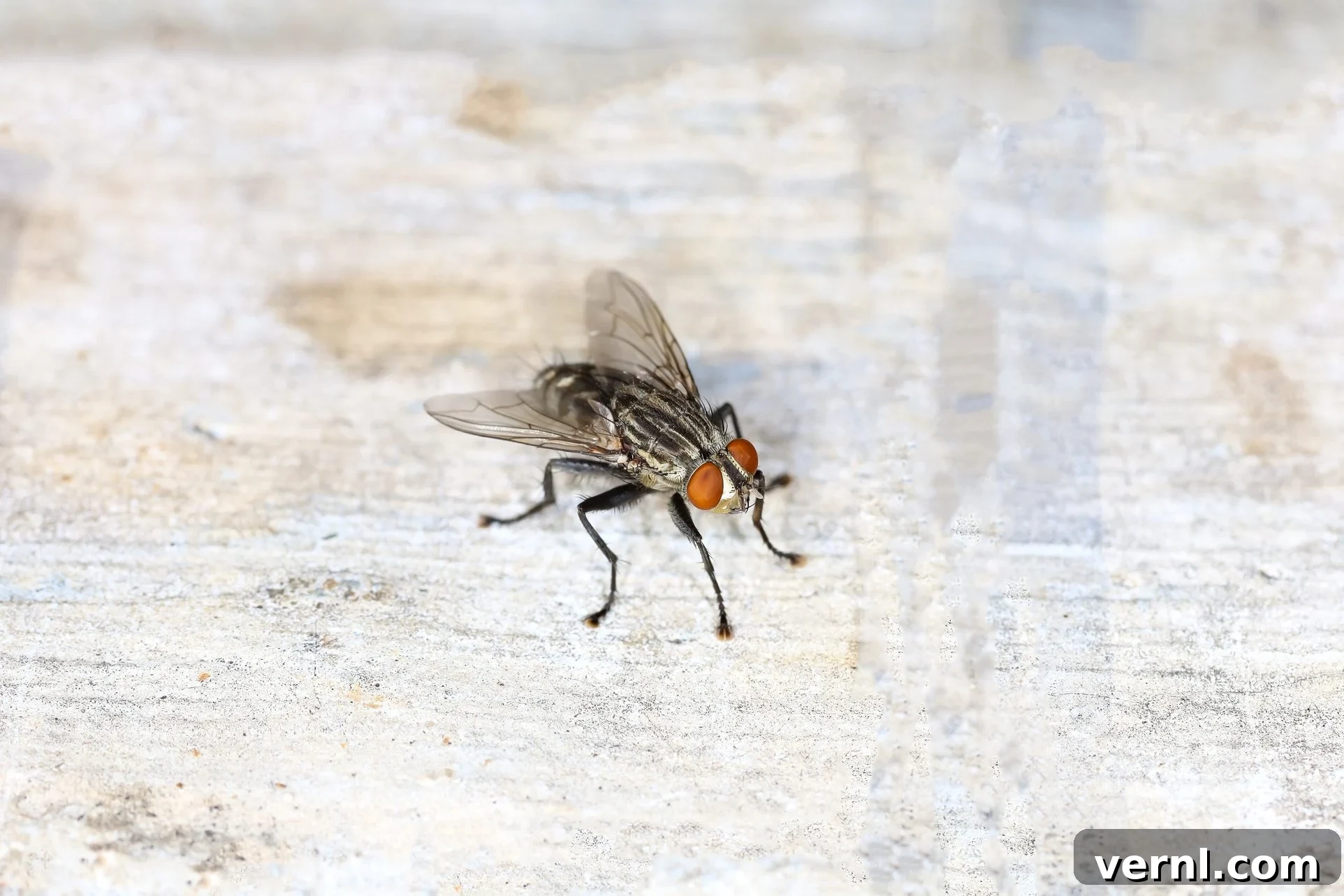
These common household pests are frequently associated with decaying organic matter and unsanitary conditions. House flies typically lay their eggs in moist garbage, compost bins, or animal waste (pet feces). Adult house flies are relatively small, measuring about 5/32 to 17/64 inches long. They are characterized by sponging mouthparts, a gray thorax adorned with four narrow dark stripes, and a single pair of membranous wings. Their rapid reproduction cycle and tendency to alight on both decaying matter and human food make them significant vectors for disease transmission. Cluster flies, on the other hand, are larger and noticeably more sluggish in their movements. They are often agricultural pests whose larvae parasitize earthworms. Adults frequently invade homes in the fall, seeking warmth and shelter to overwinter, often congregating in attics, wall voids, or around windows, turning into a persistent wintertime nuisance as they emerge on warm days.
- Fruit Flies (Drosophila species) or Vinegar Flies:
These tiny, agile flies are a common sight around ripening or fermenting fruits and vegetables. You’ll typically find them hovering around bananas left on the counter, tomatoes in a bowl, or even in unemptied recycling bins containing sugary residues from beverage containers. They are remarkably small, ranging from about 1/16 to 1/5 inches in length, and their coloration can vary from dull brownish-yellow to brownish-black. Their head and thorax are generally tan-colored, while the abdomen is usually black with gray undersides. A distinguishing feature of some species is their prominent red eyes. Fruit flies have an incredibly fast life cycle, completing development from egg to adult in as little as 8-10 days under optimal conditions, which means a small problem can quickly escalate into a full-blown infestation if not addressed promptly.
- Drain Flies (Psychodidae family), also known as Moth Flies or Humpback Flies:
As their name suggests, drain flies are intimately associated with moist, organic-rich environments, most notably drains, septic tanks, and sewage systems. They thrive where bacterial scum and decaying organic material accumulate. Slightly larger than fruit flies, these distinctive insects range in color from light tan or gray to black. Their most striking features are their fuzzy, moth-like bodies covered in dense hairs, and large, oval-shaped wings that give them a somewhat triangular appearance when at rest. Unlike other flies, they have a weak, erratic flight pattern. Their larvae feed on the gelatinous film that lines pipes, making thoroughly cleaning plumbing systems essential for their control. Persistent drain fly issues often indicate a significant buildup of organic matter within your pipes or other moist areas like leaky pipes or clogged gutters.
Step Three: The Solution – Eliminating the Fly Breeding Site
Once you’ve identified the specific type of fly and, more importantly, pinpointed their breeding site, the next crucial step is to meticulously eliminate that source. The effectiveness of your remedy directly depends on the species of fly you’re dealing with, as each requires a targeted approach for successful eradication.
For House or Cluster Fly Eggs
For house flies and cluster flies, their breeding grounds are typically associated with decaying organic matter and moisture. To effectively eliminate their eggs and larvae, you must:
- Manage Garbage and Waste: Ensure all garbage containers, both indoors and outdoors, are tightly covered. This prevents adult flies from accessing the waste to lay eggs and contains any existing larvae. Regularly empty indoor trash cans, especially those containing food scraps, and ideally, take out household garbage every four to five days during warmer summer months when fly activity is highest.
- Seal Compost Bins: If you maintain a compost bin, ensure it is properly sealed and regularly turned to prevent it from becoming an attractive breeding ground.
- Eliminate Standing Water: Drain and thoroughly dry any areas with standing water, as moist conditions are crucial for fly development. This includes leaky pipes, clogged gutters, or even damp spots in your yard where organic debris accumulates.
- Pet Waste Management: Promptly clean litter boxes and regularly remove pet waste from your yard. This is a prime breeding site for house flies and neglecting it will perpetuate the infestation.
For Fruit Fly Eggs
Fruit flies are highly attracted to fermenting sugars found in overripe fruits and vegetables. Eradicating them requires diligent removal of these food sources and rigorous sanitation:
- Remove Attractants: The most immediate step is to ditch or dispose of any fruit or vegetable that is overripe, bruised, or starting to ferment. This includes not just visible items on counters but also forgotten produce in pantries or even small pieces of food debris under appliances.
- Refrigeration and Storage: After removing existing attractants, Maccini recommends covering or storing all susceptible foods, particularly fruits and vegetables, in a refrigerator for at least a week. This period is critical because the entire life cycle of a fruit fly, from egg to adult, typically spans only one to two weeks. By removing their food source for this duration, you effectively starve out any remaining eggs or larvae, preventing a new generation from emerging.
- Clean Spills Thoroughly: Wipe up any sugary spills immediately, especially in kitchens and dining areas. Pay attention to sticky residues around beverage dispensers, drains, and recycling bins.
For Drain Fly Eggs
Drain flies thrive in the gelatinous film of bacteria and organic matter that accumulates in plumbing systems. Their elimination requires a thorough cleaning of these areas:
- Mechanical Cleaning: The most effective method is to physically clean pipes and drains. Use a stiff bristled brush designed for plumbing to scrub away the bacterial scum and organic material that often lines the inside of drains. This physically dislodges the eggs and larvae and removes their food source. Focus on all accessible drains, including kitchen sinks, bathroom sinks, showers, and utility sinks.
- Enzyme-Action Products: Follow up with an enzyme-action drain cleaner. These products, readily available at custodial supply stores or online, contain enzymes that are specifically designed to break down the sticky biological bonds of bacteria, algae, and organic debris in pipes. Unlike harsh chemical drain cleaners, enzyme products safely digest the organic film that drain flies feed on, without damaging your plumbing or the environment.
- What to Avoid: It’s crucial to avoid using bleach down your drains; it is largely ineffective against fly larvae and can create dangerous fumes when mixed with other cleaning agents. Most importantly, do NOT pour insecticide down the drain. Maccini sternly warns that it is highly unlikely to work as intended against larvae protected by organic film and, furthermore, can cause severe damage to municipal sewer and sanitation systems, posing environmental and health risks.
How To Prevent Fly Eggs From Hatching and Future Infestations
The most effective long-term strategy against fly infestations is prevention. By understanding how flies gain entry and what attracts them, you can implement proactive measures to deter them from laying eggs in your home and prevent future outbreaks. A multi-pronged approach combining sanitation, exclusion, and targeted control methods is typically the most successful.
Maintain Impeccable Sanitation and Hygiene
- Keep Your Home Spotless: Regular and thorough cleaning is your first line of defense. Wipe down kitchen counters, sweep floors, and clean up food spills immediately.
- Proper Food Storage: Always cover food and beverages when they are left out. Store perishable items, especially fruits and vegetables, in a refrigerator or in airtight containers. This eliminates attractive food sources for flies.
- Prompt Waste Removal: Close trash cans securely and ensure garbage bags are sealed completely before disposal. Remove household garbage frequently, especially during warmer months, ideally every four to five days, to prevent decomposition and odor buildup that attracts flies.
- Pet Waste Management: Clean litter boxes daily and promptly remove pet waste from your yard. Pet waste is a significant attractant and breeding ground for house flies.
- Outdoor Sanitation: Extend your sanitation efforts to the exterior of your home. Keep compost bins sealed, clean up fallen fruit from trees, and ensure recycling bins are regularly emptied and rinsed to remove residues.
Implement Effective Exclusion Techniques
- Inspect and Repair Screens: Ensure all windows and doors are fitted with intact screens. Promptly repair any tears, holes, or gaps in existing screens to prevent flies from entering.
- Seal Entry Points: Conduct a thorough inspection of your home’s exterior. Seal any cracks, crevices, or small openings in foundations, around window frames, door frames, utility penetrations (like pipes and wires), and eaves with expandable caulking, weatherstripping, or other appropriate sealing materials. Even a small gap can be an invitation for flies.
- Check Doors and Windows: Ensure doors and windows close tightly. Install door sweeps under exterior doors to eliminate gaps at the bottom.
Utilize Active Fly Control Measures
- Sticky Traps and Flypaper: Strategically place sticky traps or flypaper in areas where flies are observed. These provide a chemical-free way to catch and monitor fly populations. They are particularly useful near windows or light sources.
- DIY Fly Traps: Consider making simple homemade fly traps using natural attractants like apple cider vinegar or fruit pieces in a jar with a funnel opening. These can be surprisingly effective for capturing fruit flies and other small flying insects. This simple DIY fly trap can be a great option.
- Ultraviolet Light Boxes (Bug Zappers): Install ultraviolet light boxes, often referred to as bug zappers, in appropriate outdoor or indoor (non-food prep) areas. These devices attract flies with UV light and then eliminate them with an electric grid.
- Fly Bait with Insecticides: For specific, targeted control, employ fly bait that contains insecticides. When ingested by flies, these baits can kill them within minutes. Always use these products according to manufacturer instructions and in areas inaccessible to children and pets.
- Indoor Fly Sprays and Residual Pesticides: Apply indoor fly spray (available at most grocery or hardware stores) directly to visible insects or their larvae for immediate knockdown. For longer-lasting protection, coat surfaces around windows, doors, screened-in porches, and cracks with a residual fly pesticide. These types of sprays are formulated to remain active for weeks after application, providing ongoing suppression of fly populations by killing flies that land on treated surfaces. Always follow label instructions carefully and ensure adequate ventilation.
When To Call a Professional Pest Control Specialist
While many fly infestations can be managed by diligent homeowners, there are specific circumstances where professional intervention becomes essential. Knowing when to call in the experts can save you time, frustration, and ensure the health and safety of your home, offering a more robust and lasting solution.
- Difficulty Identifying the Fly Species: If you’re struggling to determine the exact kind of fly that has infested your home, as Rachel Maccini advises, it’s best to contact a pest control specialist ASAP. Proper identification is the cornerstone of effective treatment, as different flies require different strategies. A professional entomologist or pest technician has the expertise to accurately identify the species and understand its unique biology and habits.
- Persistent or Recurring Infestations: You’ve diligently followed all the steps—you’ve cleaned, sealed, and eliminated apparent breeding sites—yet the flies keep returning. This is a clear sign that the breeding source is either deeply hidden, inaccessible, or misidentified. Failure to clean a breeding site thoroughly means your fly problem will most likely continue indefinitely, leading to ongoing frustration and potential health risks.
- Large-Scale or Widespread Infestations: If your home is overrun by an unusually large number of flies, or if they appear in multiple rooms, it might indicate a significant and deeply entrenched breeding site that requires more aggressive and specialized treatment than DIY methods can provide.
- Health Concerns: If there’s any concern that flies are spreading disease, or if vulnerable individuals (children, elderly, immunocompromised) are present in the home, professional pest control can offer a faster, more thorough, and safer resolution.
- Accessing Difficult Areas: Some breeding sites, such as those within wall voids, under floorboards, or deep within plumbing systems, are simply beyond the reach of the average homeowner. Pest control professionals have specialized tools and knowledge to access and treat these difficult areas safely and effectively.
- Using Restricted Pesticides: Professionals have access to and are trained in the safe application of more potent and targeted insecticides that are not available to the general public. They can apply these treatments responsibly, minimizing risk to inhabitants and the environment while maximizing efficacy.
A professional pest control service will conduct a thorough inspection, accurately diagnose the problem, implement targeted treatments, and often provide valuable advice on long-term prevention strategies, giving you peace of mind and a fly-free home. Don’t hesitate to seek their expertise when the situation demands it.