
Before diving into the sticky predicament of duct tape residue, let’s settle a long-standing debate: Is it “duct” tape or “duck” tape? Surprisingly, the historical truth leans towards the latter. This incredibly versatile fabric tape, renowned for its strong pressure-sensitive adhesive, was originally conceived during World War II. Its primary purpose was to serve as a waterproof (much like a duck’s back!) and reliable fix-all solution for critical emergency repairs, particularly for ammunition boxes and military equipment.
Despite its initial design, it wasn’t specifically engineered for sealing metal ductwork. However, as the war concluded and the tape became available to the general public, homeowners quickly discovered its utility for household repairs, including attempts to mend and seal heating and ventilation ducts. Observing this widespread, albeit unconventional, application, manufacturers adapted. They began producing the tape in a familiar gray shade to visually complement galvanized steel and subsequently rebranded it. This strategic shift, as detailed by experts at Echotape, marked the transition from “duck” tape to the ubiquitous “duct” tape we know today.
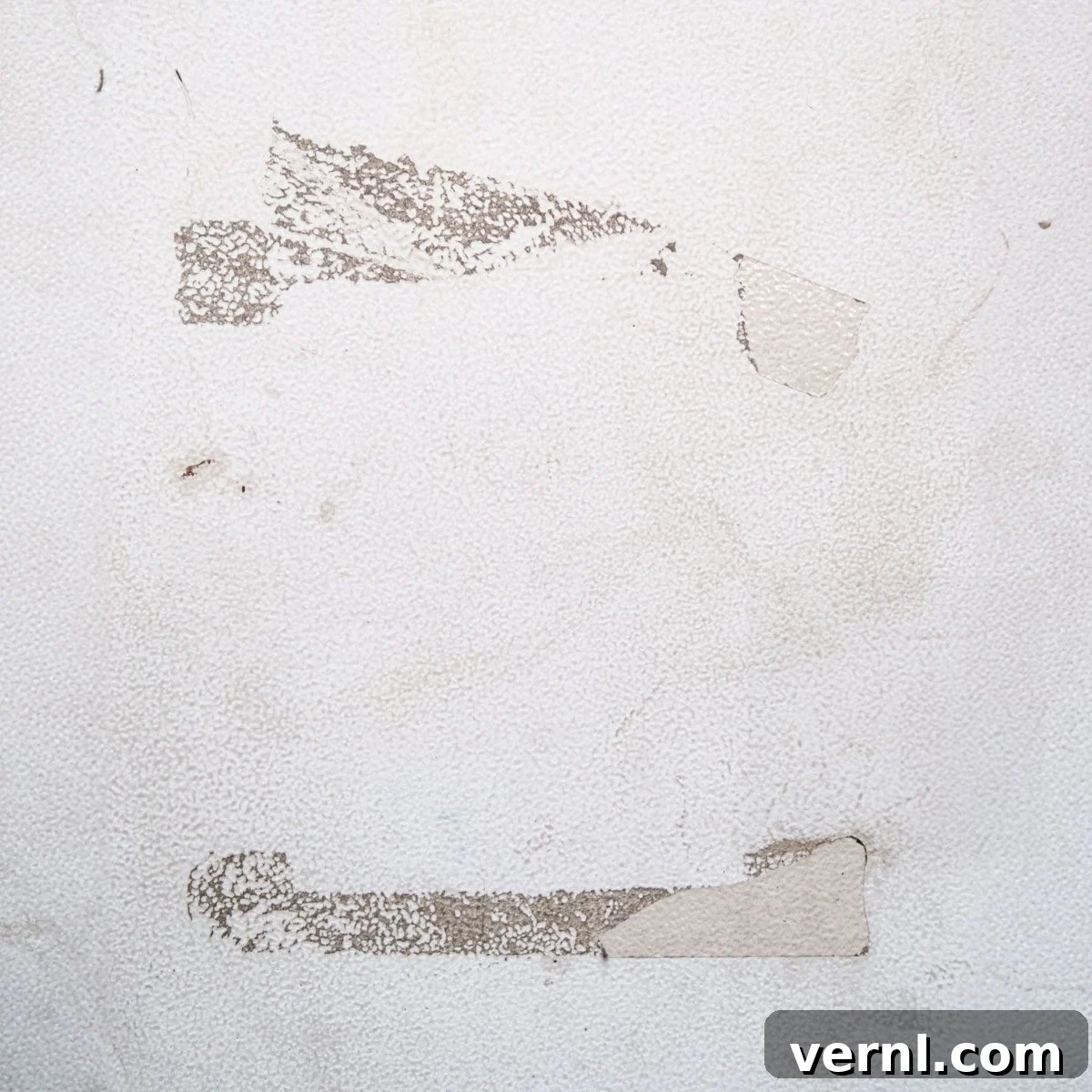
Today’s market offers an astonishing array of duct tape varieties, ranging from basic general-purpose tapes for everyday fixes to professional-grade formulations designed for demanding applications. There’s even specialized tape, like the coated cloth “Mission Tape” that played a crucial role in saving the Apollo 13 astronauts. Regardless of its specific type or intended use, nearly all duct tape shares one common, often frustrating, characteristic: it leaves behind a notoriously stubborn, hard-yet-gummy residue when removed. This sticky aftermath can be a significant challenge to clean, marring surfaces and attracting dirt.
For many, removing this tenacious residue is a dreaded task. Josh Rudin, a seasoned home restoration professional, often encounters ductwork damaged by old tape. He notes that in many cases, his company’s solution is to “often just cut out that section and redo it according to code,” highlighting the difficulty of effective removal. However, replacing entire sections is rarely the most practical or economical solution for homeowners. Fortunately, there are proven methods for tackling this sticky problem. We’ve gathered insights from Rudin and three other leading experts in cleaning and restoration to provide you with comprehensive strategies for removing even the most stubborn duct tape residue. Read on to discover their recommended techniques.
About the Experts
Our comprehensive guide to duct tape residue removal is backed by the practical experience and extensive knowledge of these industry professionals:
Joshua Rudin, a certified restorer and owner of ASAP Restoration, LLC in Tempe, Arizona. Josh specializes in tackling tough restoration challenges, including adhesive removal.
James King is the operations manager for DeluxeMaid, a reputable home cleaning service based in Indianapolis, Indiana. His expertise lies in efficient and effective cleaning methodologies for a wide range of household issues.
Dela Gomasi serves as CEO and director of MaidForYou, a premier cleaning service operating in Sydney, Australia. Dela meticulously develops all the standard operating procedures for his company’s cleaning teams, ensuring consistent, high-quality results.
Rafi Friedman is the CEO of Coastal Luxury Outdoors, a leading pool building, construction, and cleaning company located near Jacksonville, Florida. Rafi’s experience with various outdoor materials and stubborn adhesives provides valuable insights.
Method 1: Dissolve It With a Solvent
One of the most effective and frequently recommended approaches by our experts for removing duct tape residue is to dissolve it using an appropriate solvent. Solvents work by breaking down the chemical bonds of the adhesive polymers, turning the sticky substance into a more manageable, less viscous form that can be wiped away. The key is choosing the right solvent for your specific surface to avoid damage. Here are the top solvent-based solutions:
- Rubbing (Isopropyl) Alcohol: “For hard surfaces like glass, metal, and certain hard plastics, rubbing alcohol applied to the residue is highly effective,” explains Rafi Friedman. Its volatile nature allows it to evaporate quickly after dissolving the adhesive. To use, simply dampen a clean cloth or cotton ball with rubbing alcohol and gently rub the sticky area. You’ll often see the residue begin to soften and lift away. Repeat the process, using fresh sections of the cloth, until the surface is clean. A critical caution: Do not attempt this method on painted surfaces, as rubbing alcohol can soften, dislodge, or even completely dissolve paint, causing irreparable damage. Always perform a patch test in an inconspicuous area first.
- Goof-Off Pro-Strength Remover: For more stubborn or widespread residue, a specialized commercial solvent like Goof-Off Pro-Strength Remover comes highly recommended. Joshua Rudin states, “This solvent is excellent for around-the-home tasks like this because it will remove the residue without damaging most materials you are trying to clean. It works on almost any surface with duct tape residue.” Goof-Off is formulated to tackle tough adhesives, grease, and grime. Always ensure adequate ventilation when using this product, and follow the manufacturer’s instructions carefully. As with any strong chemical, a small patch test is advisable to ensure compatibility with your surface.
- Olive Oil or Cooking Oil: For a gentler, more natural approach, especially on surfaces where harsher chemicals are a concern, various oils can be surprisingly effective. James King advises, “Apply a small amount of olive oil or any cooking oil directly to the residue and allow it to sit for a few minutes. This gives the oil time to penetrate and break down the adhesive.” The oil works by lubricating the adhesive and interfering with its bond to the surface, making it easier to remove. After letting it soak, gently rub the residue with a clean cloth. You may need to apply a little more oil and repeat the rubbing action. Once the residue is gone, clean the oily film with soap and water. Important warning: This method is not recommended for porous surfaces such such as bare, unsealed wood, or unsealed tile grout, as the oil can seep in and leave a permanent stain.
- Soapy Water: If you’re particularly worried about chemical reactions, staining, or working on very delicate surfaces, a simple solution of warm water and dish soap can be your safest bet. Friedman suggests, “For more sensitive surfaces, a solution of warm water and dish soap can soften the residue, making it easier to scrape off gently with a plastic scraper or a credit card.” The warm, soapy water helps to loosen the adhesive’s grip. Apply the solution liberally to the residue, let it sit for several minutes to allow it to penetrate and soften, then gently work at the residue with a non-abrasive tool. This method requires more patience but offers the least risk of surface damage.
Does WD-40 remove duct tape residue?
Yes, WD-40 can indeed be an effective tool for removing duct tape residue, even though none of our featured experts specifically highlighted it as their top recommendation. I personally know it works and often keep a can handy for such purposes. Its penetrating oil properties are excellent for breaking down adhesives and making them easier to wipe away. To use, spray a small amount of WD-40 onto the residue, let it sit for a few minutes, then wipe it off with a clean cloth. You may need to repeat the process. While WD-40 is versatile and generally safe for most non-porous surfaces, it does come with a couple of caveats.
Although it typically doesn’t leave permanent stains, WD-40 has a strong petroleum odor that can linger and may be bothersome to individuals sensitive to volatile organic compounds (VOCs). Additionally, it leaves an oily film that will need to be cleaned off with a general household cleaner or soap and water afterward to prevent dust and grime from adhering to the newly cleaned surface. Therefore, while it’s a viable option in a pinch, it probably shouldn’t be your first choice if other, less odorous, and less messy alternatives are available.
Method 2: Heat It With a Hair Dryer
Sometimes, the best way to tackle stubborn adhesive is to soften it up. Dela Gomasi, whose teams at MaidForYou frequently deal with such issues, explains, “We deal with a lot of removing adhesive residue, duct tape marks, and other wall marks that have been left over from previous tenants of a home, where they have tried to hang photo frames and other ornaments. Realtors are often surprised that we have managed to remove the adhesive, as they thought that it would be permanent.” This method works by warming the adhesive, making it more pliable and less sticky, thus weakening its bond to the surface. It’s particularly useful for tape residue on painted walls, plastic, and other surfaces sensitive to chemical solvents.
Gomasi elaborates on their preferred technique: “Our preferred method is to use a hair dryer on the lowest heat setting to gently melt the adhesive residue. Once it’s warm and softened, we carefully wipe it away with a clean cloth. We rinse the cloth and repeat the process until all the adhesive has been removed.” The key here is patience and moderation. By applying low, consistent heat, you can gradually soften the adhesive without overheating the surface. This makes it easier to gently scrape or wipe off the softened goo without causing damage.
However, a crucial distinction must be made regarding the heat source. While a hair dryer is recommended, Gomasi strongly cautioned against using a heat gun. “We find it ruins the paint,” he warns. Heat guns operate at much higher temperatures than hair dryers, capable of blistering paint, warping plastics, and causing other irreparable damage to delicate surfaces. Always opt for the gentler, controlled heat of a standard hair dryer set to its lowest or medium setting to safely soften the residue.
Method 3: Rub It Off With an Abrasive
When duct tape residue has been left on a surface for an extended period, it can harden and become incredibly difficult to remove with solvents or heat alone. In these specific circumstances, a controlled abrasive approach might be the most effective solution. This method relies on physically rubbing or scraping away the hardened residue, but it requires careful judgment to avoid damaging the underlying surface.
For example, when dealing with old, hard tape residue on bare, unfinished wood, you can often rub it off quite easily with 100-grit sandpaper. The coarse grit helps to mechanically break down and lift the dried adhesive. However, this technique has significant limitations. It will not work as easily on soft, gummy residue, as the sticky substance will quickly clog up the sandpaper, rendering it ineffective. Furthermore, using sandpaper is generally not suitable for painted surfaces, finished wood, or any surface you do not wish to scratch or alter its finish.
Joshua Rudin also recommended using a pumice stone in certain, very specific circumstances. He states, “It’s best for cleaning mineral deposits off of glass and porcelain, but it can also be used to rub off the residue from duct tape effectively.” A pumice stone provides a gentle yet firm abrasive action. When using a pumice stone, it’s crucial to wet both the stone and the surface, and rub very gently in small circles. This method is particularly suitable for robust, non-porous surfaces like ceramic tiles, glass, or porcelain, where scratching is less of a concern and the surface can withstand the abrasive action. Always test in an inconspicuous area first, and ensure you’re using light pressure to avoid damage.
It is paramount to exercise extreme caution when using any abrasive method. Always start with the least aggressive option and test it on a hidden spot. The goal is to remove the residue, not to create new damage or scratches that are even harder to fix. Abrasives are generally a last resort for very hardened residues on durable, forgiving surfaces.
Use a Plastic Scraper
Regardless of whether you choose to dissolve duct tape residue with a solvent or soften it with heat, you will almost certainly need a tool to help scrape it off. The choice of scraper is critical to prevent accidental damage to your surface. Do not under any circumstances use a metal scraper. Metal tools, such as utility knives, metal putty knives, or even the edge of a screwdriver, are far too rigid and sharp; they will inevitably leave unsightly scratches, gouges, or permanent marks on almost any surface, from glass to painted walls.
Instead, follow Friedman’s excellent suggestion and try a credit card. The sturdy plastic edge of an old credit card or loyalty card provides just enough rigidity to scrape while being flexible enough not to cause damage. If you’re like me and prefer to keep your active credit cards in pristine condition, a better alternative is a plastic putty knife. These are inexpensive, readily available at any hardware store, and designed specifically for scraping without harming surfaces. Other suitable options include plastic razor blades (designed for delicate scraping), old gift cards, or even the edge of a plastic spatula. The key is to use a tool made of plastic or a similar non-abrasive material. Always scrape gently, working at an angle, and allow your chosen solvent or heat application to do most of the work in loosening the adhesive before you begin scraping.
FAQs: Your Quick Guide to Duct Tape Residue Challenges
Here are answers to some of the most common questions regarding duct tape residue, offering practical solutions and insights into why this sticky problem occurs.
What’s the easiest way to remove duct tape residue?
Often, the simplest and most surprising solution for fresh, gummy duct tape residue is to use more duct tape! The technique involves laying a fresh piece of duct tape directly over the residue, pressing it down firmly, and then quickly pulling it off. The fresh tape’s strong adhesive often sticks to the old residue, lifting it away from the surface. When this method works, it truly feels like magic, making the sticky mess disappear in an instant. However, it doesn’t always work perfectly, especially with older, hardened residue or on very uneven surfaces. It might require several attempts, and some residual stickiness might still remain, necessitating further cleaning with one of the other methods discussed. But it’s always worth trying first, as it’s the least labor-intensive option when successful.
What causes duct tape residue?
Duct tape residue is essentially the remnants of the pressure-sensitive adhesive (PSA) that allows the tape to stick so effectively. This adhesive is a complex blend of rubberized polymers, resins, and other tackifying agents. When duct tape is applied to a surface, the adhesive forms a strong bond. Over time, and especially when exposed to factors like heat, sunlight (UV radiation), and air, this adhesive can degrade. The plasticizers and oils within the adhesive can migrate, and the polymers themselves can harden or break down. When the tape is pulled off, especially if it’s been on for a long time or subjected to environmental stress, portions of this aged, hardened, or degraded adhesive remain stubbornly clinging to the surface, creating that familiar hard-yet-gummy residue. The longer the tape is left on, the stronger the bond becomes and the more difficult the residue is to remove.
Can you prevent duct tape residue?
Completely preventing duct tape residue is nearly impossible. The very nature of pressure-sensitive adhesives means that some microscopic particles or a thin film will almost always be left behind on a surface. However, you can significantly minimize the amount and stubbornness of residue. The most effective preventative measure is to remove the tape as soon as its purpose is served. The less time the tape spends on a surface, the less opportunity the adhesive has to bond firmly, degrade, and become a difficult-to-remove mess. Additionally, consider the type of tape you’re using. If the bond doesn’t need to be exceptionally strong, opt for lower-tack masking tape or painter’s tape, which are specifically designed to be removed cleanly without leaving residue. For applications where duct tape is essential, choose a high-quality brand, as cheaper tapes often leave behind more residue. If you anticipate needing to remove the tape later, avoid leaving it in direct sunlight or areas with high heat, which accelerate adhesive breakdown and make residue harder to clean.