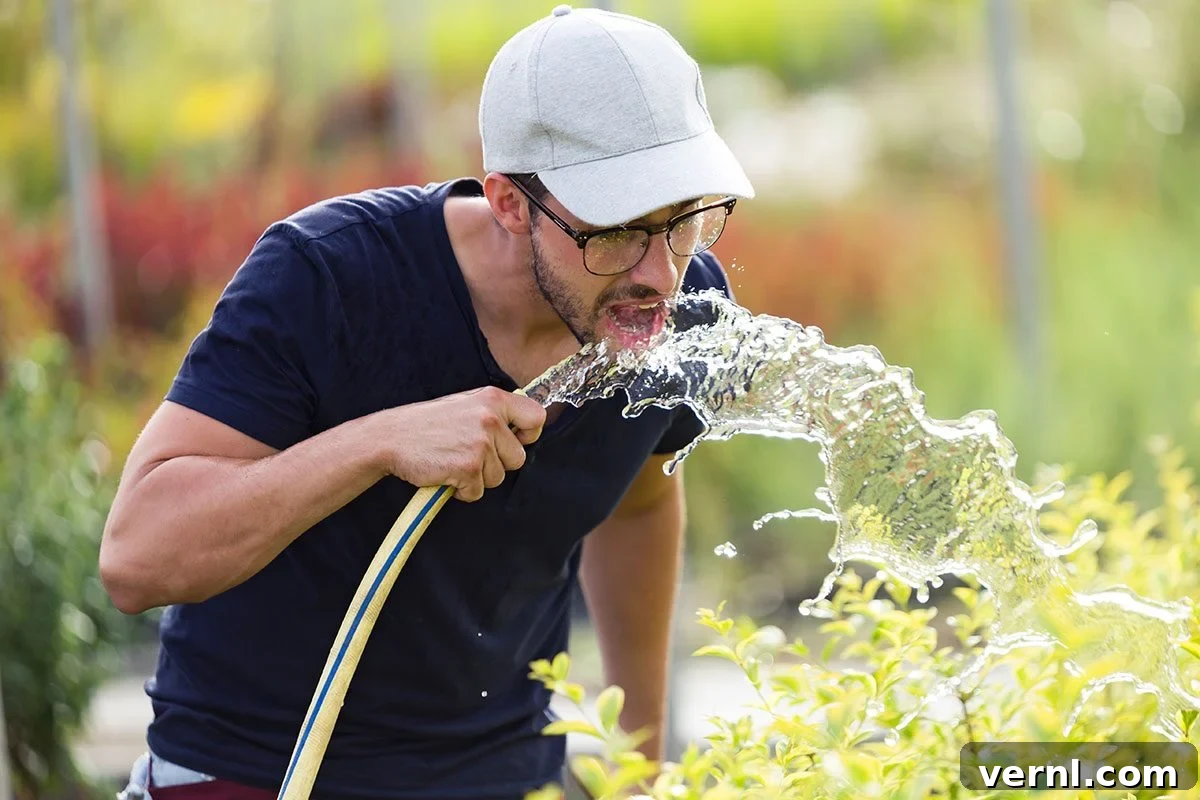
Is It Safe to Drink From a Garden Hose? Uncovering the Hidden Dangers for Your Family
For many of us, the image of a hot summer day includes a quick, refreshing sip directly from the garden hose. It’s a memory steeped in nostalgia, a simple pleasure of childhood summers past. We never gave it a second thought – thirsty kids, easy access, problem solved. However, as our understanding of health and environmental safety evolves, that carefree habit is now being questioned. As parents, homeowners, and health-conscious individuals, we find ourselves asking: “Is drinking from a garden hose truly safe?” The surprising and crucial answer, according to health experts, is a resounding no.
With summer’s warmth drawing us outdoors, understanding the potential risks associated with garden hose water is paramount for ensuring the well-being of your loved ones. While the allure of that nostalgic quench might be strong, protecting today’s children and adults means opting for safer hydration methods. This comprehensive guide will delve into why that seemingly innocent drink can pose health hazards and what steps you can take to enjoy your outdoor activities safely.
The Hidden Differences: Hose Water vs. Indoor Tap Water
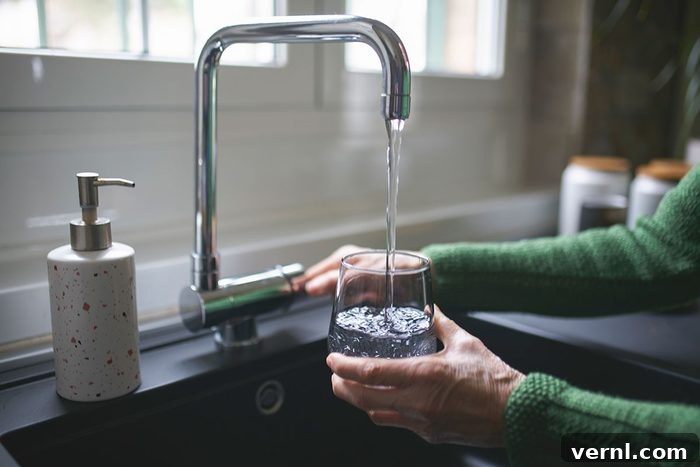
At first glance, it might seem logical to assume that water from your garden hose is identical to the water flowing from your kitchen faucet. After all, they often originate from the same main water supply, whether it’s a municipal system or a private well. So, technically, the water itself starts from the same source. However, the critical distinction lies not in the source, but in the journey the water takes through your home’s plumbing system and, crucially, the materials it comes into contact with along the way.
The United States Environmental Protection Agency (EPA) sets rigorous standards for potable (drinking) water safety. The Safe Drinking Water Act (SDWA) mandates that all plumbing fixtures, fittings, and pipes intended for delivering drinking water must meet a “lead-free” standard. This regulation is designed to prevent harmful substances, particularly lead, from leaching into the water supply and posing severe health risks. Indoor faucets, showerheads, and pipes are specifically engineered and manufactured to comply with these strict guidelines, ensuring the water reaching your glass is safe for consumption.
Why Outdoor Plumbing Lacks Potable Water Standards
Here’s where the crucial difference emerges: outdoor spigots and garden hoses are typically exempt from these stringent SDWA regulations. Because they are not designated for potable water use – rather, for irrigation, cleaning, and other non-consumption tasks – manufacturers are not legally required to adhere to the same “lead-free” standards. This exemption means that outdoor spigots may contain components with lead or other heavy metals that can contaminate the water flowing through them.
The garden hose itself presents an even greater concern. Unlike the carefully regulated pipes within your home, standard garden hoses are not designed with drinking water safety in mind. As Dave Hokanson, assistant manager of the Drinking Water Protection Section at the Minnesota Department of Health, succinctly states, “Many hoses can contain bacteria, phthalates, BPA and lead.” These are not benign substances; they are chemicals and contaminants that can pose significant health threats, and you absolutely do not want them in your drinking water. Let’s explore these hazards in more detail.
Is It Safe to Drink Out of a Water Hose? The Expert Consensus is Clear: No.
“Drinking from a hose is not generally recommended or considered to be safe,” reiterates Hokanson, and for very compelling reasons. The primary dangers stem from a combination of chemical composition, environmental factors, and hygiene issues inherent to typical garden hoses and their outdoor environment. Understanding these risks is crucial for making informed decisions about outdoor hydration.
The Risks: Unpacking the Dangers of Garden Hose Water
-
Chemical Leaching: Standard garden hoses are often made from polyvinyl chloride (PVC) and other synthetic materials that can contain a cocktail of harmful chemicals. These include:
- Lead: A known neurotoxin, lead exposure, even at low levels, can have devastating effects, especially on children’s developing brains and nervous systems. It can impair cognitive function, cause behavioral problems, and affect growth. Adults can also suffer from kidney damage, high blood pressure, and reproductive problems.
- Phthalates: These industrial chemicals are used to make plastics more flexible and are common in many garden hoses. Phthalates are endocrine disruptors, meaning they can interfere with the body’s hormonal system. Exposure has been linked to developmental, reproductive, and other health problems, including impacts on male reproductive health.
- Bisphenol A (BPA): Another endocrine disruptor found in some plastics, BPA has raised concerns about its potential to mimic hormones and impact brain development, behavior, and prostate glands in fetuses, infants, and children.
- Bromine and Antimony: The Ecology Center in Ann Arbor, Michigan, conducted a comprehensive study on garden hoses sold at major home centers. Their alarming findings revealed high levels of lead, bromine, antimony, and phthalates in many conventional hoses. Crucially, the study also demonstrated that these same dangerous chemicals readily leached into the water stored within or flowing through these hoses, confirming the direct exposure risk.
This leaching process is significantly exacerbated by heat and UV exposure. When a hose lies in direct sunlight, the water inside can reach high temperatures, accelerating the breakdown of plastic materials and the release of these toxic chemicals into the water. The longer the water sits in a warm hose, the higher the concentration of leached chemicals can become.
-
Bacterial Growth and Biofilm Formation: A garden hose, especially one left outdoors with stagnant water inside, provides an ideal breeding ground for bacteria and mold.
- Warm, Stagnant Water: Sunlight heats the water trapped within the hose, creating a warm, moist environment perfect for microbial proliferation. Bacteria like Legionella (which can cause a severe form of pneumonia), E. coli (if external contamination occurs), and various other waterborne pathogens can thrive in these conditions.
- Biofilm: Over time, a slimy layer of microorganisms, known as biofilm, can form on the inside surfaces of the hose. This biofilm provides a protective matrix for bacteria, making them harder to dislodge and posing a continuous source of contamination.
- Lack of Disinfection: Unlike municipal water systems that employ disinfection methods (like chlorination) to keep water safe throughout the distribution network, garden hoses offer no such protection. Any residual disinfectants in the initial water supply can quickly dissipate once the water enters the hose.
Consuming water contaminated with these bacteria can lead to gastrointestinal illnesses, including nausea, vomiting, diarrhea, and abdominal cramps. This risk is particularly high for individuals with compromised immune systems, very young children, and the elderly, who are more susceptible to waterborne pathogens.
-
External Contamination from Connections and Environment: The outdoor environment itself contributes significantly to the contamination risk of garden hose water.
- Spigot Contamination: Outdoor faucets (spigots) are exposed to various environmental elements. They can accumulate dirt, dust, insects, bird droppings, and splashes from lawn chemicals like fertilizers and pesticides. These contaminants can easily enter the spigot opening or accumulate around the connection point, transferring into the water when the hose is attached and used. As mentioned earlier, the spigot itself may also contain lead components that can leach into the water before it even enters the hose.
- Hose Nozzle and End: The business end of the hose, particularly the nozzle or sprayer, frequently lies on the ground. This brings it into contact with soil, grass, animal waste, and other debris. Without proper cleaning or disinfection, these external contaminants can be directly ingested when drinking from the hose. Furthermore, accidental ingestion of garden chemicals sprayed nearby is also a concern.
This combination of internal chemical leaching from the hose materials and external environmental contamination creates a significant health hazard, making drinking from a standard garden hose an ill-advised practice for anyone.
Safe Hydration Outdoors: Practical Alternatives and Solutions
While the dangers of drinking from a conventional garden hose are clear, ensuring safe and accessible drinking water outdoors is entirely achievable. With a few simple precautions and the right equipment, you and your family can stay hydrated without compromising health.
Choosing a Safe Garden Hose
The most straightforward and effective solution is to invest in a hose specifically designed and certified for potable water use. When shopping, look for hoses explicitly labeled “drinking water safe” or “lead-free.” These are fundamentally different from standard garden hoses because they are constructed with materials that do not leach harmful chemicals into the water. Key features to look for include:
- Material Composition: Safe hoses are typically made from polyurethane, virgin FDA-grade rubber, or hybrid materials known for their inertness. They are manufactured to be free from lead, phthalates, BPA, and other heavy metals. These materials are chosen for their stability and non-toxic properties, ensuring they do not degrade and contaminate the water.
- NSF Certification: A crucial indicator of safety is certification from organizations like the National Sanitation Foundation (NSF). Look for an NSF/ANSI 61 certification (or similar potable water standards). This certification indicates that the product has been rigorously tested and deemed safe for contact with drinking water, ensuring that any leaching of contaminants remains below established health advisory levels.
- Intended Use: These types of hoses are commonly marketed for RVs, boats, and other marine applications where direct drinking water access is required for human consumption. However, they perform just as effectively for your backyard needs, providing a secure source for filling pet bowls, children’s pools, or even a water bottle directly. The Ecology Center report, which highlighted the dangers of conventional hoses, also confirmed that these “drinking water safe” hoses and their water samples did not contain harmful chemicals or elements, reinforcing their reliability and safety.
Best Practices for Outdoor Drinking Water
Even with a drinking water safe hose, a few best practices can further enhance safety and water quality:
- Flush Before Use: Always run water through any hose for a minute or two before drinking from it, especially if it has been sitting in the sun or unused for a period. This flushes out any stagnant water, potential contaminants, or residual chemicals that might have accumulated in the initial length of the hose.
- Proper Storage: Store your garden hose coiled neatly, ideally in a shaded area or indoors when not in use. Draining the hose after each use prevents stagnant water from accumulating, thereby inhibiting bacterial growth and reducing opportunities for chemical leaching from the hose material. Keeping it off the ground also minimizes external contamination.
- Dedicated Water Sources: For longer outdoor activities, picnics, or gatherings, consider setting up a dedicated cooler filled with filtered, potable water or a portable water dispenser. This ensures readily available, safe drinking water for everyone, minimizing the temptation to use a garden hose.
- Educate Children: Teach children why it’s important not to drink directly from the garden hose. Explain the hidden dangers in simple terms and always provide them with a readily accessible and safer alternative. This helps instill good hydration habits from a young age.
- Regular Inspection: Periodically inspect your hose for any signs of wear, cracks, kinks, or damage. A compromised hose could harbor bacteria or accelerate chemical leaching, even if it’s a “drinking water safe” model. Replace damaged hoses promptly.
- Clean Spigot and Nozzle: Before attaching a hose or using the outdoor spigot, give it a quick wipe down to remove any accumulated dirt, insects, or debris. Similarly, clean the nozzle of your hose regularly.
By understanding the risks and implementing these straightforward solutions, you can transform your outdoor hydration habits from a potential health hazard into a safe and worry-free experience for your entire family. The convenience of outdoor water access can truly be safe, with the right choices and awareness.
About the Expert
- Dave Hokanson is the assistant manager of the Drinking Water Protection Section at the Minnesota Department of Health. His extensive expertise in water safety provides invaluable insights into protecting public health.
Sources
- United States Environmental Protection Agency “Use of Lead Free Pipes, Fittings, Fixtures, Solder and Flux for Drinking Water” (2024).
- Environmental Resource Center “Read This Before You Drink From That Garden Hose” (2016).
- The Ecology Center. “HealthyStuff.org Study: Garden Hoses & Watering Accessories.” (Accessed 2024, findings originally published earlier. For more details, visit their official website: https://www.healthystuff.org/hoses/).
Further Reading for a Healthier Home and Garden
- The Real Reason Aluminum Foil Has a Shiny Side and a Dull Side
- Think Adirondack Chairs Are Uncomfortable? You’re Using Them Wrong
- Why You Shouldn’t Crush Aluminum Cans Before Recycling